



一、链表:动态数据结构的力量
1.1 链表的基本概念
链表是一种物理存储单元上非连续、非顺序的存储结构,数据元素的逻辑顺序是通过链表中的指针链接次序实现的。与数组不同,链表的大小可以动态调整,不需要预先知道数据规模。
// 链表节点定义
class ListNode {
    int val;        // 节点存储的数据
    ListNode next;  // 指向下一个节点的引用

    ListNode(int val) {
        this.val = val;
        this.next = null;
    }
}
1.2 链表的三种基本类型
单向链表:每个节点只包含指向下一个节点的指针

双向链表:每个节点包含指向前一个和后一个节点的指针

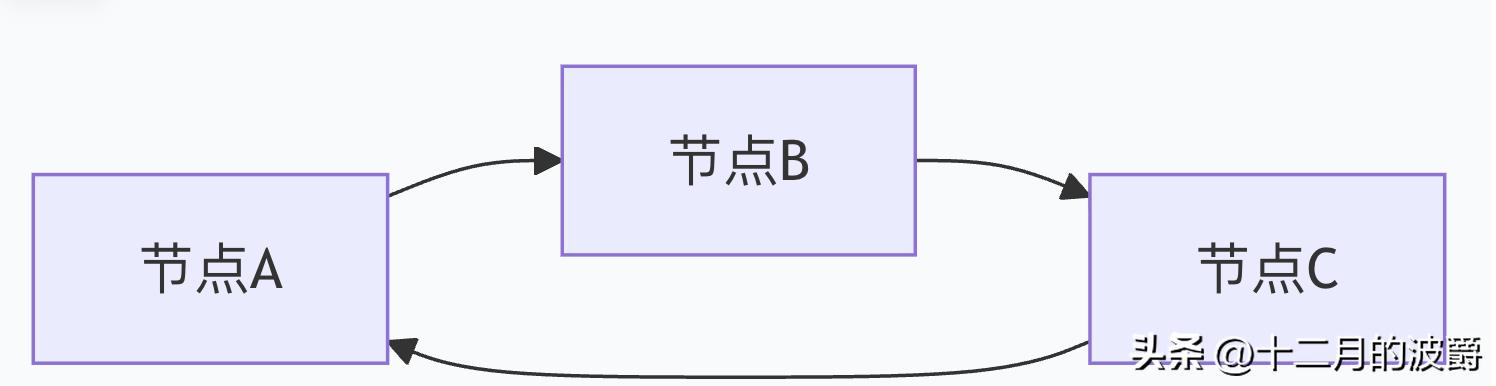
循环链表:尾节点指向头节点,形成环状结构
二、链表的基本操作与算法
2.1 链表的遍历
public void traverseLinkedList(ListNode head) {
    ListNode current = head;
    while (current != null) {
        System.out.print(current.val + " -> ");
        current = current.next;
    }
    System.out.println("null");
}
2.2 节点的插入
在头部插入:
public ListNode insertAtHead(ListNode head, int value) {
    ListNode newNode = new ListNode(value);
    newNode.next = head;
    return newNode; // 新节点成为新的头节点
}
在尾部插入:
public ListNode insertAtTail(ListNode head, int value) {
    ListNode newNode = new ListNode(value);

    if (head == null) {
        return newNode;
    }

    ListNode current = head;
    while (current.next != null) {
        current = current.next;
    }
    current.next = newNode;
    return head;
}
在指定位置插入:
public ListNode insertAtPosition(ListNode head, int value, int position) {
    if (position == 0) {
        return insertAtHead(head, value);
    }

    ListNode newNode = new ListNode(value);
    ListNode current = head;

    // 找到要插入位置的前一个节点
    for (int i = 0; i < position - 1 && current != null; i++) {
        current = current.next;
    }

    if (current == null) {
        // 位置超出范围,插入到尾部
        return insertAtTail(head, value);
    }

    newNode.next = current.next;
    current.next = newNode;
    return head;
}
2.3 节点的删除
删除头节点:
public ListNode deleteHead(ListNode head) {
    if (head == null) {
        return null;
    }
    return head.next;
}
删除尾节点:
public ListNode deleteTail(ListNode head) {
    if (head == null || head.next == null) {
        return null;
    }

    ListNode current = head;
    while (current.next.next != null) {
        current = current.next;
    }
    current.next = null;
    return head;
}
删除指定值的节点:
public ListNode deleteNode(ListNode head, int value) {
    if (head == null) {
        return null;
    }

    if (head.val == value) {
        return head.next;
    }

    ListNode current = head;
    while (current.next != null) {
        if (current.next.val == value) {
            current.next = current.next.next;
            return head;
        }
        current = current.next;
    }

    return head;
}
2.4 链表反转算法
迭代法:
public ListNode reverseListIterative(ListNode head) {
    ListNode prev = null;
    ListNode current = head;

    while (current != null) {
        ListNode nextTemp = current.next;
        current.next = prev;
        prev = current;
        current = nextTemp;
    }

    return prev;
}
递归法:
public ListNode reverseListRecursive(ListNode head) {
    if (head == null || head.next == null) {
        return head;
    }

    ListNode newHead = reverseListRecursive(head.next);
    head.next.next = head;
    head.next = null;

    return newHead;
}
2.5 检测链表是否有环
快慢指针法(Floyd判圈算法):
public boolean hasCycle(ListNode head) {
    if (head == null || head.next == null) {
        return false;
    }

    ListNode slow = head;
    ListNode fast = head;

    while (fast != null && fast.next != null) {
        slow = slow.next;
        fast = fast.next.next;

        if (slow == fast) {
            return true;
        }
    }

    return false;
}
三、链表 vs 数组:全面对比分析
3.1 时间复杂度对比
|
操作 |
数组 |
链表 |
说明 |
|
随机访问 |
O(1) |
O(n) |
数组通过索引直接访问,链表需要遍历 |
|
头部插入 |
O(n) |
O(1) |
数组需要移动所有元素,链表只需修改引用 |
|
尾部插入 |
O(1)(摊销) |
O(n)/O(1) |
数组有空间时O(1),链表需要遍历(除非维护尾指针) |
|
中间插入 |
O(n) |
O(n) |
都需要找到位置,但链表不需要移动后续元素 |
|
头部删除 |
O(n) |
O(1) |
数组需要移动所有元素,链表只需修改头指针 |
|
尾部删除 |
O(1) |
O(n)/O(1) |
数组O(1),链表需要遍历(除非维护尾指针和双向链表) |
|
中间删除 |
O(n) |
O(n) |
都需要找到位置,但链表不需要移动后续元素 |
3.2 内存布局对比
数组的内存布局:
[元素0][元素1][元素2][元素3][元素4]...
↑
连续内存块,可通过 base_address + index * size 直接访问
链表的内存布局:
[数据|下一地址] → [数据|下一地址] → [数据|下一地址] → null
↑               ↑               ↑
节点1           节点2           节点3
每个节点分散在内存中,通过指针连接
3.3 优缺点总结
数组的优点:
- 随机访问速度快(O(1)时间复杂度)
- 内存占用少,不需要额外存储指针
- 缓存友好,数据连续存储
数组的缺点:
- 大小固定,需要预先知道数据规模
- 插入和删除效率低,需要移动元素
- 可能造成内存浪费或不足
链表的优点:
- 动态大小,可以随时增长和缩小
- 插入和删除效率高,只需要修改指针
- 内存利用率高,按需分配
链表的缺点:
- 随机访问效率低(O(n)时间复杂度)
- 需要额外内存存储指针
- 缓存不友好,数据分散在内存中
四、适用场景与实战示例
4.1 数组的适用场景
场景1:需要频繁随机访问元素
// 游戏中的地图网格表示
int[][] gameMap = new int[100][100];
// 直接通过坐标访问地图元素
int tileType = gameMap[x][y];
场景2:数据量固定且已知
// 存储一周七天的温度
double[] weeklyTemperatures = new double[7];
// 计算平均温度
double sum = 0;
for (double temp : weeklyTemperatures) {
    sum += temp;
}
double average = sum / 7;
场景3:数学计算和矩阵运算
// 矩阵乘法
double[][] matrixA = new double[3][3];
double[][] matrixB = new double[3][3];
double[][] result = new double[3][3];
for (int i = 0; i < 3; i++) {
    for (int j = 0; j < 3; j++) {
        for (int k = 0; k < 3; k++) {
            result[i][j] += matrixA[i][k] * matrixB[k][j];
        }
    }
}
4.2 链表的适用场景
场景1:需要频繁插入和删除操作
// 实现一个文本编辑器的撤销功能栈
class OperationNode {
    String operation;
    OperationNode next;

    OperationNode(String operation) {
        this.operation = operation;
    }
}
class UndoStack {
    private OperationNode top;

    public void push(String operation) {
        OperationNode newNode = new OperationNode(operation);
        newNode.next = top;
        top = newNode;
    }

    public String pop() {
        if (top == null) return null;
        String operation = top.operation;
        top = top.next;
        return operation;
    }
}
场景2:实现队列和双向队列
// 使用双向链表实现队列
class DoublyListNode {
    int val;
    DoublyListNode prev, next;

    DoublyListNode(int val) {
        this.val = val;
    }
}
class LinkedListQueue {
    private DoublyListNode head, tail;

    public void enqueue(int value) {
        DoublyListNode newNode = new DoublyListNode(value);
        if (tail == null) {
            head = tail = newNode;
        } else {
            tail.next = newNode;
            newNode.prev = tail;
            tail = newNode;
        }
    }

    public int dequeue() {
        if (head == null) throw new RuntimeException("Queue is empty");
        int value = head.val;
        head = head.next;
        if (head != null) head.prev = null;
        else tail = null;
        return value;
    }
}
场景3:处理不确定大小的数据
// 读取用户输入,直到输入结束
import java.util.Scanner;
class DynamicInputHandler {
    public static void main(String[] args) {
        Scanner scanner = new Scanner(System.in);
        ListNode head = null;
        ListNode tail = null;

        System.out.println("Enter numbers (type 'done' to finish):");
        while (scanner.hasNextInt()) {
            int num = scanner.nextInt();
            ListNode newNode = new ListNode(num);

            if (head == null) {
                head = tail = newNode;
            } else {
                tail.next = newNode;
                tail = newNode;
            }
        }

        // 处理链表数据
        processLinkedList(head);
        scanner.close();
    }
}
五、Java集合框架中的链表实现
Java在java.util包中提供了链表的现成实现:
// LinkedList的使用示例
import java.util.LinkedList;
public class LinkedListExample {
    public static void main(String[] args) {
        // LinkedList底层使用双向链表实现
        LinkedList<String> list = new LinkedList<>();

        // 添加元素 - O(1)时间复杂度
        list.add("Apple");
        list.addFirst("Banana");  // 添加到头部
        list.addLast("Orange");   // 添加到尾部

        // 访问元素 - O(n)时间复杂度
        String first = list.getFirst();
        String last = list.getLast();

        // 删除元素 - O(1)时间复杂度(如果知道位置)
        list.removeFirst();
        list.removeLast();

        // 实现队列功能
        LinkedList<Integer> queue = new LinkedList<>();
        queue.offer(1);  // 入队
        queue.offer(2);
        int firstElement = queue.poll();  // 出队,返回1

        // 实现栈功能
        LinkedList<Integer> stack = new LinkedList<>();
        stack.push(1);   // 压栈
        stack.push(2);
        int top = stack.pop();  // 出栈,返回2
    }
}
六、总结与选择指南
如何选择数组还是链表?
- 选择数组的情况:
- 需要频繁随机访问元素
- 数据量大小已知或相对固定
- 内存空间有限,需要最小化内存开销
- 需要高效的缓存性能
- 选择链表的情况:
- 需要频繁在头部或中间插入/删除元素
- 数据量不确定或可能大幅变化
- 需要实现栈、队列、双向队列等数据结构
- 内存分配需要灵活性
- 现代开发的实践建议:
- 大多数情况下,优先使用Java集合框架中的现成实现
- 对于性能关键的场景,使用ArrayList(基于动态数组)
- 需要频繁插入删除时,使用LinkedList
- 只有在极端性能要求或特殊需求时,才需要自己实现底层数据结构
// 实际开发中的选择示例
import java.util.ArrayList;
import java.util.LinkedList;
import java.util.List;
public class DataStructureChoice {
    // 场景1:读取大量数据并进行随机访问 - 选择ArrayList
    public void processUserData(List<User> users) {
        // ArrayList的随机访问效率更高
        for (int i = 0; i < users.size(); i++) {
            User user = users.get(i); // O(1)时间复杂度
            processUser(user);
        }
    }

    // 场景2:实现一个消息队列 - 选择LinkedList
    public void messageQueueExample() {
        LinkedList<Message> queue = new LinkedList<>();

        // 生产者线程
        new Thread(() -> {
            while (true) {
                Message msg = receiveMessage();
                queue.addLast(msg); // O(1)时间复杂度
            }
        }).start();

        // 消费者线程
        new Thread(() -> {
            while (true) {
                if (!queue.isEmpty()) {
                    Message msg = queue.removeFirst(); // O(1)时间复杂度
                    processMessage(msg);
                }
            }
        }).start();
    }
}
通过本文的学习,你应该已经掌握了链表的原理、实现方式以及与数组的对比选择。在实际开发中,根据具体需求选择合适的数据结构,是编写高效Java程序的关键技能之一。





 扫一扫
扫一扫


 被折叠的 条评论
为什么被折叠?
被折叠的 条评论
为什么被折叠?
 到【灌水乐园】发言





