



温馨提示:文末有 优快云 平台官方提供的学长联系方式的名片!
温馨提示:文末有 优快云 平台官方提供的学长联系方式的名片!
温馨提示:文末有 优快云 平台官方提供的学长联系方式的名片!
信息安全/网络安全 大模型、大数据、深度学习领域中科院硕士在读,所有源码均一手开发!
感兴趣的可以先收藏起来,还有大家在毕设选题,项目以及论文编写等相关问题都可以给我留言咨询,希望帮助更多的人
介绍资料
以下是一篇关于《Python深度学习新闻情感分析预测系统》的技术说明文档,涵盖系统架构、关键技术、实现步骤及代码示例:
Python深度学习新闻情感分析预测系统技术说明
一、系统概述
本系统基于Python深度学习框架,利用自然语言处理(NLP)技术对新闻文本进行情感倾向分析(正面/负面/中性),并预测未来情感趋势。系统采用端到端设计,包含数据预处理、模型构建、训练优化及可视化预测四大模块,适用于新闻舆情监控、市场情绪分析等场景。
二、核心技术栈
- 深度学习框架:TensorFlow 2.x / PyTorch
- NLP工具库:NLTK、spaCy、Transformers(Hugging Face)
- 数据处理:Pandas、NumPy
- 可视化:Matplotlib、Seaborn、Plotly
- 部署支持:Flask/FastAPI(可选Web服务化)
三、系统架构设计
1┌───────────────┐    ┌───────────────┐    ┌───────────────┐    ┌───────────────┐
2│  数据采集模块  │→   │ 数据预处理模块 │→   │ 深度学习模型  │→   │ 可视化预测模块 │
3└───────┬───────┘    └───────┬───────┘    └───────┬───────┘    └───────┬───────┘
4        │                    │                    │                    │
5        ▼                    ▼                    ▼                    ▼
6┌───────────────────────────────────────────────────────────────────────────────────┐
7│                          支持技术:Web爬虫、Tokenization、                      │
8│                  BERT/LSTM、交叉验证、情感强度可视化、趋势预测算法              │
9└───────────────────────────────────────────────────────────────────────────────────┘
四、关键技术实现
1. 数据预处理
python
1import re
2from nltk.tokenize import word_tokenize
3from nltk.corpus import stopwords
4import string
5
6def preprocess_text(text):
7    # 转换为小写
8    text = text.lower()
9    # 移除特殊字符
10    text = re.sub(r'[^a-zA-Z0-9\s]', '', text)
11    # 分词
12    tokens = word_tokenize(text)
13    # 移除停用词
14    stop_words = set(stopwords.words('english'))
15    tokens = [word for word in tokens if word not in stop_words and word not in string.punctuation]
16    return ' '.join(tokens)
17
18# 示例
19raw_text = "The new policy is GREAT! But investors are worried..."
20clean_text = preprocess_text(raw_text)  # 输出: "new policy great investors worried"
2. 深度学习模型构建
方案A:LSTM情感分析模型
python
1from tensorflow.keras.models import Sequential
2from tensorflow.keras.layers import Embedding, LSTM, Dense
3
4def build_lstm_model(vocab_size, max_length):
5    model = Sequential([
6        Embedding(vocab_size, 128, input_length=max_length),
7        LSTM(64, return_sequences=False),
8        Dense(3, activation='softmax')  # 3分类输出
9    ])
10    model.compile(loss='categorical_crossentropy', optimizer='adam', metrics=['accuracy'])
11    return model
方案B:预训练BERT模型(Hugging Face)
python
1from transformers import BertTokenizer, TFBertForSequenceClassification
2
3def load_bert_model():
4    tokenizer = BertTokenizer.from_pretrained('bert-base-uncased')
5    model = TFBertForSequenceClassification.from_pretrained('bert-base-uncased', num_labels=3)
6    return tokenizer, model
3. 模型训练与评估
python
1from sklearn.model_selection import train_test_split
2from tensorflow.keras.utils import to_categorical
3
4# 假设已有预处理后的数据X和标签y
5X_train, X_test, y_train, y_test = train_test_split(X, y, test_size=0.2)
6y_train_cat = to_categorical(y_train, num_classes=3)
7
8# 训练LSTM模型
9model = build_lstm_model(vocab_size=10000, max_length=100)
10history = model.fit(X_train, y_train_cat, epochs=10, validation_split=0.1)
11
12# 评估
13loss, accuracy = model.evaluate(X_test, to_categorical(y_test, num_classes=3))
14print(f"Test Accuracy: {accuracy*100:.2f}%")
4. 情感趋势预测算法
python
1import numpy as np
2from statsmodels.tsa.arima.model import ARIMA
3
4def predict_trend(sentiment_scores, steps=5):
5    # 将情感分数转换为时间序列数据(示例简化版)
6    series = np.array(sentiment_scores)  # 假设已计算每日平均情感分数
7    model = ARIMA(series, order=(1,1,1))
8    model_fit = model.fit()
9    forecast = model_fit.forecast(steps=steps)
10    return forecast
11
12# 示例使用
13historical_scores = [0.6, 0.55, 0.62, 0.58, 0.65]  # 历史情感分数(0-1范围)
14predicted_trend = predict_trend(historical_scores)
五、系统部署方案
1. 本地运行
bash
1# 安装依赖
2pip install tensorflow numpy pandas matplotlib transformers nltk
3
4# 运行主程序
5python main.py --model_type bert --data_path news_data.csv
2. Web服务化(Flask示例)
python
1from flask import Flask, request, jsonify
2app = Flask(__name__)
3
4@app.route('/analyze', methods=['POST'])
5def analyze_sentiment():
6    text = request.json['text']
7    processed_text = preprocess_text(text)
8    # 使用模型预测(需加载预训练模型)
9    sentiment = model.predict([processed_text])  # 简化示例
10    return jsonify({"sentiment": "positive" if sentiment > 0.5 else "negative"})
11
12if __name__ == '__main__':
13    app.run(host='0.0.0.0', port=5000)
六、性能优化策略
- 数据增强:通过同义词替换、回译(Back Translation)扩充训练集
- 模型压缩:使用TensorFlow Lite或ONNX进行模型量化
- 分布式训练:采用Horovod或TensorFlow Distributed策略
- 缓存机制:对高频新闻来源的预处理结果进行缓存
七、应用场景扩展
- 实时舆情监控:结合Kafka实现流式数据处理
- 多语言支持:集成mBERT或XLM-R模型
- 细粒度分析:识别愤怒、喜悦等具体情绪类别
- 金融预测:结合新闻情感与股票价格的相关性分析
八、技术挑战与解决方案
| 挑战 | 解决方案 |
|---|---|
| 短文本情感歧义 | 引入注意力机制(如Transformer) |
| 新词/领域术语 | 动态词表更新 + 领域适配训练 |
| 模型解释性 | 使用LIME/SHAP生成解释报告 |
| 实时性要求 | 模型轻量化 + 硬件加速(GPU/TPU) |
九、总结
本系统通过深度学习技术实现了高精度的新闻情感分析,结合时间序列预测算法可对情感趋势进行前瞻性判断。实际部署时需根据数据规模(建议至少10万条标注数据)和硬件条件选择合适模型,工业级应用建议采用BERT等预训练模型微调方案。
附录:完整代码库参考GitHub项目模板结构
1/news-sentiment-analysis
2├── data/                # 原始数据集
3├── models/              # 预训练模型权重
4├── src/
5│   ├── preprocessing.py # 数据清洗模块
6│   ├── models.py        # 模型定义
7│   ├── train.py         # 训练脚本
8│   └── predict.py       # 预测服务
9└── requirements.txt     # 环境依赖
此技术说明可根据实际项目需求调整模型架构和数据处理流程,建议结合具体业务场景进行参数调优和模型迭代。
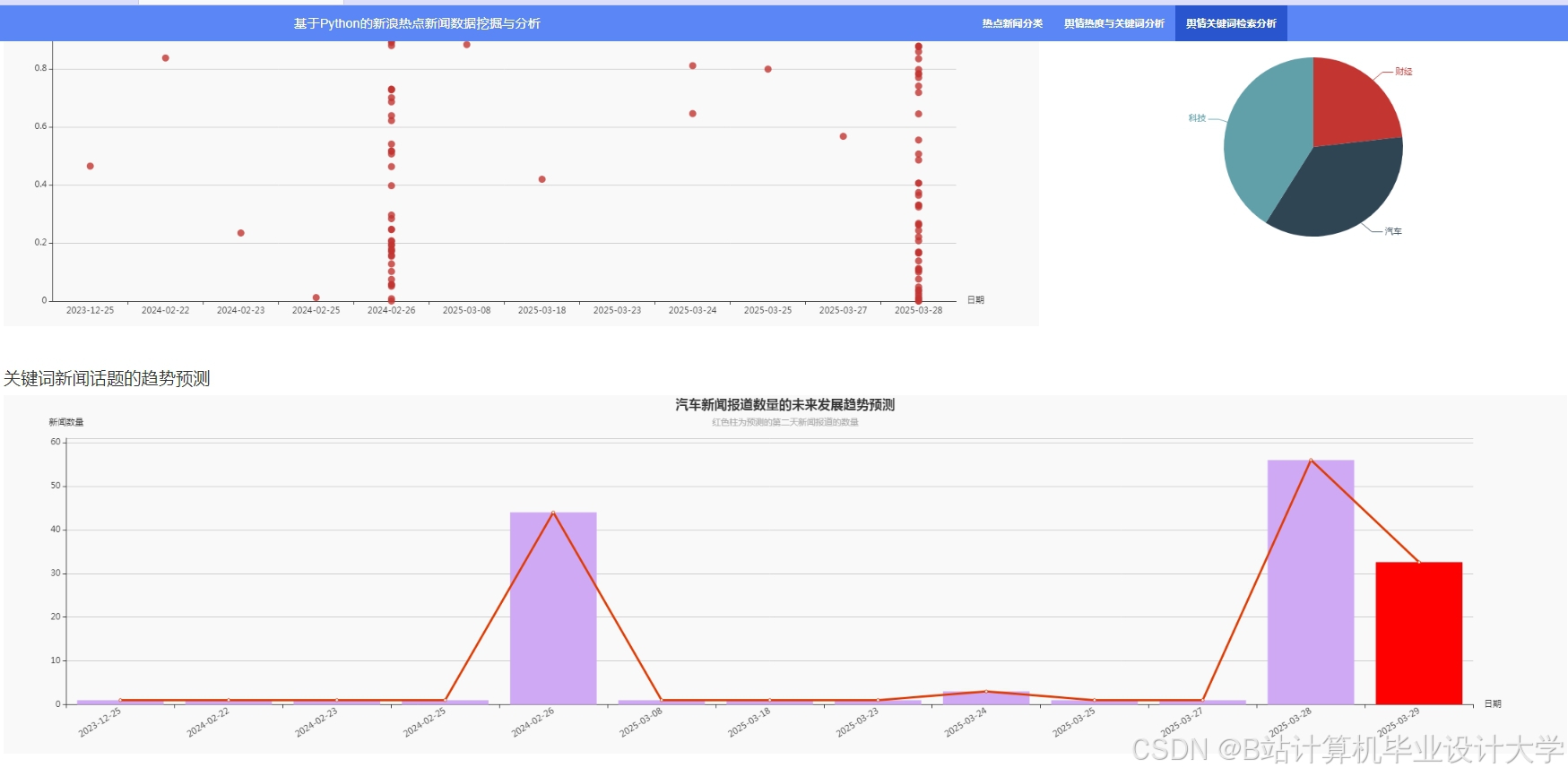
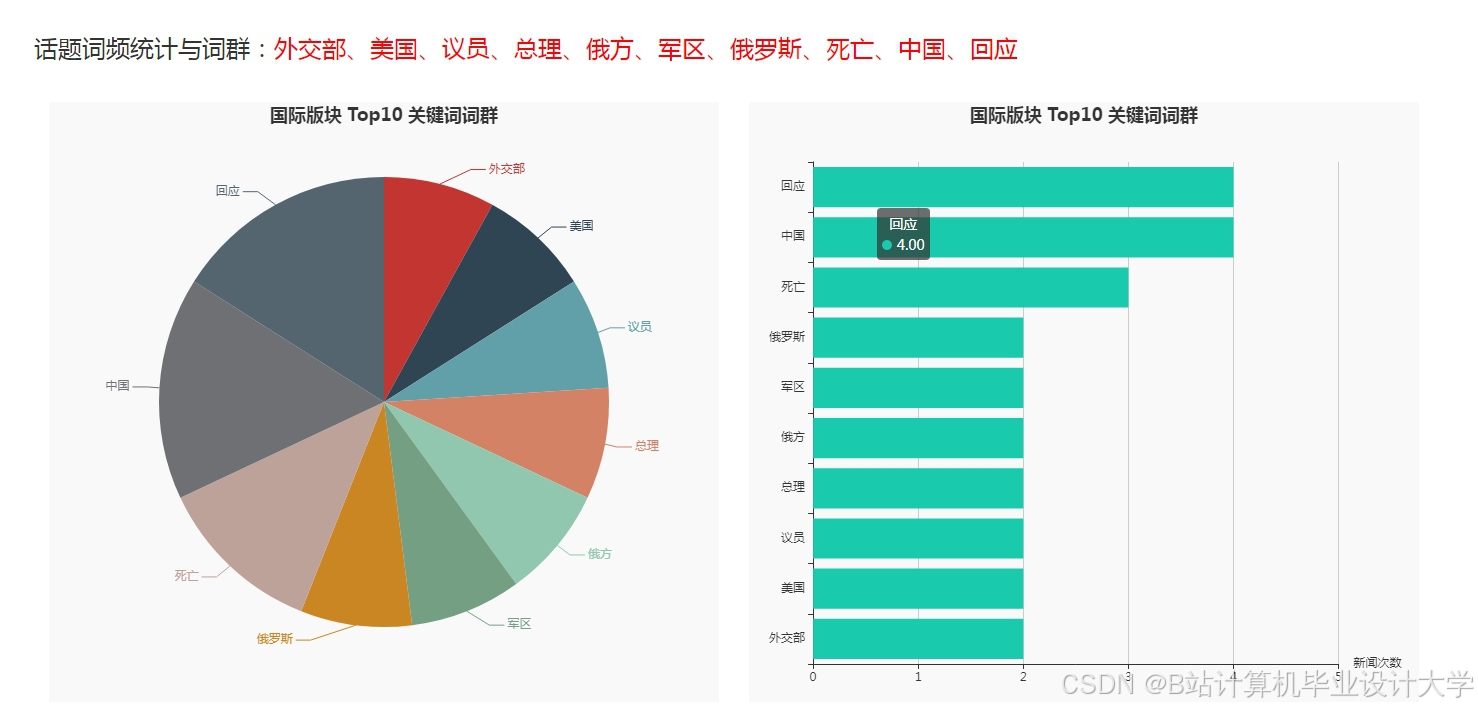
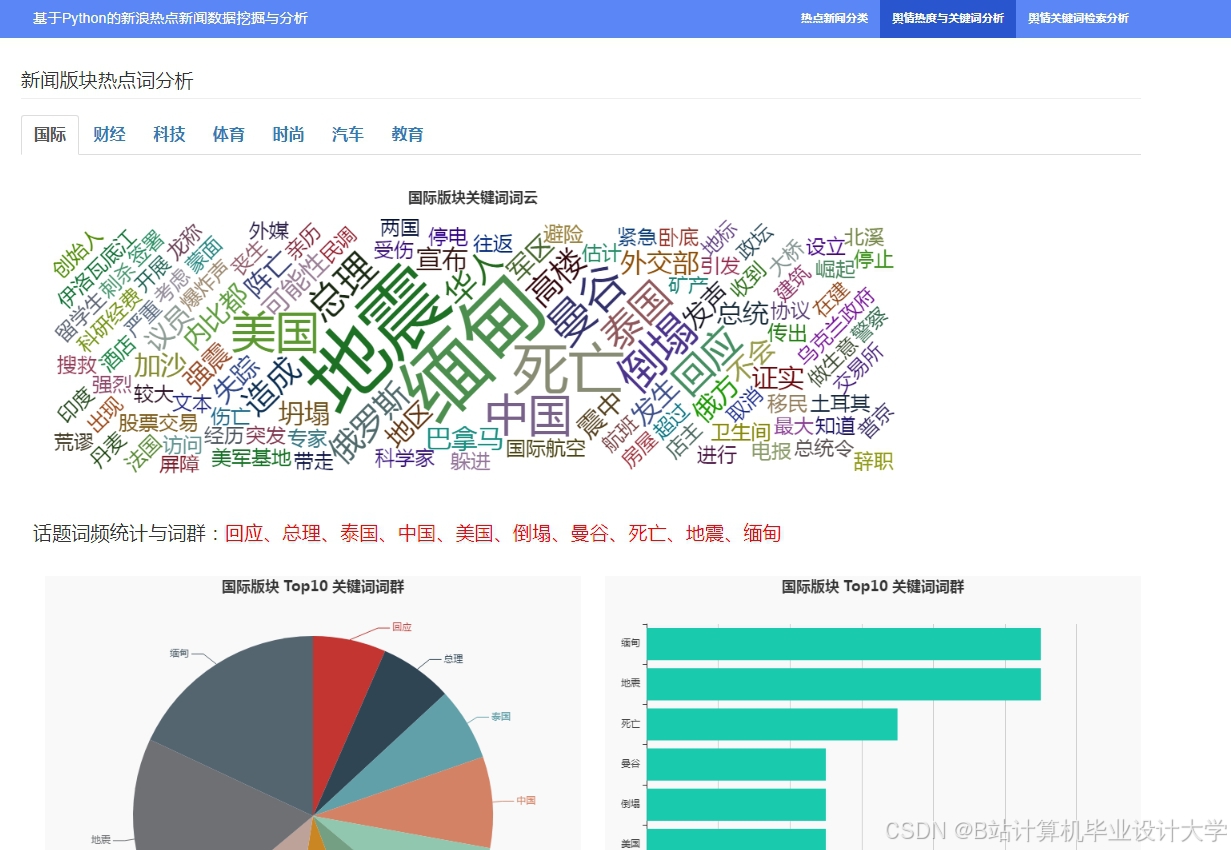
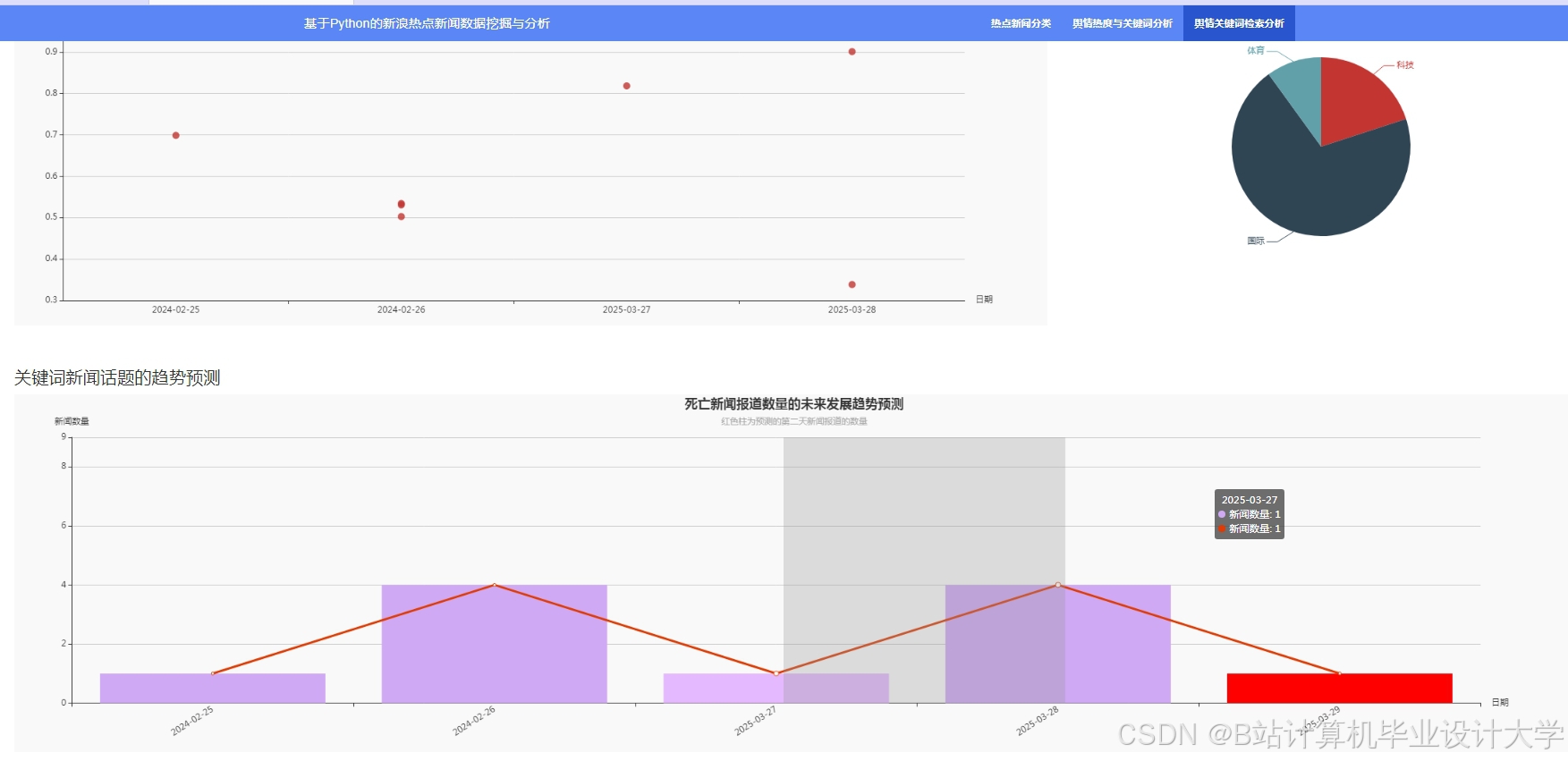
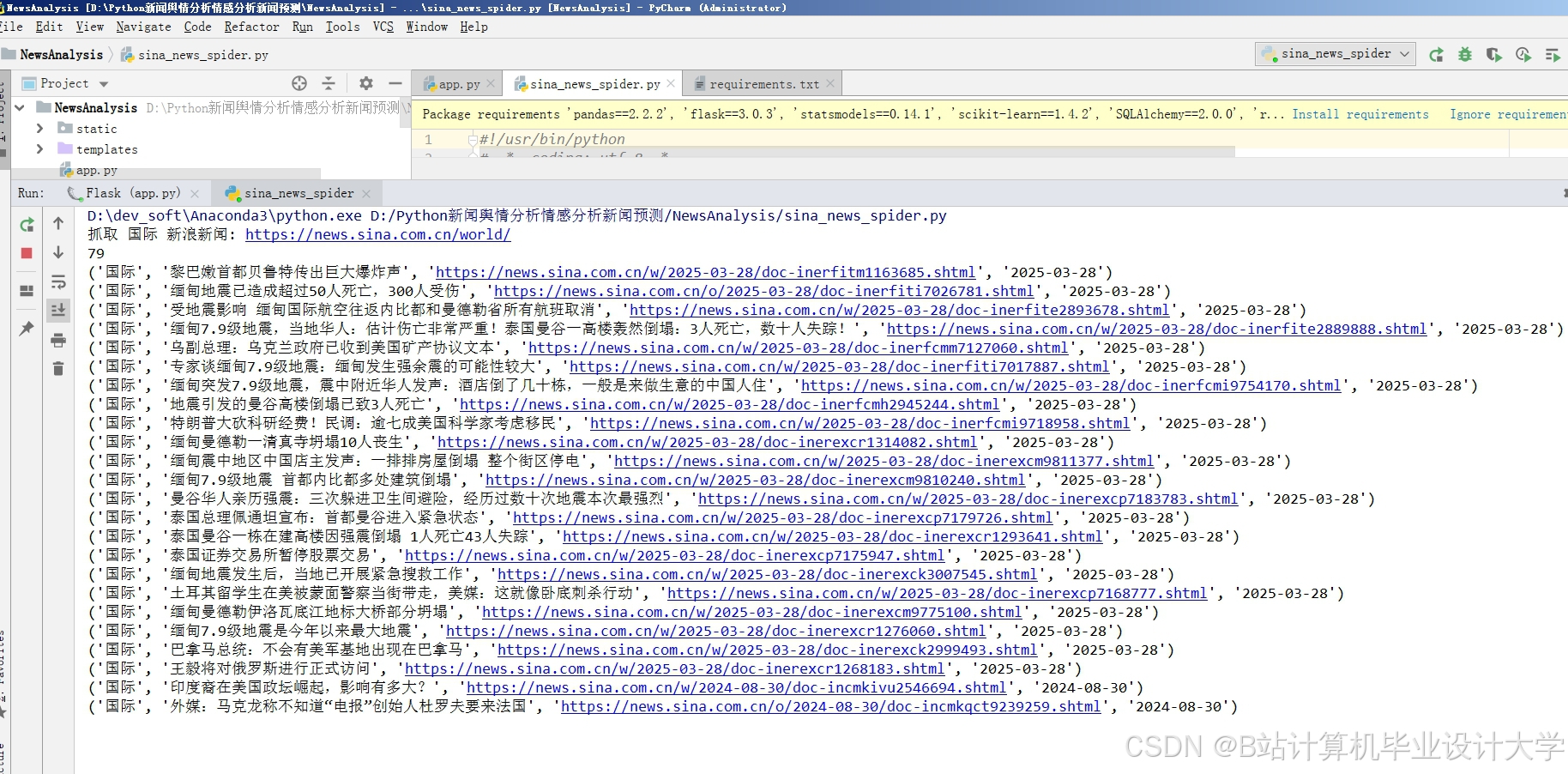
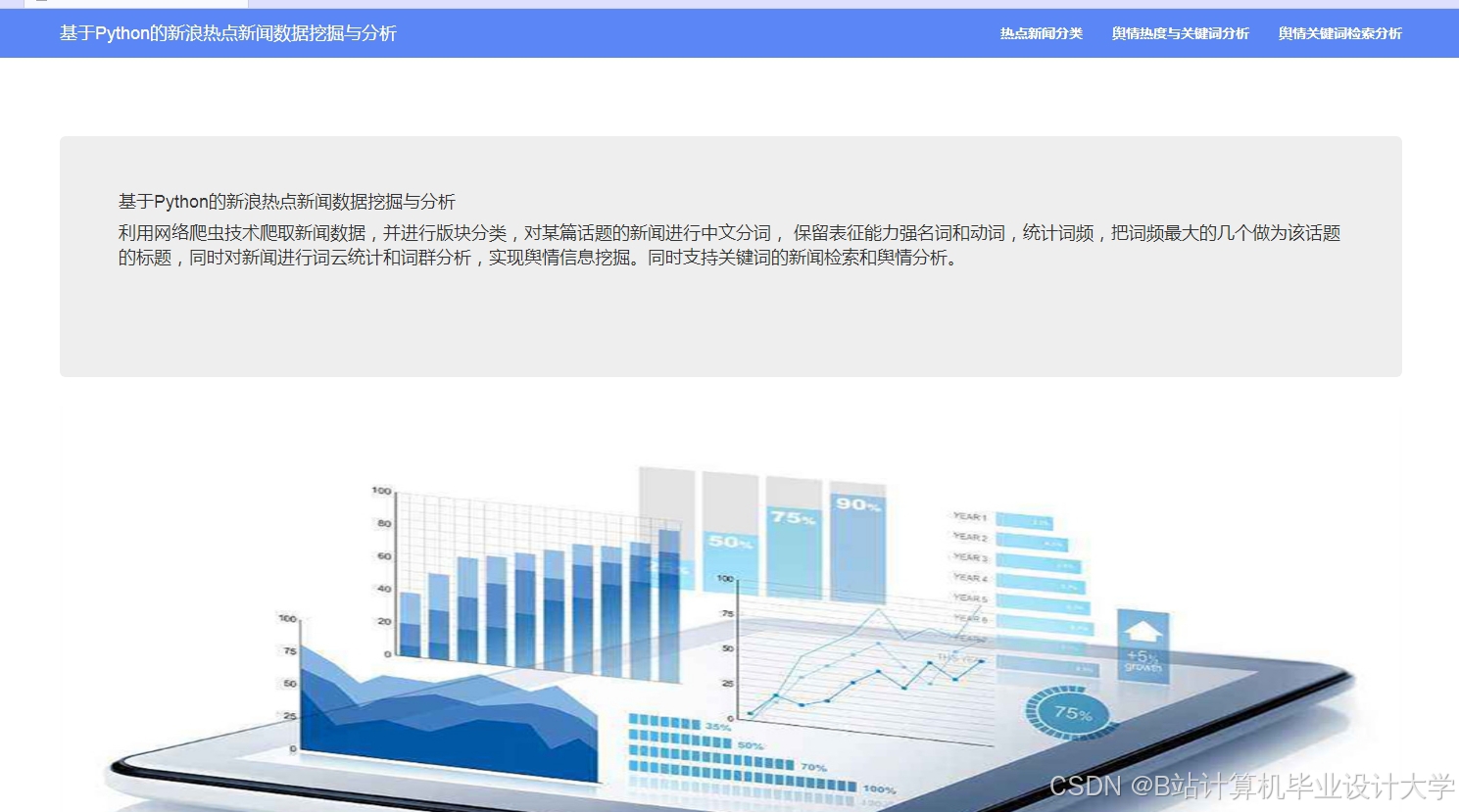
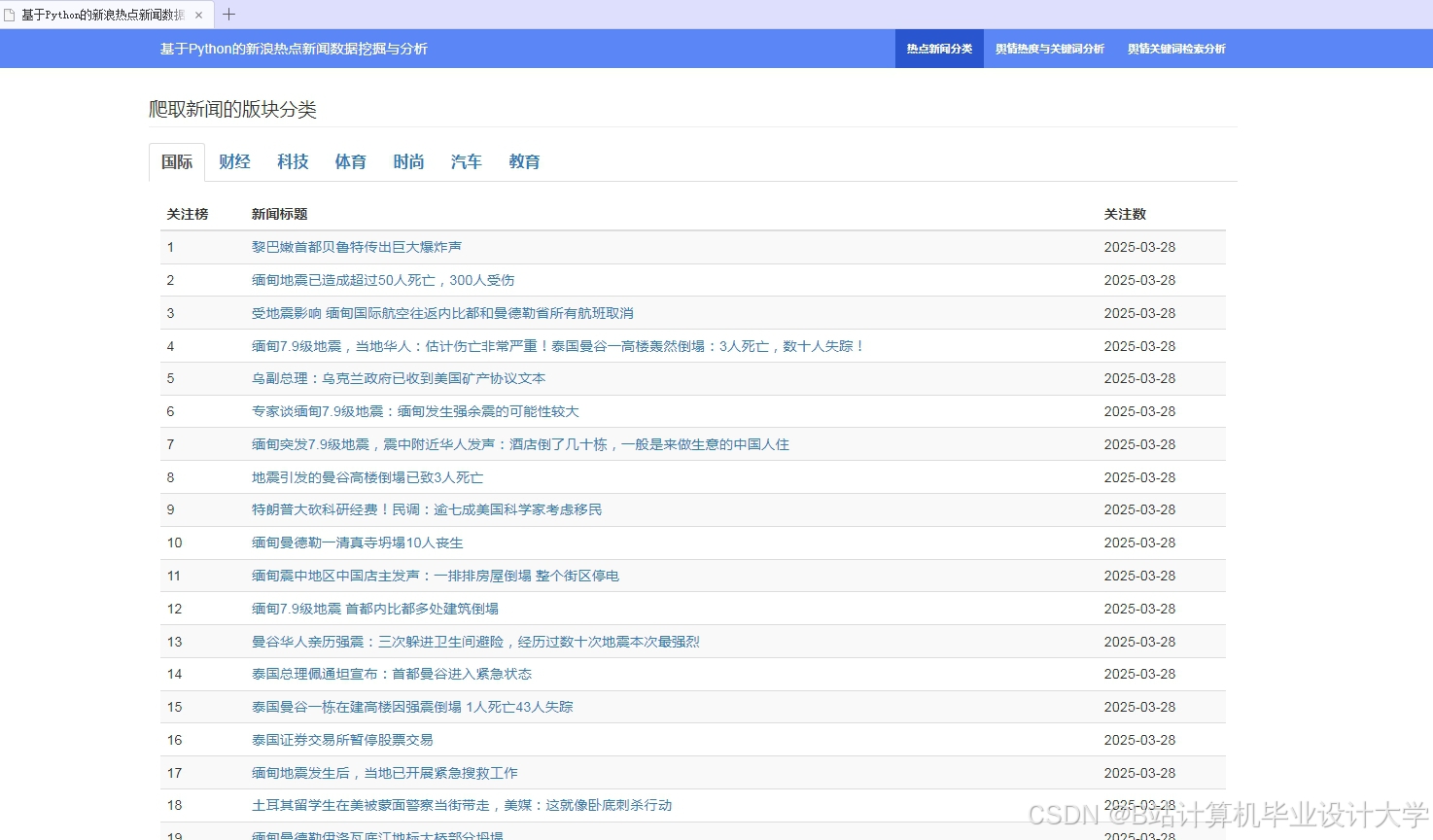
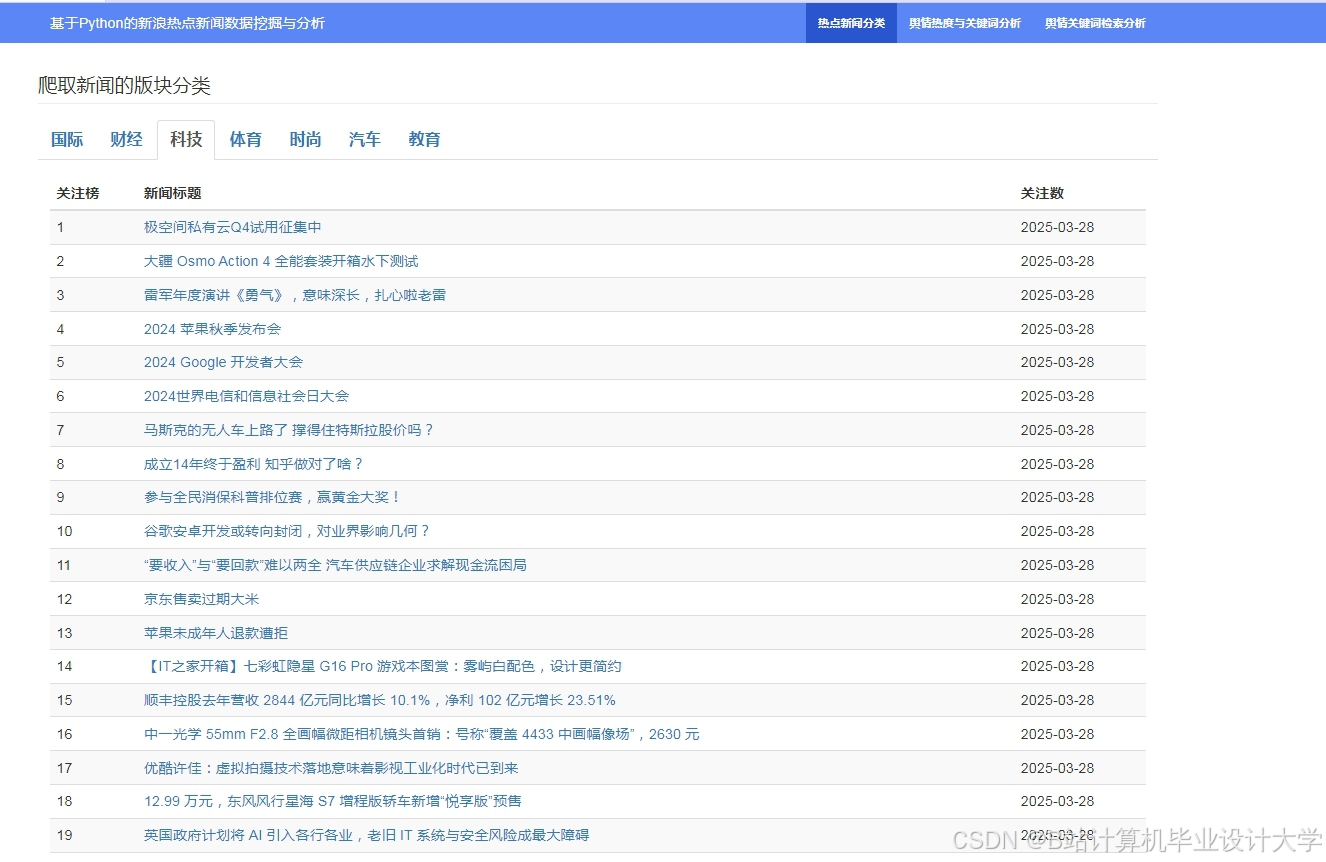
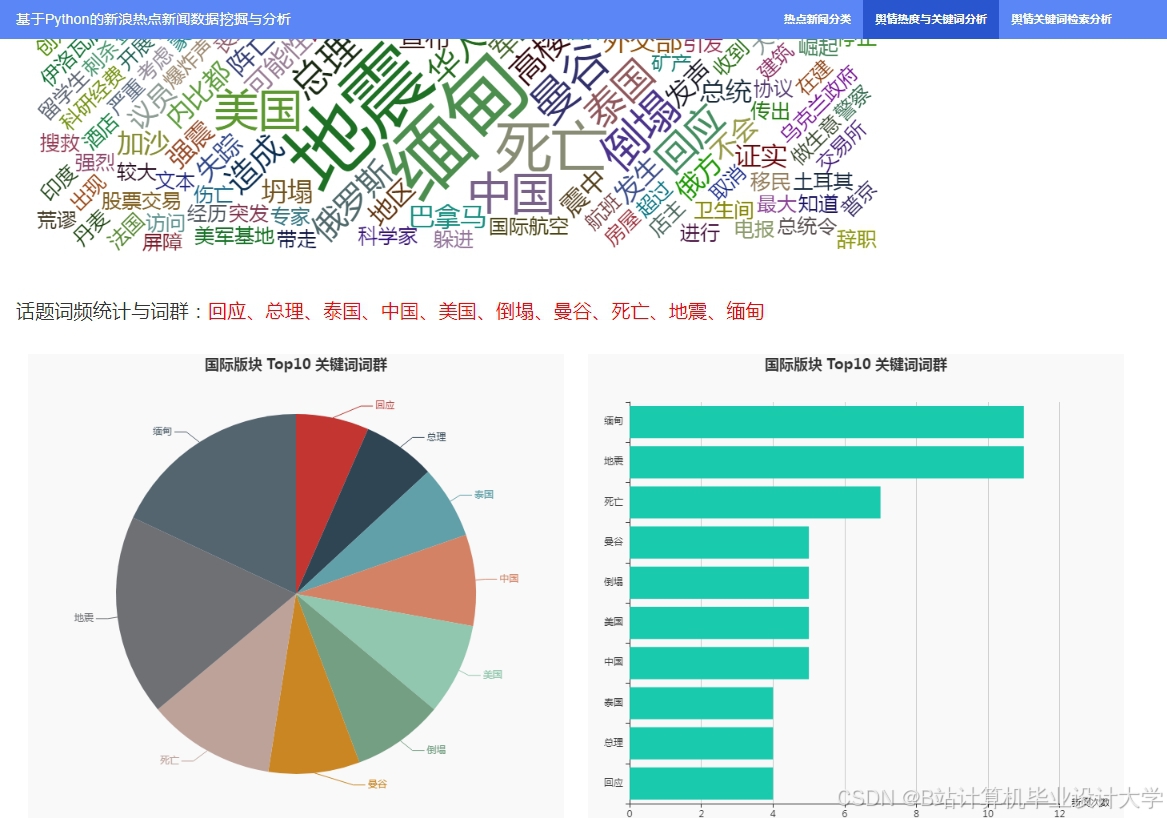
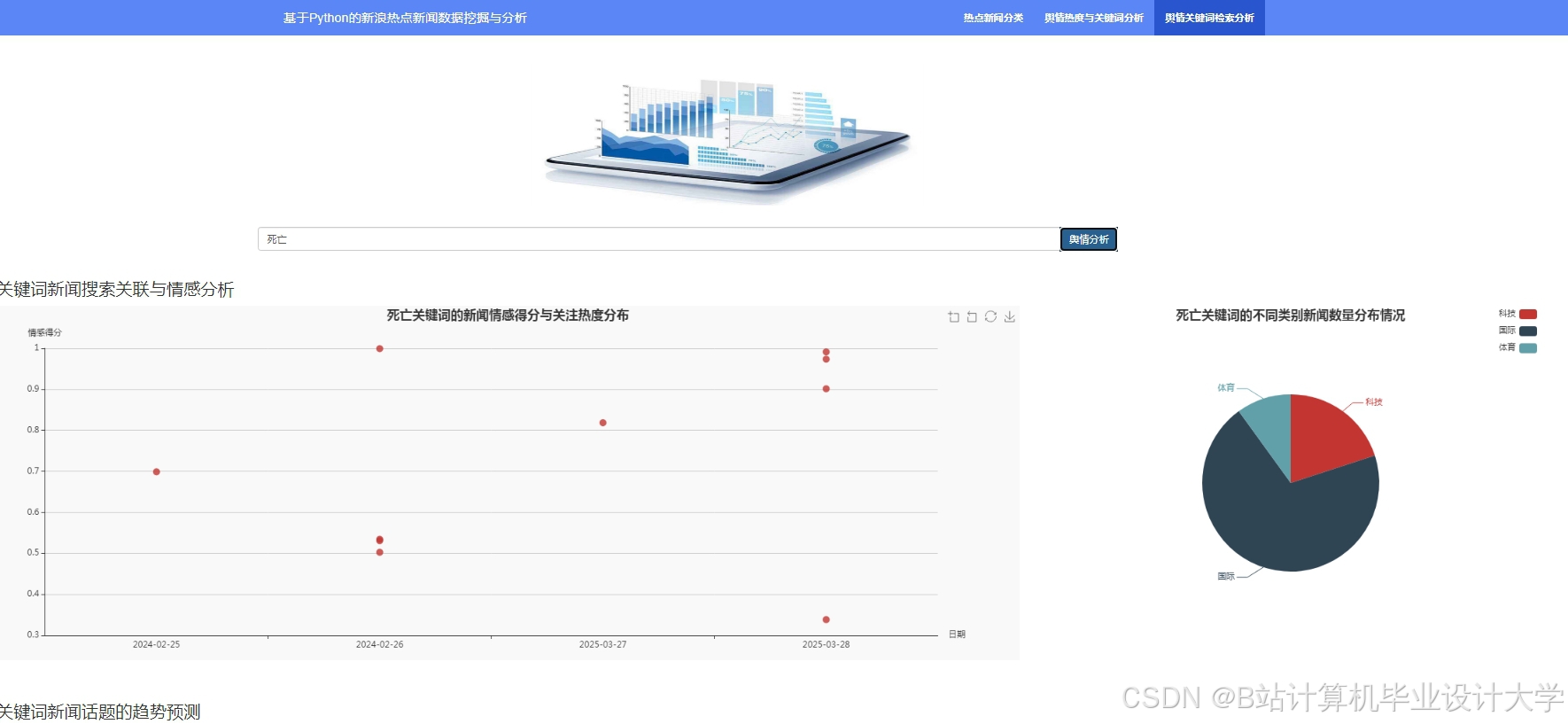
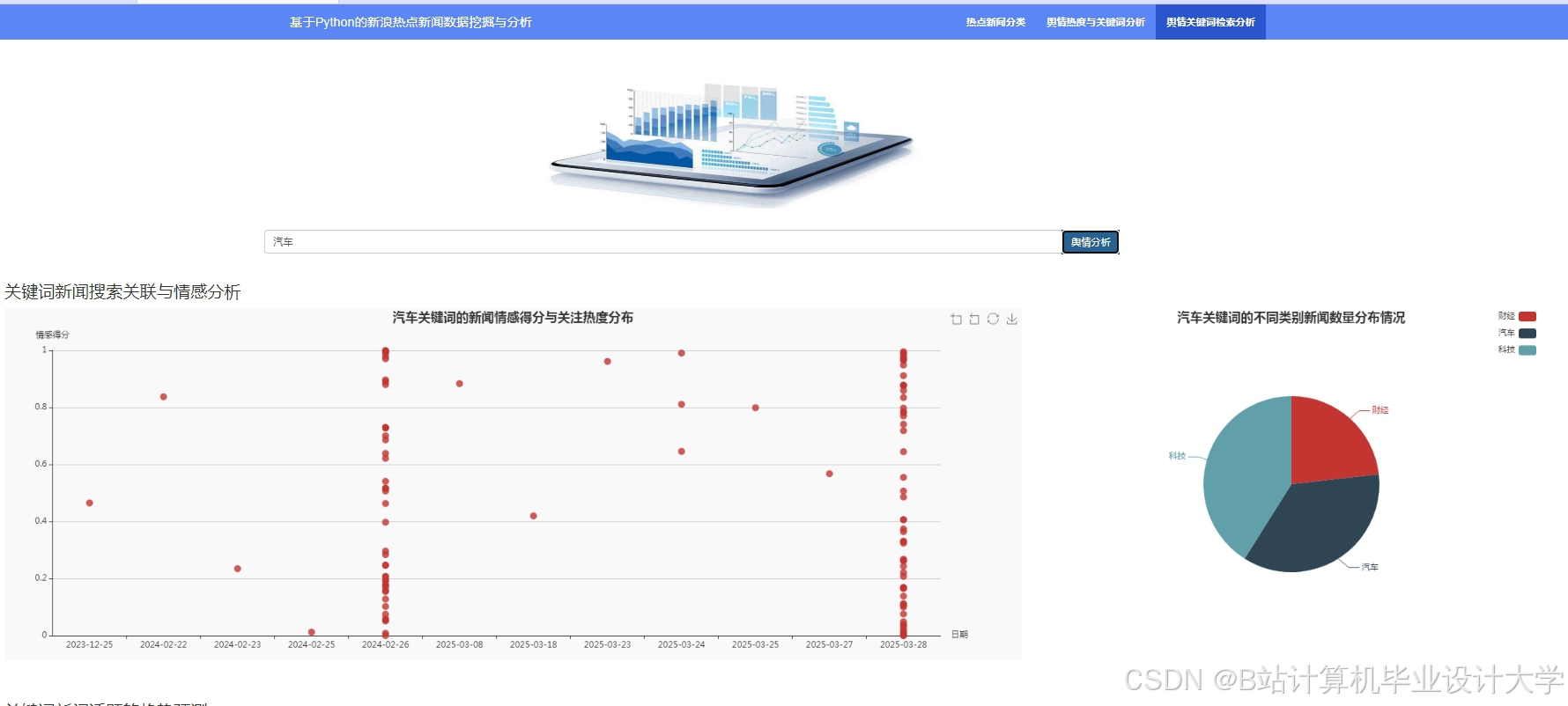
运行截图
推荐项目
上万套Java、Python、大数据、机器学习、深度学习等高级选题(源码+lw+部署文档+讲解等)
项目案例


优势
1-项目均为博主学习开发自研,适合新手入门和学习使用
2-所有源码均一手开发,不是模版!不容易跟班里人重复!

🍅✌感兴趣的可以先收藏起来,点赞关注不迷路,想学习更多项目可以查看主页,大家在毕设选题,项目代码以及论文编写等相关问题都可以给我留言咨询,希望可以帮助同学们顺利毕业!🍅✌
源码获取方式
🍅由于篇幅限制,获取完整文章或源码、代做项目的,拉到文章底部即可看到个人联系方式。🍅
点赞、收藏、关注,不迷路,下方查看👇🏻获取联系方式👇🏻





 扫一扫
扫一扫


 1133
1133

 被折叠的 条评论
为什么被折叠?
被折叠的 条评论
为什么被折叠?
 到【灌水乐园】发言





