
### 题目重述
利用消息队列实现一个简单的客户端/服务器应用:多个客户端进程可并发地向服务器进程发送消息,服务器收到后向每个客户端发送回执。例如,客户端(PID=1234)发送 `"hello"`,服务器回执 `"receipt of<hello> to Process 1234"`。
要求编写服务器和客户端程序,使用消息队列进行通信。
---
### 给出答案(答案为带注释的代码块)
#### 服务端程序:`server.c`
```c
#include <stdio.h>
#include <stdlib.h>
#include <sys/msg.h>
#include <string.h>
#include <unistd.h>
#define SERVER_KEY 1000
#define MAX_MSG_SIZE 128
// 消息结构体
struct msg_buffer {
long mtype; // 消息类型
long client_pid; // 客户端 PID
char text[MAX_MSG_SIZE]; // 消息正文
};
int main() {
key_t key = SERVER_KEY;
int msgid = msgget(key, 0666 | IPC_CREAT);
if (msgid == -1) {
perror("msgget failed");
exit(1);
}
printf("Server started, waiting for messages...\n");
struct msg_buffer msg;
while (1) {
// 接收任意类型为1的消息(来自客户端)
if (msgrcv(msgid, &msg, sizeof(long) + MAX_MSG_SIZE, 1, 0) == -1) {
perror("msgrcv failed");
break;
}
printf("Server received from PID %ld: %s\n", msg.client_pid, msg.text);
// 构造回执消息
char receipt[128];
snprintf(receipt, sizeof(receipt), "receipt of<%s> to Process %ld",
msg.text, msg.client_pid);
// 根据客户端 PID 查找其专属消息队列
int client_msgid = msgget((key_t)(msg.client_pid % 65535), 0666);
if (client_msgid != -1) {
struct msg_buffer reply;
reply.mtype = 1; // 回复类型
strncpy(reply.text, receipt, MAX_MSG_SIZE);
msgsnd(client_msgid, &reply, strlen(reply.text) + 1, 0);
} else {
printf("No reply queue for PID %ld\n", msg.client_pid);
}
}
// 清理消息队列
msgctl(msgid, IPC_RMID, NULL);
return 0;
}
```
---
#### 客户端程序:`client.c`
```c
#include <stdio.h>
#include <stdlib.h>
#include <sys/msg.h>
#include <string.h>
#include <unistd.h>
#define SERVER_KEY 1000
#define MAX_MSG_SIZE 128
// 消息结构体
struct msg_buffer {
long mtype;
long client_pid;
char text[MAX_MSG_SIZE];
};
int main() {
// 创建自己的消息队列(基于 PID)
key_t client_key = getpid() % 65535;
int client_msgid = msgget(client_key, 0666 | IPC_CREAT);
if (client_msgid == -1) {
perror("msgget (client)");
exit(1);
}
// 连接服务器消息队列
int server_msgid = msgget(SERVER_KEY, 0666);
if (server_msgid == -1) {
perror("msgget (server)");
exit(1);
}
struct msg_buffer msg;
msg.mtype = 1; // 类型固定为1
msg.client_pid = getpid(); // 记录自身 PID
strcpy(msg.text, "hello"); // 发送内容
// 发送到服务器
if (msgsnd(server_msgid, &msg, sizeof(long) + MAX_MSG_SIZE, 0) == -1) {
perror("msgsnd");
exit(1);
}
printf("Client %ld sent: hello\n", msg.client_pid);
// 接收回执
struct msg_buffer reply;
if (msgrcv(client_msgid, &reply, MAX_MSG_SIZE, 1, 0) == -1) {
perror("msgrcv (reply)");
exit(1);
}
printf("Client received: %s\n", reply.text);
// 删除自己的消息队列
msgctl(client_msgid, IPC_RMID, NULL);
return 0;
}
```
---
### 代码解析
1. **服务器逻辑**:创建一个全局消息队列(`SERVER_KEY`),持续监听类型为1的消息。提取客户端PID和消息内容,生成回执,并通过客户端独立的消息队列返回响应。
2. **客户端逻辑**:基于自身PID创建私有消息队列用于接收回执;向服务器公共队列发送包含自身PID和消息内容的数据包;随后等待并打印回执。
3. **通信机制**:使用 `msgget` 按键获取队列ID,`msgsnd` 发送消息,`msgrcv` 接收指定类型消息,`msgctl` 控制资源释放。
4. **多客户端支持**:每个客户端使用其PID模值得到唯一键建立独立接收通道,确保服务器能准确路由回执。
---
### 知识点(列出该代码中遇到的知识点)
- **消息队列(Message Queue)**:内核级进程间通信机制,支持多进程异步收发结构化消息,通过键值定位队列。
- **消息类型(mtype)**:用于过滤接收特定类型消息,实现多路复用或优先级调度。
- **IPC资源标识**:`msgget` 使用 `ftok` 或显式键生成唯一ID,不同进程可通过相同键访问同一资源。


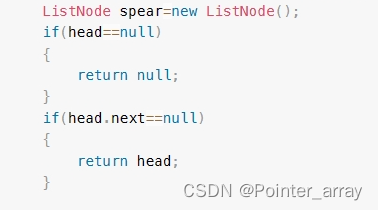
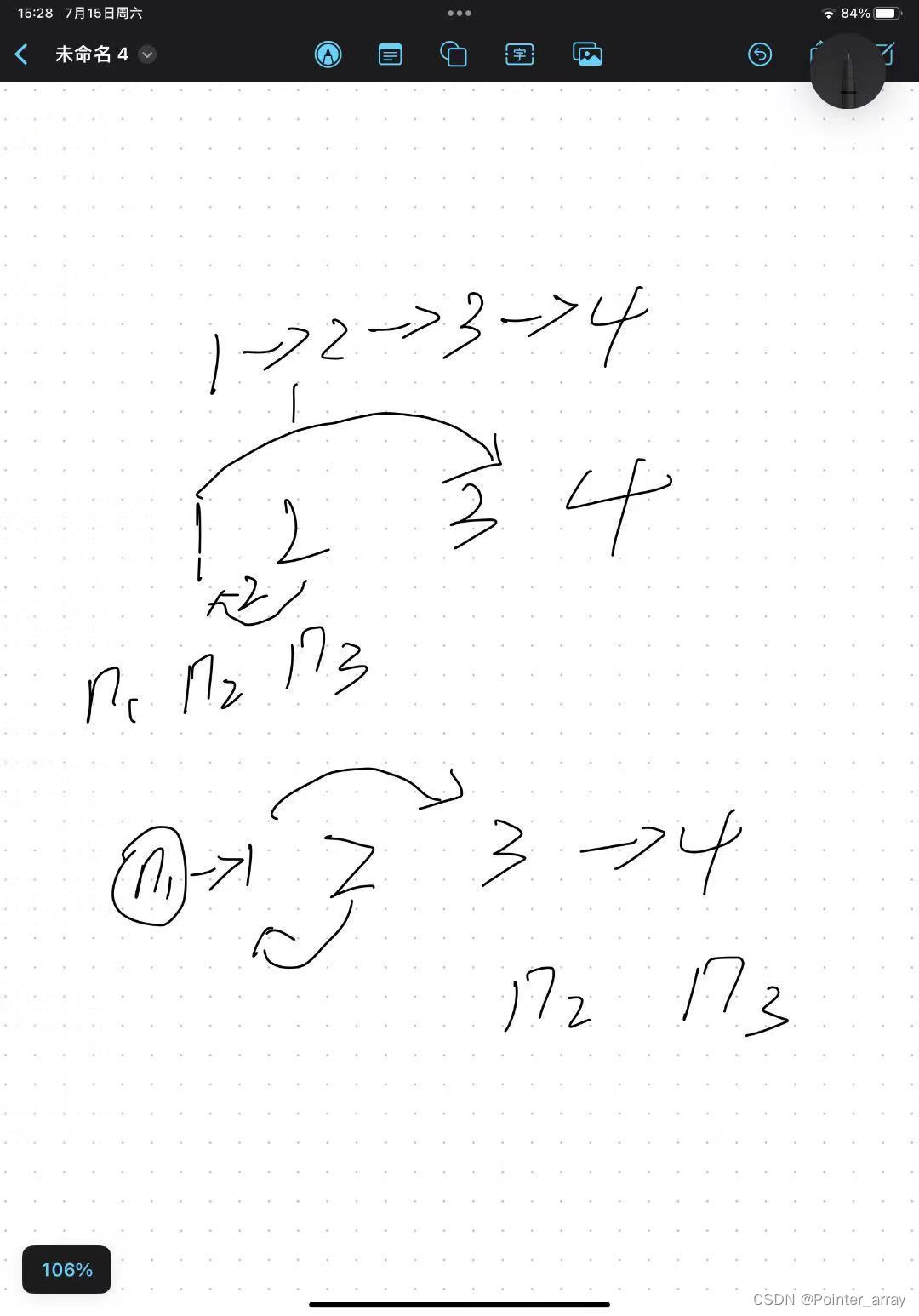
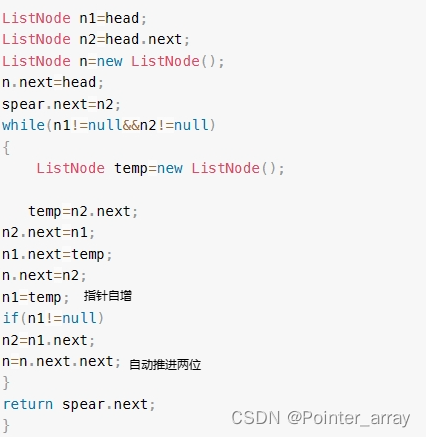
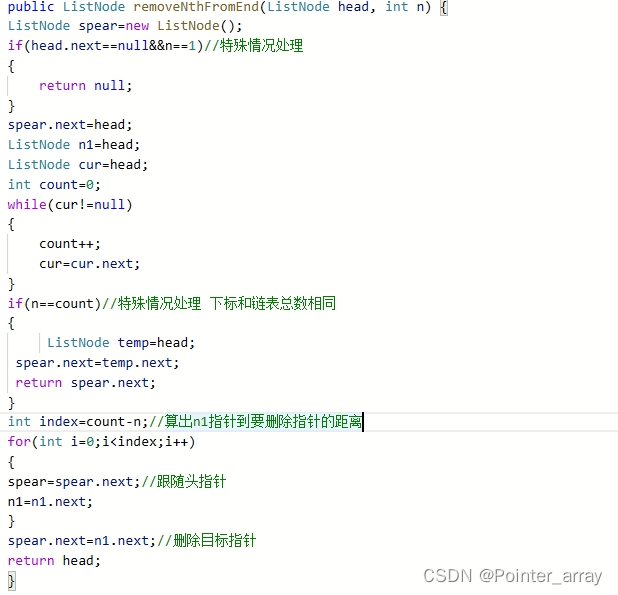
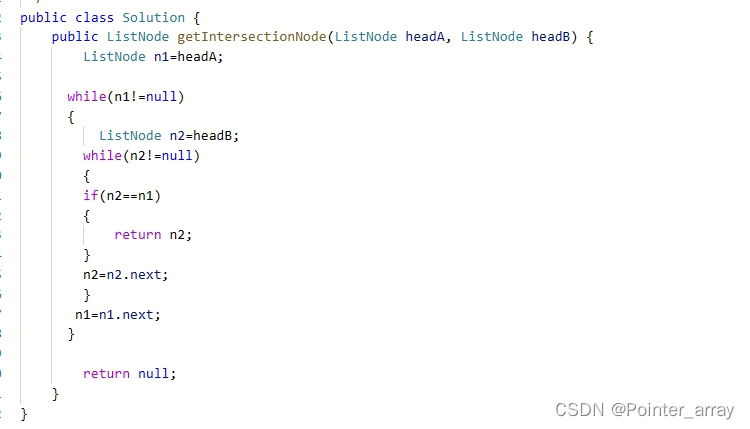
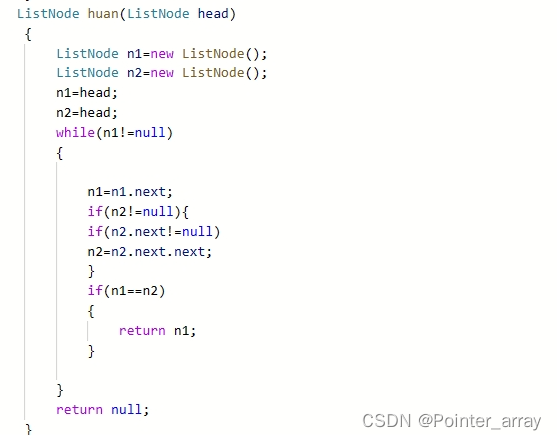
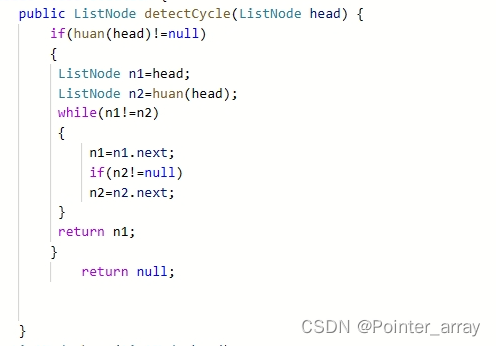
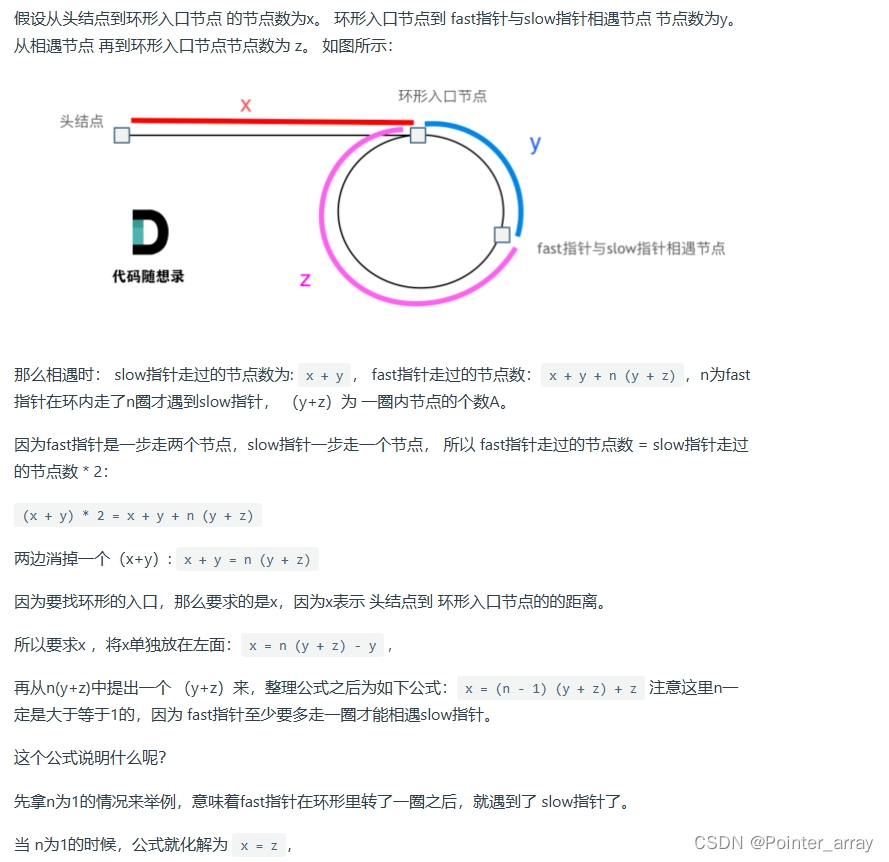
 本文探讨了LeetCode中的链表问题,包括两两交换链表节点的指针处理,删除链表倒数第N个节点的策略,以及如何判断和找到环形链表的入口。关键在于理解和管理好指针,避免空指针异常。






 扫一扫
扫一扫


 1061
1061

 被折叠的 条评论
为什么被折叠?
被折叠的 条评论
为什么被折叠?
 到【灌水乐园】发言





