攻防世界-RE-csaw2013reversing2

本文详细讲述了在无壳程序中,通过IDA进行静态分析,发现程序的调试检测机制,然后利用动态调试技术,逐步破解跳转逻辑,最终使用QQ截图工具获取flag的过程。核心内容包括:静态分析、IsDebuggerPresent检测、动态调试步骤和getflag技巧。

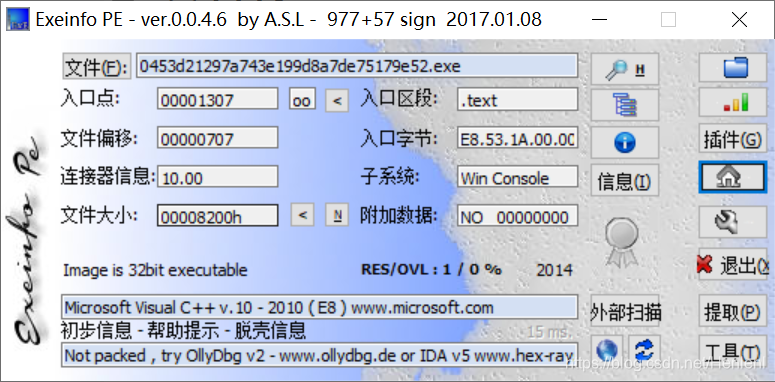
查看文件信息

无壳
在这里插入图片描述

IDA 静态分析

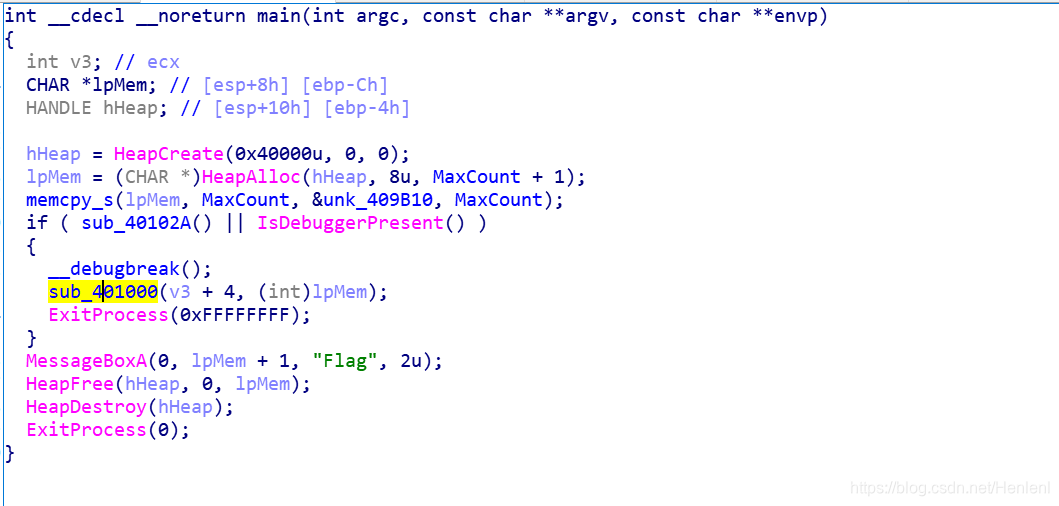
来到 main()函数处
在这里插入图片描述
我们可以看到 程序有个if 判断 进入sub_40102A()函数 发现没什么 IsDebuggerPresent()函数猜测应该是判断程序是否进入调试阶段

_debugbreak()   //在代码中引起断点 提示用户运行调试程序

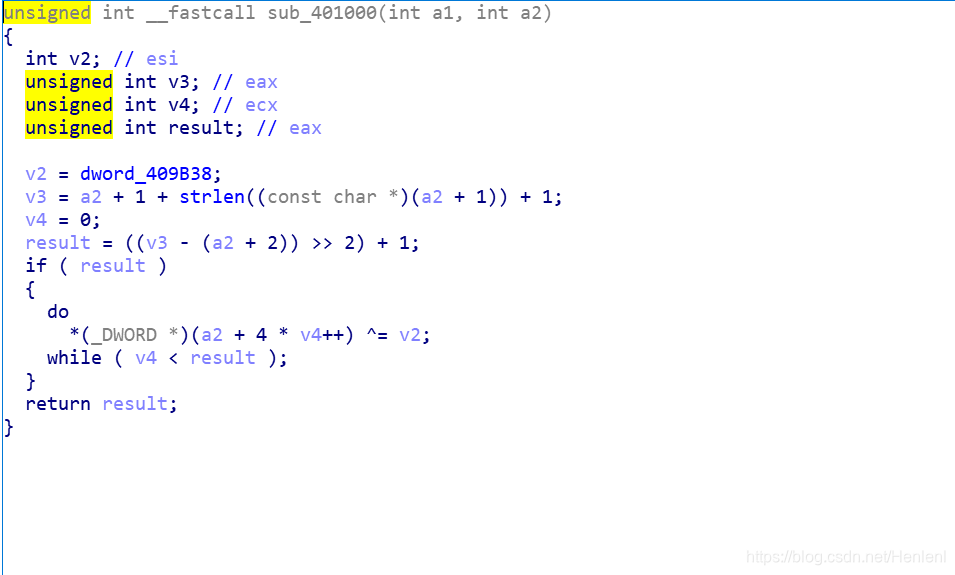
我们进入 sub_40100()函数
在这里插入图片描述
他返回result 明显是加密后的flag 但是 他应该没有调用

那么我们就可以用OD动调就可以

动态调试

首先 我们需要先找到 弹窗跳转的指令
F8单步

### CTF Reversing x64 ELF 100 Challenge Solution and Hints For the reversing challenge involving an x64 ELF file, understanding how to interpret hexadecimal strings as ASCII characters is crucial. When faced with a string that appears nonsensical at first glance but contains digits from `0` through `F`, it suggests dealing with hexadecimal encoding. Converting such hex values into their corresponding ASCII representations can reveal hidden messages or flags required by challenges. In this specific case, converting each pair of hexadecimal digits (like `66`) into decimal yields ASCII codes which translate directly into readable text characters; for instance, `66` becomes `102` in decimal, representing 'f' according to the ASCII standard[^1]. Following similar conversions (`6c` -> `110` -> 'n'), one might deduce part of the flag format expected within these types of puzzles—often enclosed between curly braces following "flag". Regarding handling ELF files specifically, knowledge about the structure including headers like `ELF64_Ehdr` and sections described via structures such as `ELF64_Shdr` proves beneficial when attempting reverse engineering tasks on binaries formatted under the Executable and Linkable Format specification used primarily across Unix-like systems[^2]. To tackle this particular level effectively: - Examine any provided binary using tools designed for analyzing ELF executables. - Look out for embedded strings or data segments containing potential clues encoded similarly to what was discussed earlier regarding hexadecimal-to-text conversion. - Utilize debugging utilities alongside disassemblers to trace execution flow while paying attention to operations manipulating input/output streams where flags could be checked against user-supplied answers during runtime. ```bash # Example command line tool usage for inspecting ELF binaries readelf -h your_binary_file # Display the ELF header information strings your_binary_file # Extract printable character sequences possibly hinting towards solutions ``` --related questions-- 1. What are common methods employed in decoding obfuscated texts found inside executable programs? 2. How does one approach decompiling or disassembling different architectures beyond just x86_64? 3. Can you explain more about the significance of various fields present within the ELF header concerning program loading and linking processes?
评论
成就一亿技术人!
拼手气红包6.0元
还能输入1000个字符
 
红包 添加红包
表情包 插入表情
 条评论被折叠 查看
添加红包

请填写红包祝福语或标题

红包个数最小为10个

红包金额最低5元

当前余额3.43前往充值 >
需支付:10.00
成就一亿技术人!
领取后你会自动成为博主和红包主的粉丝 规则
hope_wisdom
发出的红包
实付
使用余额支付
点击重新获取
扫码支付
钱包余额 0

抵扣说明:

1.余额是钱包充值的虚拟货币,按照1:1的比例进行支付金额的抵扣。
2.余额无法直接购买下载,可以购买VIP、付费专栏及课程。

余额充值