



 本文深入解析strncpy和strncat两个C语言字符串处理函数。strncpy用于安全地复制固定数量的字符,避免缓冲区溢出;strncat则用于连接字符串,同样限定字符数以增强安全性。文章通过实例说明如何使用这两个函数,并强调了在编程实践中考虑边界条件的重要性。
strncpy
char * strncpy ( char * destination, const char * source, size_t num );
- Copies the first num characters of source to destination. If the end of the source C string (which is
signaled by a null-character) is found before num characters have been copied, destination is padded
with zeros until a total of num characters have been written to it. - 拷贝num个字符从源字符串到目标空间。
- 如果源字符串的长度小于num,则拷贝完源字符串之后,在目标的后边追加0,直到num个。
	char str1[10] = "hehe";
	char str2[100] = "sing dance rap baskertball";
	strncpy(str1, str2, 9);
	//9,做人留一线
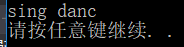
在一定程度上避免访问越界
strncat函数
char * strncat ( char * destination, const char * source, size_t num );
- Appends the first num characters of source to destination, plus a terminating null-character.
- If the length of the C string in source is less than num, only the content up to the terminating null character is copied.
从源字符串中num个字符拼接到目标字符串,当源字符串小于num,在目标后面追加0,直到num





 扫一扫
扫一扫


 3045
3045

 被折叠的 条评论
为什么被折叠?
被折叠的 条评论
为什么被折叠?
 到【灌水乐园】发言





