



 该文章描述了一个JavaWeb应用中修改用户密码的功能实现过程,涉及UserDao接口和实现类、业务层Service接口和实现、Servlet控制层以及数据库连接和操作。用户输入新密码后,通过Servlet处理请求,调用Service层更新密码,并反馈结果给前端。
当然先写基本逻辑,前端就是在测试后端的路上完善的
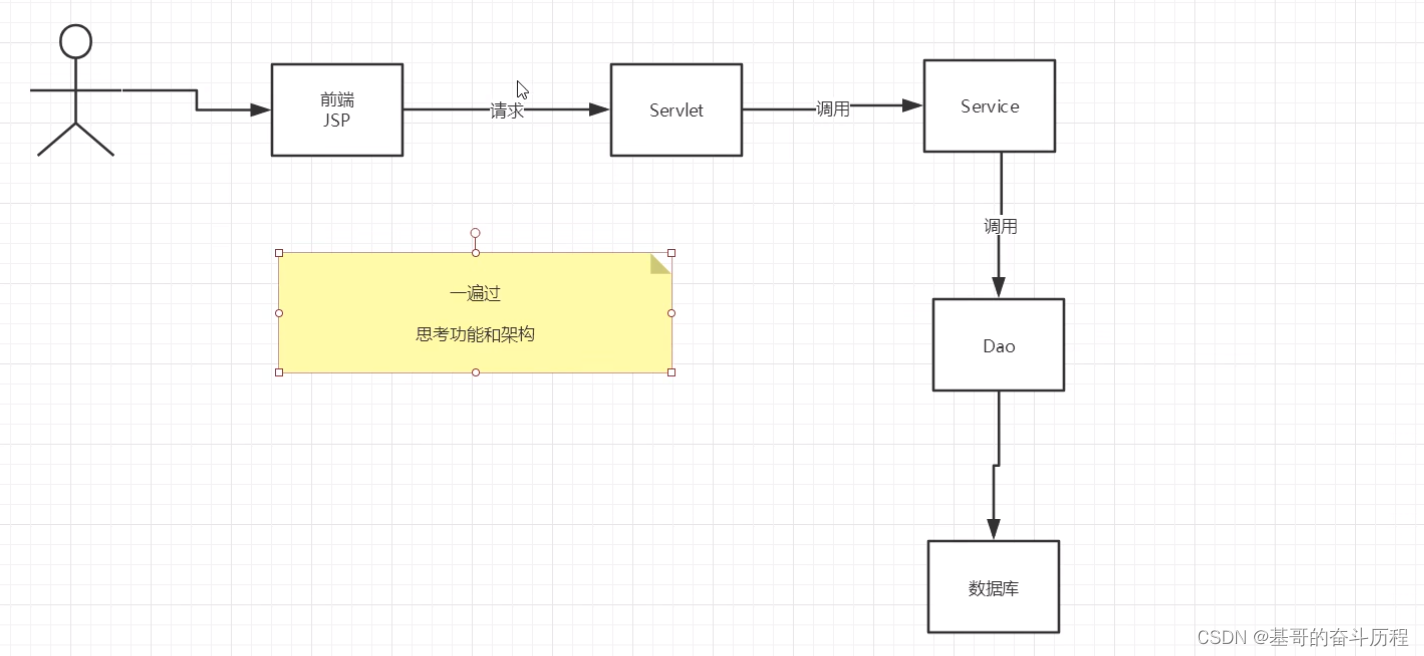

修改密码
1.写UserDao 接口
   //修改当前用户密码
    public int updatePwd(Connection connection,int id,String pwd) throws SQLException;
2.写UserDao实现类
@Override
    public int updatePwd(Connection connection, int id, String pwd) throws SQLException {
        PreparedStatement pstm=null;
        String sql="update smbms_user set userPassword = ? where id = ?";
        Object[] param={pwd,id};
        int i=0;
        if (connection!=null){
             i = BaseDao.execute(connection, pstm, sql, param);
            BaseDao.closeResource(null,pstm,null);

        }
        return i;


    }
3.业务层Service接口
 //根据用户ID修改当前用户密码  Connection在Service层创造,所以在实现类里创造Connection,并且在里面关闭
    public boolean updatePwd( int id, String pwd);
4.业务层Service实现类
 //根据所给ID修改用户的密码
    @Override
    public boolean updatePwd(int id, String pwd) {

        boolean flag =false;
        Connection connection = null;
        try {
           connection=BaseDao.getConnection();
            int i = userDao.updatePwd(connection, id, pwd);
            if (i>0){
                flag=true;
            }
        } catch (SQLException e) {
            e.printStackTrace();
        }finally {
            BaseDao.closeResource(connection,null,null);
        }

        return flag;

    }
5.Servlet控制层
package com.kuang.servlet.user;

import com.kuang.pojo.User;
import com.kuang.service.user.UserService;
import com.kuang.service.user.UserServiceIml;
import com.kuang.util.Constants;
import com.mysql.jdbc.StringUtils;

import javax.servlet.ServletException;
import javax.servlet.http.HttpServlet;
import javax.servlet.http.HttpServletRequest;
import javax.servlet.http.HttpServletResponse;
import java.io.IOException;

//实现Servlet复用
public class UserServlet extends HttpServlet {
    @Override
    protected void doGet(HttpServletRequest req, HttpServletResponse resp) throws ServletException, IOException {
        String method = req.getParameter("method");
        if (method!=null&&method.equals("savepwd")){
            this.updatePwd(req,resp);
        }
    }

    @Override
    protected void doPost(HttpServletRequest req, HttpServletResponse resp) throws ServletException, IOException {
        doGet(req, resp);
    }

    public void updatePwd(HttpServletRequest req, HttpServletResponse resp){
        //从Session里拿对象
        Object o = req.getSession().getAttribute(Constants.USER_SESSION);
        String newpassword = req.getParameter("newpassword");
        boolean flag=false;

        if (o!=null&& !StringUtils.isNullOrEmpty(newpassword)){
            UserService userService= new UserServiceIml();
            flag = userService.updatePwd(((User) o).getId(), newpassword);
            if (flag){
                req.setAttribute(Constants.USER_message,"修改成功,请用新的密码登录");
                req.getSession().removeAttribute(Constants.USER_SESSION);
            }else {
                req.setAttribute(Constants.USER_message,"修改失败");
            }


        }else {
            req.setAttribute(Constants.USER_message,"新密码有问题");
        }

        try {
            req.getRequestDispatcher("pwdmodify.jsp").forward(req,resp);
        } catch (ServletException e) {
            e.printStackTrace();
        } catch (IOException e) {
            e.printStackTrace();
        }


    }
}
注册文件
<!-- 修改密码   -->
    <servlet>
        <servlet-name>UserServlet</servlet-name>
        <servlet-class>com.kuang.servlet.user.UserServlet</servlet-class>
    </servlet>
    <servlet-mapping>
        <servlet-name>UserServlet</servlet-name>
        <url-pattern>/jsp/user.do</url-pattern>
    </servlet-mapping>





 扫一扫
扫一扫


 791
791

 被折叠的 条评论
为什么被折叠?
被折叠的 条评论
为什么被折叠?
 到【灌水乐园】发言





