



读者福利
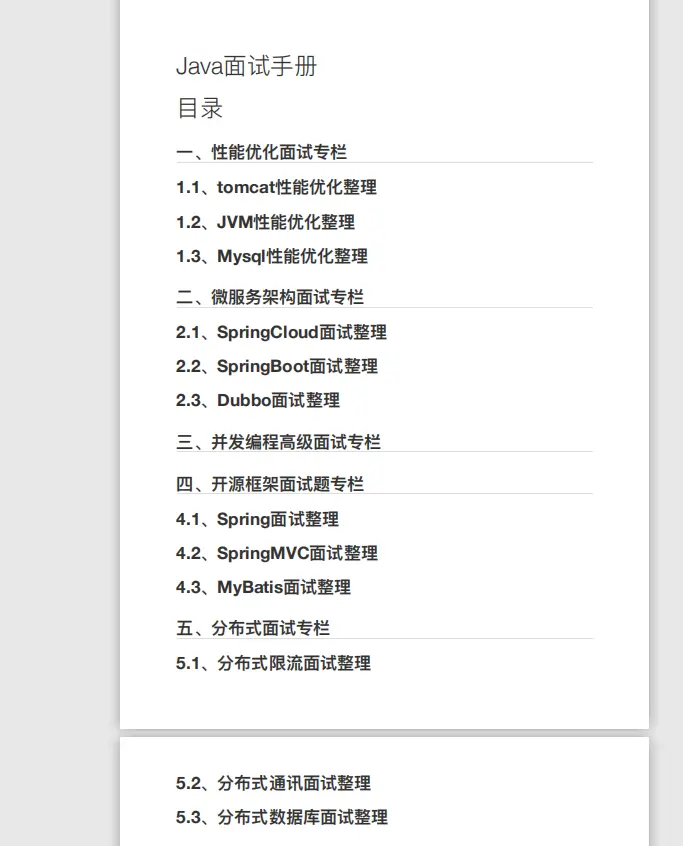
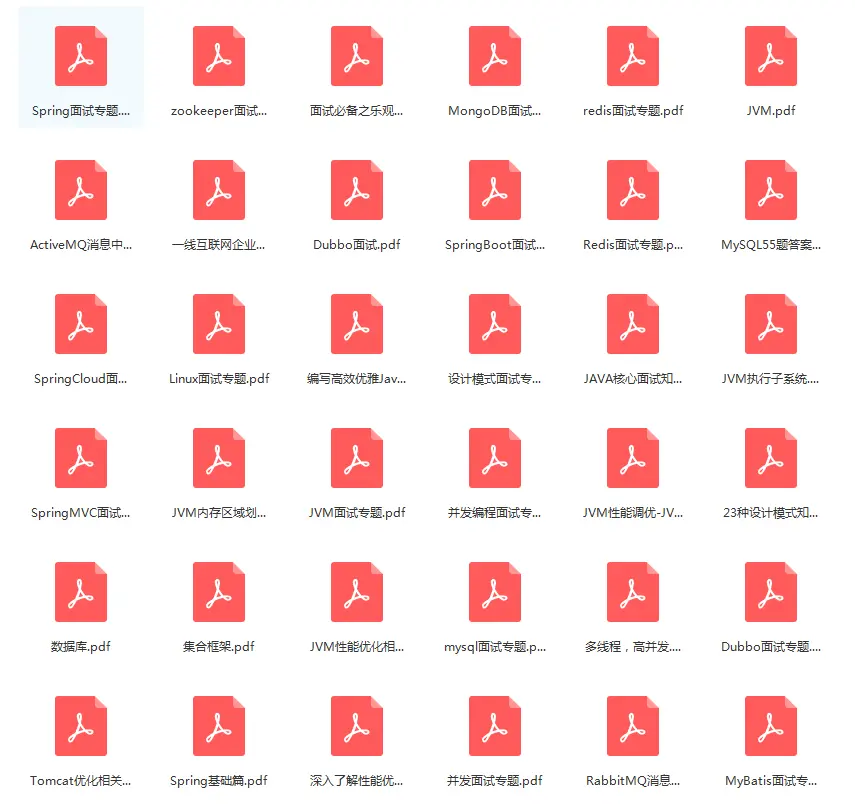
分享一份自己整理好的Java面试手册,还有一些面试题pdf
不要停下自己学习的脚步
2.1 AbstractHandlerMethodExceptionResolver
AbstractHandlerMethodExceptionResolver 主要是重写了 shouldApplyTo 方法和 doResolveException 方法,一个一个来看。
shouldApplyTo
@Override
protected boolean shouldApplyTo(HttpServletRequest request, @Nullable Object handler) {
if (handler == null) {
return super.shouldApplyTo(request, null);
}
else if (handler instanceof HandlerMethod) {
HandlerMethod handlerMethod = (HandlerMethod) handler;
handler = handlerMethod.getBean();
return super.shouldApplyTo(request, handler);
}
else if (hasGlobalExceptionHandlers() && hasHandlerMappings()) {
return super.shouldApplyTo(request, handler);
}
else {
return false;
}
}
这块感觉没啥好说的,判断逻辑基本上都还是调用父类的 shouldApplyTo 方法去处理。
doResolveException
@Override
@Nullable
protected final ModelAndView doResolveException(
HttpServletRequest request, HttpServletResponse response, @Nullable Object handler, Exception ex) {
HandlerMethod handlerMethod = (handler instanceof HandlerMethod ? (HandlerMethod) handler : null);
return doResolveHandlerMethodException(request, response, handlerMethod, ex);
}
@Nullable
protected abstract ModelAndView doResolveHandlerMethodException(
HttpServletRequest request, HttpServletResponse response, @Nullable HandlerMethod handlerMethod, Exception ex);
doResolveException 是具体的异常处理方法,但是它里边却没有实质性操作,具体的事情交给 doResolveHandlerMethodException 方法去做了,而该方法是一个抽象方法,具体的实现在子类中。
2.1.1 ExceptionHandlerExceptionResolver
AbstractHandlerMethodExceptionResolver 只有一个子类就是 ExceptionHandlerExceptionResolver,来看下它的 doResolveHandlerMethodException 方法:
@Override
@Nullable
protected ModelAndView doResolveHandlerMethodException(HttpServletRequest request,
HttpServletResponse response, @Nullable HandlerMethod handlerMethod, Exception exception) {
ServletInvocableHandlerMethod exceptionHandlerMethod = getExceptionHandlerMethod(handlerMethod, exception);
if (exceptionHandlerMethod == null) {
return null;
}
if (this.argumentResolvers != null) {
exceptionHandlerMethod.setHandlerMethodArgumentResolvers(this.argumentResolvers);
}
if (this.returnValueHandlers != null) {
exceptionHandlerMethod.setHandlerMethodReturnValueHandlers(this.returnValueHandlers);
}
ServletWebRequest webRequest = new ServletWebRequest(request, response);
ModelAndViewContainer mavContainer = new ModelAndViewContainer();
ArrayList exceptions = new ArrayList<>();
try {
if (logger.isDebugEnabled()) {
logger.debug("Using @ExceptionHandler " + exceptionHandlerMethod);
}
// Expose causes as provided arguments as well
Throwable exToExpose = exception;
while (exToExpose != null) {
exceptions.add(exToExpose);
Throwable cause = exToExpose.getCause();
exToExpose = (cause != exToExpose ? cause : null);
}
Object[] arguments = new Object[exceptions.size() + 1];
exceptions.toArray(arguments); // efficient arraycopy call in ArrayList
arguments[arguments.length - 1] = handlerMethod;
exceptionHandlerMethod.invokeAndHandle(webRequest, mavContainer, arguments);
}
catch (Throwable invocationEx) {
// Any other than the original exception (or a cause) is unintended here,
// probably an accident (e.g. failed assertion or the like).
if (!exceptions.contains(invocationEx) && logger.isWarnEnabled()) {
logger.warn("Failure in @ExceptionHandler " + exceptionHandlerMethod, invocationEx);
}
// Continue with default processing of the original exception…
return null;
}
if (mavContainer.isRequestHandled()) {
return new ModelAndView();
}
else {
ModelMap model = mavContainer.getModel();
HttpStatus status = mavContainer.getStatus();
ModelAndView mav = new ModelAndView(mavContainer.getViewName(), model, status);
mav.setViewName(mavContainer.getViewName());
if (!mavContainer.isViewReference()) {
mav.setView((View) mavContainer.getView());
}
if (model instanceof RedirectAttributes) {
Map<String, ?> flashAttributes = ((RedirectAttributes) model).getFlashAttributes();
RequestContextUtils.getOutputFlashMap(request).putAll(flashAttributes);
}
return mav;
}
}
这个方法虽然比较长,但是很好理解:
-
首先查找到带有
@ExceptionHandler注解的方法,封装成一个 ServletInvocableHandlerMethod 对象(关于 ServletInvocableHandlerMethod 对象,松哥在之前的文章中已经介绍过了,具体参见:Spring Boot 定义接口的方法是否可以声明为 private?)。 -
如果找到了对应的方法,则为 exceptionHandlerMethod 配置参数解析器、视图解析器等,关于这些解析器,参考松哥之前的文章:SpringBoot 中如何自定义参数解析器?、深入分析 SpringMVC 参数解析器、Spring Boot 中如何统一 API 接口响应格式?。
-
接下来定义一个 exceptions 数组,如果发生的异常存在异常链,则将整个异常链存入 exceptions 数组中。
-
exceptions 数组再加上 handlerMethod,共同组成方法参数,调用
exceptionHandlerMethod.invokeAndHandle完成自定义异常方法的执行,执行结果被保存再 mavContainer 中。 -
如果请求到此结束,则直接构造一个 ModelAndView 返回。
-
否则从 mavContainer 中取出各项信息,构建新的 ModelAndView 返回。同时,如果存在重定向参数,也将之保存下来(关于重定向参数,参见:SpringMVC 中的参数还能这么传递?涨姿势了!)。
这就是 ExceptionHandlerExceptionResolver 的大致工作流程,可以看到,还是非常 easy 的。
2.2 DefaultHandlerExceptionResolver
这个看名字就知道是一个默认的异常处理器,用来处理一些常见的异常类型,我们来看一下它的 doResolveException 方法:
@Override
@Nullable
protected ModelAndView doResolveException(
HttpServletRequest request, HttpServletResponse response, @Nullable Object handler, Exception ex) {
try {
if (ex instanceof HttpRequestMethodNotSupportedException) {
return handleHttpRequestMethodNotSupported(
(HttpRequestMethodNotSupportedException) ex, request, response, handler);
}
else if (ex instanceof HttpMediaTypeNotSupportedException) {
return handleHttpMediaTypeNotSupported(
(HttpMediaTypeNotSupportedException) ex, request, response, handler);
}
else if (ex instanceof HttpMediaTypeNotAcceptableException) {
return handleHttpMediaTypeNotAcceptable(
(HttpMediaTypeNotAcceptableException) ex, request, response, handler);
}
else if (ex instanceof MissingPathVariableException) {
return handleMissingPathVariable(
(MissingPathVariableException) ex, request, response, handler);
}
else if (ex instanceof MissingServletRequestParameterException) {
return handleMissingServletRequestParameter(
(MissingServletRequestParameterException) ex, request, response, handler);
}
else if (ex instanceof ServletRequestBindingException) {
return handleServletRequestBindingException(
(ServletRequestBindingException) ex, request, response, handler);
}
else if (ex instanceof ConversionNotSupportedException) {
return handleConversionNotSupported(
(ConversionNotSupportedException) ex, request, response, handler);
}
else if (ex instanceof TypeMismatchException) {
return handleTypeMismatch(
(TypeMismatchException) ex, request, response, handler);
}
else if (ex instanceof HttpMessageNotReadableException) {
return handleHttpMessageNotReadable(
(HttpMessageNotReadableException) ex, request, response, handler);
}
else if (ex instanceof HttpMessageNotWritableException) {
return handleHttpMessageNotWritable(
(HttpMessageNotWritableException) ex, request, response, handler);
}
else if (ex instanceof MethodArgumentNotValidException) {
return handleMethodArgumentNotValidException(
(MethodArgumentNotValidException) ex, request, response, handler);
}
else if (ex instanceof MissingServletRequestPartException) {
return handleMissingServletRequestPartException(
(MissingServletRequestPartException) ex, request, response, handler);
}
else if (ex instanceof BindException) {
return handleBindException((BindException) ex, request, response, handler);
}
else if (ex instanceof NoHandlerFoundException) {
return handleNoHandlerFoundException(
(NoHandlerFoundException) ex, request, response, handler);
}
else if (ex instanceof AsyncRequestTimeoutException) {
return handleAsyncRequestTimeoutException(
(AsyncRequestTimeoutException) ex, request, response, handler);
}
}
catch (Exception handlerEx) {
}
return null;
}
可以看到,这里实际上就是根据不同的异常类型,然后调用不同的类去处理该异常。这里相关的处理都比较容易,以 HttpRequestMethodNotSupportedException 为例,异常处理就是对 response 对象做一些配置,如下:
protected ModelAndView handleHttpRequestMethodNotSupported(HttpRequestMethodNotSupportedException ex,
HttpServletRequest request, HttpServletResponse response, @Nullable Object handler) throws IOException {
String[] supportedMethods = ex.getSupportedMethods();
if (supportedMethods != null) {
response.setHeader(“Allow”, StringUtils.arrayToDelimitedString(supportedMethods, ", "));
}
response.sendError(HttpServletResponse.SC_METHOD_NOT_ALLOWED, ex.getMessage());
return new ModelAndView();
}
配置响应头,然后 sendError,最后返回一个空的 ModelAndView 对象。
其实这里哥哥异常处理方法都大同小异,松哥就不再赘述啦。
2.3 ResponseStatusExceptionResolver
这个用来处理 ResponseStatusException 类型的异常,或者使用了 @ResponseStatus 注解标记的普通异常类。我们来看下它的 doResolveException 方法:
@Override
@Nullable
protected ModelAndView doResolveException(
HttpServletRequest request, HttpServletResponse response, @Nullable Object handler, Exception ex) {
try {
if (ex instanceof ResponseStatusException) {
return resolveResponseStatusException((ResponseStatusException) ex, request, response, handler);
}
ResponseStatus status = AnnotatedElementUtils.findMergedAnnotation(ex.getClass(), ResponseStatus.class);
if (status != null) {
return resolveResponseStatus(status, request, response, handler, ex);
}
if (ex.getCause() instanceof Exception) {
return doResolveException(request, response, handler, (Exception) ex.getCause());
}
}
catch (Exception resolveEx) {
}
return null;
}
可以看到,首先判断异常类型是不是 ResponseStatusException,如果是,则直接调用 resolveResponseStatusException 方法进行异常信息处理,如果不是,则去查找到异常类上的 @ResponseStatus 注解,并从中查找出相关的异常信息,然后调用 resolveResponseStatus 方法进行处理。
可以看到,ResponseStatusExceptionResolver 处理的异常类型有两种:
-
直接继承自 ResponseStatusException 的异常类,这种异常类可以直接从里边提取出来想要的信息。
-
通过
@ResponseStatus注解的普通异常类,这种情况下异常信息从@ResponseStatus注解中提取出来。
这个比较简单,没啥好说的。
2.4 SimpleMappingExceptionResolver
SimpleMappingExceptionResolver 则是根据不同的异常显示不同的 error 页面。可能有的小伙伴还没用过 SimpleMappingExceptionResolver,所以松哥这里先简单说一下用法。
SimpleMappingExceptionResolver 的配置非常简单,直接提供一个 SimpleMappingExceptionResolver 的实例即可,如下:
@Bean
SimpleMappingExceptionResolver simpleMappingExceptionResolver() {
SimpleMappingExceptionResolver resolver = new SimpleMappingExceptionResolver();
Properties mappings = new Properties();
mappings.put(“java.lang.ArithmeticException”, “11”);
mappings.put(“java.lang.NullPointerException”, “22”);
resolver.setExceptionMappings(mappings);
Properties statusCodes = new Properties();
statusCodes.put(“11”, “500”);
statusCodes.put(“22”, “500”);
resolver.setStatusCodes(statusCodes);
return resolver;
}
在 mappings 中配置异常和 view 之间的对应关系,要写异常类的全路径,后面的 11、22 则表示视图名称;statusCodes 中配置了视图和响应状态码之间的映射关系。配置完成后,如果我们的项目在运行时抛出了 ArithmeticException 异常,则会展示出 11 视图,如果我们的项目在运行时抛出了 NullPointerException 异常,则会展示出 22 视图。
这是用法,了解了用法之后我们再来看源码,就容易理解了,我们直接来看 doResolveException 方法:
@Override
@Nullable
protected ModelAndView doResolveException(
HttpServletRequest request, HttpServletResponse response, @Nullable Object handler, Exception ex) {
String viewName = determineViewName(ex, request);
if (viewName != null) {
Integer statusCode = determineStatusCode(request, viewName);
if (statusCode != null) {
applyStatusCodeIfPossible(request, response, statusCode);
}
return getModelAndView(viewName, ex, request);
}
else {
return null;
}
}
- 首先调用 determineViewName 方法确定视图的名称。
总结
阿里伤透我心,疯狂复习刷题,终于喜提offer 哈哈~好啦,不闲扯了
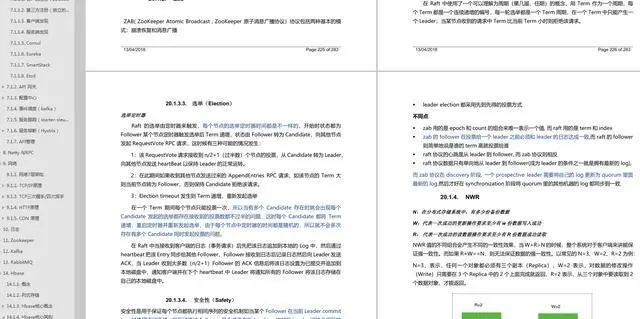
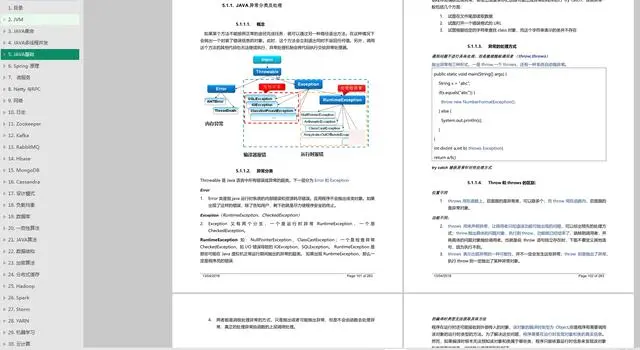
1、JAVA面试核心知识整理(PDF):包含JVM,JAVA集合,JAVA多线程并发,JAVA基础,Spring原理,微服务,Netty与RPC,网络,日志,Zookeeper,Kafka,RabbitMQ,Hbase,MongoDB,Cassandra,设计模式,负载均衡,数据库,一致性哈希,JAVA算法,数据结构,加密算法,分布式缓存,Hadoop,Spark,Storm,YARN,机器学习,云计算共30个章节。
2、Redis学习笔记及学习思维脑图
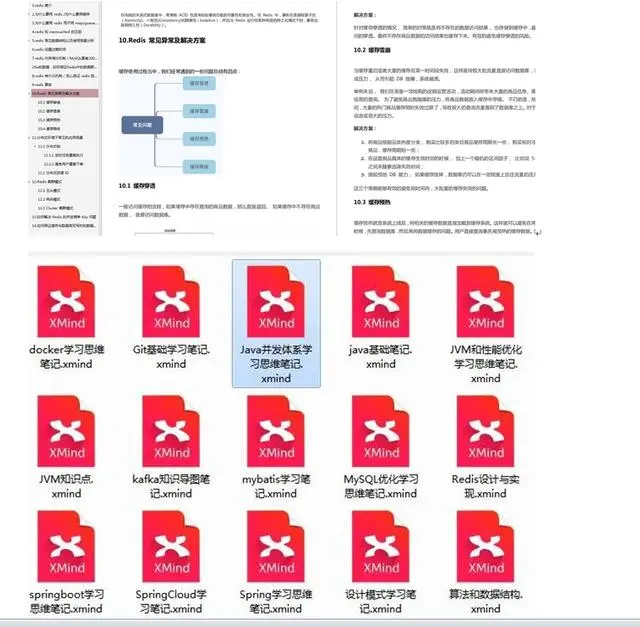
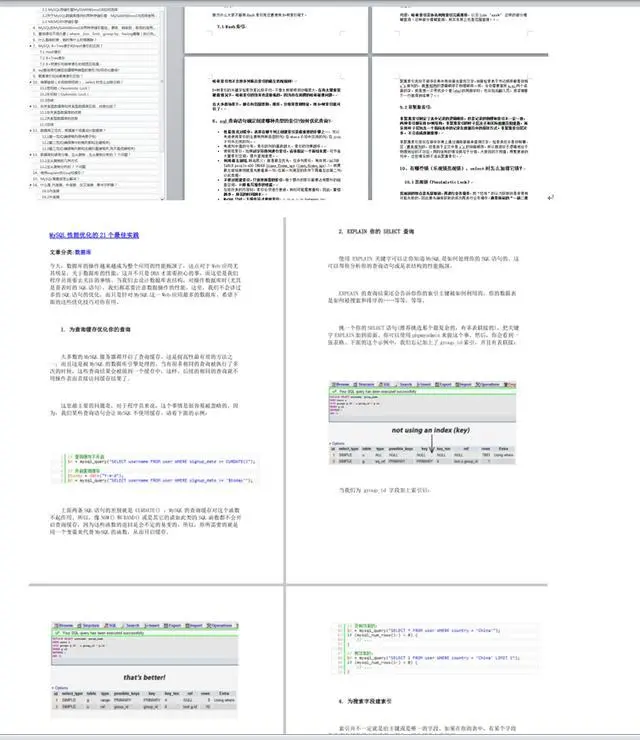
3、数据面试必备20题+数据库性能优化的21个最佳实践
AVA集合**,JAVA多线程并发,JAVA基础,Spring原理,微服务,Netty与RPC,网络,日志,Zookeeper,Kafka,RabbitMQ,Hbase,MongoDB,Cassandra,设计模式,负载均衡,数据库,一致性哈希,JAVA算法,数据结构,加密算法,分布式缓存,Hadoop,Spark,Storm,YARN,机器学习,云计算共30个章节。
[外链图片转存中…(img-RiSDyIMG-1715226563235)]
2、Redis学习笔记及学习思维脑图
[外链图片转存中…(img-xP0OxA5k-1715226563235)]
3、数据面试必备20题+数据库性能优化的21个最佳实践
[外链图片转存中…(img-9SO5RoEH-1715226563235)]





 扫一扫
扫一扫


 168万+
168万+

 被折叠的 条评论
为什么被折叠?
被折叠的 条评论
为什么被折叠?
 到【灌水乐园】发言





