


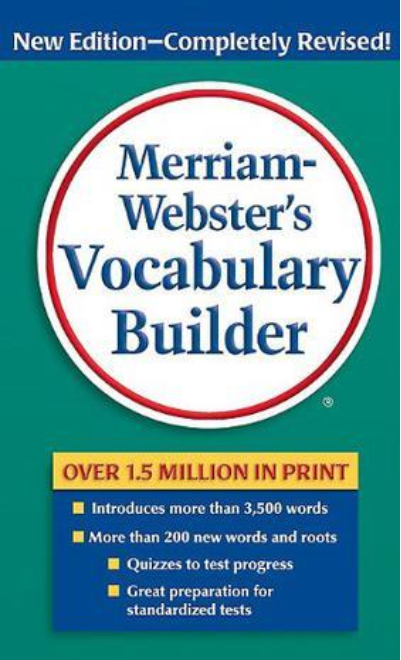
韦小绿纲要
注:韦小绿,是中文简称或俗名,英文名为《Merriam-Webster’s Vocabulary Builder》,中文正式译名当为《韦氏词根词典》或《韦氏词库》;韦氏,即 Webster(韦伯斯特);书名中的Merriam-Webster,是美国知名的词典出版机构,Merriam(梅里厄姆)是其创立者名,主要是两个人,乔治·梅里厄姆和查尔斯·梅里厄姆。
Unit 1-10
Unit 1
1.1 词根bene-和词根am-
1.1.1 词根BENE,意为“好”
词根bene-(well),意为“好”、“善”、“有益”。谐音:裨益。
【1】简举例词
- benefit
- beneficial
【2】详举例词
- benediction
- benefactor
- beneficiary
- benevolence
1.1.2 词根AM,意为“爱”
词根am-(love),意为“爱”。罗马神话中有两个名称不同的爱神,丘比特(Cupid)和阿蒙/阿莫尔/埃莫(Amor),有观点认为阿蒙,就是丘比特。
【1】简举例词
- amiable
- amigo
【2】详举例词
- amicable
- enamored
- amorous
- paramour
1.2 词根bell-和词根pac-
1.2.1 词根BELL,意为“战争”
词根bell-(war),意为“战争”。
【1】简举例词
- Bellona
【2】详举例词
- antebellum
- bellicose
- belligerence
- rebellion
1.2.2 词根PAC,意为“同意”和“和平”
词根pac-(=agree, peace),意为“同意”和“和平”。
【1】简举例词
- Pacific //the Pacific Ocean
【2】详举例词
- pacify
- pacifist
- pact
- pace
1.3 词根crim-和词根prob-
1.3.1 词根CRIM,意为“过错”或“犯罪”
词根crim-(=fault, crime),意为“过错”或“犯罪”。
【1】简举例词
- crime
- criminal
【2】详举例词
- criminology
- decriminalize
- incriminate
- recrimination
1.3.2 词根PROB,意为“证实”或“证明”,以及“诚实”或“正直”
词根prob-(=prove, proof; honesty, integrity),意为“证实”或“证明”,以及“诚实”或“正直”。
【1】简举例词
- probe
- probable
【2】详举例词
- approbation
- probate
- probity
- reprobate
1.4 词根grav-和词根lev-
1.4.1 词根GRAV,意为“沉重”、“严重”以及“严肃”
词根grav-(=heavy, weighty, serious),意为“沉重”、“严重”以及“严肃”。
【1】简举例词
- gravity
【2】详举例词
- grave
- gravitas
- gravitate
- aggravate
1.4.2 词根LEV,意为“轻的”或“举起,升起”
词根lev-(=light; raise, lighten),意为“轻的”或“举起,升起”。
【1】简举例词
- lever
- levitation
【2】详举例词
- alleviate
- elevation
- cantilever
- levity
1.5 Words from Mythology and History
- hector
- …
Unit 2
2.1 词根mania-和词根psych-
2.1.1 词根MANIA,表“精神疾病”、“狂热”等
词根mania-,来自拉丁语,原指“悲伤”,现多用于表“精神疾病”、“心智紊乱”、“狂热”等。
【1】简举例词
- mania n.狂热,躁狂;躁狂症;极大的热情或强烈的欲望
- maniac a.疯狂的,狂热的 n.狂人,疯子 //manic-depressive illness
【2】详举例词
- kleptomania n.偷窃癖
- dipsomaniac n.嗜酒狂
- megalomaniac n.夸大狂患者
- egomaniac n.自我中心主义者,自我主义者;利己主义者
2.1.2 词根PSYCH,表“心理”、“心智”、“灵魂”等
词根psych-,来自希腊语psyche,字面义指“呼吸”,引申“生命”、“灵魂”等,现多表“心理”、“心智”、“灵魂”等义涵。
【1】简举例词
- Psychology n.心理学
- psychologist n.心理学家
- psychiatry n.精神病学;精神病治疗
- psychiatrist n.精神科医生;精神病学家
【2】详举例词
- psyche n.心理,心智,灵魂
- psychedelic a.致幻的 n.迷幻剂
- psychosomatic a.身心的;由心理负担导致的;由精神压力引起的
- psychotherapist n.精神治疗医生;心理治疗医师
2.2 词根cept-和词根fin-
2.2.1 词根CEPT,意为“拿”、“抓住”等
词根cept-(=take, seize),意为“拿”、“抓住”等。
【1】简举例词
- capture
- captor
- captive
- captivate
【2】详举例词
- reception
- intercept
- perceptible
- susceptible
2.2.2 词根FIN,意为“结束或终点”、“边界或界限”等
词根fin-(=end, boundary),意为“结束或终点”、“边界或界限”等。
【1】简举例词
- final
- finish
【2】详举例词
- confine
- definitive
- finite
- infinitesimal
2.3 词根ject-和词根tract-
2.3.1 词根JECT,意为“抛、投”、“猛扔”等
词根ject-(=throw, hurl),意为“抛、投”、“猛扔”等。
【1】简举例词
- reject
- eject
- inject
【2】详举例词
- interject
- conjecture
- projection
- trajectory
2.3.2 词根TRACT,意为“拖,拉,拽”
词根tract-(=drag, draw),意为“拖,拉,拽”。
【1】简举例词
- attractive
- extract
【2】详举例词
- traction
- tractor
- retract
- protracted
- intractable
2.4 词根duc-/duct-和词根sequ-
2.4.1 词根DUC/DUCT
【1】简举例词
- Duke/Duce
- produce
- reduce
【2】详例例词
- conducive
- deduction
- deduct
- induce
- seduction
2.4.2 词根SEQU
【1】简举例词
- sequel
【2】详举例词
- sequential
- subsequent
- consequential
- non sequitur
2.5 Words from Mythology
Unit 3
3.1 前缀ambi-和前缀epi-
3.1.1 前缀AMBI,意为“两边”或“四周”
词根ambi-(=both sides, around),意为“两边”或“四周或周边、周围”。
【1】简举例词
- ambidextrous
【2】详举例词
- ambiguous
- ambient
- ambit
3.1.2 前缀EPI,表“在…之上”、“朝向”、“靠近”等
前缀epi-(=on, over, attached to),该前缀义涵比较丰富,多表“在…之上”、“在…附近“、“朝向”、“靠近”、“隶属于”等。
【1】简举例词
- epicenter
- epidermis
【2】详举例词
- epilogue
- epiphyte
- epiphtic
- epitaph
- epithet
3.2 前缀hyp-/hypo-和词根therm-/thermo-
3.2.1 前缀HYP/HYPO,表“在…之下”、“低于”等
词根hyp-/hypo-(=below, under),表“在…之下”、“低于”等,所构词汇多与医药相关。对比:前缀hyper-。
【1】简举例词
- hypodermic
- hypotension n.低血压 //对比:hypertension n.高血压
【2】详举例词
- hypochondriac
- hypoglycemia
- hypothermia
- hypothetical
3.2.2 词根THERM/THERMO,意为“温暖或热”。
词根therm-/thermo-(=warm),意为“温暖、保暖或热”。
【1】简举例词
- thermometer n.温度计,体温计
- thermostat n.恒温器;温度自动调节器
【2】详举例词
- thermal
- thermodynamics n.热力学
- thermonuclear a.热核的
3.3 词根poly-和词根hom-/homo-
3.3.1 词根POLY,意为“多”
词根poly-(=many),意为“多”。
【1】简举例词
- polytechnic a.多种工艺的,多种科技的 n.(英-旧时)理工学院
- polygamy n.一夫多妻制
- polysyllabic a.多音节的
- polysyllables n.多音节词
【2】详举例词
- polyp n.息肉;珊瑚虫,水螅虫
- polypous a.结肠息肉的,息肉状的
- polyglot a.通晓多种语言的;用多种语言写成的 n.通晓多种语言的人
- polymer n.聚合物
- polygraph n.测试仪
3.3.2 词根PRIM,意为“第一”
词根prim-(=first),意为“第一”。
【1】简举例词
- primary
- primitive
- primeval
【2】详举例词
- primal
- primer
- primate
- primordial
3.4 词根hom-/homo-和词根dis-
3.4.1 词根HOM/HOMO,意为“同”、“同一”
词根hom-/homo-(=same),意为“同、同一”。
【1】简举例词
- homograph n.同形义异词
- homosexual n.同性恋者 //abbr. homo
【2】详举例词
- homonym n.同形异义词
- homogeneous a.同质的,同质化的
- homologous a.同源的
- homogenize v.均质化
3.4.2 词根DIS,意为“分离”
词根dis-(=apart,away),意为“分离”。
【1】简举例词
- distaste
- disagreeable
- disinfect
- disbar
- dissipate
【2】详举例词
- dissuade
- disorient
- discredit
- dislodge
3.5 拉丁借词
- ad hoc
- 其它,暂略
Unit 4
4.1 词根vor-和词根carn-
4.1.1 词根VOR,意为“吞、吃”
词根vor-(=eat),表“吞、吃”。
【1】简举例词
- 复合后缀-vorous,表“以…为食” 或“ 与某种食物相关“。
- frugivorous a.以果实为食的
- granivorous a.食种子的
- phytosuccivorous a.吸食植物液的
【2】详举例词
- carnivorous a.食肉的,肉食性的;爱吃肉的
- herbivorous a.食草的,草食性的
- insectivorous a.食虫的,吃昆虫的,以昆虫为食的,食早动物的
- voracious a.贪婪的;贪吃的;狼吞虎咽的
4.1.2 词根CARN,意为“肉、体肉”
词根carn-(=flesh, meat),意为“肉、肉体”。
【1】简举例词
- carnation n.康乃馨(一种肉色花卉)
- carnival n.嘉年华,狂欢节
【2】详举例词
- carnage n.大屠杀
- carnal a.肉欲的,肉体为欢的
- incarnate a.化身的;拟人化的 vt.拟人化;使人格化
- reincarnation n.转世,转世轮回
4.2 词根cred-和词根fid-
4.2.1 词根CRED,意为“相信”、“信任”
词根cred-(=believe, entrust),意为“相信”、“使-信任”。
【1】简举例词
- credit n.信用;积分
- credential n.资质,凭证
【2】详举例词
- credence n.可信度,可信性;真实性
- credible a.可信的;可靠的
- credulity n.轻信 //缺少可信条件或因素而选择相信,不理智地相信
- credo n.信条 //creed
4.2.2 词根FID,意为“信仰”、“信任”
词根fid-(=faith, trust),意为“信仰”、“信任”。
【1】简举例词
- fidelity n.忠诚;忠实;忠贞
- confidence n.信心,自信心;信任,依赖
- infidel n.异教徒 a.异教徒的,不信教的
- Fido n.菲多(一度非常流行的狗名)
【2】详举例词
- affidavit
- diffident
- fiduciary
- perfidy
- perfidious
4.3 词根curr-/curs-和词根ped-
4.3.1 词根CURR/CURS,表“跑”,或“走”
词根curr-/curs-(=run,move),表“跑”、“走或移动、运动”等。
【1】简举例词
- current n.水流,电流,巡游
【2】详举例词
- concurrent
- cursory
- discursive
- precursor
4.3.2 词根PED,表“脚或足”
词根ped-(=foot),表“脚或足”。
【1】简举例词
- pedal n.踏板
- pedicure n.足部护理
- pedestal n.底座,基座
【2】详举例词
- quadruped n.四足动物 a.
- pedigree n.族谱,系谱,世系
- impediment n.障碍,阻碍,防碍 //= im-(=in-)进入 + ped足->走 + ment =走到中间,插足(相当于插手)其中 = 阻碍
- pedestrian n.行人,步行者 a.行人的;乏味的,无趣的,缺乏想像的
4.4 词根flect-和词根post-
4.4.1 词根FLECT,变体FLEX-,意为“弯曲”
词根flect-/flex-(=bend),意为“弯曲”。
【1】简举例词
- flexible
- flex v.弯曲,伸屈,活动(四肢或肌肉)
- flexor n.屈肌 = flexor muscle
【2】详举例词
- deflect
- reflective
- genuflect
- inflection
4.4.2 词根POST,表“在…之后”
词根post-(=after, behind),表“之后”、“在…之后”。
【1】简举例词
- postscript n.(abbr. PS) 附言;后记;跋
- postpartum a.产后的
- postdate v.延期
【2】详举例词
- posterior
- posthumous
- postmodern
- postmortem
4.5 Words from Mythology
- calyso
- 其它 暂略
Unit 5
5.1 词根mal-和词根cata-
5.1.1 词根MAL,表“坏的”、“恶、恶化”
词根mal-(=bad),表“坏的”、“恶、恶化”。
【1】简举例词
- malady
- malpractice
- malodorous
- malfactor
【2】详举例词
- malevolent
- malevolence
- malicious
- malign
- malnourished
5.1.2 词根CATA,表“向下”
词根cata-(=down),表“向下”。
【1】简举例词
- catalogue
- catapult
【2】详举例词
- cataclysm
- catacomb
- catalyst
- catatonic
- catatonia
5.2 词根prot-/proto-和词根ante-
5.2.1 词根PROT/PROTO,表“第一”
词根prot-/proto-(=first),表“(时间或形成上的)第一”。
【1】简举例词
- protozoa
- proton
- protoplanet
【2】详举例词
- protagonist
- protocol
- protoplasm
- prototype
5.2.2 前缀ANTE,表“之前”、“在…之前”
前缀ante-(=before, on front of),表“之前”、“在…之前”。
【1】简举例词
- antediluvian
- antebellum
【2】详举例词
- antechamber
- antedate
- antecedent
- anterior
5.3 词根ortho-和词根rect-
5.3.1 词根ORTHO,表“直的”、“正确”、“真实”等
词根ortho-(=straight, right, true),表“直的”、“正确”、“真实”等。
【1】简举例词
- orthotics
- orthograde
【2】详举例词
- orthodontics
- orthodox
- orthopedics
- orthopedist
- orthopedic
- orthography
5.3.2 词根RECT,表“直的”、“正确”等
词根rect-(=straight, right),表“直的”、“正确”等
【1】简举例词
- correct
- rectangle
- rectus //Latin: rectus musculus
【2】详举例词
- rectitude
- rectify
- rectilinear
- directive
5.4 词根eu-和词根dys-
5.4.1 词根EU,意为“好”、“真实”
词根eu-(=well, good, true),意为“优或良好”、“好”、“幸福或快乐”、“真实”等。
【1】简举例词
- euthanasia
【2】详举例词
- eugenic
- euphemism
- euphoria
- eulogy
5.4.2 词根DYS,表“坏的或糟糕的”、“困难的”等
词根dys-(=bad, difficult),表“坏的或糟糕的”、“困难的”等。
【1】简举例词
- dysphagia
- dysphasia
【2】详举例词
- dystopia
- dyslexia
- dyspeptic
- dyspepsia
- dysplasia
5.5 拉丁借词
Unit 6
6.1 词根equ-和词根quis-
6.1.1 词根EQU,意为“相等”
词根equ-(=equal),意为“相等”。
【1】简举例词
- equalize
- equialent
- equilateral
【2】详举例词
- equable
- adequacy
- equilibrium
- equinox
6.1.2 词根QUIS,同源词根quer-/quir-/ques-,意为“寻找”、“寻求”
词根quis-(=seek, obtain),同源词根quer-/quir-/ques-,意为“寻找”、“寻求”。
【1】简举例词
- inquiry
- question
【2】详举例词
- inquisition
- perquisite
- acquisitive
- requisition
6.2 词根ple-/plen-和词根metr-/meter-
6.2.1 词根PLE/PLEN,意为“填充”、“充满”
词根ple-/plen-(=fill, filled),意为“填充”、“充满”。
【1】简举例词
- plenty
- complete
【2】详举例词
- plenary
- complement
- deplete
- replete
6.2.2 词根METR/METER,意为“测量”
词根metr-/meter-(=measure),意为“测量”、“度量”、“衡量”。
【1】简举例词
- thermometer
- perimeter
- isometric
【2】详举例词
- metric
- odometer
- tachometer
6.3 词根aud-和词根son-
6.3.1 词根AUD,意为“听”
词根aud-(=hearing),意为“听”。
【1】简举例词
- audible
- audience
- auditorium
- audio
【2】详举例词
- auditor
- auditory
- audition
- inaudible
6.3.2 词根SON,意为“声音”
词根son-(=sound),意为“声音”
【1】简举例词
- sonata
- sonorous
【2】详举例词
- sonic
- dissonant
- resonance
- ultrasonic
6.4 词根err-和词根ced-
6.4.1 词根ERR,意为“漫游”、“迷路/迷失”
词根err-(=wander, stray),意为“漫游”、“迷路/迷失”。
【1】简举例词
- error
【2】详举例词
- errant
- aberrant
- erratic
- erroneous
6.4.2 词根CED,意为“行进”、“让步”
词根ced-(=proceed, yield),意为“走/行进”、“让步”
【1】简举例词
- proceed
- recede
- procession
- recession
【2】详举例词
- cede
- concede
- accede
- precedent
6.5 Words from Mythology and History
Unit 7
7.1 词根vis-和词根spect-
7.1.1 词根vis-/vid-,表“看”、“看见”
词根vis-/vid-(=see),表示“看”、“看见”
【1】简举例词
- vision
- visual
- visible
- visitor
- video
【2】详举例词
- vista
- vis-୶is
- visionary
- envisage
7.1.2 词根SPECT,意为“看”、“观看”
词根spect-(=look at, observe),意为“看”、“观看”、“观察”。
【1】简举例词
- spectacles
- spectacular
- spectacularly
- spectators
【2】详举例词
- aspect
- prospect
- perspective
- prospectus
7.2 词根voc-和词根phon-
7.2.1 词根VOC,意为“噪音”和“说”
词根voc-(=voice, speak),意为“噪音”和“说”。
【1】简举例词
- vocal
- vocation
- vocabulary
【2】详举例词
- equivocate
- irrevocable
- advocate
- vociferous
7.2.2 词根PHON,意为“声音”、“嗓音”和“讲话”
词根phon-(=sound, voice, speech),意为“声音”、“嗓音”和“讲话或演讲”。
【1】简举例词
- 后缀-phone
- telephone
- microphone
- xylophone
【2】详举例词
- phonics
- phonetic
- polyphonic
- cacophony
7.3 词根cur-和词根peri-
7.3.1 词根CUR,意为“关心”、“照顾”
词根cur-(=care for),意为“关心”、“照顾”、“照料”等。
【1】简举例词
- cure
- manicure
- pedicure
【2】详举例词
- curative
- curator
- curatorial
- procure
- procurement
- sinecure
7.3.2 词根PERI,意为“周围”、“环绕”
词根peri-(=around),意为“周围、四周或周边”和“环绕或围绕”。
【1】简举例词
- period
- periscope
- peristalsis
【2】详举例词
- perimeter
- periodontal
- peripatetic
- peripheral
7.4 词根sens-和词根soph-
7.4.1 词根SENS,表示“感觉”、“感受到”
词根sens-(=feeling, sense),意为“感觉”、“察觉”、“感受到”等。
【1】简举例词
- sense
- sensation
- sensitive
【2】详举例词
- sensor
- desensitize
- extrasensory
- sensuous
7.4.2 词根SOPH,意为“智慧”
词根soph-(=wisdom),意为“智慧”,通常语意表达上比wisdom更恭敬。
【1】简举例词
- philosophy
【2】详举例词
- sophistry
- sophisticated
- sophomoric
- theosophy
7.5 Words from Mythology and History
Unit 8
8.1 词根port-和词根pend-
8.1.1 词根PORT,意为“携带”、“搬运”
词根port-(=carry),表“携带”、“搬运”、“传输”、“运送”等。
【1】简举例词
- portable
- porter
- transport
- export
【2】详举例词
- portage
- portfolio
- comport
- deportment
8.1.2 词根PEND,意为“悬挂”、“称重”、“衡量”
词根pend-(=hang, weigh),意为“悬挂”、“称重”、“衡量”等。
【1】简举例词
- appendix
【2】详举例词
- pendant
- append
- appendage
- suspend
8.2 前缀pan-和前缀extra-
8.2.1 前缀PAN,意为“全部”、“完全”等
词根pan-(=all, completely, whole, general),意为“全部/所有”、“完全/彻底”、“整个/全体”、“普遍/总体上”等。
【1】简举例词
- panoramic
- pantheon
- pandemic
【2】详举例词
- panacea
- pandemonium
- pantheism
- pantheistic
- panoply
8.2.2 前缀EXTRA
前缀extra-(=outside, beyond),意为“外面”、“在外面”或“超越”、“超过”。
【1】简举例词
- extraterrestrial
- extragalactic
- extravagant
- extravaganza
- extra (abbr. =extraordinary) a.极其的,非凡的
- extraordinary a.极其的,非凡的
【2】详举例词
- extradite
- extradition
- extrapolate
- extrapolations
- extrovert
- extraneous
8.3 词根phot-和词根luc-
8.3.1 词根PHOT,意为“光”
词根phot-(=light),意为“光”。
【1】简举例词
- photography
- photocopy
【2】详举例词
- photoelectric
- photovoltaic
- photon
- photosynthesis
8.3.2 词根LUC,意为“光”、“发光或闪光”
词根luc-(=light, shine, glitter),意为“光”、“发光或闪光”。
【1】简举例词
- Lucifer n.路西法(古罗马最初指晨星-即金星,字面义指带来光明,后基督教义中转指魔鬼撒旦) //= Luci-光、光明 + fer携带
【2】详举例词
- lucid
- lucidity
- elucidate
- lucubration
- translucent
8.4 词根mor-/mort-和词根troph-
8.4.1 词根MOR/MORT,意为“死”、“死亡”
词根mor-/mort-(=die, death),意为“死”、“死亡”。
【1】简举例词
- mortuary
- postmortem
【2】详举例词
- mortality
- moribund
- amortize
- mortify
8.4.2 词根TROPH,意为“营养”、“滋养”
词根troph-(=nourishment),意为“营养”、“滋养”。
【1】简举例词
- trophy
- apostrophe
- catastrophe
【2】详举例词
- atrophy vi./n.萎缩 //= a- + -trophy食物、营养
- hypertrophy v./n.过度生长,肥大;患肥大症; //= hyper-过度 + -trophy食物、营养
- dystrophy n.营养不良;营养障碍性疾病 //= dys-(=dis-) + -trophy食物、营养
- eutrophication n.(由雨水带来的化肥等造成水体的)富营养化 //= eu-优良 + -trophy食物、营养 + ic-形缀 + ation复合名缀
8.5 Words from Mythology and History
- aeolian harp
PS:
Unit 9
9.1 词根her-和词根fug-
9.1.1 词根her-/hes-,意为“粘”、“粘连”
词根her-/hes-(=to stick),意为“粘”、“粘连或粘附”。
【1】简举例词
- adhesive
- hesitate
【2】详举例词
- adherent
- cohere
- incoherent
- inherent
9.1.2 词根FUG,意为“逃、逃离、逃走、逃跑”
词根fug-(=flee, escape),意为“逃、逃离、逃走、逃跑”等。
【1】简举例词
- refugee
- fugitive
【2】详举例词
- centrifugal
- refuge
- fugue
- subterfuge
9.2 词根cosm-和词根sci-
9.2.1 词根COSM,意为“宇宙”或“宇宙有关的”
词根cosm-(=universe),表“宇宙”或“宇宙有关的”,该词根来自希腊语,原意指秩序。
【1】简举例词
- cosmonaut
- cosmetics
【2】详举例词
- cosmos
- cosmology
- microcosm
- cosmopolitan
9.2.2 词根SCI,表“知道”或“理解”
词根sci-(=know, understand),表“知道”或“理解”。
【1】简举例词
- science
- conscience
- conscious
【2】详举例词
- conscientious
- nescience
- prescient
- prescience
- unconscionable
9.3 词根junct-和词根part-
9.3.1 词根JUNCT,表“加入”、“连接”
词根junct-(=to join),,表“加入”、“连接”、“接合”等。
【1】简举例词
- junction
- conjunction
【2】详举例词
- juncture
- adjunct
- disjunction
- conjunct
9.3.2 词根PART,意为“部分”
词根part-(=part),意为“部分”
【1】简举例词
- part
- apartmentor
- compartment
- particle
【2】详举例词
- bipartite
- impartial
- participle
- partisan
9.4 词根mis-和词根pel-
9.4.1 词根MIS,意为“发送”
词根mis-/mit-(=to send),意为“发送”。
【1】简举例词
- missile
- dismissed
【2】详举例词
- mission
- missionary
- emissary
- transmission
9.4.2 词根PEL,意为“移动、运动”或“驱动”
词根pel-(=move, drive),意为“移动、运动”或“驱动、驱使”。
【1】简举例词
- propeller
- dispel
【2】详举例词
- compel
- expel
- impel
- repel
9.5 Words from Mythology
- arachnid
- …略
Unit 10
10.1 词根put-和词根log-
10.1.1 词根PUT,表“思考、认为、相信”等。
词根put-(=think, consider, believe),表“思考、认为、相信”等。
【1】简举例词
- reputation
- compute
- dispute
- deputy
【2】详举例词
- reputed
- disrepute
- reputation
- disreputable
- impute
- putative
- putatively
10.1.2 词根LOG,意为“词语、说话、理由”等
词根log-(=word, speech, reason),意为“词语、挑选词语、说话、讲述、原因或理由”等。
【1】简举例词
- 后缀-logy
- biology
- anthropology
- 后缀-logue
- dialogue
- epilogue
【2】详举例词
- physiology
- methodology
- ideology
- ideological
- cardiology
10.2 词根terr-和词根mar-
10.2.1 词根TERR,意为“土、泥土”、“土地”
词根terr-(=earth),意为“土、泥土”、“地面”、“土地”、“大地”、“地球”等。
【1】简举例词
- territory
- terrace
【2】详举例词
- parterre
- subterranean
- terrarium
- terrestrial
10.2.2 词根MAR,意为“海”
词根mar-(=sea),意为“海”。
【1】简举例词
- submarine
- marine
【2】详举例词
- marina
- aquamarine
- mariner
- maritime
10.3 词根path-和词根pen-/pun-
10.3.1 词根PATH,意为“感情”或“痛苦”
词根path-(=feeling, suffering),意为“感情”或“痛苦”。
【1】简举例词
- pathetic
- sympathetic
【2】详举例词
- pathos
- apathetic
- apathy
- sympathy
- antipathy
- empathy
- empathetic
- teleapthic
10.3.2 词根PEN/PUN,意为“处罚或惩罚”
词根pen-/pun-(=to punish),意为“处罚或惩罚”。
【1】简举例词
- penalty //punishment
【2】详举例词
- penal
- impunity
- penance
- punitive
10.4 词根matr-/mater-和词根aqu-
10.4.1 词根MATR/MATER,意为“母亲”
词根matr-/mater-(=mother),意为“母亲”。
【1】简举例词
- matron
- matrimony
【2】详举例词
- maternity
- matriarch
- matriarchy
- matrilineal
- matrilineality
- matrix
10.4.2 词根AQU,表“水”
词根aqu-(=water),意为“水”。
【1】简举例词
- aquarium
- aquatics
【2】详举例词
- aquaculture
- aquanaut
- aqueduct
- aquifer
10.5 Words from Mythology
- cereal
- …略
Unit 11-20
Unit 11
11.1 词根cant-和词根lingu-
11.1.1 词根CANT,变体chant-,意为“歌唱”
词根cant-/chant-(=sing),意为“歌唱”。
【1】简举例词
- chant
- chantey
【2】详举例词
- cantata
- incantation
- cantor
- descant
11.1.2 词根LINGU,表“舌头”或“语言”
词根lingu-(=tongue, language),表示“舌头”或“语言”。
【1】简举例词
- tongue
- language
【2】详举例词
- linguistics
- multilingual
- lingua franca
- linguine
11.2 词根spir-和词根ver-
11.2.1 词根SPIR,表“呼吸”
词根spir-(=breath, breathe),表“呼吸”。
【1】简举例词
- inspire
- inspiration
- expire
- expiration
【2】详举例词
- spirited
- dispiriting
- respirator
- respiration
- transpire
11.2.2 词根VER,意为“真、真实”
词根ver-(=truth),意为“真”、“真实、真相、真理”等。
【1】简举例词
- verdict
- veracity
【2】详举例词
- verify
- verification
- verifiable
- aver
- verisimilitude
- veracity
11.3 词根turb-和词根volu-/volv-
11.3.1 词根TURB,意为“搅动、扰乱”、“混乱”、“不安”等
词根turb-(=to throw into confusion or upset, crowd or confusion),意为“搅动、扰乱”、“拥挤”、“混乱”、“不安”等。
【1】简举例词
- disturbance
【2】详举例词
- turbid
- perturb
- perturbation
- imperturbable
- turbine
- turbulent
11.3.2 词根VOLU/VOLV,意为“滚、卷、转、缠、绕”等
词根volu-/volv-(=to roll, wind, turn around, or twist around),意为“滚动”、“缠绕”、“转动”、“扭转”、“旋转”,“绕转”等,核心义涵可归为两类:转=转动,卷=缠绕。
【1】简举例词
- revolve
- volume
【2】详举例词
- voluble
- devolve
- devolution
- evolution
- evolve
- convoluted
- convolution
11.4 词根fac-和词根lum-
11.4.1 词根FAC,意为“做”、“制作”、“制造”
词根fac-(=make, do),意为“做”、“制作”、“制造”。
【1】简举例词
- fact
- benefactor
- manufacture
- factory
【2】详举例词
- factor
- factotum
- facile
- facilitate
- facilitators
- facilitation
11.4.2 词根LUM,意为“光”
词根lum-(=light),意为“光”,构词通常和”光明、光亮、光洁,或者发光、闪光“等光的基本引申义涵有关。
【1】简举例词
- illuminate
- illumination
【2】详举例词
- lumen
- luminous
- bioluminescent
- luminary
11.5 Words from Mythology and History
- muse
- …略
Unit 12
12.1 词根umbr-和词根vest-
12.1.1 词根UMBR,意为“阴影”
词根umbr-(=shadow),意为“阴影”。
【1】简举例词
- umbrella
【2】详举例词
- umber
- adumbrate
- penumbra
- umbrage
12.1.2 词根VEST,表“穿衣”、“穿着”、“服装”
词根vest-(=to clothe or dress, clothing or garment),表“穿衣”或“服装(穿着,衣服、衣物、衣着)”等。
【1】简举例词
- vest
【2】详举例词
- divest
- investiture
- transvestite
- travesty
12.2 词根the-/theo-和词根icon-
12.2.1 词根THE/THEO,表示“神”
词根the-/theo-(=god),表示“神”。
【1】简举例词
- theology
- theologians
- monotheism
- monotheistic
- polytheistic
【2】详举例词
- apotheosis
- apotheosized
- atheistic
- atheists
- atheism
- pantheon
- theocracy
12.2.2 词根ICON,表示“肖像”、“图像”、“像”
词根icon-(=image),表示“肖像”、“图像”、“像(画像、雕像、印象、偶像等)”。
【1】简举例词
- icon-(image)
【2】详举例词
- icon
- iconic
- iconoclast
- iconography
- iconographic
- iconographer
12.3 词根urb-和词根cult-
12.3.1 词根URB,意为“城市”
词根urb-(=city),意为“城市“。
【1】简举例词
- urban
- suburb
- suburban
- suburbanites
【2】详举例词
- urbane
- exurban
- interurban
- urbanization
12.3.2 词根CULT,意为“照料”
词根cult-(=care),意为“照料”。说明:另参考其它资料,词根cult-,具有“照料”、“保护”、“耕种”、“培养”等相关或相近义涵。
【1】简举例词
- cultivation
- culture
【2】详举例词
- acculturation
- acculturate
- cross-cultural
- horticulture
- subculture
12.4 词根dem-/demo-和词根popul-
12.4.1 词根DEM/DEMO,指表“人民”
词根dem-/demo-(=people),指表“人民”、“人们”、“大众”、“群众”、“民众”一类含义。
【1】简举例词
- democracy
【2】详举例词
- demographic
- endemic
- demagogue
- demagoguery/demagogy
- demagogic
- demotic
12.4.2 词根POPUL,意为“人民”
词根popul-(=people),来自people一词,意为“人民”、“民众”。
【1】简举例词
- population
- popular
【2】详举例词
- populist
- populism
- populace
- populous
- vox populi
12.5 Animal Words
- aquiline
- …略
Unit 13
13.1 词根cord-和词根culp-
13.1.1 词根cord-/card-,意为“心”、“心脏”
词根cord-/card-(=heart),意为“心”、“心脏”。
【1】简举例词
- cardiac
【2】详举例词
- accord
- concord
- cordial
- discordant
- discord
- chord
13.1.2 词根CULP,意为“内疚”、"有罪”、“罪行”、“罪过”,核心义涵为“罪责”
词根culp-(=guilt),意为“内疚”、"有罪”、“责备”、“罪行”、“罪过”、“过错”等,核心义涵为“罪责”。
【1】简举例词
- culprit
【2】详举例词
- culpable
- culpability
- exculpate
- exculpatory
- inculpate
- mea culpa
13.2 词根dict-和词根gni-/gno-
13.2.1 词根DICT,意为“说、讲”
词根dict-(=speak),意为“说话”、“讲话”、“发言”等。
【1】简举例词
- dictionary
- contradiction
【2】详举例词
- diction
- edict
- dictator
- jurisdiction
- dictum
13.2.2 词根GNI/GNO,意为“知道”
词根gni-/gno-(=know),意为“知道”、“认识”、“了解”等。
【1】简举例词
- recognize
- ignorant
【2】详举例词
- cognitive
- agnostic
- agnosticism
- incognito
- prognosis
- prognosticate
13.3 词根graph-和词根art-
13.3.1 词根GRAPH,意为“写”
词根graph-(=write),意为“写”。
【1】简举例词
- biography
- discography
- filmography
- autograph
- paragraph
- photography
- seismograph
- graph
【2】详举例词
- calligraphy
- hagiography
- choreography
- lithography
13.3.2 词根ART,意为“技能”
词根art-(=skill),意为“技能”、“技术”、“技巧”、“技艺”等。
【1】简举例词
- art
【2】详举例词
- artful
- artifact
- artifice
- artisan
13.4 词根fort-和词根cis-
13.4.1 词根FORT,意为“强壮”
词根fort-(=strong),意为“强壮”。
【1】简举例词
- fort
- comfort
【2】详举例词
- fortify
- fortification
- forte
- fortitude
13.4.2 词根CIS,意为“砍”、“切”、“砍倒”、“杀死”等。
词根cis-(=cut, cut down, slay),意为“砍”、“切”、“砍倒”、“砍掉”、“杀死”、“杀害”等。
【1】简举例词
- incisor
- decision
【2】详举例词
- concise
- excise
- excision
- incisive
- incision
- incisively
- precision
13.5 Animal Words
- apiary
- …略
Unit 14
14.1 词根crypt-和词根ab-/abs-
14.1.1 词根CRYPT,意为“隐藏”、“隐蔽”
词根crypt-(=hidden),意为“隐藏”、“隐蔽”、“隐秘”、“隐匿”。
【1】简举例词
- encrypt
- crypto-
【2】详举例词
- crypt
- encrypt
- encryption
- cryptic
- cryptically
- cryptography
- cryptographer
14.1.2 前缀AB/ABS,意为“来自、由于”或“离开、远离”
前缀ab-/abs-(=from, away, off),意为“来自”、“来源于”、“由于”,以及“离开”、“离去”、“脱离”、“远离”等。
【1】简举例词
- abuse
- abduct
- aberrant
- absurd
【2】详举例词
- abscond
- abstemious
- abstraction
- abstract
- abstruse
14.2 词根ped-和词根trop-
14.2.1 词根PED-,意为“孩子”
词根ped-(=child),意为“孩子”。该词根也表“脚、足”,即ped-(=foot),参见前文。
【1】简举例词
- a
【2】详举例词
- pedagogy
- pedagogic
- pedant
- pedantic
- pedantry
- pediatrician
- pediatric
- encyclopedic
- encyclopaedia
14.2.2 词根TROP,意为“转变,变化”
词根trop-(=turn, change),意为“转变”、“变化”,底层或字面义涵是“转动”、“扭转”。
【1】简举例词
- troposphere
- tropics
【2】详举例词
- tropism
- hydrotropism
- thigmotropism
- entropy
- heliotrope
- heliotropic
- psychotropic
14.3 词根neo-和词根nov-
14.3.1 词根NEO,意为“新”、“新的”
词根neo-(=new),意为“新”、“新的”。
【1】简举例词
- neotropical
- neophyte
【2】详举例词
- neoclassic
- neolithic
- neoconservative
- neoconservatism
- neonatal
- neonates
14.3.2 词根NOV,意为“新”、“新的”
词根nov-(=new),意为“新”、“新的”。
【1】简举例词
- renovate
- Nova
【2】详举例词
- novice
- novel
- novelty
- innovation
- innovate
- innovator
- supernova
14.4 词根pos-和词根ten-
14.4.1 词根POS,意为“放置”、“安置”
词根pos-(=to put, to place),意为“放置”、“摆放”、“安置”、“安放”等。
【1】简举例词
- expose
- compose
- oppose
【2】详举例词
- impose
- self-imposed
- juxtapose
- transpose
- superimpose
- superimposition
14.4.2 词根TEN,意为“持有”
词根ten-(=hold),意为“持有”、“拿住”、“保持”、“维持”、“拥有”等。
注:该词根可追溯至PIE root *ten-,意为“伸展、延伸”,因此和英文词根ten-(伸展、延伸)、词根tain-(持有、保持)等相通,词根ten-(=hold)和词根tain-(=hold)可看作是互为变体形式。
【1】简举例词
- tenant
- lieutenant
【2】详举例词
- tenure
- tenacious
- tenaciously
- tenacity
- tenable
- untenable
- tenet
14.5 Number Words
- Mono-
- monogamous
- …略
Unit 15
15.1 词根term-/termin-和词根geo-
15.1.1 词根TERM/TERMIN,意为“限制、结束”,“边界、界限”
词根term-/termin-(=limit or bound or boundary),意为“限制、结束”,“边界、界限”。
comes from the Latin verb terminare, “limit, bound, or set limits to,” and the noun terminus, “imit or boundary”.
源自拉丁语 terminatus,是 terminare 的过去分词,意为“标记结束或边界”,来自 terminus,意为“结束,界限”。
【1】简举例词
- term
- terminate
【2】详举例词
- terminal
- terminally
- indeterminate
- determine
- interminable
- terminus
15.1.2 词根GEO,意为“土地”、“大地”
词根geo-(=earth),意为“土地”、“大地”、“地面”、“地球”等。
【1】简举例词
- geography
- geologist
- geometry
【2】详举例词
- geocentric
- geocentrism
- geophysics
- geostationary
- geothermal
15.2 词根spher-和词根vert-
15.2.1 词根SPHER,意为“球、球体”
词根spher-(=ball),意为“球”、“球体”、“宇宙或天体球”、“球面”、“(天球)层、层面”等。(注:该词根和西方古代天文学或宇宙观有关,和想像中的天球、天球层有关)
【1】简举例词
- sphere
- atmosphere
【2】详举例词
- spherical
- stratosphere
- stratospheric
- biosphere
- lithosphere
- hydrosphere
- atmosphere
- hemisphere
15.2.2 词根VERT,表示“转弯”、“转动”、“旋转”等
词根vert-/vers-(=turn, turn around),表示“转弯”、“转动”、”转向“、“旋转”、“转身”等,底层义涵和“弯曲、转折“有关。
【1】简举例词
- vertigo
- advertisement
【2】详举例词
- divert
- converter
- avert
- revert
- reversion
15.3 词根morph-和词根form-
15.3.1 词根MORPH,表示“形状”、“模型”
词根morph-(=shape),意为“形状”、“模型”、“形式”等。
【1】简举例词
- morph
【2】详举例词
- amorphous
- anthropomorphic
- anthropomorphism
- metamorphosis
- metamorphose
- morphology
15.3.2 词根FORM,表“形状”、“形式”
词根form-(=shape,form),表“形状”、“外形或外观”、“模型”、“形式”等。
【1】简举例词
- formation
- formula
【2】详举例词
- format
- conform
- conformist //nonconformist
- conformity
- formality
- informal
- formative
15.4 词根doc-/doct-和词根tut-/tui-
15.4.1 词根DOC/DOCT,表示“教”、“教导”、“教授”
词根doc-/doct-(=teach),意为“教”、“教导”、“指导”、“教授”等。
【1】简举例词
- doctor
【2】详举例词
- doctrine
- docent
- doctrinaire
- indoctrinate
- indoctrination
15.4.2 词根TUT/TUI,意为“照料、照看、照管”、“指导”、“教导”、“保护”等
词根tut-/tui-(=look after, guide, guard, teach),意为“照料、照看、照管”、“指导”、“教导”、“保护”、”看护“等。
【1】简举例词
- tutor
- tutee
【2】详举例词
- tutorial
- tuition
- intuition
- intuitively
- tutelage
15.5 Number Words
- Di-/Dup-
- duel
- duet
- duplicate
- dual
- …略
Unit 16
16.1 词根top-和词根centr-/center
16.1.1 词根TOP,意为“地方”、“地点”
词根top-(=place),意为“地方”、“地点”,以及“空间”、“区域”等。
【1】简举例词
- topic
【2】详举例词
- topical
- ectopic
- utopian
- utopia
- topography
- topographic
16.1.2 词根CENTR/CENTER,意为“尖锐的点”、“固定的点”、“中心”、“圆心”等
词根centr-/center-(=sharp point, center point of a circle),意为“尖锐的点”、“固定的点”、“中心”、“圆心”等
【1】简举例词
- centrifuge
- center
- centrifugal
【2】详举例词
- eccentric
- eccentricity
- epicenter
- egocentric
- egocentrics
- egocentricity
- ethnocentric
- ethnocentricity
16.2 词根dom-和词根omni-
16.2.1 词根DOM,意为“房屋”或“主人”
词根dom-(=house, master),意为“房屋”或“主人”。
【1】简举例词
- domain
- dominant
【2】详举例词
- dominion
- predominant
- predominate
- domineering
- domination
- dominate
- dominant
16.2.2 词根OMNI,意为“全”、“全部”
词根omni-(=all, on all ways, on all places, without limit),意为“全”、“全部”、“全面”、“全域”、“全能或无限”等。
【1】简举例词
- omnidirectional
【2】详举例词
- omnivore
- omnipotent
- omnipotence
- omnibus
- omniscient
- omniscience
16.3 词根hol-/holo-和词根pertro-
16.3.1 词根HOL/HOLO,意为“完整”、“完备”
词根hol-/holo-(=whole),意为“完整”、“完备”、“全体”、“所有”等。
【1】简举例词
- catholic
【2】详举例词
- holistic
- holism
- hologram
- holographic
- holocene
- holocaust
16.3.2 词根RETRO,意为“向后”、“倒退”、“在后面”等
词根retro-(=back, backward, behind),意为“向后”、“回头”、“倒退”、“在后面”等。
【1】简举例词
- retro-
【2】详举例词
- retroactive
- retrofit
- retrogress
- retrogression
- retrospective
16.4 词根tempor-和词根chron-
16.4.1 词根TEMPOR,表示“时间”、“时代”等
词根tempor-(=time),表示“时间”、“时代”等。
【1】简举例词
- temporary
- tempo
【2】详举例词
- temporal
- contemporary
- extemporaneous
- extemporaneously
- temporize
16.4.2 词根CHRON,意为“时间”、“时光”
词根chron-(=time),意为“时间”、“时光”等。
【1】简举例词
- chronicle
- chronometer
【2】详举例词
- chronic
- chronology
- chronological
- anachronism
- anachronistic
- synchronous
- geosynchronous
- synchronized
- synchronicity
16.5 Number Words
- tri-
- tricycle
- triangle
- triad
- …略
Unit 17
17.1 词根anim-和词根fig-
17.1.1 词根ANIM,意为“呼吸”或“灵魂”
词根anim-(=breath, soul),意为“呼吸”或“灵魂”。
【1】简举例词
- animal
【2】详举例词
- animated
- animation
- magnanimous
- magnanimity
- animosity
- animus
- inanimate
17.1.2 词根FIG,意为“形状”、“形式”、“模型”等
词根fig-(=shape, form, model),意为“形状”、“形式”、“模型”,以及“制作”、“设计”、“塑造”等。
【1】简举例词
- figure
- transfiguration
- disfiguring
【2】详举例词
- figurative
- figuratively
- configuration
- configure
- reconfigure
- effigy
- figment
17.2 词根ann-/enn-和词根ev-
17.2.1 词根ANN/ENN,意为“年”
词根ann-/enn-(=year),意为“年”。
【1】简举例词
- annual
- anniversary
【2】详举例词
- annuity
- superannuated
- millennium
- millennialist //millenarian
- perennial
- biennial
17.2.2 词根EV,意为“时代”、“寿命”等
词根ev-(=age, lifetime),意为“时代”、“寿命”等。
【1】简举例词
- eon
【2】详举例词
- coeval
- longevity
- medieval
- primeval
17.3 词根corp-和词根tang-/tact-
17.3.1 词根CORP,意为“身体”或“尸体”
词根corp-(=body),意为“身体”、“肉体”、“肉身”以及“尸体”等。
【1】简举例词
- corpse
- corporation
- corps
【2】详举例词
- corporeal
- corpulent
- corpulence
- corporal
- incorporate
17.3.2 词根TANG/TACT,意为“接触”、“触碰”、“触觉”等
词根tang-/tact-(=touch, sense of touch),意为“接触”、“触碰” 或 “触觉”、”触感“等。
【1】简举例词
- contact
【2】详举例词
- tact
- tactful
- tactless
- tactile
- tangential
- tangent
- tangible
- intangible
17.4 词根codi-/code-和词根sign-
17.4.1 词根CODI/CODE,意为“树干”、“文书”、“书籍”等
词根codi-/code-(=trunk),意为“树干”、“木质牌匾上的文档或文字”、“书籍”等。
【1】简举例词
- code
- encode
【2】详举例词
- codex
- codicil
- codify
- decode //相关:decipher
- encode
17.4.2 词根SIGN,意为“标记”或“标识”
词根sign-(=mark, sign),意为“标记”或“标识”等。
【1】简举例词
- signal
- signature
- design
【2】详举例词
- signify
- significant
- insignificant
- significance
- insignificance
- significant
- insignia
- signatory
- signed
- assigned
- signet
17.5 Number Words
- quadr-/quart-
- quart
- quarter
- quadrangle
- quadruplet
- quadrant
- …略
Unit 18
18.1 词根capit-和词根anthrop-
18.1.1 词根CAPIT,意为“头”、“首要、主要或重要”
词根capit-(=head, important),意为“头”、“首要、主要或重要”。
【1】简举例词
- captain
- capital
【2】详举例词
- capitalism
- capital
- capitalist
- capitulate
- capitulation
- decapitate
- decapitation
- recapitulate
- recapitulation
18.1.2 词根ANTHROP,意为“人或人类”
词根anthrop-(=human being),意为“人或人类”。
【1】简举例词
- anthropomorphic
- anthropomorphized
【2】详举例词
- anthropoid
- anthropology
- anthropologist
- misanthropic
- misanthrope
- lycanthropy
- lycanthropes
18.2 词根kine-和词根dynam-
18.2.1 词根KINE,意为“移动或运动”
词根kine-(=movement),意为“移动或运动”。
【1】简举例词
- cinema
【2】详举例词
- kinesiology
- kinesiologist
- hyperkinetic
- kinescope
- telekinesis
- psychokinesis
18.2.2 词根DYNAM,意为“力量、能力或动力”
词根dynam-(=power),意为“力量、能力或动力”,以及“活力”等。
【1】简举例词
- dyne
- dynamometer
- dynamite
【2】详举例词
- dynamic
- dynamo
- aerodynamics
- aerodynamic
- hydrodynamic
- hydrodynamics
18.3 词根grad-和词根reg-
18.3.1 词根GRAD,意为“步、级”,“步行、行走”等
词根grad-(=step,degree; step, walk),意为“步、级或度”,“步行、行走”等。
【1】简举例词
- grade
- gradual
【2】详举例词
- gradation
- degrade
- degrading
- degradation
- gradient
- retrograde
18.3.2 词根REG,意为“规则”或“统治”
词根reg-(=rule),意为“规则”或“统治”。
【1】简举例词
- regular
- regime
- regulate
- regulation
- deregulation
【2】详举例词
- regimen
- interregnum
- regalia
- regal
- regency
18.4 词根crit-和词根jur-
18.4.1 词根CRIT,意为“判断”或“决定”
词根crit-(=judge, decide),意为“判断”或“决定”。
【1】简举例词
- critic
- critical
- criticism
【2】详举例词
- criterion
- critique
- criticize
- hypercritical
- hematocrit
18.4.2 词根jur-/jus-,意为“发誓”,“法律”
词根jur-/jus-(=swear, take an oath; right or law),意为“发誓、起誓或宣誓”,“权力或法律”。
【1】简举例词
- jury
- jurors
- injury
【2】详举例词
- jurisprudence
- abjure
- perjury
- de jure
18.5 Number Words
- pent-
- pentagon
- pentatonic
- pentathlon
- …略
Unit 19
19.1 词根bio-和词根gen-
19.1.1 词根BIO,意为“生命”或“生物”
词根bio-(=life),意为“生命”或“生物”。
【1】简举例词
- biology
- biosphere
- biotechnology
【2】详举例词
- bionic
- bionics
- biopsy
- biodegradable
- symbiosis
- symbiotic
19.1.2 词根GEN,意为“出生”、“产生”
词根gen-(=birth),意为“出生”、“产生”、“生育”、“生产”等。
【1】简举例词
- genes
- genealogy
- generation
【2】详举例词
- genesis
- generator
- genre
- carcinogenic
19.2 词根funct-和词根mut-
19.2.1 词根FUNCT,意为“执行,实施”
词根funct-(=to perform, carry out),意为“执行,实施”。
【1】简举例词
- functional
- function
【2】详举例词
- functionary
- malfunction
- defunct
- dysfunctional
- dysfunction
19.2.2 词根MUT,意为“改变”、“变动”
词根mut-(=change),意为“改变”、“变化”、“变动”、“变更”等。
【1】简举例词
- mutation
- mutate
- mutants
【2】详举例词
- commute
- commutation
- commutator
- immutable
- mutable
- immutability
- permutation
- transmute
- transmutation
19.3 词根fract-和词根tele-
19.3.1 词根FRACT,意为“打破”、“破裂”、“破碎”
词根fract-(=to break, shatter),意为“打破”、“破裂”、“破碎”等。
【1】简举例词
- fraction
- fracture
【2】详举例词
- fractious
- fractal
- infraction
- refraction
19.3.2 词根TELE,意为“遥远的”、“远距离的”
词根tele-(=distant, at a distance),意为“遥远的”、“远距离的”。
【1】简举例词
- telescope
- telephoto
- television
【2】详举例词
- telegenic
- teleological
- teleology
- telemetry
- telecommute
- telecommuter
19.4 词根phil-和词根neg-
19.4.1 词根PHIL,意为“爱”
词根phil-(=love),意为“爱”、“热爱”、“喜爱”、“忠情”、“迷恋”等。
【1】简举例词
- philosophy
- biliophile
- philadelphia
【2】详举例词
- oenophile
- philatelist
- philately
- anglophile
- Francophiles
- Germanophiles
- Italophiles
- philosemitic
- philanthropy
- philanthropist
19.4.2 前缀NEG,变体nec-、ne-,表“否定”或“拒绝”等
词根neg-/nec-/ne-(=denial, refusal),表“否定”或“否认”、“拒绝”等。
【1】简举例词
- negate
- negative
【2】详举例词
- negligent
- negligence
- neglectful
- negligee
- abnegation
- negligible
- renege
19.5 Number Words
- dec-
- decade
- decimal
- decahedron
- decalogue
- …略
Unit 20
20.1 词根nom-和词根pater-/patr-
20.1.1 词根NOM,意为“名称”
词根nom-(=name),意为“名称”。
【1】简举例词
- nominee
- nominated
- binomial
- polynomial
【2】详举例词
- nominal
- nomenclature
- ignominious
- misnomer
20.1.2 词根PATER/PATR,意为“父亲”
词根pater-/patr-(=father),意为“父亲”。
【1】简举例词
- patron
【2】详举例词
- patrician
- patriarchy
- patriarch
- patrarchal
- expatriate
- paternalistic
- paternal
- paternalism
20.2 词根lega-和词根greg-
20.2.1 词根LEGA,意为“任命”或“委派”
词根lega-(=to appoint or to send as a deputy),意为“任命”或“委派”。注:该词根,其底层逻辑和法律有关,有依法任命或委派之意,因此,和词根leg-(=law)相通,因此,进一步或更深层的意义上讲,和”挑选“有关,所谓”任命“、”委派“,说到底就是寻找合格(即合法合规)又有能力的人去任某职或去做某事。
【1】简举例词
- legal
【2】详举例词
- legate
- legacy
- delegation
- delegate
- relegate
20.2.2 词根GREG,意为“聚集”或“成群”
词根greg-(=to gather; herd, flock),意为“聚集”、“云集”或“成群”、“成批”等。
【1】简举例词
- gregarious
【2】详举例词
- aggregate
- congregation
- congregate
- egregious
- segregate
20.3 词根flu-和词根prehend-/prehens-
20.3.1 词根FLU,意为“流”、“流动”
词根flu-(=flow),意为“流”、“流动”等。
【1】简举例词
- flume
- fluent
- flow
- influence
- fluid
- influenza
【2】详举例词
- affluence
- flood
- affluent
- effluent
- confluence
- mellifluous
20.3.2 词根PREHEND/PREHENS,意为“抓住”或“把握”
词根prehend-/prehens-(=seize),意为“抓住”、“把握”等。
【1】简举例词
- prehend-
【2】详举例词
- prehensile
- apprehend
- apprehensive
- comprehend
- comprehensive
- reprehensible
- reprehend
20.4 词根temper-和词根purg-
20.4.1 词根TEMPER,意为“适度”、“混合”
词根temper-(=to moderate, keep within limits, to mix),表示“适度”、“保持在限制范围内”或“混合”等。
【1】简举例词
- temperate
- temperature
【2】详举例词
- temper
- temperance
- intemperate
- distemper
20.4.2 词根PURG,意为“清洁”、“清洗”、“净化”
词根purg-(=clean, cleanse),意为“清洁”、“清洗”、“净化”等。
【1】简举例词
- purg-
【2】详举例词
- purge
- expurgate
- expurgation
- expurgator
- purgative
- purgatory
20.5 Number Words
- mill-
- millennium
- million
- milligram
- milliliter
- millimeter
- millefleur
- …略
Unit 21-30
Unit 21
21.1 前缀sub-和前缀hyper-
21.1.1 前缀SUB,意为“在下面”
前缀sub-(=under),意为“在下面”。
【1】简举例词
- subway
- submarine
- subject
- subplot
- subscribe
- subscription
【2】详举例词
- subconscious
- subjugate
- subliminal
- subversion
- subversive
21.1.2 前缀HYPER,意为“在上面”或“超越”、“超过”
词根hyper-(=above, beyond),意为“在上面”或“超越”、“超过”等。
【1】简举例词
- hyperinflation
- hypercritical
- hypersensitive
- hyperextend
【2】详举例词
- hyperactive
- hyperbole
- hyperbolic
- hypertension
- hyperventilate
- hyperventilating
- hyperventilation
21.2 前缀pre-和前缀para-
21.2.1 前缀PRE,意为“在前面”、“在…之前”
前缀pre-(=before, on front of),意为“在前面”、“在…之前”。
【1】简举例词
- prefix
- prediction
- precedes
- prejudice
【2】详举例词
- preclude
- precocious
- precocity
- predispose
- predisposition
- prerequisite
21.2.2 前缀PARA,“在旁边”、“紧密相关”
前缀para-(=beside, closely related to),“在旁边”或“紧密相关”。
【1】简举例词
- parallel
- paragraph
【2】详举例词
- paraphrase
- paralegal
- paraprofessional
- paramedic
- paramedical
- paramilitary
21.3 前缀meta-和前缀per-
21.3.1 词根META,意为“在…后面”或“超越”
词根meta-(=behind, beyond),意为“在…后面”或“超越”。
【1】简举例词
- metacarpal
- metalanguage
【2】详举例词
- metadata
- metaphorical
- metaphor
- metaphysics
- metaphysical
- metonymy
21.3.2 前缀PER,意为“通过”、“贯穿”、“彻底”
前缀per-(=through, throughout, thoroughly),意为“通过”、“贯穿”、“始终”、“彻底”等。
【1】简举例词
- perforate
- perennial
- permanant
- persuade
- perverted
【2】详举例词
- percolate
- percolation
- pervade
- pervasive
- permeate
- permeable
- impermeable
- persevere
- perseverance
21.4 前缀ant-/anti-和前缀contra-
21.4.1 前缀ANT/ANTI,意为“反、相反”、“对抗”
前缀ant-/anti-(=against),意为“反、相反”、“反对”、“对抗”等。
【1】简举例词
- anticlimax
- antiseptic
- antibiotic
- antacid
- antidote
【2】详举例词
- antagonist
- antigen
- antibody
- antipathy
- antithesis
- antithetical
21.4.2 词根CONTRA,表示“反、相反”、“对抗”
前缀contra-(=against, contrary to),相当于前缀anti-,表“反、相反”、“反对”、“对抗”等。
【1】简举例词
- contrast
- contrapuntal
【2】详举例词
- contraband
- contraindication
- contraindicated
- contravene
- contravention
- contrarian
21.5 Greek and Latin Borrowings
- in memoriam
- …略
Unit 22
22.1 词根acer-/acr-和词根strict-
22.1.1 词根ACER/ACR,意为“尖锐”和“酸”
词根acer-/acr-(=sharp, sour),意为“尖锐”、“锋利”和“酸”、“酸味或酸性”等。
【1】简举例词
- acid
- acidity
【2】详举例词
- acerbic
- acerbity
- acrid
- acrimony
- acrimonious
- exacerbate
22.1.2 词根STRICT,“拉紧”、“绑”、“系”
词根strict-(=to draw tight, bind, tie),“拉紧”、“束缚”、“绑”、“系”等。
【1】简举例词
- strict
【2】详举例词
- stricture
- restrictive
- nonrestrictive
- constrict
- constriction
- vasoconstrictor
22.2 词根stru-/struct-和词根prop-/propri-
22.2.1 词根STRU/STRUCT,意为“组合”、“建造”、“安排”
词根stru-/struct-(=to put together, build, arrange),意为“组合”、“建造”、“安排”等。
【1】简举例词
- structure
- constructed
- instruction
- obstruct
- destructive
【2】详举例词
- deconstruction
- deconstruct
- deconstructionist
- infrastructure
- construe
- construal
- instrumental
- instrument
22.2.2 词根PROP/PROPRI,意为“自己的”
词根prop-/propri-(=own),意为“拥有”或“自己的”。
【1】简举例词
- proprietor
- property
- proper
【2】详举例词
- proprietary
- propriety
- impropriety
- improper
- appropriate
- appropriation
- misappropriation
- expropriate
- expropriation
- properly
22.3 词根tort-和词根viv-
22.3.1 词根TORT,意为“扭曲”、“缠绕”
词根tort-(=to twist, wind, or wrench),意为“扭曲”、“缠绕”或“扭动”、“扭转”。
【1】简举例词
- torture
【2】详举例词
- tort
- extort
- extortion
- contort
- contortion
- contortionist
- distorted
- tortuous
22.3.2 词根VIV,意为“活的”、“活着的”
词根viv-(=to live, be alive),意为“活的”、“活着的”。
【1】简举例词
- survivor
- revival
【2】详举例词
- vivacious
- bon vivant
- revivify
- vivisection
22.4 词根serv-和词根clus-
22.4.1 词根SERV,意为“受…支配”、“服务”
词根serv-(=be subject to),意为“受…支配”、“服务”。
【1】简举例词
- servant
- serve
- service
【2】详举例词
- serviceable
- servile
- servility
- servitude
- subservient
- subservience
22.4.2 词根CLUS,意为“关闭”
词根clus-(=to close),意为“关闭”。
【1】简举例词
- include
- inclusive
【2】详举例词
- occlusion
- malocclusion
- occluded
- exclusive
- exclude
- exclusively
- recluse
- reclusive
- reclusiveness
- seclusion
- secluded
22.5 Greek and Latin Borrowings
- acme
- …略
Unit 23
23.1 词根text-和词根plac-
23.1.1 词根TEXT,意为“编织”
词根text-(=weave),意为“编织”。
【1】简举例词
- textile
- texture
- text
【2】详举例词
- textual
- context
- contextual
- hypertext
- subtext
23.1.2 词根PLAC,意为“使高兴”、“同意”和“安抚”、“平息”
词根plac-(=to please, be agreeable to; to soothe, calm),意为“使高兴”、“同意”和“安抚”、“平息”等。
【1】简举例词
- pleasant
- pleasurable
- pleasing
【2】详举例词
- placate
- placebo
- placidity
- placid
- implacable
23.2 词根aut-/auto-和词根grat-
23.2.1 词根AUT/AUTO,意为“自我”、“相同”
词根aut-/auto-(=self, same),意为“自我”、“相同”等。
【1】简举例词
- automatic
- automobile
- autograph
- autopsy
【2】详举例词
- automation
- autoimmune
- autonomy
- autism
- autistic
23.2.2 词根GRAT,意为“优雅”、“愉悦”和“令人高兴的”
词根grat-(=pleasing, welcome, agreeable; grace, agreeableness, pleasantness),意为“令人高兴的”、“受欢迎的”、“宜人的”和“优雅”、“宜人”、“愉悦”等。
【1】简举例词
- graciously
- gratitude
- grateful
- ingrate
【2】详举例词
- gratify
- gratifying
- gratification
- gratuity
- gratuitous
- gratuitously
- ingratiate
- ingratiating
23.3 词根clam-/claim-和词根crac-/crat-
23.3.1 词根CLAM/CLAIM,意为“呼喊”、“喊叫”
词根clam-/claim-(=to shout, cry out),意为“呼喊”、“喊叫”、“大喊”、“大叫”等。
【1】简举例词
- claim
- exclamation
【2】详举例词
- clamor
- clamoring
- acclamation
- acclaim
- acclamed
- declaim
- declamatory
- proclaim
- proclamation
23.3.2 词根CRAC/CRAT,意为“权力”、“统治”
词根crac-/crat-(=power, hold the power),意为“权力”、“统治”或“掌握/控制”等,其中crat-指“统治者或掌权者”。
【1】简举例词
- democracy
- theocracy
- meritocracy
【2】详举例词
- aristocrat
- aristocracy
- aristocratic
- autocratic
- autocracy
- bureaucrat
- bureaucracy
- bureaucratic
- plutocracy
- plutocrat
23.4 词根punc-和词根pot-
23.4.1 词根PUNC,意为“点”、“戳”、“刺”
词根punc-(=point),意为“点”、“戳”、“刺”等。
【1】简举例词
- punctuation
- punctured
【2】详举例词
- punctilious
- punctiliousness
- punctual
- punctuality
- compunction
- acupuncture
- acupuncturist
23.4.2 词根POT,指“能力”、“能够”
词根pot-(=able),表“能”、“能力”、“能够”等。
【1】简举例词
- potent
【2】详举例词
- potential
- impotent
- impotence
- plenipotentiary
- potentate
23.5 Greek and Latin Borrowings
- ambrosia
- …略
Unit 24
24.1 词根mand-和词根und-
24.1.1 词根MAND,表“委托”或“命令”
词根mand-(=entrust, order),表“委托”或“命令”。
【1】简举例词
- command
- commandment
- commando
【2】详举例词
- mandate
- mandated
- mandatory
- commandeer
- remand
24.1.2 词根UND,指“扬波或潮水上涨”、“涌浪”、“泛滥”等
词根und-(=to rise in waves, to surge or flood),意为“扬波或潮水上涨”、“涌浪”、“泛滥”、“淹没”等。
【1】简举例词
- undulation
- undulate
【2】详举例词
- undulant
- inundate
- inundation
- redound
- redundancy
24.2 词根sanct-和词根loqu-
24.2.1 词根SANCT,意为“神圣的”
词根sanct-(=holy),意为“神圣的”、“圣洁的”等。
【1】简举例词
- sanctity
- sanctified
【2】详举例词
- sanction
- sanctimonious
- sanctimoniousness
- sacrosanct
- sanctuary
24.2.2 词根LOQU,意为“说话”、“谈话”、“谈论”、“讨论”
词根loqu-(=to talk),意为“说话”、“谈话”、“谈论”、“讨论”等。
【1】简举例词
- eloquent
- ventriloquist
【2】详举例词
- colloquium
- colloquy
- soliloquy
- colloquial
- colloquy
- loquacious
- loquaciousness
- loquacity
24.3 词根vir-和词根val-
24.3.1 词根VIR,表“人”、“男人”
词根vir-(=man),表“人”、“男人”、“男子汉”、“英雄”等。
【1】简举例词
- virtue
- virtuous
【2】详举例词
- virility
- virile
- triumvirate
- triumvirs
- virago
- virtuosity
24.3.2 词根VAL,意为“力量”、“强壮”、“值得”或“健康”等
词根val-(=strength; to be worthy, healthy, or strong and to have power or influence),意为“力量”、“值得”、“健康”、“强壮”、“有力”、“有影响力”等。
【1】简举例词
- evaluating
- valid
【2】详举例词
- valor
- valorous
- valiant
- equivalent
- prevalent
- validate
24.4 词根cre-/cret-和词根fus-
24.4.1 词根CRE/CRET,意为“形成”、“成长”
词根cre-/cret-(=to come into being and to grow),意为“形成”、“成长”、”增加“、“生长”等。
【1】简举例词
- crescendo
- decrescendo
【2】详举例词
- crescent
- croissant
- accretion
- excrescence
- increment
- incremental
24.4.2 词根FUS,意为“倒出”、“融化”
词根fus-(=pour out; melt),意为“倾倒”、“倒出”、“融化”等。
【1】简举例词
- fuse
- fusion
【2】详举例词
- transfusion
- transfuse
- effusive
- effuse
- effusively
- effusiveness
- profusion
- profusely
- profuse
- suffuse
24.5 Greek and Latin Borrowings
- apologia
- …略
Unit 25
25.1 词根verb-和词根simil-/simul-
25.1.1 词根VERB,意为“词”、“单词”、“词语”
词根verb-(=word),意为“词”、“单词”,引申“词语”、“话语”、“言语”等。
【1】简举例词
- verb
- verbally
- verbalize
【2】详举例词
- verbose
- verbosity
- proverb
- verbatim
- verbiage
25.1.2 词根SIMIL/SIMUL,意为“类似或相似”、“模仿”等
词根simil-/simul-(=like, resembling, similar; make like),意为“类似”、“相似”、“相像”以及“模仿”等。
【1】简举例词
- similar
- simultaneous
- facsimile
【2】详举例词
- simile
- assimilate
- simulacrum
- simulate
25.2 词根scend-和词根onym-
25.2.1 词根SCEND,意为“爬”、“攀登”、“上升”
词根scend-(=climb),意为“爬”、“攀登”、“上升”、“攀升”等。
【1】简举例词
- ascend
- descend
【2】详举例词
- transcend
- condescend
- condescension
- condescending
- descendant
- descent
- ascendancy
- ascendant
25.2.2 词根ONYM,意为“名字”、“名称”
词根onym-(=name, word),意为“名字”、“名称”和“字或单词”等。
【1】简举例词
- anonymous
- synonym
【2】详举例词
- antonym
- eponymous
- patronymic
- pseudonym
25.3 词根scrib-/scrip-和词根fall-
25.3.1 词根SCRIB/SCRIP,意为“写”
词根scrib-/scrip-(=write),意为“写”、“书写”。
【1】简举例词
- scribble v.涂鸦,乱涂乱画 n.潦草的文字
- manuscript n.手稿
- describe
【2】详举例词
- conscription
- circumscribe
- circumscribed
- inscription
- inscribed
- proscribe
25.3.2 词根FALL,意为“欺骗”
词根fall-(=deceive),意为“欺骗”。
【1】简举例词
- false
- fail
- fault
【2】详举例词
- fallacy
- fallacious
- fallibility
- fallible
- infallible
- infallibility
25.4 词根solu-和词根hydr-
25.4.1 词根SOLU,意为“放松”、“自由”、“释放”
词根solu-/solv-(=to loosen, free, release),意为“放松”、“松开”、“解脱”、“自由”、“解开”、“释放”、“溶解”、“分开”、“切开”等。
【1】简举例词
- solve
- solution
- solvent
- dissolve
【2】详举例词
- soluble
- insoluble
- absoluion
- absolute
- absolve
- dissolution
- dissolve
- dissolute
- resolute
- resolved
- resolution
25.4.2 词根HYDR,意为“水”
词根hydr-(=water),意为“水”。
【1】简举例词
- hydrangea
【2】详举例词
- hydraulic
- dehydrate
- dehydration
- rehydration
- hydrating
- hydroelectric
- hydroelectricity
- hydroponics
- hydroponically
25.5 Greek and Latin Borrowings
- aegis
- …略
Unit 26
26.1 词根mur-和词根polis-/polit-
26.1.1 词根MUR,意为“墙”、“墙壁”
词根mur-(=wall),意为“墙”、“墙壁”。
【1】简举例词
- mur-
【2】详举例词
- muralist
- mural
- intramural
- extramural
- immure
- immurement
26.1.2 词根POLIS/POLIT,意为“城市”
词根polis-/polit-(=city),意为“城市”。
【1】简举例词
- politics
- policy
- police
【2】详举例词
- politic
- politics
- politicize
- acropolis
- megalopolis
26.2 词根numer-和词根kilo-
26.2.1 词根NUMER,意为“数字”和“计算”
词根number-(=number; count),意为“数字”和“计算”。
【1】简举例词
- numeral
- numerous
- innumerable
- numerical
【2】详举例词
- numerology
- numerologist
- alphanumeric
- enumerate
- enumeration
- supernumerary
26.2.2 前缀KILO,意为“千”
前缀kilo-(=thousand),意为“千”、“一千”。
【1】简举例词
- kilowatt
- kilowatt-hour
【2】详举例词
- kilobyte
- kilometer
- kilohertz
- kilogram
26.3 前缀micro-和前缀multi-
26.3.1 前缀MICRO,意为“小”
前缀micro-(=small),意为“小”、“小的”或“微观的”。
【1】简举例词
- microscope
- microscopic
- microfilm
- microbus
- microquake
- microsecond
- micrometer
【2】详举例词
- microbe
- microorganism
- microbial
- microbiologist
- microbrew
- microclimate
26.3.2 前缀MULTI,意为“多”
词根multi-(=many),意为“多”、“许多或大量的”。
【1】简举例词
- multicultural
- multimedia
- multitude
【2】详举例词
- multicellular
- multidisciplinary
- multifarious
- multilateral
- multilateralism
- multilateralist
26.4 词根par-和词根phob-
26.4.1 词根PAR,意为“相等”或“平等”
词根par-(=equal),意为“相等”或“平等”。
【1】简举例词
- par
- compare
- comparable
【2】详举例词
- parity
- disparity
- disparate
- nonpareil
- subpar
26.4.2 词根PHOB,意为“恐惧”、“害怕”
词根phob-(=fear),意为“恐惧”、“害怕”。(注:该词根字面义是“流动”、“流走”、“奔流”、“急流”、“湍流”、“奔跑”、“逃跑”,phob-的ph-通f-、b-)。
【1】简举例词
- phobia
- claustrophobia
- triskaidekaphobia
【2】详举例词
- acrophobic
- agoraphobia
- xenophobe
- arachnophobia
26.5 Medical Words
- hem-/hemo-
- …略
Unit 27
27.1 前缀nano-和前缀super-
27.1.1 前缀NANO,意为“极小”、“毫微”、“十亿分之一”,音译:纳(米)
前缀nano-(=extremly small),意为“极小”、“毫微”、“十亿分之一”,音译:纳,原意指“侏儒(dwarf)”。比较:前缀micro-、前缀mini-。
【1】简举例词
- nano-
- nanoskirt
- nano-brained
【2】详举例词
- nanotechnology
- nanomedicine
- nanosecond
- nanogram
- nanometer
- nanostructure
- nanocrystals
- nanotubes
- nanoparticle
27.1.2 前缀SUPER,意为“超”、“超级”、“超过”、“更高”、“更多”
前缀super-(=over, higher, more than),意为“超”、“超级”、“超过”、“更高”、“更多”
【1】简举例词
- supermodel n.超模,超级名模
- superpowerful 超级大国的,超级强大的
- …
- superman n.超人
【2】详举例词
- superfluous
- insuperable
- supersede
- superlative
27.2 前缀de-和词根nul-/null-
27.2.1 前缀DE,表“向下”或“离开”
前缀de-(=down, away),意为“向下”或“离开”。
【1】简举例词
- descent
- decline
- devalue
- depressed
【2】详举例词
- debase
- defamation
- degenerative
- degenerate
- dejection //depression
- dejected
27.2.2 词根NUL/NULL,意为“无”、“没有”,或表“否定”及消极义涵
词根nul-/null-(=none),意为“无”、“没有”,或表“否定”及消极义涵
【1】简举例词
- no, not, never, nothing, none, no one, nowhere
- non-
【2】详举例词
- null
- nullity
- nullify
- nullification
- annulment
27.3 词根arm-和词根surg-
27.3.1 词根ARM,意为“武器”、“工具或器具”
词根arm-(=weapon, tools),意为“武器”、“工具或器具”等。
【1】简举例词
- arms
- armed
- army
【2】详举例词
- armada
- armistice
- armory
- disarming
- disarm
27.3.2 词根SURG,意为“升起”、“上升”、“突然出现或产生”
词根surg-(=to rise, spring up),意为“升起”、“上升”、“增加或增长”、“突然出现或产生”等。
【1】简举例词
- surge
- storm surge
- surge protector
【2】详举例词
- upsurge
- insurgency
- insurgent
- counterinsurgent
- counterinsurgency
- resurgent
- resurgence
27.4 词根strat-和词根later-
27.4.1 词根STRAT,意为“铺开”、“铺展”或“床”
词根strat-(=spread; bed),意为“铺开”、“铺展”或“床”。
【1】简举例词
- street
【2】详举例词
- stratum
- strata
- stratification
- stratified
- substrate
- stratocumulus
- stratus
- cirrostratus
- altostratus
- nimbostratus
27.4.2 词根LATER,意为“边”
词根later-(=side),意为“边”。
【1】简举例词
- latitude //longitude
【2】详举例词
- lateral
- bilateral
- collateral
- equilateral
27.5 词根tom-和词根iatr-
27.5.1 词根TOM,意为“砍、切”
词根tom-(=cut),意为“砍、切”、“切割”、“分割”等。
【1】简举例词
- lobotomy
【2】详举例词
- appendectomy //appendix, appendicity
- gastrectomy //gastric
- tonsillectomy //tonsillity
- mastectomy //lumpectomy
27.5.2 词根IATR,意为“治疗”、“治愈”
词根iatr-(=treat, heal),意为“治疗”、“治愈”。词源:来自希腊语iatros,意为“治疗师(healer)”、“医生(physician)”。
【1】简举例词
- pediatrician
- psychiatrist
【2】详举例词
- iatrogenic
- bariatric //barometer
- geriatric
- geriatrics
- podiatrist
- podiatric
Unit 28
28.1 词根medi-和后缀oid-
28.1.1 词根MEDI,表示“中间”
词根medi-(=middle),意为“中间”、“中间的”。
【1】简举例词
- medium
- medieval
【2】详举例词
- median
- mediate
- mediation
- mediator
- intermediary
- mediocrity
- mediocre
28.1.2 后缀OID,意为“外形”、“形状”、“形态”、“形式”等
后缀oid-(=appearance, form),意为“外形”、“外观”、“形态”、“形状”、“形式”等。
【1】简举例词
- factoid
- nutsoid
- nerdoid
- freakazoid
【2】详举例词
- rhomboid
- deltoid
- dendroid
- humanoid
- android
28.2 词根或后缀scop-和前缀trans-
28.2.1 词根或后缀SCOP,意为“看”、“观看”
词根或后缀scop-(=look at),意为“看”、“观看”、“观察”等。
【1】简举例词
- scope
- telescope
- microscope
- periscope
【2】详举例词
- endoscope
- endoscopy
- arthroscopic
- arthroscopy
- laparoscopy
- laparoscope
- laparoscopic
- oscilloscope
28.2.2 前缀TRANS,意为“穿过”、“横过”、“超越”
前缀trans-(=movement through, across; beyond),意为“穿过”、“横过”、“超越”等。
【1】简举例词
- translation
- transmitted
- transportation
- transfer
【2】详举例词
- transient
- transfiguration
- transponder
- transcendent
- transcendentalist
28.3 前缀pro-和词根pro-
28.3.1 前缀PRO,表示:(1)支持;(2)在…之前
前缀pro-(=for, favoring),表示“支持”或“亲近、偏爱”;
前缀pro-(=before),表示“在…之前“等。
【1】简举例词
- pro-支持、亲近或偏爱
- pro-democracy 支持或赞成民主的
- pro-American 亲美的,亲美派
【2】详举例词
- proactive
- pro bono
- proponent
- pro forma
28.3.2 前缀PRO
前缀pro-(=before, in front of, forth),表示”在前面“、“在…之前“、“向前”、“往前”、“公开”等。
【1】简举例词
- proceed
- progress
- prominent
【2】详举例词
- protrude
- protruding
- protrusion
- prophylaxis
- prophylactic
- promulgate
- promulgation
- prologue
28.4 前缀re-和前缀re-
28.4.1 前缀RE,“再次”
前缀re-(=again),意为“再次”、“再”、“又”。
【1】简举例词
- redo, reheat, recheck, reread, resell, repaint
【2】详举例词
- remorse
- reiterate
- reiteration
- rejuvenate
- rejuvenation
- reconcile
- reconciliation
28.4.2 前缀RE-
前缀re-(back, backward),意为“向后”、“往回”、“返”、“回”,以及“倒退”等。
【1】简举例词
- rebound
- recall
- react
【2】详举例词
- reciprocal
- reciprocating
- reciprocity
- rebut
- rebuttal
- revoke
- regress
- regressive
28.5 词根derm-和词根engo-
28.5.1 词根DERM,意为“皮”、“皮肤”
词根derm-(=skin),意为“皮”、“皮肤”、“真皮”等。
【1】简举例词
- dermatologist
- hypodermic
- pachyderm
【2】详举例词
- dermal
- epidermis
- taxidermist
- dermatitis
28.5.2 前缀ENDO,表“在…之内”、“在里面”
前缀endo-(=within),表“在…之内”、“在里面”
【1】简举例词
- endogamy
【2】详举例词
- endocrine
- endocrinologist
- endodontic
- endodontist
- endogenous
- endogenously
- endorphan
Unit 29
29.1 词根necro-和词根paleo-
29.1.1 词根NECRO,意为“尸体”或“死亡”
词根necro-(=dead body, death),意为“尸体”或“死亡”。
【1】简举例词
- necrophagous
【2】详举例词
- necrosis
- necrotic
- necromancer
- necromancy
- necromantic
- necropolis
- necropsy
29.1.2 词根PALEO,意为“古代的”、“久远的”
词根paleo-(=ancient, far),,意为“古代的”、“久远的或遥远的”。
【1】简举例词
- paleobiology
- paleoecology
【2】详举例词
- paleolithic
- paleography
- paleographer
- paleontology
- paleontologist
- paleozoic
29.2 前缀circu-/circum-和前缀mini-/minu-
29.2.1 前缀CIRCU/CIRCUM,意为“圆”、“圆圈”、“圆周”
前缀circu-/circum-(=circle),意为“圆”、“圆圈”、“圆周”,以及“围绕”、“环绕”等。
【1】简举例词
- circus
- circuit
- circumnavigate
【2】详举例词
- circuitous
- circumference
- circumspect
- circumspection
- circumvent
29.2.2 前缀MINI/MINU,意为“小”、“最小”
前缀mini-/minu-(=small, least),意为“小”、“小的”或“最小的”。
【1】简举例词
- minimum
- minute
- minivan
- miniskirt
- mini-mart
- minipark
【2】详举例词
- minimalism
- minimalist
- minuscule
- minutiae
- diminutive
- diminish
29.3 前缀inter-和前缀sur-
29.3.1 前缀INTER,意为“在两者之间”、“在…之间”
前缀inter-(=between),意为“在两者之间”、“在…之间”。
【1】简举例词
- intercity a.城市间的,城际的,市际的(通常中途停站不多) //在两者之间往来
- intercom n.内部通话系统(或设备) //在两者之间通信
- intercept vt./n.拦截 //走到两者之间
【2】详举例词
- intercede
- intercession
- interstice
- interdict
- interdiction
- interpolate
- interpolation
29.3.2 前缀SUR,意为“在…之上”、“在…上面”
前缀sur-(=over, above),意为“在…之上”、“在…上面”。词源:实际上是拉丁前缀super-的缩写形式。
【1】简举例词
- surface
- surplus
- survey
【2】详举例词
- surmount
- surcharge
- surfeit
- surfeited
- surreal
- surrealist
29.4 前缀co-和前缀syn-
29.4.1 前缀CO,表“共同”、“一起”
前缀co-(=with, together),表“共同”、“一起”。注:通前缀com-/con-,可视为是其变体形式。
【1】简举例词
- costar, cofounder, co-owner, coworker
【2】详举例词
- coalesce
- cogeneration
- codependency
- codependent
- cohesion
- cohere
- cohesive
- cohesiveness
- coherence
- coherent
- incoherent
29.4.2 前缀SYN,表“共同”或“同时”
前缀syn-(=together; at the same time),表“共同”或“同时”。
【1】简举例词
- synchronization
- synonym
【2】详举例词
- syntax
- syntactic
- synthesize
- synthetic
- synthesis
- synergy
- syndrome
29.5 Words from Mythology and History
- adnois
- …略
Unit 30
30.1 词根toxi-和词根ten-/tenu-
30.1.1 词根TOXI,表“毒”、“毒药”、“毒素”等
词根toxi-(=poison),表“毒”、“毒药”、“毒素”、“有毒”等
【1】简举例词
- toxi-(=poison)
【2】详举例词
- toxin
- toxicity
- toxic
- toxicology
- toxicologist
- neurotoxin
- neurotoxic
- hemotoxic
30.1.2 词根TEN/TENU,意为“伸展、延伸”,引申“薄、淡、瘦”、“变薄、变淡”等
词根ten-/tenu-(=stretch; thin),意为“伸展、延伸”,引申“稀薄、稀少或浅淡、瘦弱”、“变薄、变淡”等。
【1】简举例词
- extend
- pretend
【2】详举例词
- tenuous
- tenuously
- attenuated
- extenuating
- distended
- distend
30.2 词根techni-/techno-和词根long-
30.2.1 词根TECHNI/TECHNO,表示“技术、技艺、工艺、技能”等
词根techni-/techno-(=art, craft, skill),表示“技术、技艺、工艺、技能”等。
【1】简举例词
- technical
- technology
- technique
- techno-thriller
- techno-pop
- technician
【2】详举例词
- technocrat
- technocracy
- technocratic
- technophobe
- technophobia
- technophobic
- technophile
- technophilia
- pyrotechnic
- pyrotechnics
30.2.2 词根LONG,意为“长”
词根long-(=long),意为“长”。
【1】简举例词
- long
- long-suffering
- long-winded
- prolong
- chaise longue
【2】详举例词
- longitude
- longitudinal
- elongate
- elongated
- longueur
- oblong
30.3 词根idio-和词根aer-/aero-
30.3.1 词根IDIO,意为“自己、自身”或“个人的”、“私有的”
词根idio-(=one’s own or private),意为“自己或自身的”或“个人的”、“私有的”
【1】简举例词
- idiota
【2】详举例词
- idiom
- idiomatic
- idiomatically
- idiosyncrasy
- idiosyncratic
- idiopathic
30.3.2 词根AER/AERO,意为“空气”或“天空”
词根aer-/aero-(=air),意为“空气”或“天空”。
【1】简举例词
- aerospace
- aerodynamic
- aerophobia
【2】详举例词
- aerial
- aerialist
- aerate
- aerator
- aerobic
- aeroics
- anaerobic
30.4 词根cad-和词根trib-
30.4.1 词根CAD,意为“落下”
词根cad-/cas-(=fall),意为“落下”、“掉下”、“坠落”等。
【1】简举例词
- cascade
【2】详举例词
- cadaver
- decadent
- decay
- decadence
- cadence
- cadential
- cadenza
30.4.2 词根TRIB,意为“给予”、“支付”等
词根trib-(=to give, to pay),意为“给”、“给予”、“给出”、“支付”等。
【1】简举例词
- distribute
- contribute
【2】详举例词
- tribute
- tributary
- attribute
- retribution
30.5 Words from Mythology and History
- halcyon
## 附





 扫一扫
扫一扫


 1434
1434

 被折叠的 条评论
为什么被折叠?
被折叠的 条评论
为什么被折叠?
 到【灌水乐园】发言





