



 本文介绍栈的基本概念,并通过线性表实现栈的各种操作,如初始化、入栈、出栈等,提供完整的C语言代码实现。
文章目录
🎈前言
前些天发现了一个巨牛的人工智能学习网站,通俗易懂,风趣幽默,忍不住分享一下给大家。点击跳转到网站https://www.captainbed.cn/mldxtj
这篇文章男女通用,看懂了就去给异性讲吧。



🎈什么是栈
可以把栈当成是弹夹,只能从栈顶放入数据和取出数据,而且每次取出的时候都是从栈顶取,先进后出后进先出
🎈动图演示栈
🎈链表实现栈:
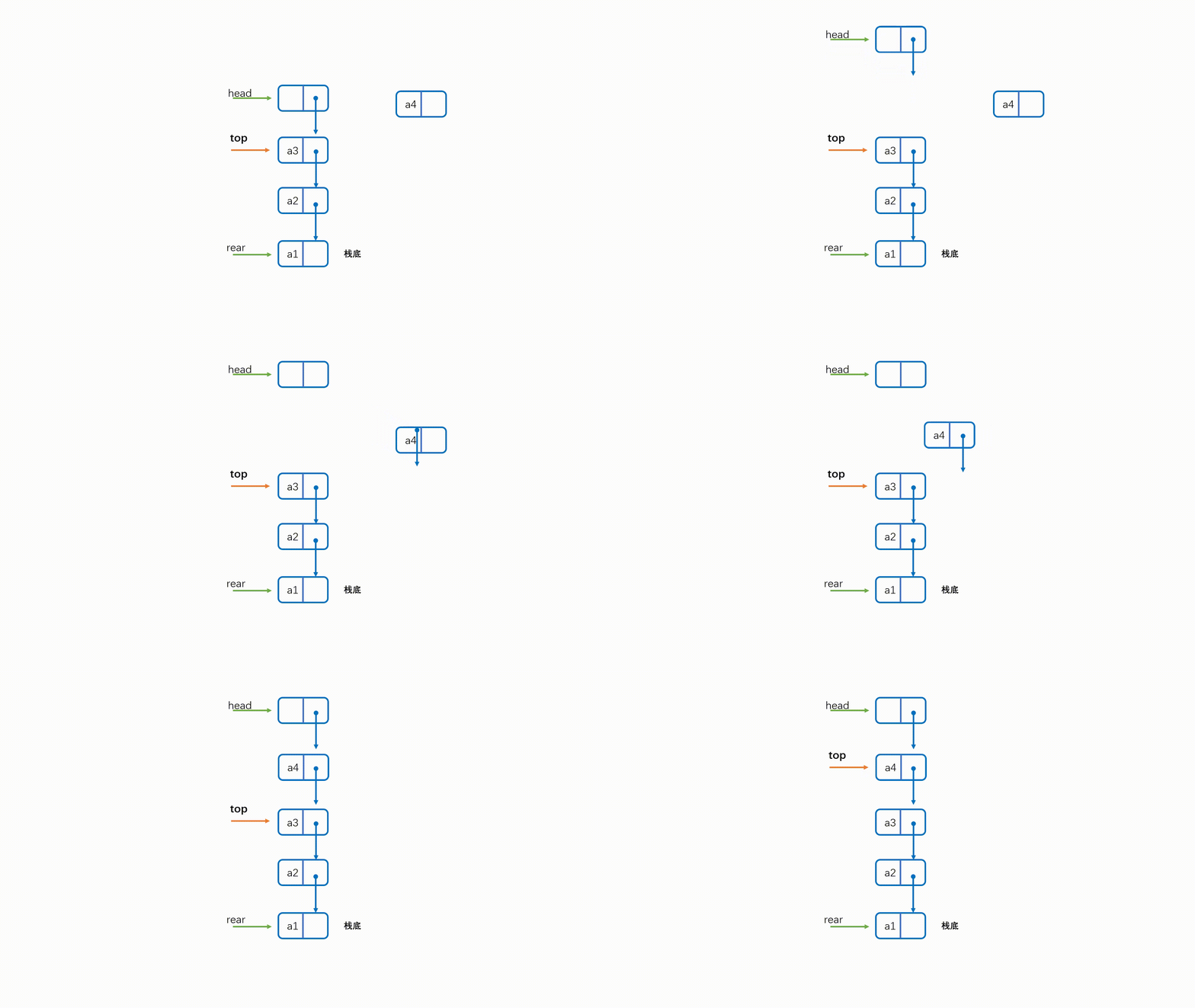
🎈线性表实现栈:


🎈栈的具体实现
🎈stak.h 定义函数,结构体,所需要的头文件
#pragma once
#include<stdio.h>
#include<stdlib.h>
#include<assert.h>
#include<stdbool.h>
typedef int STDataType;

typedef struct Stack
{
	STDataType* a;
	int top;
	int capacity;
} ST;

void StackInit(ST*ps);//初始化栈
void StackPush(ST* ps, STDataType x);//入栈
void StackPop(ST*ps);//出栈
int  StackSize(ST*ps);//栈中数据的数量
bool StackEmpty(ST* ps);//判断栈是否为空
STDataType StackTop(ST* ps);//栈顶元素
void Destroy(ST* ps);//销毁栈
🎈stack.c实现函数
🎈 StackInit(ST*ps);//初始化栈
void StackInit(ST* ps)
{
	assert(ps);
	ps->a = NULL;
	ps->top = 0;
	ps->capacity = 0;
}
🎈StackPush(ST* ps, STDataType x);//入栈
void StackPush(ST* ps, STDataType x)
{
	assert(ps);
	if (ps->top == ps->capacity)
	{
		int newCapacity = ps->capacity == 0 ? 4 : (ps->capacity * 2);
		ps->a = (STDataType*)realloc(ps->a, sizeof(STDataType) * newCapacity);
		if (ps->a == NULL)
		{
			printf("realloc fail\n");
			exit(-1);
		}
		ps->capacity = newCapacity;
	}

	ps->a[ps->top] = x;
	ps->top++;
}
🎈StackPop(ST*ps);//出栈
void StackPop(ST* ps)
{
	assert(ps);
	assert(ps->top > 0);
	--ps->top;
}
🎈StackSize(ST*ps);//栈中数据的数量
int  StackSize(ST* ps)
{
	assert(ps);
	return ps->top;
}
🎈StackEmpty(ST* ps);//判断栈是否为空
bool StackEmpty(ST* ps)
{
	assert(ps);

	return (ps->top == 0);
}
🎈StackTop(ST* ps);//栈顶元素
STDataType StackTop(ST* ps)
{
	assert(ps);
	assert(ps->top > 0);
	return ps->a[ps->top - 1];
}
🎈Destroy(ST* ps);//销毁栈
void Destroy(ST* ps)
{
	assert(ps);
	free(ps->a);
	ps->top = ps->capacity = 0;
}
🎈stack.c完整代码
#define _CRT_SECURE_NO_WARNINGS 1
#include"stack.h"
void StackInit(ST* ps)
{
	assert(ps);
	ps->a = NULL;
	ps->top = 0;
	ps->capacity = 0;
}

void StackPush(ST* ps, STDataType x)
{
	assert(ps);
	if (ps->top == ps->capacity)
	{
		int newCapacity = ps->capacity == 0 ? 4 : (ps->capacity * 2);
		ps->a = (STDataType*)realloc(ps->a, sizeof(STDataType) * newCapacity);
		if (ps->a == NULL)
		{
			printf("realloc fail\n");
			exit(-1);
		}
		ps->capacity = newCapacity;
	}

	ps->a[ps->top] = x;
	ps->top++;
}

void StackPop(ST* ps)
{
	assert(ps);
	assert(ps->top > 0);
	--ps->top;
}

int  StackSize(ST* ps)
{
	assert(ps);
	return ps->top;
}

bool StackEmpty(ST* ps)
{
	assert(ps);

	return (ps->top == 0);
}

STDataType StackTop(ST* ps)
{
	assert(ps);
	assert(ps->top > 0);
	return ps->a[ps->top - 1];
}

void Destroy(ST* ps)
{
	assert(ps);
	free(ps->a);
	ps->top = ps->capacity = 0;
}
🎈结语
都看到这里了点个赞呗








 扫一扫
扫一扫


 230
230

 被折叠的 条评论
为什么被折叠?
被折叠的 条评论
为什么被折叠?
 到【灌水乐园】发言





