




 本文介绍了一种常用的设计模式——迭代器模式,并通过一个简单的int容器实现进行详细讲解。该模式能够为各种容器提供一致的访问接口,隐藏了容器内部的具体实现细节。
适用场景
用于遍历容器,隐藏访问细节,为所有的容器提供统一的遍历接口。
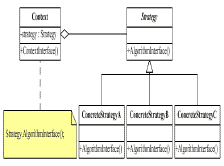
类图

实例代码
我写了一个int的容器用来简单说明一下
Aggregate:
public interface Aggregate {
    Iterator iterator();
    int get(int index);
}
ConcreteAggregate:
public class ConcreteAggregate implements Aggregate{
    int[] nums;

    public ConcreteAggregate() {
        nums=new int[10];
        for(int i=0;i<10;i++)
            nums[i]=i*i;
    }

    public int get(int index){
        return nums[index];
    }

    @Override
    public Iterator iterator() {
        return new ConcreteIterator(this);
    }
}
Iterator:
public interface Iterator {
    boolean hasNext();
    Object next();
}
ConcreteIterator
public class ConcreteIterator implements Iterator{
    Aggregate aggregate;
    int currIndex;

    public ConcreteIterator(Aggregate aggregate) {
        this.aggregate = aggregate;
        currIndex=0;
    }

    @Override
    public boolean hasNext() {
        return (currIndex<10)?true:false;
    }

    @Override
    public Object next() {
        return aggregate.get(currIndex++);
    }
}
Client:
public class Client {
    public static void main(String[] args){
        Aggregate aggregate=new ConcreteAggregate();
        Iterator it=aggregate.iterator();
        while(it.hasNext())
            System.out.print(it.next()+"\t");
    }
}





 扫一扫
扫一扫


 438
438

 被折叠的 条评论
为什么被折叠?
被折叠的 条评论
为什么被折叠?
 到【灌水乐园】发言





