






 本文详细介绍了如何在iOS应用中使用UITableView自定义头部和尾部视图,包括创建CustomHeaderView和CustomFooterView的步骤,以及在UIViewController中注册和显示它们的方法。
UITableView自定义TableHeader和TableFooter
我猜你希望的效果是这样的
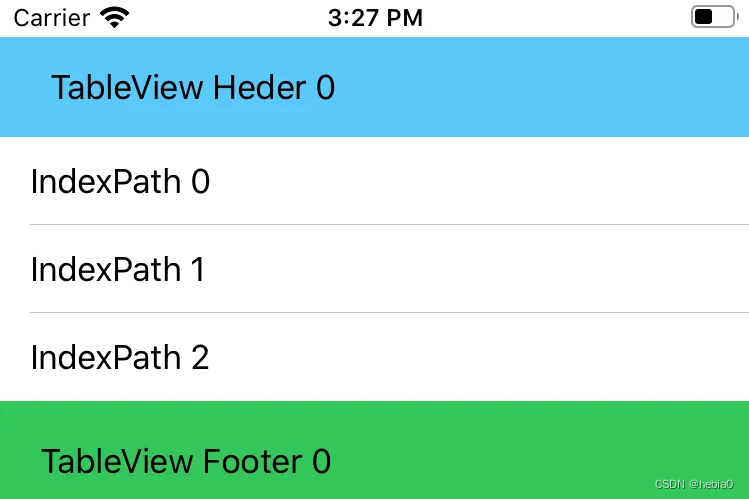
自定义页眉视图
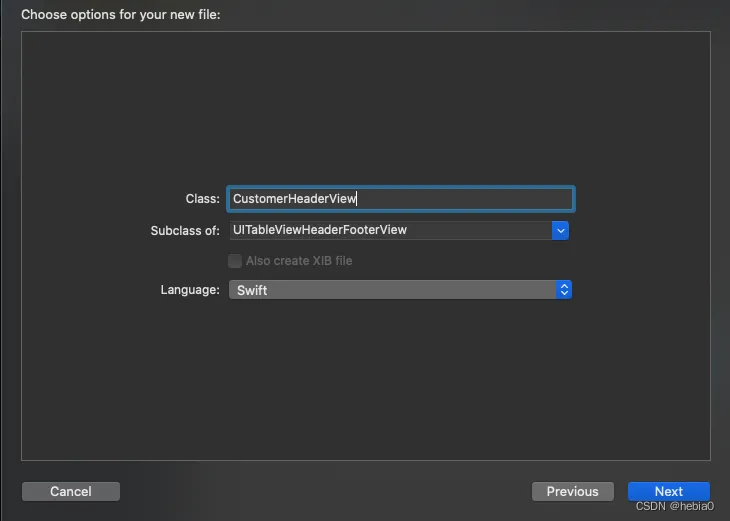
让我们创建一个文件名 UITableViewHeaderFooterView 的 CustomerHeaderView 子类。
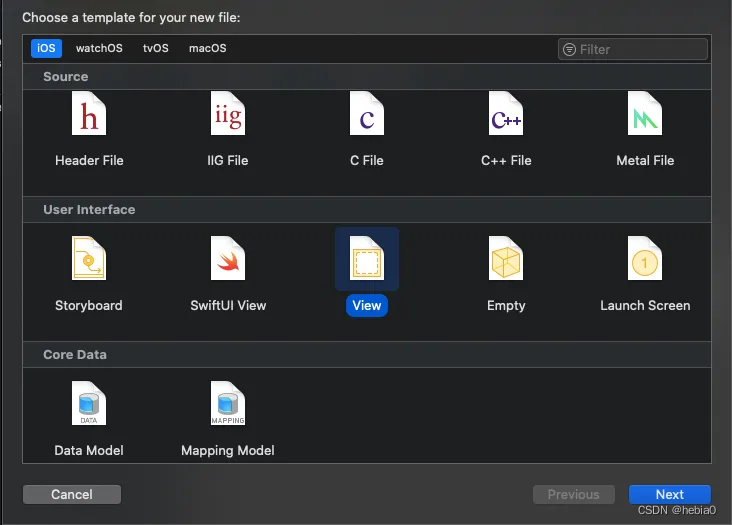
现在让我们创建视图的 Xib 文件并将其命名为 CustomHeaderView。
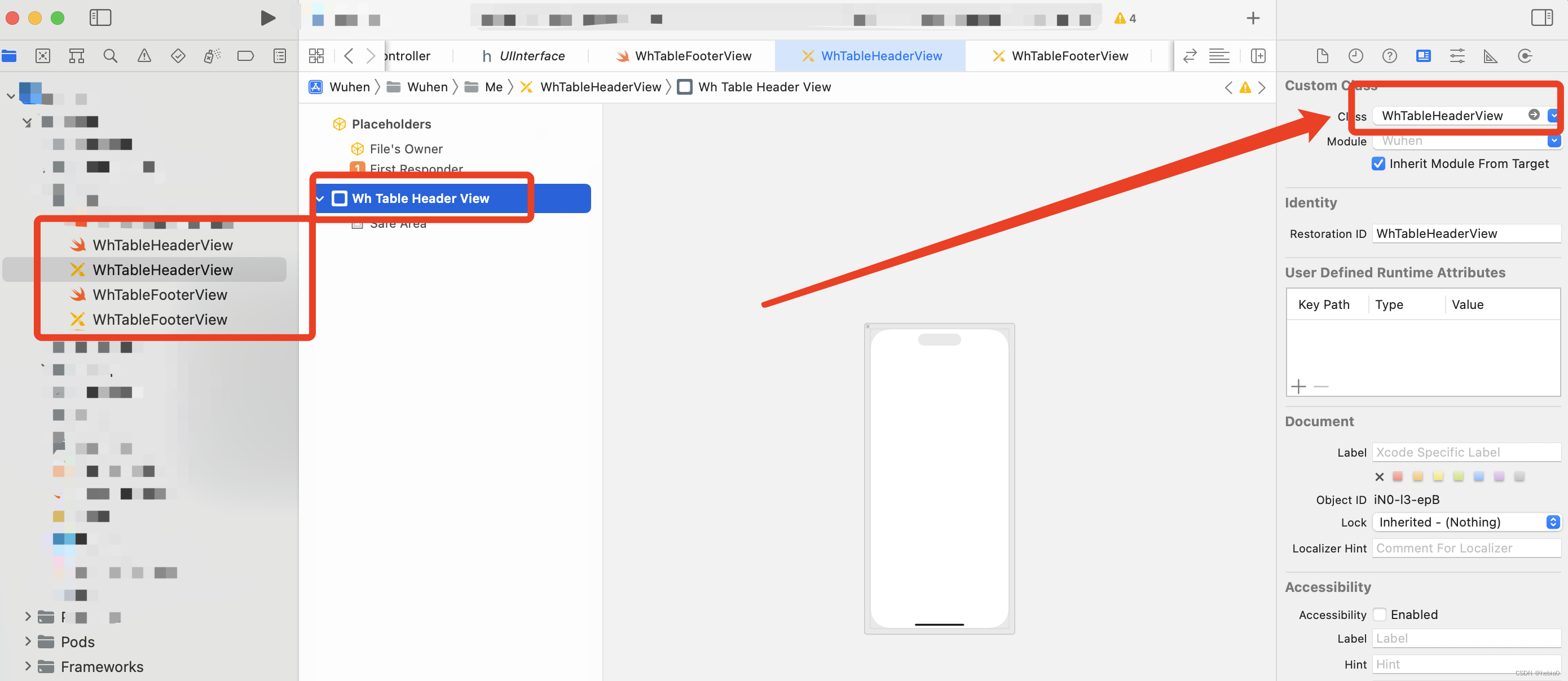
更改高度标题视图在创建的 XIB 文件中选择视图。在属性检查器中选择大小并将其大小设置为自由度
自定义页脚视图 让我们创建一个文件名 UITableViewHeaderFooterView 的客户页脚视图
子类并重复上述步骤。
在主类文件中,寄存器头视图和页脚视图在视图中的表视图DidLoad
class ViewController: UIViewController {
@IBOutlet weak var tableView: UITableView!
override func viewDidLoad() {
super.viewDidLoad()
tableView.delegate = self
tableView.dataSource = self
tableView.register(UINib(nibName: "CustomHeaderView", bundle: nil), forHeaderFooterViewReuseIdentifier: "CustomHeaderView")
tableView.register(UINib(nibName: "CustomFooterView", bundle: nil), forHeaderFooterViewReuseIdentifier: "CustomFooterView")
  }
}
    func tableView(_ tableView: UITableView, viewForHeaderInSection section: Int) -> UIView? {

        let indentifier = "CustomHeaderView"
        let cell = tableView.dequeueReusableHeaderFooterView(withIdentifier: indentifier)
        if section == 0 {
            cell?.contentView.backgroundColor = .cyan
        }
        if section == 1 {
            cell?.contentView.backgroundColor = .red
        }


        return cell
    }

    func tableView(_ tableView: UITableView, viewForFooterInSection section: Int) -> UIView? {
        let indentifier = "CustomHeaderView"
        let cell = tableView.dequeueReusableHeaderFooterView(withIdentifier: indentifier)
        cell?.contentView.backgroundColor = UIColor.tableSectionColor()

        return cell
    }


    func tableView(_ tableView: UITableView, heightForHeaderInSection section: Int) -> CGFloat {


        return 100
    }


    func tableView(_ tableView: UITableView, heightForFooterInSection section: Int) -> CGFloat {


        return 50
    }





 扫一扫
扫一扫


 1万+
1万+

 被折叠的 条评论
为什么被折叠?
被折叠的 条评论
为什么被折叠?
 到【灌水乐园】发言





