


一个好的面向对象系统会将内部封装起来,只留两个函数负责拷贝,在必要的时候编译器会自动为我们生成拷贝函数,这些编译默认生成的拷贝函数的行为就是将类的成员全部拷贝一份。
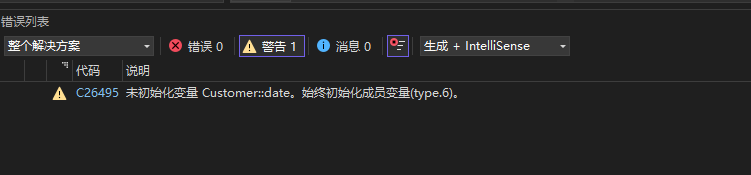
如果你声明自己的拷贝函数,再你增加成员变量的时候,不要忘记修改拷贝函数,因为即使你忘记再你的拷贝函数中添加新的成员变量,编译器并不会报错,在vs2022中会存在警告。
class Customer
{
public:
    Customer(const Customer& rhs)
    :name(rhs.name)
    {}

    Customer& opereator=(const Customer& rhs)
    {
        name = rhs.name;
        return *this;
    }
private:
    std::string name;
};
再添加一个成员变量
class Date
{
private:
	int year;
	int month;
	int day;
};

class Customer
{
public:
	Customer(const Customer& rhs)
		:name(rhs.name)
	{}

	Customer& operator=(const Customer& rhs)
	{
		name = rhs.name;
		return *this;
	}
private:
	std::string name;
	Date date;
};
如果忘记在拷贝构造中添加date 会出现一个警告,但是拷贝赋值不会出现警告。
这个条款最重要的部分是在继承体系中。
class PriorityCustomer : public Customer
{
public:
	PriorityCustomer()
		:priority(0)
	{}

	PriorityCustomer(const PriorityCustomer& rhs)
		:priority(rhs.priority)
	{}

	PriorityCustomer& operator=(const PriorityCustomer& rhs)
	{
		priority = rhs.priority;
	}
private:
	int priority;
};
这个拷贝函数看着没啥问题,实则问题大了,那我问你 你的基类成分去哪了? 你的基类成分难道不需要拷贝吗?
class PriorityCustomer : public Customer
{
public:
	PriorityCustomer()
		:priority(0)
	{}

	PriorityCustomer(const PriorityCustomer& rhs)
		:Customer(rhs) // 调用基类的拷贝构造
		,priority(rhs.priority)
	{}

	PriorityCustomer& operator=(const PriorityCustomer& rhs)
	{
		Customer::operator=(rhs); // 调用基类的拷贝赋值
		priority = rhs.priority;
	}
private:
	int priority;
};
用基类的指针或引用接受派生类,没错这就是切片。





 扫一扫
扫一扫


 1294
1294

 被折叠的 条评论
为什么被折叠?
被折叠的 条评论
为什么被折叠?
 到【灌水乐园】发言





