Traceback (most recent call last):
File "Main.py", line 18, in
if has_three_consecutive(s):
File "Main.py", line 9, in has_three_consecutive
if s[-2] == s[-1] == s[0]:
IndexError: string index out of range
/2343/str1.in: non-zero return = 1
Traceback (most recent call last):
File "Main.py", line 18, in
if has_three_consecutive(s):
File "Main.py", line 9, in has_three_consecutive
if s[-2] == s[-1] == s[0]:
IndexError: string index out of range
/2343/str10.in: non-zero return = 1
Traceback (most recent call last):
File "Main.py", line 18, in
if has_three_consecutive(s):
File "Main.py", line 9, in has_three_consecutive
if s[-2] == s[-1] == s[0]:
IndexError: string index out of range
/2343/str11.in: non-zero return = 1
Traceback (most recent call last):
File "Main.py", line 18, in
if has_three_consecutive(s):
File "Main.py", line 9, in has_three_consecutive
if s[-2] == s[-1] == s[0]:
IndexError: string index out of range
/2343/str12.in: non-zero return = 1
Traceback (most recent call last):
File "Main.py", line 18, in
if has_three_consecutive(s):
File "Main.py", line 9, in has_three_consecutive
if s[-2] == s[-1] == s[0]:
IndexError: string index out of range
/2343/str13.in: non-zero return = 1
Traceback (most recent call last):
File "Main.py", line 18, in
if has_three_consecutive(s):
File "Main.py", line 9, in has_three_consecutive
if s[-2] == s[-1] == s[0]:
IndexError: string index out of range
/2343/str14.in: non-zero return = 1
Traceback (most recent call last):
File "Main.py", line 18, in
if has_three_consecutive(s):
File "Main.py", line 9, in has_three_consecutive
if s[-2] == s[-1] == s[0]:
IndexError: string index out of range
/2343/str15.in: non-zero return = 1
Traceback (most recent call last):
File "Main.py", line 18, in
if has_three_consecutive(s):
File "Main.py", line 9, in has_three_consecutive
if s[-2] == s[-1] == s[0]:
IndexError: string index out of range
/2343/str16.in: non-zero return = 1
Traceback (most recent call last):
File "Main.py", line 18, in
if has_three_consecutive(s):
File "Main.py", line 9, in has_three_consecutive
if s[-2] == s[-1] == s[0]:
IndexError: string index out of range
/2343/str17.in: non-zero return = 1
Traceback (most recent call last):
File "Main.py", line 18, in
if has_three_consecutive(s):
File "Main.py", line 9, in has_three_consecutive
if s[-2] == s[-1] == s[0]:
IndexError: string index out of range
/2343/str18.in: non-zero return = 1
Traceback (most recent call last):
File "Main.py", line 18, in
if has_three_consecutive(s):
File "Main.py", line 9, in has_three_consecutive
if s[-2] == s[-1] == s[0]:
IndexError: string index out of range
/2343/str19.in: non-zero return = 1
Traceback (most recent call last):
File "Main.py", line 18, in
if has_three_consecutive(s):
File "Main.py", line 9, in has_three_consecutive
if s[-2] == s[-1] == s[0]:
IndexError: string index out of range
/2343/str2.in: non-zero return = 1
Traceback (most recent call last):
File "Main.py", line 18, in
if has_three_consecutive(s):
File "Main.py", line 9, in has_three_consecutive
if s[-2] == s[-1] == s[0]:
IndexError: string index out of range
/2343/str20.in: non-zero return = 1
Traceback (most recent call last):
File "Main.py", line 18, in
if has_three_consecutive(s):
File "Main.py", line 9, in has_three_consecutive
if s[-2] == s[-1] == s[0]:
IndexError: string index out of range
/2343/str21.in: non-zero return = 1
Traceback (most recent call last):
File "Main.py", line 18, in
if has_three_consecutive(s):
File "Main.py", line 9, in has_three_consecutive
if s[-2] == s[-1] == s[0]:
IndexError: string index out of range
/2343/str22.in: non-zero return = 1
Traceback (most recent call last):
File "Main.py", line 18, in
if has_three_consecutive(s):
File "Main.py", line 9, in has_three_consecutive
if s[-2] == s[-1] == s[0]:
IndexError: string index out of range
/2343/str23.in: non-zero return = 1
Traceback (most recent call last):
File "Main.py", line 18, in
if has_three_consecutive(s):
File "Main.py", line 9, in has_three_consecutive
if s[-2] == s[-1] == s[0]:
IndexError: string index out of range
/2343/str24.in: non-zero return = 1
Traceback (most recent call last):
File "Main.py", line 18, in
if has_three_consecutive(s):
File "Main.py", line 9, in has_three_consecutive
if s[-2] == s[-1] == s[0]:
IndexError: string index out of range
/2343/str25.in: non-zero return = 1
Traceback (most recent call last):
File "Main.py", line 18, in
if has_three_consecutive(s):
File "Main.py", line 9, in has_three_consecutive
if s[-2] == s[-1] == s[0]:
IndexError: string index out of range
/2343/str3.in: non-zero return = 1
Traceback (most recent call last):
File "Main.py", line 18, in
if has_three_consecutive(s):
File "Main.py", line 9, in has_three_consecutive
if s[-2] == s[-1] == s[0]:
IndexError: string index out of range
/2343/str4.in: non-zero return = 1
Traceback (most recent call last):
File "Main.py", line 18, in
if has_three_consecutive(s):
File "Main.py", line 9, in has_three_consecutive
if s[-2] == s[-1] == s[0]:
IndexError: string index out of range
/2343/str5.in: non-zero return = 1
Traceback (most recent call last):
File "Main.py", line 18, in
if has_three_consecutive(s):
File "Main.py", line 9, in has_three_consecutive
if s[-2] == s[-1] == s[0]:
IndexError: string index out of range
/2343/str6.in: non-zero return = 1
Traceback (most recent call last):
File "Main.py", line 18, in
if has_three_consecutive(s):
File "Main.py", line 9, in has_three_consecutive
if s[-2] == s[-1] == s[0]:
IndexError: string index out of range
/2343/str7.in: non-zero return = 1
Traceback (most recent call last):
File "Main.py", line 18, in
if has_three_consecutive(s):
File "Main.py", line 9, in has_three_consecutive
if s[-2] == s[-1] == s[0]:
IndexError: string index out of range
/2343/str8.in: non-zero return = 1
Traceback (most recent call last):
File "Main.py", line 18, in
if has_three_consecutive(s):
File "Main.py", line 9, in has_three_consecutive
if s[-2] == s[-1] == s[0]:
IndexError: string index out of range
/2343/str9.in: non-zero return = 1
----time_space_table:----
/2343/str1.in:RE mem=15216k time=25ms
/2343/str10.in:RE mem=15216k time=19ms
/2343/str11.in:RE mem=15216k time=23ms
/2343/str12.in:RE mem=15216k time=21ms
/2343/str13.in:RE mem=15216k time=23ms
/2343/str14.in:RE mem=15216k time=22ms
/2343/str15.in:RE mem=15216k time=18ms
/2343/str16.in:RE mem=15216k time=21ms
/2343/str17.in:RE mem=15216k time=17ms
/2343/str18.in:RE mem=15216k time=18ms
/2343/str19.in:RE mem=15216k time=21ms
/2343/str2.in:RE mem=15216k time=23ms
/2343/str20.in:RE mem=15216k time=17ms
/2343/str21.in:RE mem=15216k time=23ms
/2343/str22.in:RE mem=15216k time=20ms
/2343/str23.in:RE mem=15216k time=22ms
/2343/str24.in:RE mem=15216k time=21ms
/2343/str25.in:RE mem=15216k time=20ms
/2343/str26.in:WA mem=15216k time=18ms
/2343/str3.in:RE mem=15216k time=18ms
/2343/str4.in:RE mem=15216k time=25ms
/2343/str5.in:RE mem=15216k time=19ms
/2343/str6.in:RE mem=15216k time=21ms
/2343/str7.in:RE mem=15216k time=20ms
/2343/str8.in:RE mem=15216k time=24ms
/2343/str9.in:RE mem=15216k time=21ms
最新发布



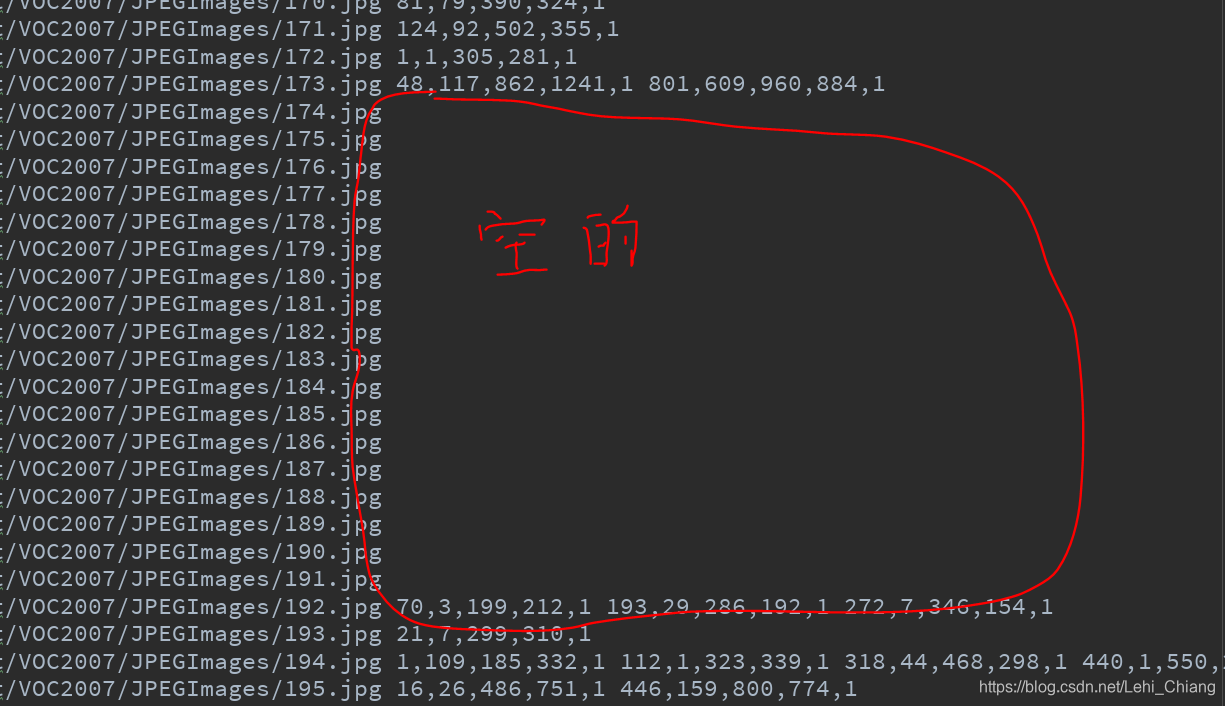
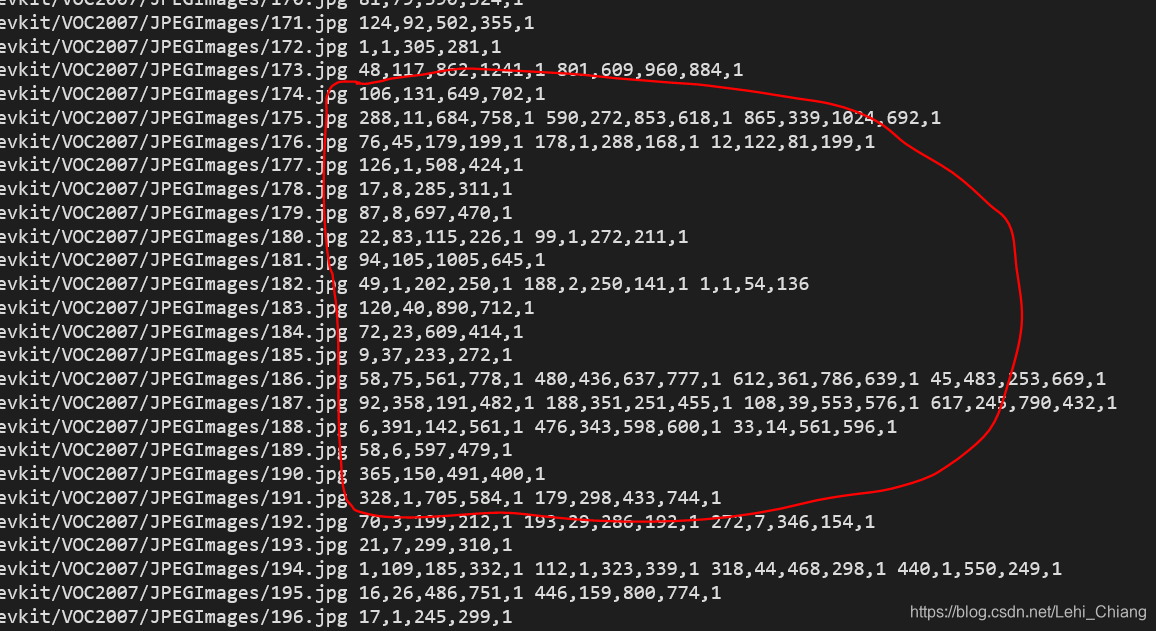
 在使用Keras实现YOLOv3时遇到数据集错误,错误表现为在某些图片的2007_train.txt文件中缺少bbox数据。尝试手动添加bbox信息导致新的错误。解决办法是理解bbox数量应与训练数据集匹配,无需为没有bbox的图片添加额外信息,因为这会导致索引超出数组范围。






 扫一扫
扫一扫


 650
650

 被折叠的 条评论
为什么被折叠?
被折叠的 条评论
为什么被折叠?
 到【灌水乐园】发言





