
Short-Circuit Constraint: Between Pad J3-4(5549.469mil,574.842mil) on Multi-Layer And Pad J3-5(5915.

Short-Circuit Constraint: Between Pad J3-4(5549.469mil,574.842mil) on Multi-Layer And Pad J3-5(5915.611mil,496.102mil) on Multi-Layer Pads have the same JumperID: 1 but different Nets: (No Net) and NetD12_2
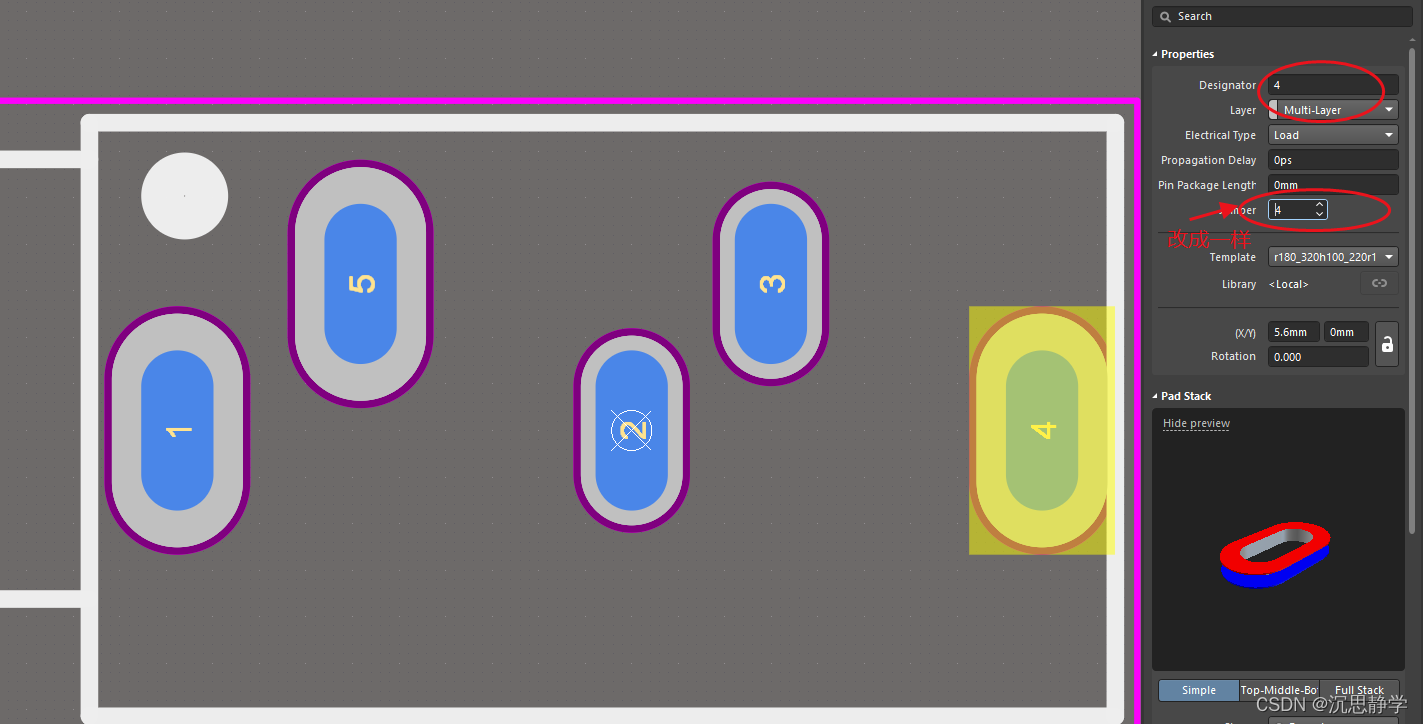
 

### Short-Circuit Constraint Solution for Pad J3 in Circuit Design In circuit design, a short-circuit constraint refers to the prevention of unintended electrical connections that could lead to malfunction or damage. For Pad J3, ensuring no short circuits occur involves both design and verification processes. Here are some approaches to address short-circuit constraints: 1. **Design Rule Checking (DRC)**: Utilize DRC tools during the layout phase to automatically detect any potential short circuits. These tools can verify spacing between metal layers, vias, and pads against predefined rules[^3]. Ensuring that Pad J3 adheres strictly to these rules is crucial. 2. **Electrical Rule Checking (ERC)**: ERC complements DRC by analyzing the electrical aspects of the design. It checks for improper connections, such as multiple outputs driving the same net without proper buffering, which could cause a short circuit on Pad J3[^4]. 3. **Netlist Analysis**: Perform a thorough analysis of the netlist to ensure that Pad J3 is not inadvertently connected to another pad or internal node through an unintended path. This step often involves manual inspection alongside automated tools to identify complex interconnections[^5]. 4. **Power and Ground Connections**: Verify that power and ground connections around Pad J3 are correctly implemented. Improper routing of power or ground lines can lead to short circuits if they accidentally connect to signal lines associated with Pad J3[^6]. 5. **Simulation and Verification**: Use simulation tools to model different scenarios where Pad J3 might encounter a short circuit. This includes transient analysis to observe how the circuit behaves under fault conditions, helping to identify weak points in the design[^7]. ```python # Example Python script for simulating short-circuit conditions def simulate_short_circuit(voltage, resistance): current = voltage / resistance # Ohm's Law return current voltage = 5 # Volts resistance = 0.1 # Ohms (low resistance to simulate short) current = simulate_short_circuit(voltage, resistance) print(f"Simulated short-circuit current: {current} A") ```
评论 2
成就一亿技术人!
拼手气红包6.0元
还能输入1000个字符
 
红包 添加红包
表情包 插入表情
 条评论被折叠 查看
添加红包

请填写红包祝福语或标题

红包个数最小为10个

红包金额最低5元

当前余额3.43前往充值 >
需支付:10.00
成就一亿技术人!
领取后你会自动成为博主和红包主的粉丝 规则
hope_wisdom
发出的红包
实付
使用余额支付
点击重新获取
扫码支付
钱包余额 0

抵扣说明:

1.余额是钱包充值的虚拟货币,按照1:1的比例进行支付金额的抵扣。
2.余额无法直接购买下载,可以购买VIP、付费专栏及课程。

余额充值


