



 本博文深入解析Redis中的数据持久化选项,包括快照(snapshotting)和AOF(append-only file)方法,并阐述了Redis的复制机制如何通过主从服务器实时同步数据以实现水平扩展。
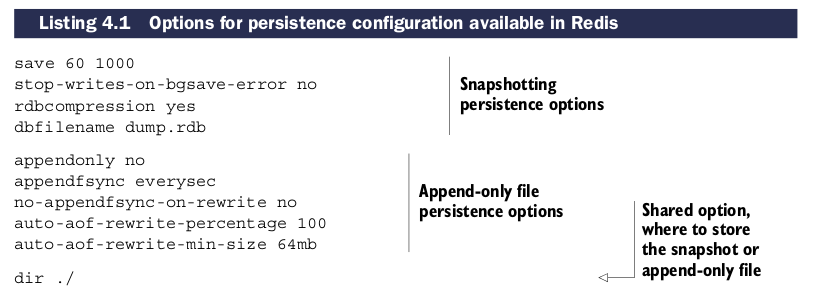
Persistence options
Within Redis, there are two different ways of persisting data to disk. One is a method called snapshotting that takes the data as it exists at one moment in time and writes it to disk. The other method is called AOF, or append-only file, and it works by copying incoming write commands to disk as they happen. These methods can be used together, separately, or not at all in some circumstances. Which to choose will depend on your data and your application.
Replication
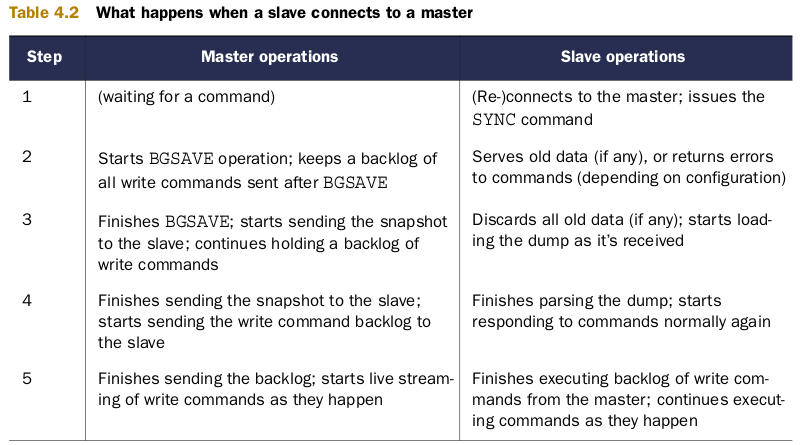
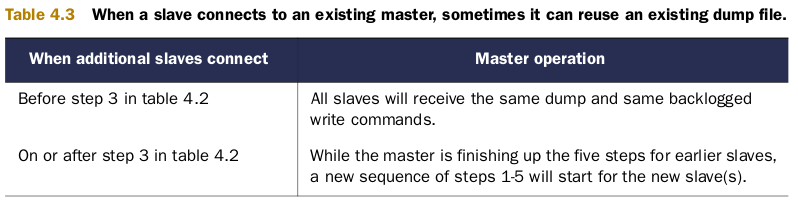
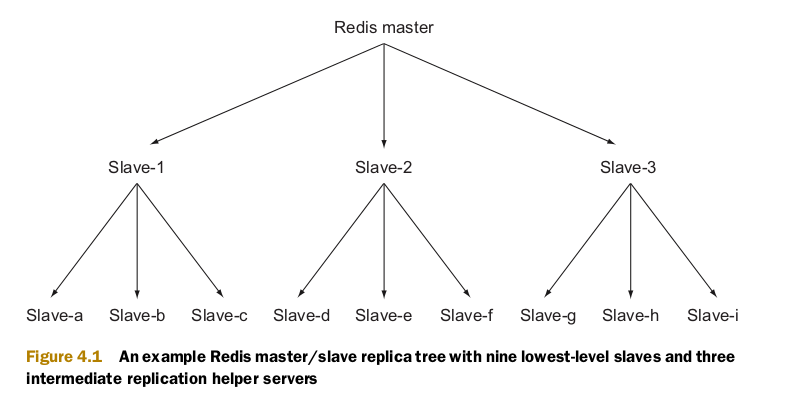
Replication is a method by which other servers receive a continuously updated copy of the data as it’s being written, so that the replicas can service read queries. In the relational database world, it’s not uncommon for a single master database to send writes out to multiple slaves, with the slaves performing all of the read queries. Redis has adopted this method of replication as a way of helping to scale.
After receiving an initial copy of the data from the master, slaves are kept up to date in real time as clients write data to the master. With a master/slave setup, instead of connecting to the master for reading data, clients will connect to one of the slaves to read their data (typically choosing them in a random fashion to try to balance the load).





 扫一扫
扫一扫


 2000
2000

 被折叠的 条评论
为什么被折叠?
被折叠的 条评论
为什么被折叠?
 到【灌水乐园】发言





