



文章目录
推荐阅读:
【01】Netty从0到1系列之I/O模型
【02】Netty从0到1系列之NIO
【03】Netty从0到1系列之Selector
【04】Netty从0到1系列之Channel
【05】Netty从0到1系列之Buffer(上)
【06】Netty从0到1系列之Buffer(下)
【07】Netty从0到1系列之零拷贝技术
【08】Netty从0到1系列之整体架构、入门程序
【09】Netty从0到1系列之EventLoop
【10】Netty从0到1系列之EventLoopGroup
【11】Netty从0到1系列之Future
【12】Netty从0到1系列之Promise
一、Channel
1.1 Channel是什么?
在 Netty 中,Channel 是网络通信的核心抽象,代表了一个到网络套接字或能够执行 I/O 操作(如读、写、连接和绑定)的组件的连接。它是对 Java NIO Channel 的增强和扩展,提供了更丰富、更易用的 API。
Channel 的核心特性:
- 全双工操作:可以同时进行读和写操作
- 异步非阻塞:所有 I/O 操作都是异步的,立即返回 ChannelFuture
- 事件驱动:通过 ChannelPipeline 处理各种 I/O 事件和用户自定义事件
- 类型安全:强类型的消息传递和处理
Channel与底层网络连接的关系
关键特性:
- 每个 Channel 对应一个底层网络连接(如 TCP 连接)
- Channel 提供了统一的 API,屏蔽了不同传输协议的差异
- Channel 的生命周期与底层连接的生命周期一致
- 所有 Channel 操作都是异步的
1.2 Channel继承体系与类型
public interface Channel extends AttributeMap, Comparable<Channel> {
    // 获取配置
    ChannelConfig config();

    // 获取事件循环
    EventLoop eventLoop();

    // 获取管道
    ChannelPipeline pipeline();

    // 异步 I/O 操作
    ChannelFuture bind(SocketAddress localAddress);
    ChannelFuture connect(SocketAddress remoteAddress);
    ChannelFuture write(Object msg);
    ChannelFuture flush();
    ChannelFuture writeAndFlush(Object msg);
    ChannelFuture close();

    // 状态查询
    boolean isOpen();
    boolean isActive();
    boolean isRegistered();
}
Netty 提供了多种 Channel 实现,支持不同的传输协议:
    -> AbstractChannel
        -> AbstractNioChannel
            -> AbstractNioByteChannel
                -> NioSocketChannel       // TCP 客户端
            -> AbstractNioMessageChannel
                -> NioServerSocketChannel // TCP 服务器
        -> AbstractOioChannel             // 阻塞式 I/O
        -> AbstractEpollChannel           // Linux epoll
        -> AbstractKQueueChannel          // BSD kqueue
    -> EmbeddedChannel                    // 用于测试
继承关系图
架构图:
✅ 关键实现:
NioSocketChannel:客户端 TCP 连接NioServerSocketChannel:服务端 TCP 监听DatagramChannel:UDP 连接
1.3 Channel 的核心角色与定位
🌟 核心职责:
- 网络连接的抽象(TCP、UDP、HTTP 等)
- I/O 操作的统一入口(
read,write,connect,bind)- 事件传播的载体(通过
ChannelPipeline)- 配置与状态管理(
ChannelConfig)- 与
EventLoop绑定,实现无锁串行化
1.4 ✅ Channel 的底层实现原理
1.4.1 与Java NIO封装关系
Netty 的 Channel是对 JDK SelectableChannel 的增强封装:
| Netty | JDK NIO | 说明 |
|---|---|---|
| NioSocketChannel | SocketChannel | 客户端连接 |
| NioServerSocketChannel | ServerSocketChannel | 服务端监听 |
| ChannelPipeline | —— | 事件处理管道 |
| ChannelHandler | —— | 业务逻辑处理器 |
🔑 优势:Netty 解决了 NIO 的复杂性(如 ByteBuffer 管理、空轮询 Bug),提供了更高层的抽象。
1.4.2 无锁串行化(Lock-Free Serial Execution)
- 每个
Channel唯一绑定一个EventLoop - 所有该
Channel的操作由同一个线程执行 - 天然线程安全,无需同步
// 多个线程调用 write,最终由 EventLoop 线程串行执行
channel.write("msg1"); // Thread-A
channel.write("msg2"); // Thread-B
// → 都被提交到该 Channel 的 EventLoop 任务队列
1.4.3 Channel的生命周期
🌟 状态说明:
unregistered:未注册到 EventLoopregistered:已注册,但未连接active:连接已建立,可读写inactive:连接已关闭
1.5 服务端Channel处理多个客户端连接
服务器端
package cn.tcmeta.demo03;

import io.netty.bootstrap.ServerBootstrap;
import io.netty.buffer.Unpooled;
import io.netty.channel.*;
import io.netty.channel.nio.NioEventLoopGroup;
import io.netty.channel.socket.SocketChannel;
import io.netty.channel.socket.nio.NioServerSocketChannel;

/**
 * @author: laoren
 * @description: Netty服务器
 * @version: 1.0.0
 */
public class ChannelServerExample {
    public static void main(String[] args) {
        EventLoopGroup bossGroup = new NioEventLoopGroup(1);
        EventLoopGroup workerGroup = new NioEventLoopGroup(2);

        try {
            ServerBootstrap bootstrap = new ServerBootstrap();
            bootstrap.group(bossGroup, workerGroup)
                    .channel(NioServerSocketChannel.class)
                    .childHandler(new ChannelInitializer<SocketChannel>() {
                        @Override
                        protected void initChannel(SocketChannel ch) throws Exception {
                            ChannelPipeline pipeline = ch.pipeline();

                            // 每个客户端连接都会创建一个独立的 Channel
                            System.out.println("🆕 新客户端连接: " + ch.remoteAddress() +
                                    ", Channel ID: " + ch.id() +
                                    ", Thread: " + ch.eventLoop().getClass().getName());

                            pipeline.addLast(new SimpleChannelInboundHandler<Object>() {
                                @Override
                                protected void channelRead0(ChannelHandlerContext ctx, Object msg) throws Exception {
                                    System.out.println("📩 来自 " + ctx.channel().remoteAddress() + " 的消息: " + msg);

                                    // 将数据回写给客户端
                                    // 回写
                                    ctx.writeAndFlush(Unpooled.copiedBuffer(
                                            "Echo: " + msg.toString(),
                                            java.nio.charset.StandardCharsets.UTF_8));
                                }

                                @Override
                                public void channelInactive(ChannelHandlerContext ctx) throws Exception {
                                    System.out.println("🔌 客户端断开: " + ctx.channel().remoteAddress());
                                }
                            });
                        }
                    });

            ChannelFuture future = bootstrap.bind(8080).sync();
            System.out.println("🚀 服务器启动,监听 8080 端口");
            future.channel().closeFuture().sync();
        } catch (InterruptedException e) {
            throw new RuntimeException(e);
        } finally {
            bossGroup.shutdownGracefully();
            workerGroup.shutdownGracefully();
        }
    }
}
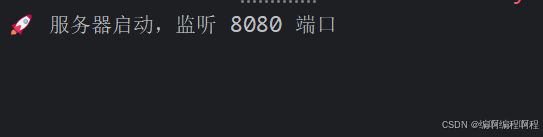
当有客户端连接到服务器的时候,日志输出:
🚀 服务器启动,监听 8080 端口
🆕 新客户端连接: /127.0.0.1:11352, Channel ID: a87893df, Thread: io.netty.channel.nio.NioEventLoop
📩 来自 /127.0.0.1:11352 的消息: PooledUnsafeDirectByteBuf(ridx: 0, widx: 14, cap: 2048)
🔌 客户端断开: /127.0.0.1:11352
1.6 Channel基本操作与状态监控
客户端代码: 主要监控Channel的各种状态
第1步: 先启动1.5的服务端代码
第2步: 再启动1.6的客户端代码
第3步: 看日志输出, 多次连接, 观察不同的ChannelID和EventLoop线程
package cn.tcmeta.demo03;

import io.netty.bootstrap.Bootstrap;
import io.netty.buffer.Unpooled;
import io.netty.channel.*;
import io.netty.channel.nio.NioEventLoopGroup;
import io.netty.channel.socket.SocketChannel;
import io.netty.channel.socket.nio.NioServerSocketChannel;
import io.netty.channel.socket.nio.NioSocketChannel;

/**
 * 演示 Channel 的基本操作与状态监控
 */
public class ChannelBasicExample {

    public static void main(String[] args) throws Exception {
        EventLoopGroup group = new NioEventLoopGroup();

        try {
            Bootstrap bootstrap = new Bootstrap();
            bootstrap.group(group)
                    .channel(NioSocketChannel.class)
                    .handler(new ChannelInitializer<SocketChannel>() {
                        @Override
                        protected void initChannel(SocketChannel ch) {
                            ChannelPipeline pipeline = ch.pipeline();
                            // 添加日志处理器,监控 Channel 事件
                            pipeline.addLast("logger", new ChannelInboundHandlerAdapter() {
                                @Override
                                public void channelRegistered(ChannelHandlerContext ctx) {
                                    System.out.println("✅ Channel 注册: " + ctx.channel().id());
                                }

                                @Override
                                public void channelActive(ChannelHandlerContext ctx) {
                                    System.out.println("🔥 Channel 激活 (连接建立): " +
                                            ctx.channel().remoteAddress());
                                    // 连接成功后发送消息
                                    ctx.writeAndFlush(Unpooled.copiedBuffer(
                                            "Hello Server!\n",
                                            java.nio.charset.StandardCharsets.UTF_8));
                                }

                                @Override
                                public void channelRead(ChannelHandlerContext ctx, Object msg) {
                                    System.out.println("📩 收到消息: " + msg);
                                    ctx.close(); // 关闭连接
                                }

                                @Override
                                public void channelInactive(ChannelHandlerContext ctx) {
                                    System.out.println("💤 Channel 关闭: " + ctx.channel().id());
                                }

                                @Override
                                public void exceptionCaught(ChannelHandlerContext ctx, Throwable cause) {
                                    System.err.println("❌ 异常: " + cause.getMessage());
                                    ctx.close();
                                }
                            });
                        }
                    });

            // 连接服务器
            ChannelFuture future = bootstrap.connect("127.0.0.1", 8080).sync();
            // 获取 Channel 实例
            Channel channel = future.channel();
            System.out.println("🔗 Channel ID: " + channel.id());
            System.out.println("⚙️ Channel 配置: " + channel.config());
            System.out.println("🧵 绑定的 EventLoop: " + channel.eventLoop().getClass().getName());

            // 监控 Channel 状态
            System.out.println("📡 isOpen: " + channel.isOpen());
            System.out.println("⚡ isActive: " + channel.isActive());
            System.out.println("🔖 isRegistered: " + channel.isRegistered());

            // 等待连接关闭
            future.channel().closeFuture().sync();

        } finally {
            group.shutdownGracefully();
        }
    }
}
当客户端连接到服务器成功时候的日志输出:
✅ Channel 注册: 2d784a9c
🔥 Channel 激活 (连接建立): /127.0.0.1:8080
🔗 Channel ID: 2d784a9c
⚙️ Channel 配置: io.netty.channel.socket.nio.NioSocketChannel$NioSocketChannelConfig@1de5f259
🧵 绑定的 EventLoop: io.netty.channel.nio.NioEventLoop
📡 isOpen: true
⚡ isActive: true
🔖 isRegistered: true
📩 收到消息: PooledUnsafeDirectByteBuf(ridx: 0, widx: 61, cap: 2048)
💤 Channel 关闭: 2d784a9c
1.7 Channel的关键特性与底层优化
1.7.1 ✅ 异步 API 设计
所有 I/O 操作返回 ChannelFuture,实现异步非阻塞:
ChannelFuture future = channel.writeAndFlush("Hello");
future.addListener((ChannelFutureListener) f -> {
    if (f.isSuccess()) {
        System.out.println("✅ 发送成功");
    } else {
        System.err.println("❌ 发送失败: " + f.cause());
    }
});
1.7.2 ✅ 零拷贝支持
FileRegion:直接发送文件,避免用户态拷贝CompositeByteBuf:合并多个ByteBuf,减少write系统调用
1.7.3 ✅ 属性存储(AttributeMap)
// 为 Channel 存储自定义属性
AttributeKey<String> USER_KEY = AttributeKey.valueOf("user");
channel.attr(USER_KEY).set("zhangsan");

// 后续可获取
String user = channel.attr(USER_KEY).get();
1.7.4 Channel的常用操作
public static void demonstrateChannelOperations(Channel channel) {
    // 1. 检查 Channel 的状态
    System.out.println("Channel 是否活跃: " + channel.isActive());
    System.out.println("Channel 是否打开: " + channel.isOpen());
    System.out.println("Channel 是否可写: " + channel.isWritable());

    // 2. 获取 Channel 的元数据
    ChannelConfig config = channel.config();
    System.out.println("连接超时设置: " + config.getConnectTimeoutMillis());

    // 3. 写入数据到Channel
    ByteBuf buffer = Unpooled.copiedBuffer("Hello Netty!", CharsetUtil.UTF_8);
    ChannelFuture writeFuture = channel.writeAndFlush(buffer);

    // 4. 添加写入操作监听器
    writeFuture.addListener(future -> {
        if (future.isSuccess()) {
            System.out.println("数据写入成功!");
        } else {
            System.out.println("数据写入失败: " + future.cause());
        }
    });

    // 5. 获取Channel 的远程地址和本地地址
    if (channel.remoteAddress() != null) {
        System.out.println("远程地址: " + channel.remoteAddress());
    }

    if (channel.localAddress() != null) {
        System.out.println("本地地址: " + channel.localAddress());
    }

    // 6. 关闭Channel
    ChannelFuture closeFuture = channel.close();
    closeFuture.addListener(future -> {
        if (future.isSuccess()) {
            System.out.println("Channel 关闭成功!");
        } else {
            System.out.println("Channel 关闭失败: " + future.cause());
        }
    });
}
1.8 Channel的最佳实践
✅ 推荐实践
| 实践 | 说明 |
|---|---|
使用 ChannelFuture 监听结果 | 避免阻塞等待 |
| 及时释放资源 | 调用 channel.close() |
使用 AttributeMap 存储会话数据 | 如用户登录信息 |
避免在 ChannelHandler 中阻塞 | 耗时操作提交到业务线程池 |
监控 Channel 状态 | 及时处理 inactive 事件 |
⚠️ 常见错误
// ❌ 错误:阻塞 I/O 线程
@Override
public void channelRead(ChannelHandlerContext ctx, Object msg) {
    Thread.sleep(5000); // 阻塞整个 EventLoop!
}

// ✅ 正确:异步处理
businessExecutor.execute(() -> {
    process(msg);
    ctx.writeAndFlush(result);
});
1.9 Channel 的优缺点总结
✅ 优点
| 优点 | 说明 |
|---|---|
| 统一抽象 | 支持 TCP、UDP、HTTP、WebSocket 等多种协议 |
| 异步非阻塞 | 高并发、低延迟 |
| 无锁串行化 | 天然线程安全 |
| 扩展性强 | 通过 ChannelPipeline 插入处理器 |
| 资源可控 | 可配置缓冲区大小、连接超时等 |
❌ 缺点
| 缺点 | 说明 |
|---|---|
| 学习成本高 | 需理解事件驱动、异步编程 |
| 调试困难 | 异步堆栈不直观 |
| 内存管理复杂 | ByteBuf 需手动释放 |
| 状态机复杂 | 生命周期状态较多 |
1.10 总结:Channel 的核心价值
| 维度 | 说明 |
|---|---|
| 核心思想 | 网络连接的统一抽象 + 无锁串行化 |
| 关键技术 | 异步 I/O、ChannelPipeline、EventLoop 绑定 |
| 性能优势 | 高吞吐、低延迟、高并发 |
| 设计精髓 | “一切皆 Channel” —— 所有网络操作都通过 Channel 完成 |
| 适用场景 | 所有网络通信场景(RPC、网关、游戏、物联网) |
1.11 一句话总结
Channel 是 Netty 的“生命线” —— 它通过 统一抽象 和 异步非阻塞 设计,将复杂的网络 I/O 操作简化为清晰的 API 调用,是构建高性能网络应用的基石。





 扫一扫
扫一扫


 410
410

 被折叠的 条评论
为什么被折叠?
被折叠的 条评论
为什么被折叠?
 到【灌水乐园】发言





