


电商数据采集的最佳选择:Bright Data 替代方案深度对比
前言
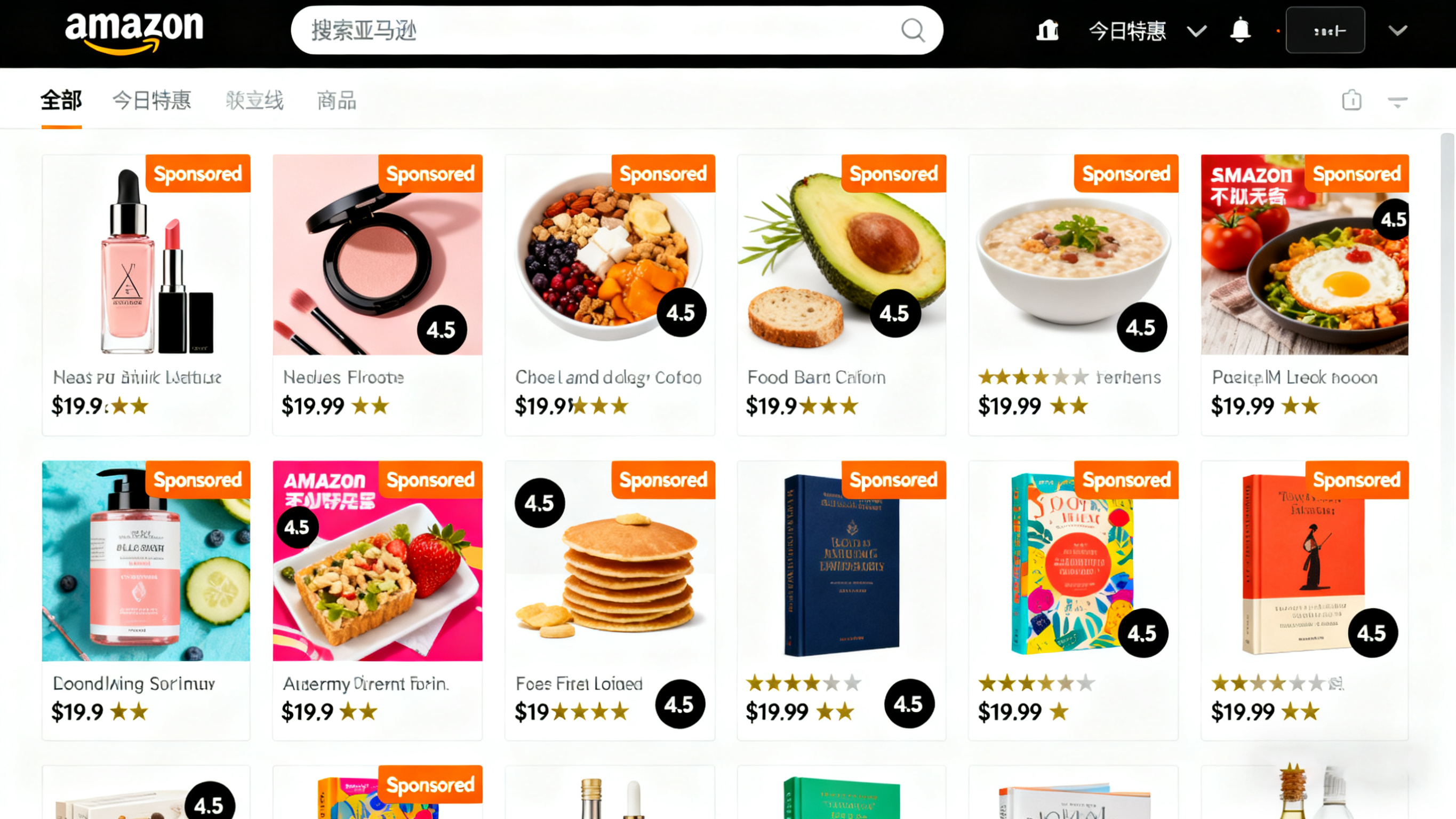
在IP 代理领域,Bright Data无疑是IP代理服务的行业标杆。其庞大的代理池、高质量的住宅IP以及强大的反检测能力,使其成为众多企业的首选。然而,对于专注于亚马逊、沃尔玛等电商平台数据采集的团队而言,我们真正需要的不是一把强大的铲子,而是挖好的矿石——即开箱即用的结构化数据。
本文将从技术架构、成本效益、使用门槛等多个维度,客观对比Bright Data与专业电商数据采集API(以Pangolin Scrape API为例)的优劣,帮助开发者和企业做出更适合自身场景的技术选型。
一、Bright Data:强大但复杂的基础设施
1.1 Bright Data 的核心优势
作为全球最大的代理网络服务商之一,Bright Data 的技术实力毋庸置疑。
1.2 使用Bright Data采集亚马逊数据的典型架构
import requests
from bs4 import BeautifulSoup
import json

class AmazonScraperWithBrightData:
    """使用Bright Data代理采集亚马逊数据"""

    def __init__(self, brightdata_username, brightdata_password):
        self.proxy_url = f"http://{brightdata_username}:{brightdata_password}@brd.superproxy.io:22225"
        self.session = requests.Session()

    def fetch_product_page(self, asin, marketplace='com'):
        """获取商品详情页HTML"""
        url = f"https://www.amazon.{marketplace}/dp/{asin}"

        proxies = {
            'http': self.proxy_url,
            'https': self.proxy_url
        }

        headers = {
            'User-Agent': 'Mozilla/5.0 (Windows NT 10.0; Win64; x64) AppleWebKit/537.36',
            'Accept-Language': 'en-US,en;q=0.9',
            'Accept': 'text/html,application/xhtml+xml,application/xml;q=0.9,*/*;q=0.8'
        }

        try:
            response = self.session.get(
                url,
                proxies=proxies,
                headers=headers,
                timeout=30
            )
            response.raise_for_status()
            return response.text
        except Exception as e:
            print(f"Error fetching {asin}: {e}")
            return None

    def parse_product_data(self, html):
        """解析HTML提取商品数据"""
        soup = BeautifulSoup(html, 'html.parser')

        # 这里需要编写大量的解析逻辑
        product_data = {}

        # 提取标题
        title_elem = soup.select_one('#productTitle')
        product_data['title'] = title_elem.get_text(strip=True) if title_elem else None

        # 提取价格(亚马逊价格结构复杂,有多种可能的选择器)
        price_elem = soup.select_one('.a-price .a-offscreen')
        if not price_elem:
            price_elem = soup.select_one('#priceblock_ourprice')
        if not price_elem:
            price_elem = soup.select_one('#priceblock_dealprice')

        product_data['price'] = price_elem.get_text(strip=True) if price_elem else None

        # 提取评分
        rating_elem = soup.select_one('.a-icon-star .a-icon-alt')
        product_data['rating'] = rating_elem.get_text(strip=True) if rating_elem else None

        # 提取评论数
        review_elem = soup.select_one('#acrCustomerReviewText')
        product_data['review_count'] = review_elem.get_text(strip=True) if review_elem else None

        # 提取库存状态
        availability_elem = soup.select_one('#availability span')
        product_data['availability'] = availability_elem.get_text(strip=True) if availability_elem else None

        # ... 还需要提取更多字段:品牌、类目、变体、图片、描述等
        # 每个字段都需要处理多种可能的HTML结构

        return product_data

    def get_product_info(self, asin):
        """完整的采集流程"""
        html = self.fetch_product_page(asin)
        if html:
            return self.parse_product_data(html)
        return None

# 使用示例
scraper = AmazonScraperWithBrightData(
    brightdata_username='your-username-lum',
    brightdata_password='your-password'
)

product = scraper.get_product_info('B08N5WRWNW')
print(json.dumps(product, indent=2, ensure_ascii=False))
1.3 实际使用中的挑战
从上面的代码可以看出,使用Bright Data采集电商数据面临几个核心问题:
1. 复杂的HTML解析逻辑
亚马逊的页面结构经常变化,不同站点、不同类目的HTML结构也不尽相同。你需要:
- 维护数十个甚至上百个CSS选择器
- 处理多种可能的数据位置
- 应对页面改版导致的解析失败
- 针对不同marketplace编写不同的解析规则
2. 高昂的学习和维护成本
# 实际项目中,价格提取可能需要这样的复杂逻辑
def extract_price(soup):
    """提取价格的真实复杂度"""
    price_selectors = [
        '.a-price .a-offscreen',
        '#priceblock_ourprice',
        '#priceblock_dealprice',
        '#price_inside_buybox',
        '.a-price-whole',
        # ... 可能有10+种不同的选择器
    ]

    for selector in price_selectors:
        elem = soup.select_one(selector)
        if elem:
            price_text = elem.get_text(strip=True)
            # 还需要处理货币符号、千分位、小数点等
            return parse_price_string(price_text)

    return None
3. 持续的技术投入
- 需要专职工程师监控采集成功率
- 页面改版时需要紧急修复解析逻辑
- 不同站点需要单独适配
- 新增数据字段需要重新开发
4. 成本结构不透明
Bright Data的计费方式相对复杂:
- 按流量计费(GB)
- 按请求数计费
- 最低月费要求(通常$500起)
- 超量使用额外收费
对于电商数据采集场景,一个ASIN详情页可能有几MB大小,如果每天采集10万个ASIN,月流量成本会非常可观。
二、专业电商数据采集API:开箱即用的解决方案
2.1 为什么需要专业的电商数据API
回到本质问题:作为电商卖家或数据分析团队,我们的核心需求是什么?
- ❌ 不是搭建代理网络
- ❌ 不是编写HTML解析器
- ❌ 不是应对反爬虫机制
- ✅ 而是获取准确、及时、结构化的商品数据
这就像你需要喝咖啡,Bright Data提供的是咖啡豆和磨豆机,而专业API提供的是一杯现磨咖啡。
2.2 Scrape API 的技术架构优势
以Pangolin Scrape API为例,其架构专门针对电商数据采集优化:
用户请求 → API网关 → 智能路由 → 代理池 → 目标网站
                              ↓
                         HTML获取
                              ↓
                         智能解析引擎
                              ↓
                         结构化数据 → 返回JSON
核心优势:
-
预构建的解析模板
- 覆盖Amazon所有页面类型(商品详情、搜索结果、Best Sellers等)
- 支持全球所有Amazon站点
- 自动适配页面改版
-
高质量的数据字段
- 商品基础信息(标题、价格、品牌、ASIN等)
- 评论数据(评分、评论数、Customer Says完整内容)
- 库存和配送信息
- 变体数据(颜色、尺寸等)
- Sponsored广告数据(98%采集率)
- Product Description完整内容
-
企业级稳定性
- 支持千万级/天的采集规模
- 分钟级数据更新
- 99.9%的成功率
- 自动重试和容错
2.3 实际代码对比
使用Scrape API采集相同的数据,代码简化程度令人惊讶:
import requests
import json

class AmazonScraperWithAPI:
    """使用Scrape API采集亚马逊数据"""

    def __init__(self, api_key):
        self.api_key = api_key
        self.base_url = "https://api.pangolinfo.com/scrape"

    def get_product_info(self, asin, marketplace='US'):
        """获取商品详情 - 一个API调用搞定"""
        params = {
            'api_key': self.api_key,
            'asin': asin,
            'marketplace': marketplace,
            'data_type': 'product_detail'
        }

        response = requests.get(self.base_url, params=params)

        if response.status_code == 200:
            return response.json()
        else:
            print(f"Error: {response.status_code}")
            return None

# 使用示例
scraper = AmazonScraperWithAPI(api_key='your_api_key')
product = scraper.get_product_info('B08N5WRWNW')

# 返回的是完整的结构化数据
print(json.dumps(product, indent=2, ensure_ascii=False))
返回的JSON数据结构示例:
{
  "asin": "B08N5WRWNW",
  "title": "Apple AirPods Pro (2nd Generation)",
  "brand": "Apple",
  "price": {
    "value": 249.00,
    "currency": "USD",
    "symbol": "$"
  },
  "rating": 4.7,
  "reviews_total": 85234,
  "availability": "In Stock",
  "bestsellers_rank": [
    {
      "category": "Electronics",
      "rank": 15
    }
  ],
  "images": [
    "https://m.media-amazon.com/images/I/61SUj2aKoEL._AC_SL1500_.jpg",
    "https://m.media-amazon.com/images/I/51JJq8WJDNL._AC_SL1500_.jpg"
  ],
  "variations": [
    {
      "asin": "B0CHWRXH8B",
      "title": "AirPods Pro (2nd Gen) with MagSafe Case (USB-C)",
      "price": 249.00
    }
  ],
  "product_description": "Active Noise Cancellation reduces unwanted background noise...",
  "customer_says": {
    "positive_keywords": [
      {
        "keyword": "sound quality",
        "sentiment": "positive",
        "mentions": 1234
      },
      {
        "keyword": "noise cancellation",
        "sentiment": "positive",
        "mentions": 2156
      }
    ],
    "negative_keywords": [
      {
        "keyword": "battery life",
        "sentiment": "negative",
        "mentions": 234
      }
    ]
  },
  "sponsored_data": {
    "is_sponsored": true,
    "keywords": ["wireless earbuds", "noise cancelling headphones"]
  }
}
代码量对比:
| 功能 | Bright Data + 自建解析 | Scrape API |
|---|---|---|
| 代码行数 | 200+ 行 | 15 行 |
| 维护成本 | 需要专职工程师 | 零维护 |
| 适配新站点 | 需要重新开发 | 开箱支持 |
| 数据字段完整性 | 取决于开发能力 | 预定义50+字段 |
三、成本效益分析
3.1 Bright Data 成本结构
以一个中型电商数据团队为例(每天采集10万个ASIN详情页):
月度成本估算:
代理费用:
- 每个ASIN页面约2-3MB
- 10万 ASIN/天 × 30天 = 300万次请求
- 300万 × 2.5MB = 7.5TB流量
- Bright Data价格约$10-15/GB
- 月流量成本:7500GB × $12 = $90,000

开发和维护成本:
- 2名Python工程师 × $8,000/月 = $16,000
- 服务器成本(解析服务器、数据库)= $2,000

总计:$108,000/月
3.2 Scrape API 成本结构
相同的采集需求:
API调用费用:
- 10万 ASIN/天 × 30天 = 300万次请求
- 按量计费约$0.015/次(大规模有折扣)
- 月API成本:300万  = $2,765.00

开发和维护成本:
- 0.5名工程师(主要做业务逻辑)
- 服务器成本(仅业务服务器)

总计:$2765/月
成本节省:95%,这是一个非常夸张的数据。
3.3 隐性成本对比
除了直接的资金成本,还有很多隐性成本:
| 成本项 | Bright Data方案 | Scrape API方案 |
|---|---|---|
| 技术门槛 | 需要爬虫、解析、反爬经验 | 会调用API即可 |
| 上线周期 | 2-3个月开发 | 1-2天集成 |
| 页面改版应对 | 需要紧急修复(1-2天) | 自动适配(0成本) |
| 新站点扩展 | 重新开发(2-4周) | 配置即用(1小时) |
| 数据质量保障 | 需要人工抽检 | API提供商保障 |
| 故障恢复时间 | 取决于团队响应 | SLA保障 |
四、其他替代方案对比
除了Bright Data和Scrape API,市场上还有其他方案:
4.1 ScraperAPI
定位:通用网页抓取API
优势:
- 价格相对Bright Data便宜
- 支持多种网站
- 提供JavaScript渲染
劣势:
- 返回原始HTML,仍需自己解析
- 电商数据字段不完整
- 对Amazon等复杂站点支持一般
适用场景:通用爬虫需求,非专业电商数据采集
4.2 Oxylabs
定位:企业级代理和数据采集服务
优势:
- 代理质量高
- 提供部分结构化数据API
- 企业级支持
劣势:
- 价格昂贵(与Bright Data相当)
- 电商数据字段覆盖不如专业API
- 最低消费要求高
适用场景:大型企业,预算充足
4.3 自建爬虫团队
优势:
- 完全可控
- 可定制化
劣势:
- 人力成本高(至少3-5人团队)
- 技术难度大
- 维护成本持续增长
- 反爬虫对抗消耗精力
适用场景:超大规模需求(日千万级),有专业技术团队
4.4 综合对比表
| 方案 | 月成本(10万ASIN/天) | 技术门槛 | 数据质量 | 维护成本 | 推荐指数 |
|---|---|---|---|---|---|
| Bright Data + 自建解析 | $108,000 | 高 | 取决于开发 | 高 | ⭐⭐⭐ |
| Scrape API | $3,000 | 低 | 高 | 极低 | ⭐⭐⭐⭐⭐ |
| ScraperAPI | $35,000 | 中 | 中 | 中 | ⭐⭐⭐ |
| Oxylabs | $95,000 | 中高 | 中高 | 中 | ⭐⭐⭐ |
| 自建团队 | $120,000+ | 极高 | 取决于团队 | 极高 | ⭐⭐ |
五、实战场景:批量监控竞品价格
让我们通过一个真实场景来对比两种方案的实现差异。
5.1 需求描述
监控500个竞品ASIN的价格变化,每小时采集一次,价格变动超过5%时发送告警。
5.2 Bright Data 实现方案
import requests
from bs4 import BeautifulSoup
import re
import time
from datetime import datetime

class PriceMonitorBrightData:
    def __init__(self, proxy_config):
        self.proxy_url = f"http://{proxy_config['username']}:{proxy_config['password']}@brd.superproxy.io:22225"
        self.session = requests.Session()

    def fetch_price(self, asin):
        """获取单个ASIN的价格"""
        url = f"https://www.amazon.com/dp/{asin}"

        proxies = {'http': self.proxy_url, 'https': self.proxy_url}
        headers = {
            'User-Agent': 'Mozilla/5.0 (Windows NT 10.0; Win64; x64) AppleWebKit/537.36'
        }

        try:
            response = self.session.get(url, proxies=proxies, headers=headers, timeout=30)
            soup = BeautifulSoup(response.text, 'html.parser')

            # 尝试多种价格选择器
            price = None
            price_selectors = [
                '.a-price .a-offscreen',
                '#priceblock_ourprice',
                '#priceblock_dealprice',
                '.a-price-whole'
            ]

            for selector in price_selectors:
                elem = soup.select_one(selector)
                if elem:
                    price_text = elem.get_text(strip=True)
                    # 提取数字
                    match = re.search(r'[\d,]+\.?\d*', price_text)
                    if match:
                        price = float(match.group().replace(',', ''))
                        break

            return {
                'asin': asin,
                'price': price,
                'timestamp': datetime.now().isoformat(),
                'success': price is not None
            }

        except Exception as e:
            print(f"Error fetching {asin}: {e}")
            return {
                'asin': asin,
                'price': None,
                'timestamp': datetime.now().isoformat(),
                'success': False,
                'error': str(e)
            }

    def monitor_prices(self, asin_list):
        """批量监控价格"""
        results = []
        for asin in asin_list:
            result = self.fetch_price(asin)
            results.append(result)
            time.sleep(1)  # 避免请求过快

        return results

# 使用示例
monitor = PriceMonitorBrightData({
    'username': 'your-username',
    'password': 'your-password'
})

asins = ['B08N5WRWNW', 'B07XJ8C8F5', ...]  # 500个ASIN
prices = monitor.monitor_prices(asins)

# 还需要额外的逻辑:
# 1. 存储历史价格到数据库
# 2. 对比历史价格计算变动
# 3. 发送告警
# 4. 处理失败重试
问题:
- 需要处理HTML解析的各种边界情况
- 需要自己实现数据存储和对比逻辑
- 失败重试需要自己处理
- 500个ASIN串行采集需要约10分钟(加上延迟)
5.3 Scrape API 实现方案
import requests
import asyncio
import aiohttp
from datetime import datetime

class PriceMonitorAPI:
    def __init__(self, api_key):
        self.api_key = api_key
        self.base_url = "https://api.pangolinfo.com/scrape"

    async def fetch_price_async(self, session, asin):
        """异步获取单个ASIN的价格"""
        params = {
            'api_key': self.api_key,
            'asin': asin,
            'marketplace': 'US',
            'data_type': 'product_detail'
        }

        try:
            async with session.get(self.base_url, params=params) as response:
                if response.status == 200:
                    data = await response.json()
                    return {
                        'asin': asin,
                        'price': data.get('price', {}).get('value'),
                        'currency': data.get('price', {}).get('currency'),
                        'timestamp': datetime.now().isoformat(),
                        'success': True
                    }
                else:
                    return {
                        'asin': asin,
                        'price': None,
                        'success': False,
                        'error': f"HTTP {response.status}"
                    }
        except Exception as e:
            return {
                'asin': asin,
                'price': None,
                'success': False,
                'error': str(e)
            }

    async def monitor_prices(self, asin_list):
        """批量异步监控价格"""
        async with aiohttp.ClientSession() as session:
            tasks = [self.fetch_price_async(session, asin) for asin in asin_list]
            results = await asyncio.gather(*tasks)
            return results

    def check_price_change(self, current_prices, historical_prices):
        """检查价格变动"""
        alerts = []

        for current in current_prices:
            if not current['success']:
                continue

            asin = current['asin']
            current_price = current['price']

            # 从历史数据获取上次价格
            historical = historical_prices.get(asin)
            if historical and historical['price']:
                change_pct = abs(current_price - historical['price']) / historical['price']

                if change_pct > 0.05:  # 变动超过5%
                    alerts.append({
                        'asin': asin,
                        'old_price': historical['price'],
                        'new_price': current_price,
                        'change_pct': change_pct * 100
                    })

        return alerts

# 使用示例
async def main():
    monitor = PriceMonitorAPI(api_key='your_api_key')

    asins = ['B08N5WRWNW', 'B07XJ8C8F5', ...]  # 500个ASIN

    # 异步批量获取价格
    prices = await monitor.monitor_prices(asins)

    # 检查价格变动
    # historical_prices 从数据库读取
    alerts = monitor.check_price_change(prices, historical_prices)

    # 发送告警
    if alerts:
        send_alerts(alerts)

    print(f"监控完成,发现 {len(alerts)} 个价格异动")

# 运行
asyncio.run(main())
优势:
- 代码简洁,核心逻辑不到50行
- 异步并发,500个ASIN约30秒完成
- 无需处理HTML解析
- 数据质量由API保障
- 专注业务逻辑(价格对比、告警)
六、技术选型建议
6.1 选择Bright Data的场景
尽管本文重点推荐Scrape API,但Bright Data在某些场景下仍是合理选择:
✅ 适合使用Bright Data的情况:
-
非电商数据采集
- 需要采集各种不同类型的网站
- 没有现成的API可用
- 需要高度定制化的采集逻辑
-
有专业爬虫团队
- 团队有丰富的反爬虫经验
- 有能力维护复杂的解析逻辑
- 需要完全控制采集流程
-
特殊合规要求
- 需要特定地区的IP
- 有严格的数据本地化要求
- 需要模拟真实用户行为
6.2 选择Scrape API的场景
✅ 强烈推荐使用Scrape API的情况:
-
专注电商数据
- 主要采集Amazon、Walmart、eBay等电商平台
- 站外的类如搜索数据,包括 Google 数据
- 需要结构化的商品数据
- 关注数据质量和时效性
-
快速上线需求
- 需要在短时间内(天级)上线功能
- 团队技术储备有限
- 希望专注业务逻辑而非基础设施
-
成本敏感
- 希望降低开发和维护成本
- 需要可预测的成本结构
- 中小规模采集需求(日百万级以下)
-
数据完整性要求高
- 需要Customer Says、Sponsored等深度数据
- 要求高准确率(98%+)
- 需要多站点支持
6.3 混合方案
对于大型企业,也可以考虑混合方案:
class HybridDataCollector:
    """混合采集方案"""

    def __init__(self, scrape_api_key, brightdata_config):
        self.scrape_api = ScraperAPI(scrape_api_key)
        self.brightdata = BrightDataScraper(brightdata_config)

    def collect_data(self, asin, data_type='standard'):
        """根据数据类型选择采集方式"""

        if data_type == 'standard':
            # 标准电商数据用API
            return self.scrape_api.get_product(asin)

        elif data_type == 'custom':
            # 特殊定制需求用Bright Data
            return self.brightdata.custom_scrape(asin)
七、迁移指南
如果你当前正在使用Bright Data,想要迁移到Scrape API,这里是平滑迁移的步骤:
7.1 第一阶段:并行运行(1-2周)
class MigrationValidator:
    """迁移验证器"""

    def __init__(self, old_scraper, new_api):
        self.old = old_scraper
        self.new = new_api

    def validate_data_quality(self, asin_sample):
        """对比数据质量"""
        results = []

        for asin in asin_sample:
            old_data = self.old.get_product(asin)
            new_data = self.new.get_product(asin)

            comparison = {
                'asin': asin,
                'price_match': old_data['price'] == new_data['price'],
                'title_match': old_data['title'] == new_data['title'],
                'rating_match': abs(old_data['rating'] - new_data['rating']) < 0.1,
                'new_has_more_fields': len(new_data.keys()) > len(old_data.keys())
            }

            results.append(comparison)

        return results
7.2 第二阶段:逐步切换(2-4周)
- 先切换非核心业务
- 监控数据质量和稳定性
- 逐步扩大切换范围
- 保留Bright Data作为备份
7.3 第三阶段:完全迁移(1周)
- 关闭Bright Data服务
- 删除旧的解析代码
- 优化新系统性能
- 计算成本节省
八、总结
8.1 核心观点
-
Bright Data是优秀的代理服务,但对于电商数据采集场景,它提供的是"原材料"而非"成品"。
-
专业的电商数据API(如Scrape API)提供开箱即用的结构化数据,大幅降低技术门槛和成本。
-
成本节省不仅是资金,更重要的是时间成本、人力成本和机会成本。
-
技术选型应该基于业务需求,而不是技术本身的强大程度。
8.2 决策矩阵
| 你的情况 | 推荐方案 |
|---|---|
| 电商数据采集,团队<5人 | Scrape API |
| 电商数据采集,需要快速上线 | Scrape API |
| 电商数据采集,成本敏感 | Scrape API |
| 多种网站采集,有专业团队 | Bright Data |
| 特殊定制需求,预算充足 | Bright Data |
| 超大规模(日千万级+) | 混合方案或自建 |
8.3 行动建议
如果你正在考虑数据采集方案:
- 明确核心需求:你需要的是数据还是采集能力?
- 计算真实成本:包括开发、维护、人力等隐性成本
- 小规模试用:用实际数据验证方案可行性
- 关注长期价值:技术债务的代价往往被低估
8.4 最后的思考
在技术选型中,“强大"不等于"合适”。Bright Data无疑是强大的工具,但对于专注电商数据的团队而言,专业的数据API能让你:
- 把精力放在业务创新而非基础设施
- 用更少的资源做更多的事
- 更快地响应市场变化
- 降低技术风险和人员依赖
正如亚马逊的贝索斯所说:“Focus on what makes you unique, outsource the rest.”(专注于让你独特的事情,其余的外包出去)。
数据采集不应该是你的核心竞争力,基于数据的洞察和决策才是。
作者简介:电商数据工程师,5年亚马逊数据采集经验,曾主导多个大型数据平台的技术选型和架构设计。
欢迎讨论:如果你有不同的使用经验或问题,欢迎在评论区交流!





 扫一扫
扫一扫


 2万+
2万+

 被折叠的 条评论
为什么被折叠?
被折叠的 条评论
为什么被折叠?
 到【灌水乐园】发言





