



《一线大厂Java面试题解析+核心总结学习笔记+最新讲解视频+实战项目源码》,点击传送门,即可获取!
Long deleteById(Long id); Long countByUserName(String userName)
基本上SQL体系中的关键词都可以使用,例如:LIKE、 IgnoreCase、 OrderBy。
List findByEmailLike(String email); User findByUserNameIgnoreCase(String userName); List findByUserNameOrderByEmailDesc(String email);
具体的关键字,使用方法和生产成SQL如下表所示
| Keyword | Sample | JPQL snippet |
| — | — | — |
| And | findByLastnameAndFirstname | … where x.lastname = ?1 and x.firstname = ?2 |
| Or | findByLastnameOrFirstname | … where x.lastname = ?1 or x.firstname = ?2 |
| Is,Equals | findByFirstnameIs,findByFirstnameEquals | … where x.firstname = ?1 |
| Between | findByStartDateBetween | … where x.startDate between ?1 and ?2 |
| LessThan | findByAgeLessThan | … where x.age < ?1 |
| LessThanEqual | findByAgeLessThanEqual | … where x.age ⇐ ?1 |
| GreaterThan | findByAgeGreaterThan | … where x.age > ?1 |
| GreaterThanEqual | findByAgeGreaterThanEqual | … where x.age >= ?1 |
| After | findByStartDateAfter | … where x.startDate > ?1 |
| Before | findByStartDateBefore | … where x.startDate < ?1 |
| IsNull | findByAgeIsNull | … where x.age is null |
| IsNotNull,NotNull | findByAge(Is)NotNull | … where x.age not null |
| Like | findByFirstnameLike | … where x.firstname like ?1 |
| NotLike | findByFirstnameNotLike | … where x.firstname not like ?1 |
| StartingWith | findByFirstnameStartingWith | … where x.firstname like ?1 (parameter bound with appended %) |
| EndingWith | findByFirstnameEndingWith | … where x.firstname like ?1 (parameter bound with prepended %) |
| Containing | findByFirstnameContaining | … where x.firstname like ?1 (parameter bound wrapped in %) |
| OrderBy | findByAgeOrderByLastnameDesc | … where x.age = ?1 order by x.lastname desc |
| Not | findByLastnameNot | … where x.lastname <> ?1 |
| In | findByAgeIn(Collection ages) | … where x.age in ?1 |
| NotIn | findByAgeNotIn(Collection age) | … where x.age not in ?1 |
| TRUE | findByActiveTrue() | … where x.active = true |
| FALSE | findByActiveFalse() | … where x.active = false |
| IgnoreCase | findByFirstnameIgnoreCase | … where UPPER(x.firstame) = UPPER(?1) |
复杂查询
在实际的开发中我们需要用到分页、删选、连表等查询的时候就需要特殊的方法或者自定义SQL
分页查询
分页查询在实际使用中非常普遍了,spring data jpa已经帮我们实现了分页的功能,在查询的方法中,需要传入参数Pageable
,当查询中有多个参数的时候Pageable建议做为最后一个参数传入
Page findALL(Pageable pageable); Page findByUserName(String userName,Pageable pageable);
Pageable 是spring封装的分页实现类,使用的时候需要传入页数、每页条数和排序规则
@Test public void testPageQuery() throws Exception { int page=1,size=10; Sort sort = new Sort(Direction.DESC, “id”); Pageable pageable = new PageRequest(page, size, sort); userRepository.findALL(pageable); userRepository.findByUserName(“testName”, pageable); }
限制查询
有时候我们只需要查询前N个元素,或者支取前一个实体。
ser findFirstByOrderByLastnameAsc(); User findTopByOrderByAgeDesc(); Page queryFirst10ByLastname(String lastname, Pageable pageable); List findFirst10ByLastname(String lastname, Sort sort); List findTop10ByLastname(String lastname, Pageable pageable);
自定义SQL查询
其实Spring data 觉大部分的SQL都可以根据方法名定义的方式来实现,但是由于某些原因我们想使用自定义的SQL来查询,spring data也是完美支持的;在SQL的查询方法上面使用@Query注解,如涉及到删除和修改在需要加上@Modifying.也可以根据需要添加 @Transactional 对事物的支持,查询超时的设置等
@Modifying @Query(“update User u set u.userName = ?1 where c.id = ?2”) int modifyByIdAndUserId(String userName, Long id); @Transactional @Modifying @Query(“delete from User where id = ?1”) void deleteByUserId(Long id); @Transactional(timeout = 10) @Query(“select u from User u where u.emailAddress = ?1”) User findByEmailAddress(String emailAddress);
多表查询
多表查询在spring data jpa中有两种实现方式,第一种是利用hibernate的级联查询来实现,第二种是创建一个结果集的接口来接收连表查询后的结果,这里主要第二种方式。
首先需要定义一个结果集的接口类。
public interface HotelSummary { City getCity(); String getName(); Double getAverageRating(); default Integer getAverageRatingRounded() { return getAverageRating() == null ? null : (int) Math.round(getAverageRating()); } }
查询的方法返回类型设置为新创建的接口
@Query("select h.city as city, h.name as name, avg(r.rating) as averageRating " - “from Hotel h left outer join h.reviews r where h.city = ?1 group by h”) Page findByCity(City city, Pageable pageable); @Query("select h.name as name, avg(r.rating) as averageRating " - “from Hotel h left outer join h.reviews r group by h”) Page findByCity(Pageable pageable);
使用
Page hotels = this.hotelRepository.findByCity(new PageRequest(0, 10, Direction.ASC, “name”)); for(HotelSummary summay:hotels){ System.out.println(“Name” +summay.getName()); }
在运行中Spring会给接口(HotelSummary)自动生产一个代理类来接收返回的结果,代码汇总使用
getXX的形式来获取
多数据源的支持
同源数据库的多源支持
日常项目中因为使用的分布式开发模式,不同的服务有不同的数据源,常常需要在一个项目中使用多个数据源,因此需要配置sping data jpa对多数据源的使用,一般分一下为三步:
-
1 配置多数据源
-
2 不同源的实体类放入不同包路径
-
3 声明不同的包路径下使用不同的数据源、事务支持
这里有一篇文章写的很清楚:Spring Boot多数据源配置与使用
异构数据库多源支持
比如我们的项目中,即需要对mysql的支持,也需要对mongodb的查询等。
实体类声明@Entity 关系型数据库支持类型、声明@Document 为mongodb支持类型,不同的数据源使用不同的实体就可以了
interface PersonRepository extends Repository<Person, Long> { … } @Entity public class Person { … } interface UserRepository extends Repository<User, Long> { … } @Document public class User { … }
但是,如果User用户既使用mysql也使用mongodb呢,也可以做混合使用
interface JpaPersonRepository extends Repository<Person, Long> { … } interface MongoDBPersonRepository extends Repository<Person, Long> { … } @Entity @Document public class Person { … }
也可以通过对不同的包路径进行声明,比如A包路径下使用mysql,B包路径下使用mongoDB
@EnableJpaRepositories(basePackages = “com.neo.repositories.jpa”) @EnableMongoRepositories(basePackages = “com.neo.repositories.mongo”) interface Configuration { }
其它
分享
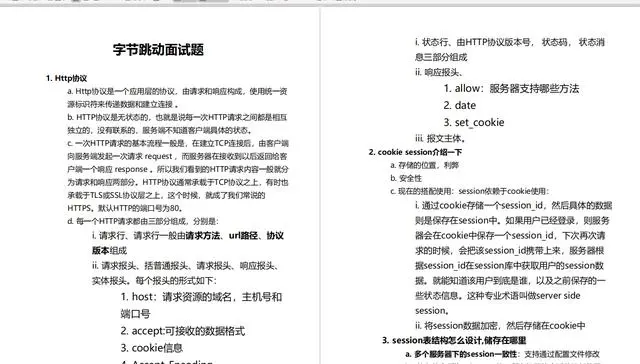
1、算法大厂——字节跳动面试题
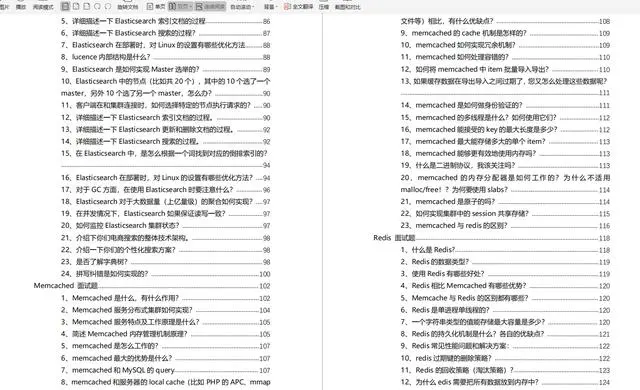
2、2000页互联网Java面试题大全
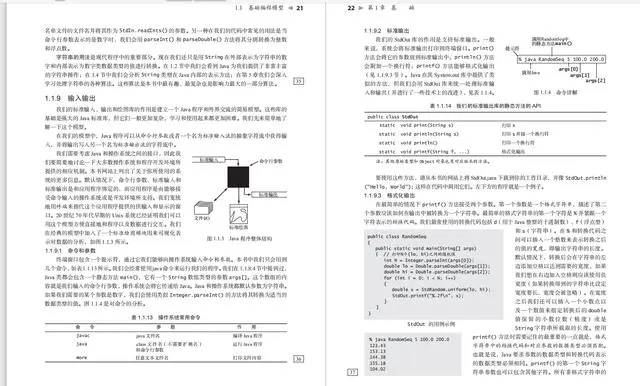
3、高阶必备,算法学习
《一线大厂Java面试题解析+核心总结学习笔记+最新讲解视频+实战项目源码》,点击传送门,即可获取!
1、算法大厂——字节跳动面试题
[外链图片转存中…(img-ivSjHGWO-1714751397378)]
2、2000页互联网Java面试题大全
[外链图片转存中…(img-8AAWwhvb-1714751397379)]
3、高阶必备,算法学习
[外链图片转存中…(img-zcLDVogv-1714751397379)]
《一线大厂Java面试题解析+核心总结学习笔记+最新讲解视频+实战项目源码》,点击传送门,即可获取!





 扫一扫
扫一扫


 1万+
1万+

 被折叠的 条评论
为什么被折叠?
被折叠的 条评论
为什么被折叠?
 到【灌水乐园】发言





