


 本文介绍了如何通过递归和迭代的方式实现二叉树的前序遍历,包括代码示例和重要注意事项,强调了在编程中的实践与心态调整。
给你二叉树的根节点 root ,返回它节点值的 前序 遍历。
示例 1:
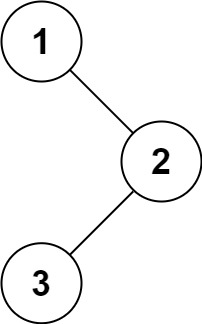
输入:root = [1,null,2,3]
输出:[1,2,3]
文章讲解:代码随想录
视频讲解:每次写递归都要靠直觉? 这次带你学透二叉树的递归遍历!| LeetCode:144.前序遍历,145.后序遍历,94.中序遍历_哔哩哔哩_bilibili
第一印象:不会,二叉树是我的知识盲区,一刷属于是扫盲了。
看完讲解:清晰明了,注意点是写递归的时候思路要清晰,我觉得也是需要反复练习的。
/**
 * Definition for a binary tree node.
 * public class TreeNode {
 *     int val;
 *     TreeNode left;
 *     TreeNode right;
 *     TreeNode() {}
 *     TreeNode(int val) { this.val = val; }
 *     TreeNode(int val, TreeNode left, TreeNode right) {
 *         this.val = val;
 *         this.left = left;
 *         this.right = right;
 *     }
 * }
 */

//  二叉树的前序递归遍历

class Solution {
    public List<Integer> preorderTraversal(TreeNode root) {
        List<Integer> result = new ArrayList<>();
        preorder(root, result);
        return result;
    }
    public void preorder(TreeNode root, List<Integer> result) {
        if (root == null) {
            return;
        }
        result.add(root.val);
        preorder(root.left, result);
        preorder(root.right, result);
    }
}

//  二叉树的前序迭代遍历

class Solution {
    public List<Integer> preorderTraversal(TreeNode root) {
        List<Integer> result = new ArrayList<>();
        if (root == null) return result;
        Stack<TreeNode> stack = new Stack<>();
        stack.push(root);
        while (!stack.isEmpty()) {
            TreeNode node = stack.pop();
            result.add(node.val);
            if (node.right != null) {
                stack.push(node.right);
            }
            if (node.left != null) {
                stack.push(node.left);
            }
        }
        return result;
    }
}

//  二叉树的中序递归遍历

class Solution {
    public List<Integer> inorderTraversal(TreeNode root) {
        List<Integer> result = new ArrayList<>();
        inorder(root, result);
        return result;
    }
    public void inorder(TreeNode root, List<Integer> result) {
        if (root == null) return;
        inorder(root.left, result);
        result.add(root.val);
        inorder(root.right, result);
    }
}

//  二叉树的中序迭代遍历

class Solution {
    public List<Integer> inorderTraversal(TreeNode root) {
        List<Integer> result = new ArrayList<>();
        if (root == null) return result;
        Stack<TreeNode> stack = new Stack<>();
        TreeNode node = root;
        while (node != null || !stack.isEmpty()) {
            while (node != null) {
                stack.push(node);
                node = node.left;
            }
            node = stack.pop();
            result.add(node.val);
            node = node.right;
        }
        return result;
    }
}
//  二叉树的后续递归遍历

class Solution {
    public List<Integer> postorderTraversal(TreeNode root) {
        List<Integer> result = new ArrayList<>();
        postorder(root, result);
        return result;
    }
    public void postorder(TreeNode root, List<Integer> result) {
        if (root == null) return;
        postorder(root.left, result);
        postorder(root.right, result);
        result.add(root.val);
    }
}

//  二叉树的后序迭代遍历

class Solution {
    public List<Integer> postorderTraversal(TreeNode root) {
        List<Integer> result = new ArrayList<>();
        if (root == null) return result;
        Stack<TreeNode> stack = new Stack<>();
        TreeNode node = root;
        stack.push(node);
        while (!stack.isEmpty()) {
            node = stack.pop();
            result.add(node.val);
            if (node.left != null) {
                stack.push(node.left);
            }
            if (node.right != null) {
                stack.push(node.right);
            }
        }
        Collections.reverse(result);
        return result;
    }
}
今日小结:说真的欠的实在是太多了,最近也很忙倒是真的,我希望gap的这段时间能够沉下心来学习,计算机是个很卷的地方,我觉得要摆正心态。





 扫一扫
扫一扫


 728
728

 被折叠的 条评论
为什么被折叠?
被折叠的 条评论
为什么被折叠?
 到【灌水乐园】发言





