



引言
ES6(ECMAScript 2015)是JavaScript历史上最重要的版本更新之一,它引入了大量新特性,彻底改变了JavaScript的编程范式。从箭头函数到类语法,从模板字符串到模块化系统,ES6不仅提升了代码的简洁性和可读性,还为开发者提供了更强大的工具来构建复杂的应用程序。本文将深入剖析ES6的每一个核心特性,结合场景化案例、技术原理与实战技巧,助你全面掌握ES6的精髓。
一、ES6的核心特性与语法升级
1.1 箭头函数:简洁的函数表达

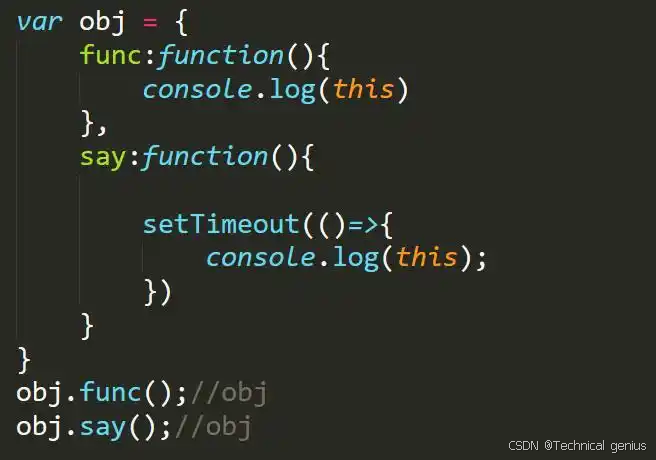
箭头函数是ES6中最受欢迎的特性之一,它通过简化语法提升了代码的简洁性。箭头函数使用=>符号定义,无需function关键字,且自动绑定this,避免了传统函数中的this指向问题。
1.1.1 语法与使用场景
-
无参数函数:
() => {},例如const greet = () => console.log("Hello");。 -
单参数函数:可省略括号,例如
const square = x => x * x;。 -
多参数函数:需保留括号,例如
const sum = (a, b) => a + b;。 -
返回对象:需用括号包裹对象,例如
const getPerson = () => ({ name: "Alice", age: 25 });。
箭头函数特别适用于回调函数、数组方法和模板字符串中,例如:
const numbers = [1, 2, 3];
const squared = numbers.map(x => x * x);
// [1, 4, 9]
1.1.2 与普通函数的区别
-
this绑定:箭头函数不绑定自己的
this,而是继承自外层作用域,避免了传统函数中的this指向问题。 -
不可作为构造函数:箭头函数没有
prototype属性,不能使用new关键字。 -
无
arguments对象:箭头函数使用rest参数替代arguments。
1.1.3 场景化案例
-
事件处理:在DOM事件监听中,箭头函数简化了
this的绑定:button.addEventListener("click", () => console.log("Clicked!")); -
数组方法:箭头函数与
forEach、map等方法的结合,提升了代码的可读性:const names = ["Alice", "Bob"]; names.forEach(name => console.log(`Hello, ${name}!`));
1.2 模板字符串:动态字符串的利器
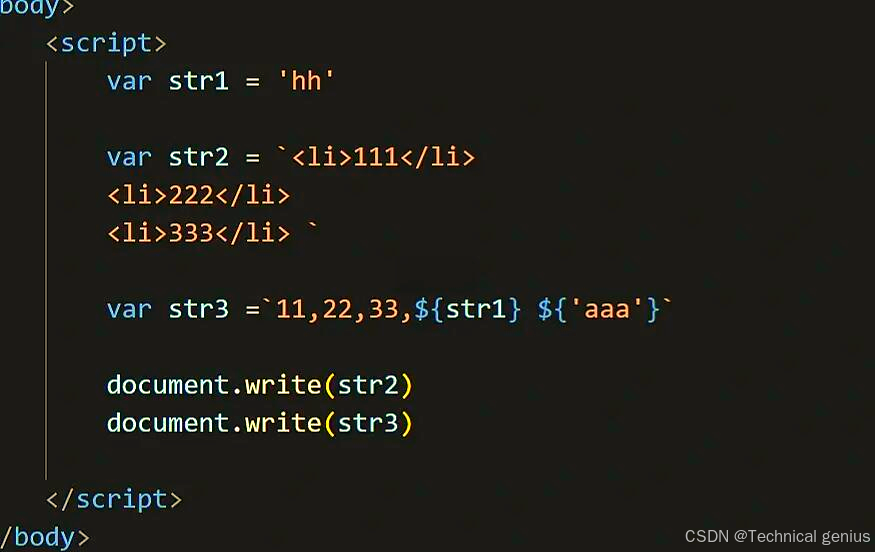
模板字符串使用反引号(`)定义,支持多行文本和嵌入表达式,通过 ${expression} 插入变量或计算结果。
1.2.1 语法与使用场景
-
多行文本:模板字符串保留换行符,适合生成HTML或日志:
const message = `Hello, World!`; -
嵌入表达式:在字符串中直接插入变量或计算结果:
const name = "Alice"; const greeting = `Hello, ${name}!`; -
函数调用:模板字符串中可以嵌入函数调用:
const sum = (a, b) => a + b; const result = `The sum is ${sum(2, 3)}`;
1.2.2 与字符串拼接的对比
-
可读性:模板字符串避免了传统字符串拼接的混乱,提升了代码的可读性。
-
性能:模板字符串在解析时可能比字符串拼接更高效,尤其是在复杂表达式中。
1.2.3 场景化案例
-
HTML生成:模板字符串简化了HTML片段的生成:
const user = { name: "Alice", age: 25 }; const html = ` <div> <h1>${user.name}</h1> <p>Age: ${user.age}</p> </div> `; -
日志输出:在日志中嵌入变量,方便调试:
const error = "404"; console.log(`Error: ${error}`);
1.3 解构赋值:简化数据访问
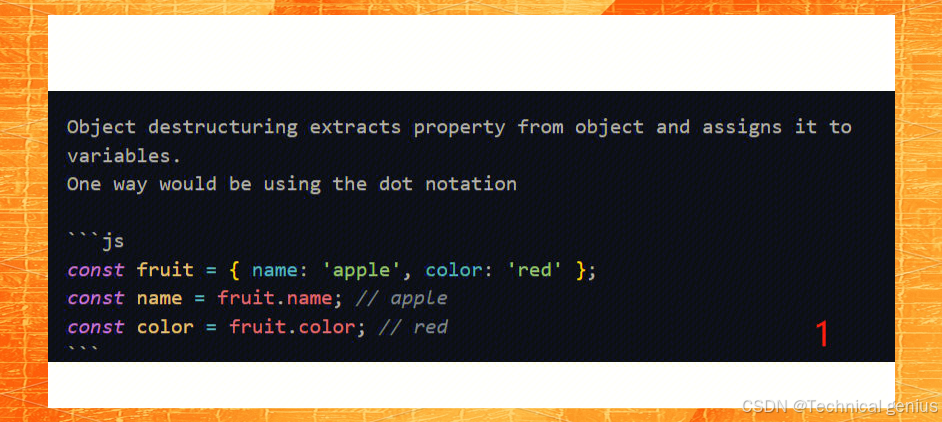
解构赋值允许从数组或对象中提取值,并将其赋值给变量,减少了代码的冗余。
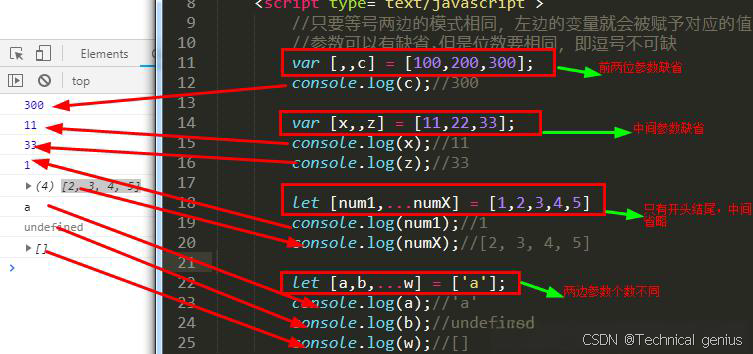
1.3.1 数组解构
-
基本解构:从数组中提取元素并赋值给变量:
const [a, b] = [1, 2]; console.log(a, b); // 1 2 -
嵌套解构:支持嵌套数组的解构:
const [a, b, [c]] = [1, 2, ]; console.log(a, b, c); // 1 2 3 -
默认值:为解构变量提供默认值:
const [x = 1] = []; console.log(x); // 1
1.3.2 对象解构
-
基本解构:从对象中提取属性并赋值给变量:
const { name, age } = { name: "Alice", age: 25 }; console.log(name, age); // Alice 25 -
嵌套解构:支持嵌套对象的解构:
const { address: { city } } = { address: { city: "New York" } }; console.log(city); // New York -
重命名属性:使用冒号
:重命名解构变量:const { name: userName } = { name: "Alice" }; console.log(userName); // Alice
1.3.3 场景化案例
-
函数参数:解构赋值简化了函数参数的传递:
function updateUser({ name, age }) { console.log(name, age); } updateUser({ name: "Alice", age: 25 }); -
交换变量:解构赋值可以轻松交换变量:
const a = 1; const b = 2; [a, b] = [b, a]; console.log(a, b); // 2 1
1.4 类与继承:面向对象编程的增强
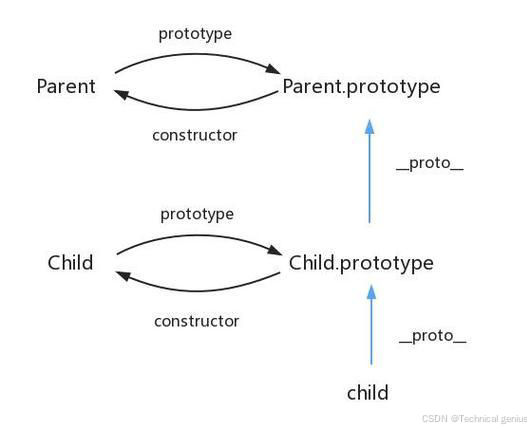
ES6引入了类语法,使得面向对象编程更加直观和强大。
1.4.1 类的基本语法
-
定义类:使用
class关键字定义类:class Person { constructor(name) { this.name = name; } greet() { console.log(`Hello, ${this.name}!`); } } -
继承:使用
extends关键字实现继承:class Student extends Person { constructor(name, grade) { super(name); this.grade = grade; } study() { console.log(`Studying for grade ${this.grade}`); } }
1.4.2 静态方法与属性
-
静态方法:使用
static关键字定义类方法:class MathUtils { static square(x) { return x * x; } } console.log(MathUtils.square(2)); // 4 -
静态属性:ES2022新增的静态属性:
class Counter { static count = 0; constructor() { Counter.count++; } }
1.4.3 场景化案例
-
模块化开发:类语法与模块化系统的结合,提升了代码的组织性:
// mathUtils.js export class MathUtils { static square(x) { return x * x; } } // app.js import { MathUtils } from "./mathUtils"; console.log(MathUtils.square(2)); // 4 -
状态管理:在React组件中,类语法用于管理组件状态:
class Counter extends React.Component { constructor(props) { super(props);
this.state = { count: 0 }; } render() { return <div>{this.state.count}</div>; } }
二、ES6的模块化系统
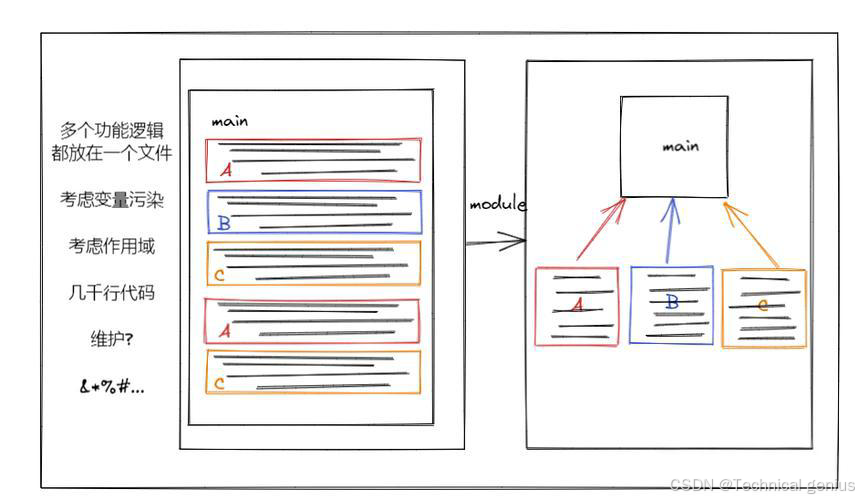
2.1 模块化基础
ES6引入了模块化系统,通过import和export关键字实现代码的模块化,解决了传统JavaScript的全局变量污染问题。
2.1.1 导出模块
-
默认导出:每个模块只能有一个默认导出:
// mathUtils.js export default function add(a, b) { return a + b; } -
命名导出:可以导出多个变量:
// mathUtils.js export function add(a, b) { return a + b; } export function subtract(a, b) { return a - b; }
2.1.2 导入模块
-
导入默认导出:
import add from "./mathUtils"; -
导入命名导出:
import { add, subtract } from "./mathUtils";
2.1.3 动态导入
ES2020引入了动态导入,允许在运行时加载模块:
import("./mathUtils").then(({ add }) => { console.log(add(2, 3)); // 5 });
2.2 模块化与CommonJS的对比
-
语法差异:ES6模块使用
import/export,而CommonJS使用require/module.exports。 -
静态分析:ES6模块是静态的,可以在编译时优化,而CommonJS是动态的。
-
循环依赖:ES6模块通过创建绑定环境解决循环依赖,而CommonJS通过缓存解决。
2.3 场景化案例
-
前端框架:React和Vue等前端框架广泛使用ES6模块化:
import React from "react"; import ReactDOM from "react-dom"; -
Node.js应用:Node.js从v12.17.0开始支持ES6模块,通过
"type": "module"启用:// package.json { "type": "module" } // app.js import { add } from "./mathUtils";
三、ES6的扩展运算符与数组方法
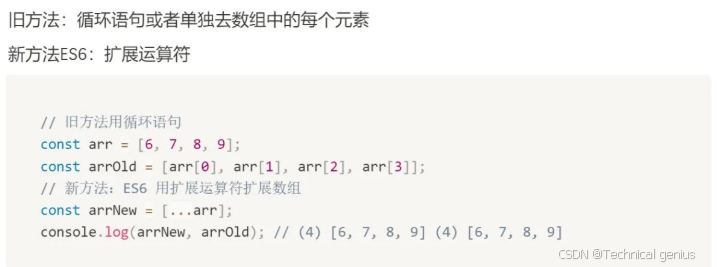
3.1 扩展运算符
扩展运算符...用于展开数组或对象,简化了数组和对象的操作。
3.1.1 数组展开
-
合并数组:
const arr1 = [1, 2]; const arr2 = [3, 4]; const merged = [...arr1, ...arr2]; // [1, 2, 3, 4] -
函数参数:
function sum(a, b) { return a + b; }
const numbers = [1, 2]; sum(...numbers); // 3
3.1.2 对象展开
-
合并对象:
const obj1 = { a: 1 };
const obj2 = { b: 2 };
const merged = { ...obj1, ...obj2 }; // { a: 1, b: 2 }
3.2 数组方法
ES6引入了多个数组方法,提升了数组操作的便利性。
3.2.1 Array.from
将类数组对象或可迭代对象转换为数组:
const domNodes = document.querySelectorAll("div");
const divArray = Array.from(domNodes);
3.2.2 Array.of
将一组值转换为数组:
const arr = Array.of(1, 2, 3); // [1, 2, 3]
3.2.3 find与findIndex
查找数组中满足条件的元素:
const numbers = [1, 2, 3];
const found = numbers.find(x => x > 2); // 3
const index = numbers.findIndex(x => x > 2); // 2
3.3 场景化案例
-
数据转换:使用
Array.from和扩展运算符处理数据:const domNodes = document.querySelectorAll("div"); const divArray = [...domNodes]; -
条件筛选:使用
find和findIndex筛选数据:const users = [{ id: 1, name: "Alice" }, { id: 2, name: "Bob" }]; const user = users.find(u => u.id === 1); // { id: 1, name: "Alice" }
四、ES6的Promise与异步编程
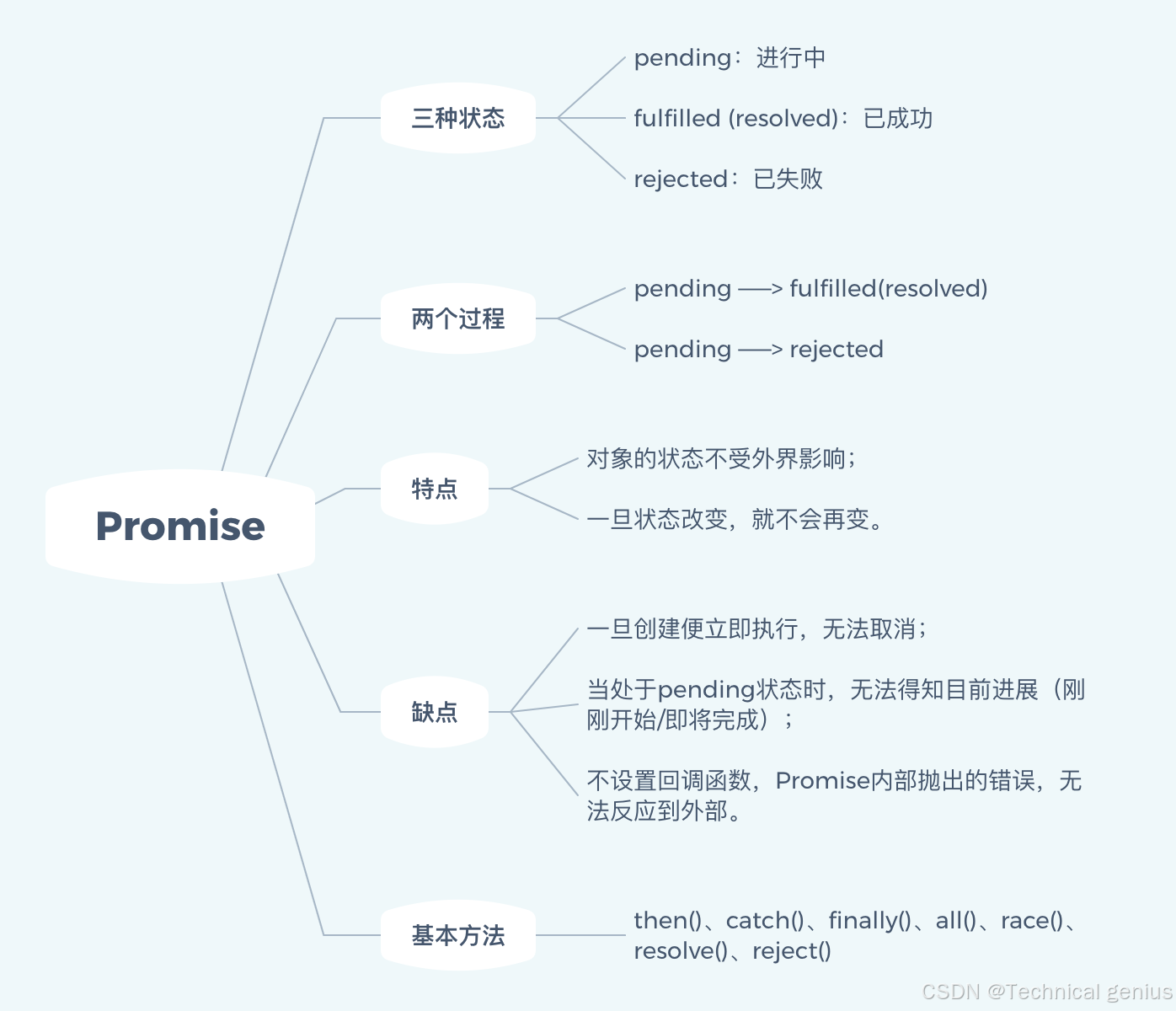
4.1 Promise基础
Promise是ES6引入的异步编程解决方案,解决了回调地狱问题。
4.1.1 创建Promise
-
未决状态:初始状态,既不是成功也不是失败。
-
已兑现状态:操作成功完成。
-
已拒绝状态:操作失败。
const promise = new Promise((resolve, reject) => { setTimeout(() => { resolve("Success!"); }, 1000); });
4.1.2 使用Promise
-
then方法:处理成功情况:
promise.then(result => console.log(result)); // "Success!" -
catch方法:处理失败情况:
promise.catch(error => console.error(error)); -
finally方法:无论成功或失败都会执行:
promise.finally(() => console.log("Done"));
4.2 Promise链式调用
Promise可以链式调用,避免了回调地狱:
fetch("url1") .then(response => response.json()) .then(data => process(data)) .catch(error => console.error(error));
4.3 Promise.all与Promise.race
-
Promise.all:等待所有Promise完成:
Promise.all([promise1, promise2]).then(results => console.log(results)); -
Promise.race:等待第一个完成的Promise:
Promise.race([promise1, promise2]).then(result => console.log(result));
4.4 场景化案例
-
API调用:使用Promise处理异步API调用:
fetch("https://api.example.com/data") .then(response => response.json()) .then(data => console.log(data)) .catch(error => console.error(error)); -
并行请求:使用
Promise.all并行请求多个API:const fetchUser = () => fetch("https://api.example.com/user"); const fetchPosts = () => fetch("https://api.example.com/posts"); Promise.all([fetchUser(), fetchPosts()]) .then(([user, posts]) => console.log(user, posts)) .catch(error => console.error(error));
五、ES6的Symbol与Set/Map数据结构
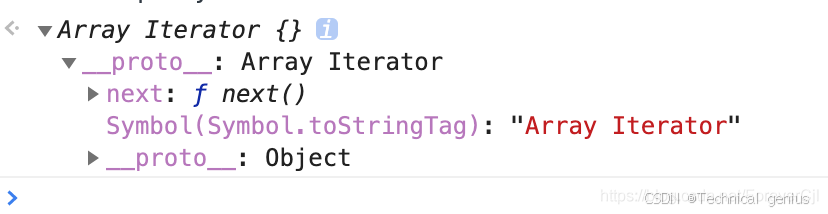
5.1 Symbol
Symbol是ES6引入的原始数据类型,用于创建唯一的标识符。
5.1.1 创建Symbol
const sym1 = Symbol("description");
const sym2 = Symbol("description");
console.log(sym1 === sym2); // false
5.1.2 作为属性名
Symbol可以作为对象的属性名,避免属性名冲突:
const obj = { [Symbol("key")]: "value" };
console.log(obj[Symbol("key")]); // "value"
5.2 Set
Set是ES6引入的集合数据结构,用于存储唯一值。
5.2.1 创建Set
const set = new Set([1, 2, 3, 2]);
console.log(set.size); // 3
5.2.2 Set方法
-
add:添加元素。
-
delete:删除元素。
-
has:检查元素是否存在。
-
clear:清空Set。
5.3 Map
Map是ES6引入的键值对数据结构,键可以是任意类型。
5.3.1 创建Map
const map = new Map();
map.set("key1", "value1");
map.set("key2", "value2");
console.log(map.get("key1")); // "value1"
5.3.2 Map方法
-
set:设置键值对。
-
get:获取值。
-
has:检查键是否存在。
-
delete:删除键值对。
-
clear:清空Map。
5.4 场景化案例
-
唯一值处理:使用Set处理唯一值:
const numbers = [1, 2, 2, 3, 4, 4]; const uniqueNumbers = [...new Set(numbers)]; console.log(uniqueNumbers); // [1, 2, 3, 4] -
键值对存储:使用Map存储键值对:
const user = new Map();
user.set("name", "Alice");
user.set("age", 25);
console.log(user.get("name")); // "Alice"
六、ES6的国际化与正则表达式增强
6.1 国际化
ES6引入了Intl对象,支持国际化的日期、时间和数字格式化。
6.1.1 日期格式化
const now = new Date();
const options = { year: "numeric", month: "long", day: "numeric" };
const formatter = new Intl.DateTimeFormat("en-US", options);
const formattedDate = formatter.format(now);
console.log(formattedDate); // "December 31, 2023"
6.1.2 数字格式化
const number = 1234567.89;
const formatter = new Intl.NumberFormat("en-US", { style: "currency", currency: "USD" }); const formattedNumber = formatter.format(number);
console.log(formattedNumber); // "$1,234,567.89"
6.2 正则表达式增强
ES6引入了正则表达式的命名捕获组和Unicode属性。
6.2.1 命名捕获组
const regex = /(?<year>\d{4})-(?<month>\d{2})-(?<day>\d{2})/;
const match = regex.exec("2023-12-31");
console.log(match.groups.year); // "2023"
6.2.2 Unicode属性
const regex = /\p{Script=Han}/gu;
const text = "你好世界";
console.log(text.match(regex)); // ["你", "好"]
七、总结
ES6的引入标志着JavaScript从“玩具语言”向“企业级语言”的转变。通过箭头函数、类语法、模块化系统等特性,ES6提升了代码的简洁性、可读性和可维护性。随着ES6+规范的不断演进,JavaScript将继续引领前端开发的新潮流,为开发者提供更强大的工具和更丰富的可能性。





 扫一扫
扫一扫


 902
902

 被折叠的 条评论
为什么被折叠?
被折叠的 条评论
为什么被折叠?
 到【灌水乐园】发言





