


 本文介绍了如何在 Vue 项目中使用 v-calendar 组件。首先通过 npm 安装 v-calendar,然后在 main.js 文件中引入并注册。接着展示了在组件中如何监听和获取日历的年月信息,包括在 mounted 生命周期钩子中获取初始年月以及在改变月份时更新年月的方法。
vue v-calendar 的日历组件的使用
1.安装
npm install v-calendar;
import VCalendar from ‘v-calendar’;
在main.js:
import VCalendar from ‘v-calendar’; // 引入日历插件
Vue.use(VCalendar, {
componentPrefix: ‘vc’
2.使用
<v-calendar :attributes='attributes' @dayclick="onDayClick" v-on:choseDay="clickDay" ref="calendars" is-expanded @transition-start="dateTime" ></v-calendar>
  data() {
            return {
                calendar: '请选择日历',
                calendar_list: [],
                selectedDate: [],
                days: [],  //所选择的日期
                calendars:'',
                }
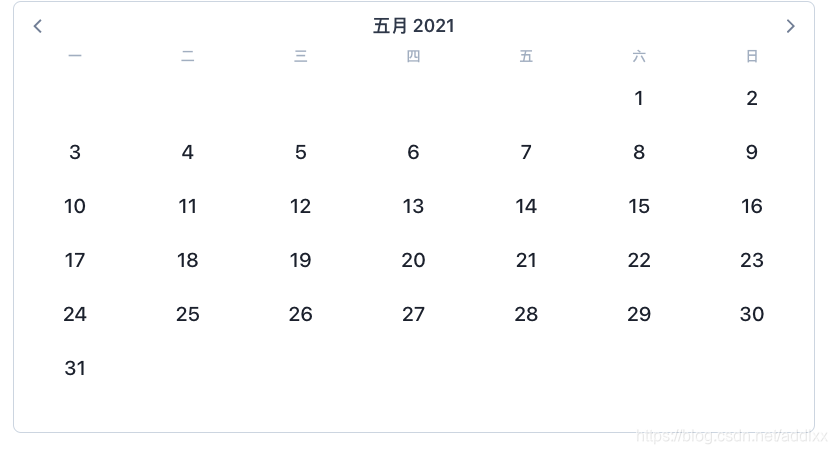
点击的时候获取年月份
 //改变时
            onDayClick(day) {


            },
如果想进来的时候获取年月份在mounted里面执行ref
  mounted: function () {
            this.calendars=this.$refs.calendars;
            this.moth =this.calendars.firstPage.month;
            this.year = this.calendars.firstPage.year;
            }
改变月份时获取年和月;
  methods: {
   dateTime(value){
                this.calendars=this.$refs.calendars;
                this.moth =this.calendars.firstPage.month;
                this.year = this.calendars.firstPage.year;
                }
  }





 扫一扫
扫一扫


 被折叠的 条评论
为什么被折叠?
被折叠的 条评论
为什么被折叠?
 到【灌水乐园】发言





