


【Set集合】
java.util.Set 接口 extends Collection接口
 Set接口的特点:
- 不允许存储重复的元素
- 没有索引,没有带索引的方法,也不能使用普遍的for循环遍历
【HashSet】
 HashSet特点:
- 不允许存储重复的元素
- 没有索引,没有带索引的方法,也不能使用普遍的for循环遍历
- 是一个无序的集合,存储元素和取出元素的顺序有可能不一致
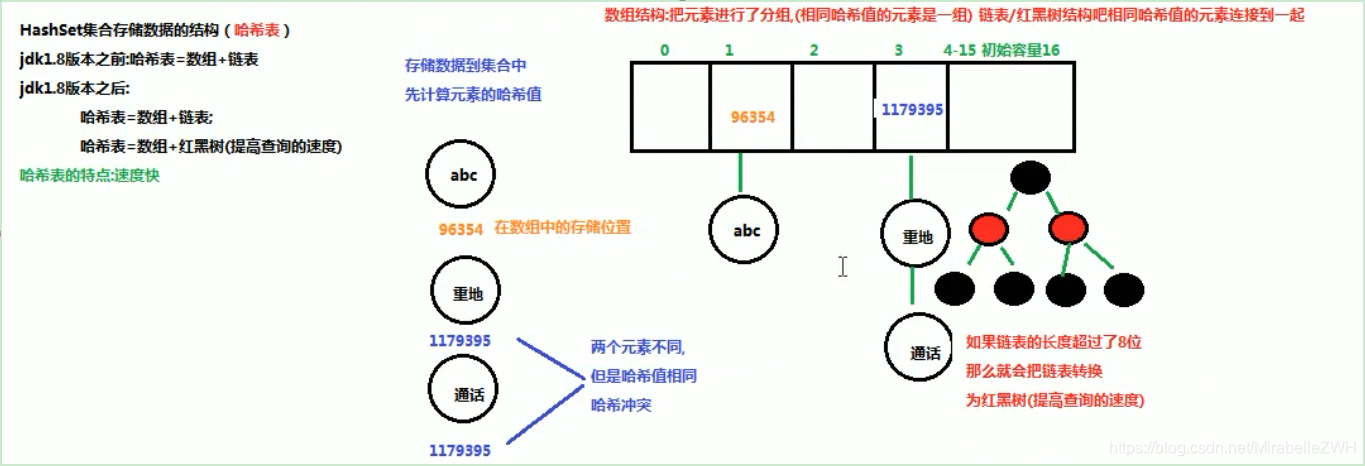
- 底层是一个哈希表结构(查询的速度非常的快)
public static void main(String[] args) {
    Set<Integer> set = new HashSet<>();
    // 使用add方法往集合中添加元素
    set.add(1);
    set.add(3);
    set.add(2);
    set.add(1);
    // 使用迭代器遍历set集合
    Iterator<Integer> it = set.iterator();
    while(it.hashNext()) {
        Integer n = it.next();
        System.out.prontln(n);//1,2,3
    }
    // 使用增强for遍历set集合
    for(Ingeter i : set) {
        System.out.println(i);
    }
}
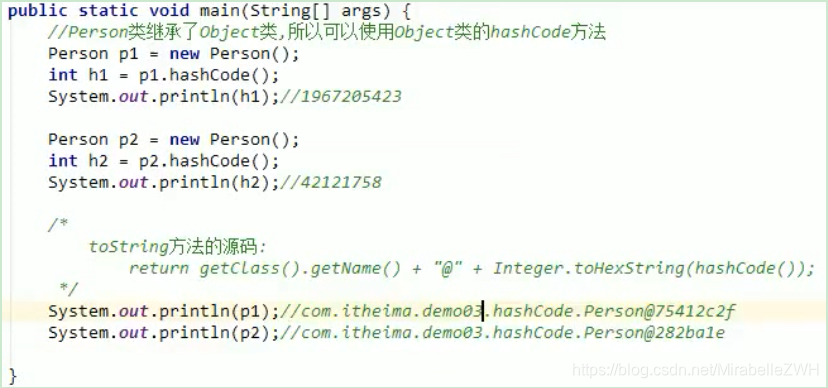
 哈希值:是一个十进制的整数,由系统随机给出(就是对象的地址值,是一个逻辑地址,是模拟出来得到地址,不是数据实际存储的物理地址)在Object类有一个方法,可以获取对象的哈希值
//int hashCode() 返回该对象的哈希码值。
hashCode方法的源码:
    public native int hashCode();
//native:代表该方法调用的是本地操作系统的方法
【LinkedHashSet】
java.util.LinkedHashSet集合 extends HashSet集合
 LinkedHashSet集合特点:
底层是一个哈希表(数组+链表/红黑树)+链表,多了一条链表(记录元素的存储顺序),保证元素有序
public static void main(String[] args) {
    HashSet<String> set = new HashSet<>();
    set.add("www");
    set.add("abc");
    set.add("abc");
    set.add("zwh");
    System.out.println(linked);//[abc,www,zwh]
}
LinkedHashSet<String> linked = new LinkedHashSet<>();
linked.add("www");
linked.add("abc");
linked.add("abc");
linked.add("zwh");
System.out.println(linked);//[www,abc,zwh]有序,不允许重复





 扫一扫
扫一扫


 697
697

 被折叠的 条评论
为什么被折叠?
被折叠的 条评论
为什么被折叠?
 到【灌水乐园】发言





