



 本文介绍了单链表的概念和实现原理,详细讲解了如何使用Java实现单链表,包括节点类的定义、添加节点、删除元素、插入元素、修改元素、查询元素等功能,并提供了完整的代码示例和打印链表结构的方法。
单链表概述
单链表是一种链式存取的数据结构,用一组地址任意的存储单元存放线性表中的数据元素。链表中的数据是以结点来表示的,每个结点的构成:元素(数据元素的映象) + 指针(指示后继元素存储位置),元素就是存储数据的存储单元,指针就是连接每个结点的地址数据。
单链表的实现原理
在单链表中,我们定义一个节点Node 包括两个部分:元数据和下一个节点的地址。节点和节点之间 通过next(即下一个节点的地址)来进行关联,这样就形成了一个链式结构。我们很轻易的就能从头(head)结点一直遍历到最后边的节点。这种结构有点像铁锁一样环环相扣。
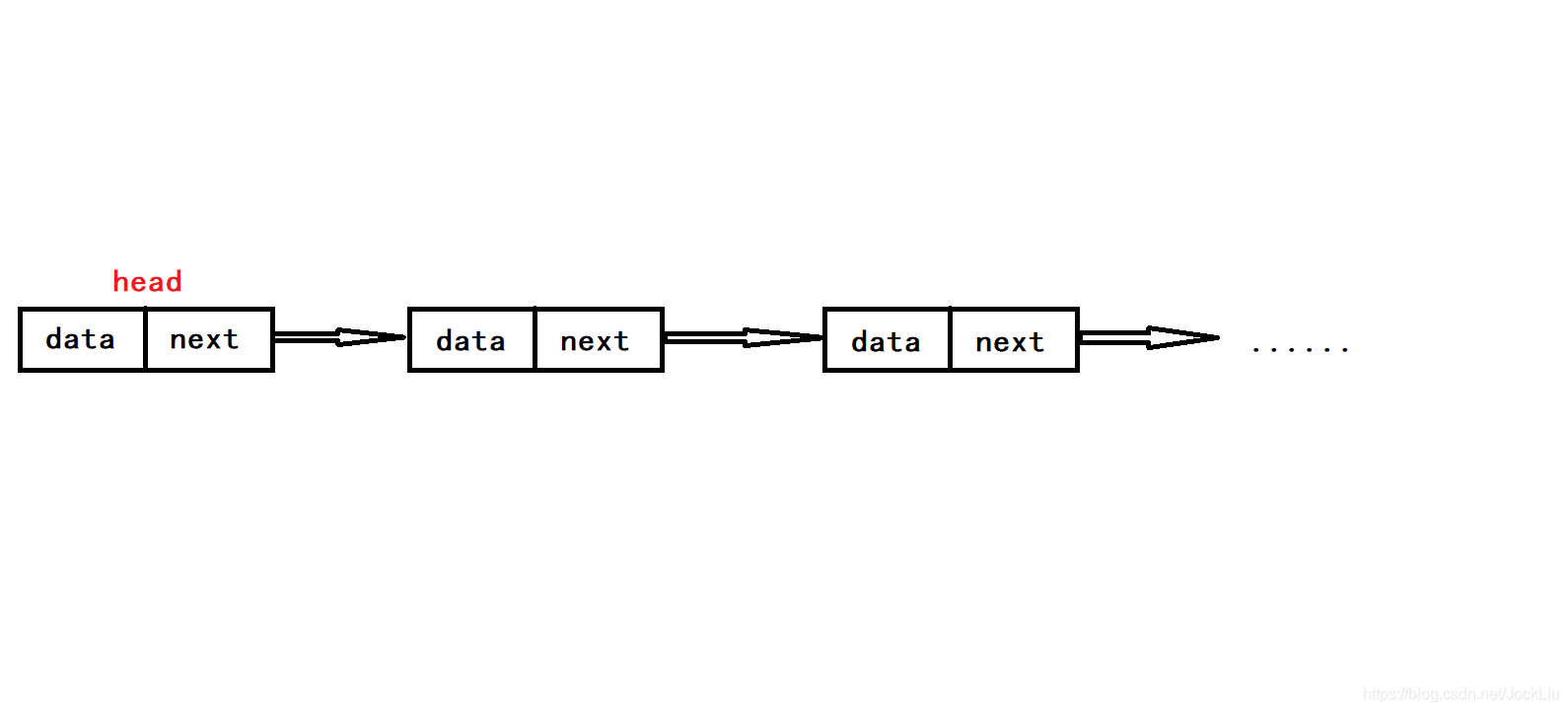
单链表操作(java实现)
节点类(需要定义,两种方式)
class Node{
    Object data;//链表中的数据
	Node next;//下一节点的索引
	public Node(Object data) {
		this.data = data;//取的元素
	}
}
Node head;//链表的头结点
class ListNode {
    int val;
    ListNode next = null;

    ListNode(int val) {
        this.val = val;
    }
}
向链表对象中添加节点对象的功能
    /*
	 * 添加节点
	 */

	public void add(Object data) {
		// 构建节点对象
		Node node = new Node(data);
		// 判断链表是否为空,若为空,则头节点为空
		if (head == null) {
			head = node;
			// 若不为空,则执行函数,判断下一节点
		} else {
			Node arr = listNode();
			arr.next = node;
		}
	}
	private Node listNode() {
		// 从头开始遍历
		// 定义一个临时变量,让它等于头
		Node temp = head;
		// 不为空的话继续遍历
		while (temp != null) {
			// 若下一节点为空,则中断遍历
			if (temp.next == null) {
				break;
			}
			// 遍历下一个
			temp = temp.next;
		}
		return temp;
	}
在链表对象中删除指定元素
	/*
	 * 删除
	 */

	public void delete(int index) {
		if (index < 0) {
			throw new IllegalStateException("无效索引");
		}
		Node p = head;
		int i = 0;
		while (i < index-1 && p != null) {
			p = p.next;
			i++;
		}
		if(p == null) {
			throw new IllegalStateException("无效链表");
		}
		p.next = p.next.next;
	}
向链表中插入指定元素
	/*
	 * 插入节点
	 */
	public void insert(int value, int index) {
		Node p = head;
		int i = 0;
		while (i < index) {
			i++;
		}
		Node temp = new Node(value);
		temp.next = p.next;
		p.next = temp;
	}
向链表中修改指定元素
	/*
	 * 修改结点
	 */
	public void update(int data, int index) {
		if (index<0) {
			throw new IllegalStateException("无效链表");
		}
		int i = 0;
		Node p = head;
		while (i < index) {
			p = p.next;
			i++;
		}
		p.data = data;
	}
查询链表中的指定元素
	/*
	 * 查找元素
	 */
	public Object find(int index) {
		int i = 0;
		Node p = head;
		while (i < index) {
			i++;
			p = p.next;
		}
		System.out.println(p.data);
		return p.data;
	}
增加打印机制(这个主要是为了方便查看链表结构)
	/*
	 * 定义打印函数
	 */

	public void print() {
		Node p = head;
		while (p != null) {
			System.out.print(p.data + "->");
			p = p.next;
		}
	}
实现功能的全部代码:
//定义节点对象
class Node {
	Object data;// 链表中的数据
	Node next;// 下一节点的索引

	public Node(Object data) {
		this.data = data;// 取的元素
	}
}

public class SingleList {
	Node head;// 链表的头结点
	/*
	 * 定义打印函数
	 */

	public void print() {
		Node p = head;
		while (p != null) {
			System.out.print(p.data + "->");
			p = p.next;
		}
	}
	/*
	 * 添加节点
	 */

	public void add(Object data) {
		// 构建节点对象
		Node node = new Node(data);
		// 判断链表是否为空,若为空,则头节点为空
		if (head == null) {
			head = node;
			// 若不为空,则执行函数,判断下一节点
		} else {
			Node arr = listNode();
			arr.next = node;
		}
	}

	private Node listNode() {
		// 从头开始遍历
		// 定义一个临时变量,让它等于头
		Node temp = head;
		// 不为空的话继续遍历
		while (temp != null) {
			// 若下一节点为空,则中断遍历
			if (temp.next == null) {
				break;
			}
			// 遍历下一个
			temp = temp.next;
		}
		return temp;
	}

	/*
	 * 删除
	 */

	public void delete(int index) {
		if (index < 0) {
			throw new IllegalStateException("无效索引");
		}
		Node p = head;
		int i = 0;
		while (i < index - 1 && p != null) {
			p = p.next;
			i++;
		}
		if (p == null) {
			throw new IllegalStateException("无效链表");
		}
		p.next = p.next.next;
	}

	/*
	 * 插入节点
	 */
	public void insert(int value, int index) {
		Node p = head;
		int i = 0;
		while (i < index) {
			i++;
		}
		Node temp = new Node(value);
		temp.next = p.next;
		p.next = temp;
	}

	/*
	 * 修改结点
	 */
	public void update(int data, int index) {
		if (index<0) {
			throw new IllegalStateException("无效链表");
		}
		int i = 0;
		Node p = head;
		while (i < index) {
			p = p.next;
			i++;
		}
		p.data = data;
	}

	/*
	 * 查找元素
	 */
	public Object find(int index) {
		int i = 0;
		Node p = head;
		while (i < index) {
			i++;
			p = p.next;
		}
		System.out.println(p.data);
		return p.data;
	}

}
测试对象示例
public class TestSingleList {
	public static void main(String[] args) {
		SingleList list = new SingleList();
		list.add(10000);
		list.add(10010);
		list.add(10086);
		list.add(12580);
		list.add(12306);
		list.delete(2);
		list.insert(12586, 1);
		list.update(12345, 4);
		list.find(4);
		list.print();
	}
}






 扫一扫
扫一扫


 75
75

 被折叠的 条评论
为什么被折叠?
被折叠的 条评论
为什么被折叠?
 到【灌水乐园】发言





