


 本文从Spring Cloud官方文档出发,探讨Eureka服务注册中心如何实现节点间互相感知,增强系统的高可用性和容错性。通过配置多个实例相互注册,即使在‘split-brain’故障情况下,系统也能保持服务同步。
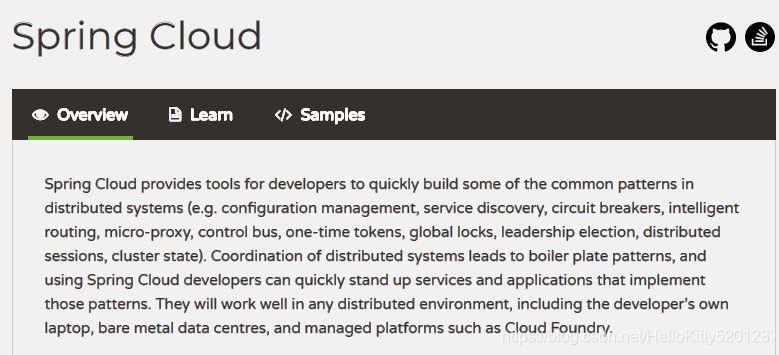
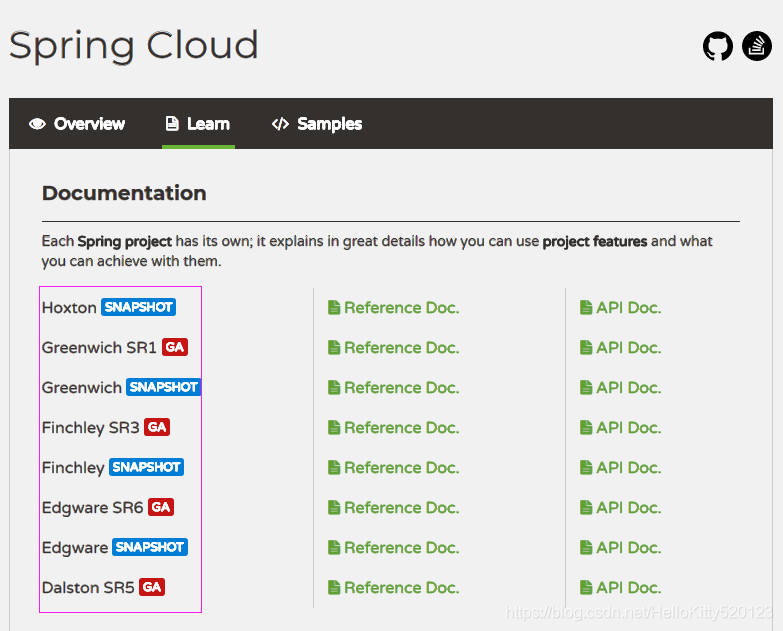
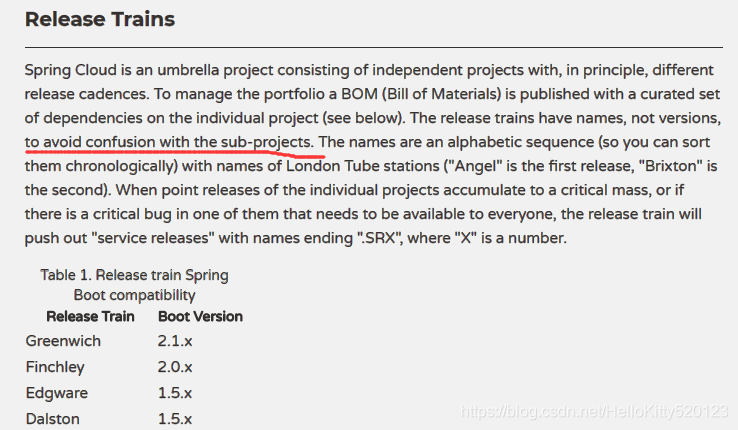
springcloud官网:https://spring.io/projects/spring-cloud#overview
一切的学习,从官网开始。
12.5 Peer Awareness
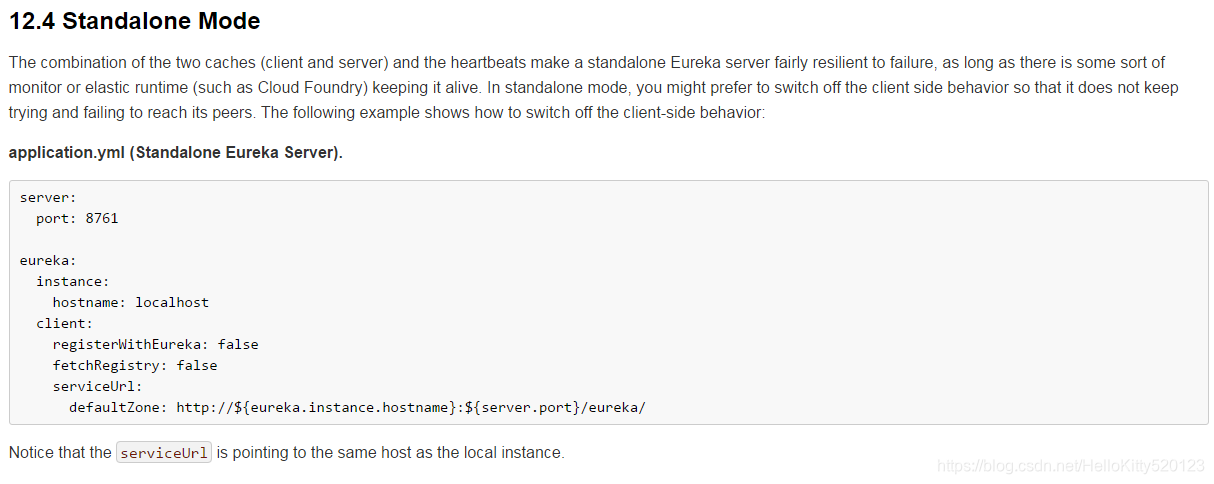
Eureka can be made even more resilient and available by running multiple instances and asking them to register with each other. In fact, this is the default behavior, so all you need to do to make it work is add a valid serviceUrl to a peer, as shown in the following example:
application.yml (Two Peer Aware Eureka Servers).
---
spring:
  profiles: peer1
eureka:
  instance:
    hostname: peer1
  client:
    serviceUrl:
      defaultZone: http://peer2/eureka/

---
spring:
  profiles: peer2
eureka:
  instance:
    hostname: peer2
  client:
    serviceUrl:
      defaultZone: http://peer1/eureka/
In the preceding example, we have a YAML file that can be used to run the same server on two hosts (peer1 and peer2) by running it in different Spring profiles. You could use this configuration to test the peer awareness on a single host (there is not much value in doing that in production) by manipulating /etc/hosts to resolve the host names. In fact, the eureka.instance.hostname is not needed if you are running on a machine that knows its own hostname (by default, it is looked up by using java.net.InetAddress).
You can add multiple peers to a system, and, as long as they are all connected to each other by at least one edge, they synchronize the registrations amongst themselves. If the peers are physically separated (inside a data center or between multiple data centers), then the system can, in principle, survive “split-brain” type failures. You can add multiple peers to a system, and as long as they are all directly connected to each other, they will synchronize the registrations amongst themselves.
application.yml (Three Peer Aware Eureka Servers).
eureka:
  client:
    serviceUrl:
      defaultZone: http://peer1/eureka/,http://peer2/eureka/,http://peer3/eureka/

---
spring:
  profiles: peer1
eureka:
  instance:
    hostname: peer1

---
spring:
  profiles: peer2
eureka:
  instance:
    hostname: peer2

---
spring:
  profiles: peer3
eureka:
  instance:
    hostname: peer3





 扫一扫
扫一扫


 1129
1129

 被折叠的 条评论
为什么被折叠?
被折叠的 条评论
为什么被折叠?
 到【灌水乐园】发言





