


Our List of the Essential Linux Apps

本文推荐了一系列在Linux环境下提高生产力的应用程序,包括文字编辑器Kate和Geany、文本扩展工具AutoKey、浏览器Chrome、邮件客户端Thunderbird等,覆盖了从日常办公到专业开发的各种需求。

Productivity

Lifehacker Pack for Linux: Our List of the Essential Linux Apps

Synapse

We love app launchers and the speed they bring to our workflow, and they can do a lot more than just launch apps. Unfortunately, app launchers are in a weird spot in the Linux world: GNOME Do hasn't had any major updates since 2009, and Synapse—the awesome GNOME Do alternative with Zeitgeist integration—has now been all but abandoned. If you're using Ubuntu's Unity interface or the GNOME Shell, you can probably skip this, as they have a lot of app launcher functionality built right in. But for those on other desktop environments, we recommend at least checking out Synapse for your app launching and other needs. Alternatively, GNOME Do is still available for download, and if you're really a minimalist, you might like dmenu. KDE users have the handy KRunner built in as well.

Why You Should Be Using an App Launcher (and How to Make It Do More Than Launch Apps)

Do you still launch applications by pressing the Windows key and searching for your app?… Read more

Lifehacker Pack for Linux: Our List of the Essential Linux Apps

Kate and Geany

When the built-in Gedit just doesn't cut it, Kate and Geany will bring some more advanced coding and development features to the table. They've got a similar feature set, but Kate is our favorite text editor, providing syntax highlighting, code collapsing, on-the-fly spell checking, a vi-like input mode, and even code autocompletion. If you need more than the built-in editors can provide, Kate and Geany will make you happy. If you want something even more hardcore than these, check out Eclipse or Sublime Text 2.
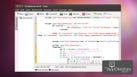
The Best Programming Text Editor for Linux

Linux users have more text editors, IDEs, and command-line tools than a programmer can shake a… Read more

Lifehacker Pack for Linux: Our List of the Essential Linux Apps

AutoKey

Text expansion is one of the greatest improvements you can make to your productivity. Think of any tedious typing you do during the day—addresses, canned email responses, bits of code, or anything else—and imagine being able to type it all with just a few keystrokes. That's what text expansion does, and it can save you hours of typing. There aren't a ton of text expansion apps for Linux, but AutoKey fits the bill well enough. You'll need some Python skills for the more advanced snippets, but right now, it's the best we've got.

How to Use Text Expansion to Save Yourself Hours of Typing Every Week

In a regular day, most of us type the same things over and over again, wasting an enormous amount… Read more

Lifehacker Pack for Linux: Our List of the Essential Linux Apps

LibreOffice

Chances are, LibreOffice comes with your Linux distribution, but just in case it doesn't, we've added it here. From documents to spreadsheets to presentations and more, LibreOffice has the tools you need to get things done.

Internet and Communication

Lifehacker Pack for Linux: Our List of the Essential Linux Apps

Chrome

As customizable as Firefox is, these days we're finding it hard to pull away from Chrome as our main browser recommendation—even in Linux. It's powerful, fast, smooth, syncs all your settings, and has an incredible extension library. If you want to stay truly open source, you can try Chromium, but you'll be missing a few things (like Flash), so we recommend downloading Google's version of the browser. Of course, if you're a diehard open source supporter, Firefox is probably still the best browser around.


How and Why Chrome Is Overtaking Firefox Among Power Users

Firefox has long been the go-to web browser among power users for its impressive feature set,… Read more

Lifehacker Pack for Linux: Our List of the Essential Linux Apps

Thunderbird

Even though Thunderbird has slowed down development, it's still our favorite desktop email client, especially on Linux. Few things compare to Thunderbird's customizability (partially due to its awesome library of extensions), and even if you're a webmail user, we recommend keeping a desktop client around—even if it's just for backups when Gmail goes down.

Thunderbird to Slow Down Development, Focus on "Security and Stability" Only

Mozilla has announced that Thunderbird, our favorite email client for Windows and Linux, is going… Read more

Lifehacker Pack for Linux: Our List of the Essential Linux Apps

Pidgin

We still think Pidgin is the best IM client around on Linux, despite the fact the Ubuntu developers (and others) have ditched it for programs like Empathy. Not only does it support a ton of IM protocols and features, but it has a pretty sweet extension library that lets you do just about anything you want with it. If you're using GNOME shell, Empathy does have some nice integration options, though, so it's worth a look too.
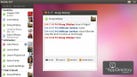
The Best Instant Messaging Application for Linux

Linux users have a few different choices when it comes to instant messaging, but the… Read more

Lifehacker Pack for Linux: Our List of the Essential Linux Apps

Skype

Skype isn't our favorite video chat tool (though we do like it for general telephony), but it is one that you'll probably need in your arsenal. The fact of the matter is, most people use Skype for their video chat needs, which means someone in your life—friends, family, or other—is going to want to video chat with you on it one day. Download it now and keep it in your pocket for when you need it.


The Best Video Chat App for Linux

While other video chat apps may be more popular, we've found that Google+ Hangouts brings the… Read more

Lifehacker Pack for Linux: Our List of the Essential Linux Apps

Music, Photos, and Video

VLC

Chances are, your Linux distribution of choice comes with a pretty solid video player, like MPlayer. For most people, that's fine, but if you need something with a bit more control, VLC is a good place to start. It supports more video and audio formats than you can shake a stick at, and it requires virtually no work to get your movies playing—though it does have some handy command line tools for you advanced users out there.

Lifehacker Pack for Linux: Our List of the Essential Linux Apps

Plex

We don't usually feature media center programs in our Lifehacker pack, since they're really designed for media center devices—plus, most of us are still split over whether we like XBMC or Plex better—but Plex has one other feature we absolutely love: it's the best program out there for streaming video to your mobile devices. Whether you're doing it from across the room or across the country, Plex is an awesome tool for keeping up access when you aren't sitting at your PC.

Should I Use Plex or XBMC for My Home Theater PC?

Dear Lifehacker, I want to make the perfect home media center but I've come across a very… Read more

Lifehacker Pack for Linux: Our List of the Essential Linux Apps

digiKam and Shotwell

Linux actually has a few solid photo management tools, but our favorite is definitely digiKam. It's more on the professional side of things, which means it has more features than you can shake a stick at, including a ton of organization features, support for over 300 RAW formats, the ability to compare pictures side-by-side, and a ton more. It is a bit complicated to use, though—so if you prefer something a bit simpler, Shotwell may be more your speed. It does the basic sorting, tagging, and editing most users need, plus it has the built-in ability to share photos to Facebook, Flickr, and Picasa (a feature digiKam also boasts).
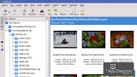
The Best Photo Management App for Linux

Linux may not have a ton of super advanced photo managers, but it has a few solid programs, the… Read more

Lifehacker Pack for Linux: Our List of the Essential Linux Apps

GIMP

If you're editing something that can't be done in digiKam or Shotwell—whether it's a screenshot or you just need some more advanced tools—the GIMP can probably get it done. It may not be Photoshop, but it can do an awful lot on its own.

Top 10 Photoshop Tricks You Can Use Without Buying Photoshop

You can do just about anything to an image with Photoshop, but if you don't have the cash to… Read more

Lifehacker Pack for Linux: Our List of the Essential Linux Apps

Clementine

Picking a music player for this list was tough. Linux has a pretty big selection, and as we've said before, music players are an incredibly personal choice. In the end, we decided on Clementine. It's got a good set of features, an easy-to-browse interface, and is loved by basic and advanced users alike. If you want something a bit different, we recommend checking out Banshee and Amarok, too.

Lifehacker Pack for Linux: Our List of the Essential Linux Apps

Spotify

No matter what you pick for your music player, we recommend having a streaming service on hand, even if it isn't your main player. We like Spotify, and while it isn't technically supported on Linux, Spotify has some preview builds available that can at least get you up and streaming.

Utilities

Lifehacker Pack for Linux: Our List of the Essential Linux Apps

Dropbox

These days, lots of us have more than just one device. Maybe it's a Linux machine at home and a Windows computer at work. Or maybe it's three computers, a smartphone, a tablet, and a netbook running Archbang. Whatever your span of devices, Dropbox is absolutely essential for keeping all your files (and other stuff) in sync. You get 2 GB of free space to start, but it's really easy to load up on extra space for free.

Top 10 Clever Uses for Dropbox

Dropbox is an awesome service. You can back your files up to the cloud, sync them between… Read more

Lifehacker Pack for Linux: Our List of the Essential Linux Apps

Deluge

When you have to download a large file, BitTorrent is almost always a better alternative than a slow direct download. Linux has some good BitTorrent choices, but our favorite client is Deluge. It's simple to use feature-rich, and has a nice plugin library, so advanced users have all the features they need to tweak their speed and privacy to their liking. If you aren't a fan of Deluge, try qBitTorrent—it's equally as awesome.
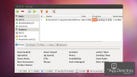
The Best BitTorrent Client for Linux

Linux has a few pretty great BitTorrent clients available, but our favorite would have to be the… Read more

Lifehacker Pack for Linux: Our List of the Essential Linux Apps

CrashPlan

Everyone needs a backup. There's no worse feeling than having your hard drive crash and having to start from scratch. Enter CrashPlan. While you could always back up to an external drive, that won't save you if you lose your computer in a fire, burglary, or other disaster. CrashPlan backs your computer up to the cloud, using either CrashPlan's cloud service or a friend's computer, keeping your data safe no matter what. Plus, it's really easy to set up. Set it, forget it, and relax.

How to Back Up Your Computer to an External Drive

You never think losing your files will happen to you until it actually does, and you're caught … Read more

Lifehacker Pack for Linux: Our List of the Essential Linux Apps

PeaZip

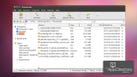
Linux has a lot of file archiving tools, and if you're a command line buff, look no further than the terminal to get everything done (whether it's the built-in tar command or the awesome p7zip). But, if you need a more friendly GUI, PeaZip is our pick. It may not be pretty, but it can work with over 130 different archive types, encrypt archives for safe keeping, and integrate with both GNOME and KDE. Plus, it still has the command line features advanced users crave, for when the GUI isn't necessary.
The Best File Archive Utility for Linux

While most Linux veterans would tell you the command line is all you need to archive a bunch of… Read more

Lifehacker Pack for Linux: Our List of the Essential Linux Apps

Wine

Linux has some awesome apps, but sometimes the big guys ignore Linux and we're left out in the cold. Wine is (sometimes) the answer: if you've got a Windows program you can't leave behind (whether it's Outlook for work, Photoshop for images, or World of Warcraft for fun), Wine will run it on your Linux desktop. It doesn't work with every program out there, but Wine's app database will help you figure out which ones work well, so you can get one step closer to leaving Windows behind forever.

Lifehacker Pack for Linux: Our List of the Essential Linux Apps

Terminator

Linux users spend a lot more time in the terminal than the average Windows or Mac user, which means you should have a really good terminal emulator on hand. The default terminal that comes with your distro may be fine, but Terminator will take your command line work to the next level. You can arrange terminals in a grid, re-order them, configure a bevy of keyboard shortcuts, save your layouts, and a lot more. If you don't want or need everything Terminator has to offer, you might still want to check out Guake and Yakuake, the awesome drop-down terminals you can access with a keyboard shortcut.

The Best Terminal Emulator for Linux

While your terminal emulator of choice depends a lot on personal preference, it's quite clear… Read more

Lifehacker Pack for Linux: Our List of the Essential Linux Apps

VirtualBox

When Wine doesn't cut it and you just have to run that Windows program or two, VirtualBox is your next choice. VirtualBox will run an entire Windows installation in a virtual machine, so you can perform all your Windows tasks without ever leaving Linux. It isn't always ideal, but if you're stuck with Windows at work, for example, you'll have to make a few compromises somewhere.


http://lifehacker.com/lifehacker-pack-for-linux-our-list-of-the-essential-li-815376368

修改cmake_minimum_required(VERSION 3.15) set(CMAKE_CXX_STANDARD 17) set(CMAKE_CXX_STANDARD_REQUIRED ON) set(CMAKE_LEGACY_CYGWIN_WIN32 0) set(CMAKE_OSX_DEPLOYMENT_TARGET "10.15" CACHE STRING "Minimum OS X deployment target") project(g2o LANGUAGES CXX C) include(CPack) include(GNUInstallDirs) # target_link_libraries(g2o LANGUAGES stdc++fs) if (CMAKE_CXX_COMPILER_ID STREQUAL "GNU" AND CMAKE_CXX_COMPILER_VERSION VERSION_LESS "9") set(CMAKE_EXE_LINKER_FLAGS "${CMAKE_EXE_LINKER_FLAGS} -lstdc++fs") endif() # The library prefix set(LIB_PREFIX g2o_) set(g2o_C_FLAGS) set(g2o_CXX_FLAGS) set(G2O_LIB_VERSION "0.2.0" CACHE STRING "g2o library version") set(G2O_LIB_SOVERSION "0.2" CACHE STRING "g2o library soversion") set(G2O_VERSION 1.0.0) # manually check for top-level project if CMake is older than 3.21 if(CMAKE_VERSION VERSION_LESS 3.21) string(COMPARE EQUAL "${CMAKE_SOURCE_DIR}" "${CMAKE_CURRENT_SOURCE_DIR}" PROJECT_IS_TOP_LEVEL) endif() if(PROJECT_IS_TOP_LEVEL) # default built type if(NOT CMAKE_BUILD_TYPE) set(CMAKE_BUILD_TYPE Release CACHE STRING "Choose the type of build, options are: None Debug Release RelWithDebInfo MinSizeRel." FORCE) endif() endif() # Allow the developer to select if Dynamic or Static libraries are built option (BUILD_SHARED_LIBS "Build Shared Libraries (preferred and required for the g2o plugin system)" ON) set (G2O_LIB_TYPE STATIC) if (BUILD_SHARED_LIBS) set (G2O_LIB_TYPE SHARED) endif() # Option to control installation of cmake config files when used as subdirectory option(G2O_INSTALL_CMAKE_CONFIG "Install CMake configuration files even when used as subdirectory" OFF) # Only set output directories and options when this is the top-level project if(PROJECT_IS_TOP_LEVEL) # On the Mac platform, configure the RPATH as per the INSTALL, to # avoid the problem of loading both the built and INSTALLed versions # of the shared targets if(APPLE) set(CMAKE_INSTALL_RPATH "") set(CMAKE_MACOSX_RPATH TRUE) # ignore deprecated GL add_definitions(-DGL_SILENCE_DEPRECATION) endif(APPLE) endif() # Only set output directories when this is the top-level project if(PROJECT_IS_TOP_LEVEL) # Set the output directory for the build executables and libraries set(g2o_RUNTIME_OUTPUT_DIRECTORY ${g2o_BINARY_DIR}/bin CACHE PATH "Target for the binaries") if(WIN32) set(g2o_LIBRARY_OUTPUT_DIRECTORY ${g2o_BINARY_DIR}/bin CACHE PATH "Target for the libraries") else(WIN32) set(g2o_LIBRARY_OUTPUT_DIRECTORY ${g2o_BINARY_DIR}/lib CACHE PATH "Target for the libraries") endif(WIN32) set(CMAKE_ARCHIVE_OUTPUT_DIRECTORY ${g2o_LIBRARY_OUTPUT_DIRECTORY}) set(CMAKE_LIBRARY_OUTPUT_DIRECTORY ${g2o_LIBRARY_OUTPUT_DIRECTORY}) set(CMAKE_RUNTIME_OUTPUT_DIRECTORY ${g2o_RUNTIME_OUTPUT_DIRECTORY}) endif() # Set standard installation directories set(RUNTIME_DESTINATION ${CMAKE_INSTALL_BINDIR}) set(LIBRARY_DESTINATION ${CMAKE_INSTALL_LIBDIR}) set(ARCHIVE_DESTINATION ${CMAKE_INSTALL_LIBDIR}) set(INCLUDES_DESTINATION ${CMAKE_INSTALL_INCLUDEDIR}) set(INCLUDES_INSTALL_DIR ${INCLUDES_DESTINATION}/${PROJECT_NAME}) # Set search directory for looking for our custom CMake scripts to # look for SuiteSparse, QGLViewer, and Eigen3. list(APPEND CMAKE_MODULE_PATH ${g2o_SOURCE_DIR}/cmake_modules) # Detect OS and define macros appropriately if(WIN32) add_definitions(-DWINDOWS) message(STATUS "Compiling on Windows") elseif(CYGWIN) message(STATUS "Compiling on Cygwin") add_definitions(-DCYGWIN) elseif(APPLE) add_definitions(-DUNIX) message(STATUS "Compiling on OSX") elseif(UNIX) add_definitions(-DUNIX) message(STATUS "Compiling on Unix") endif(WIN32) # detect Android Cross Compiler # based on android-cmake which sets the variable ANDROID for us if(ANDROID) add_definitions(-DANDROID) message(STATUS "Cross compiling for Android") endif() # For building the CHOLMOD based solvers option(G2O_USE_CHOLMOD "Build g2o with CHOLMOD support" ON) find_package(SuiteSparse) if (G2O_USE_CHOLMOD AND SuiteSparse_CHOLMOD_FOUND) message(STATUS "Enable support for Cholmod") set(CHOLMOD_FOUND TRUE) else() message(STATUS "Disable support for Cholmod") set(CHOLMOD_FOUND FALSE) endif() # Options to control the LGPL libraries option(G2O_USE_LGPL_LIBS "Build libraries which use LGPL code" TRUE) # If the LGPL libraries are used, check if static or shared libraries are used and # show a suitable message if (G2O_USE_LGPL_LIBS) if (G2O_LIB_TYPE STREQUAL "STATIC") message(STATUS "Building LGPL code as a static library (affects license of the binary)") else() message(STATUS "Building LGPL code as a shared library") endif() endif() # Adapter for the legacy LGPL flags. Note there is an inconsistency with the old implementation. if (BUILD_LGPL_SHARED_LIBS) if (G2O_LIB_TYPE STREQUAL "SHARED") set(G2O_USE_LGPL_LIBS TRUE) else() message(FATAL_ERROR "BUILD_LGPL_SHARED_LIBS is set to true but G2O_LIB_TYPE is set to STATIC") endif() endif() # For building the CSparse based solvers. Note this depends on an LGPL library. option(G2O_USE_CSPARSE "Build g2o with CSParse support" ON) find_package(CSparse) if (${G2O_USE_CSPARSE} AND ${CSPARSE_FOUND} AND ${G2O_USE_LGPL_LIBS}) message(STATUS "Enable support for CSparse") else() message(STATUS "Disable support for CSparse") set(G2O_USE_CSPARSE FALSE) endif() # Eigen library parallelise itself, though, presumably due to performance issues # OPENMP is experimental. We experienced some slowdown with it option(G2O_USE_OPENMP "Build g2o with OpenMP support (EXPERIMENTAL)" OFF) if(G2O_USE_OPENMP) find_package(OpenMP) if(OPENMP_FOUND) set (G2O_OPENMP 1) set(g2o_C_FLAGS "${g2o_C_FLAGS} ${OpenMP_C_FLAGS}") set(g2o_CXX_FLAGS "${g2o_CXX_FLAGS} -DEIGEN_DONT_PARALLELIZE ${OpenMP_CXX_FLAGS}") message(STATUS "Compiling with OpenMP support") endif(OPENMP_FOUND) endif(G2O_USE_OPENMP) # OpenGL is used in the draw actions for the different types, as well # as for creating the GUI itself set(OpenGL_GL_PREFERENCE "GLVND") find_package(OpenGL) # If OpenGL was found, use the import target if available. If not, use old-style includes option(G2O_USE_OPENGL "Build g2o with OpenGL support for visualization" ON) set(G2O_HAVE_OPENGL 0) if (OPENGL_FOUND AND G2O_USE_OPENGL) if (TARGET OpenGL::GL) set(G2O_OPENGL_TARGET "OpenGL::GL;OpenGL::GLU") else() set(G2O_OPENGL_TARGET "${OPENGL_LIBRARIES}") include_directories(${OPENGL_INCLUDE_DIR}) endif() set(G2O_HAVE_OPENGL 1) message(STATUS "Compiling with OpenGL support") #message(WARNING G2O_OPENGL_TARGET=${G2O_OPENGL_TARGET}) endif() # For building the GUI find_package(QGLViewer) # Logging library option(G2O_USE_LOGGING "Try to use spdlog for logging" ON) set(G2O_HAVE_LOGGING 0) if (G2O_USE_LOGGING) find_package(spdlog 1.6 QUIET) if (TARGET spdlog::spdlog OR TARGET spdlog::spdlog_header_only) set(G2O_HAVE_LOGGING 1) message(STATUS "Compiling with logging support") endif() endif() # Handle building the built in types. There is a fair degree of # granularity and dependency in the types supported. # 2D types option(G2O_BUILD_SLAM2D_TYPES "Build SLAM2D types" ON) option(G2O_BUILD_SLAM2D_ADDON_TYPES "Build SLAM2D addon types" ON) option(G2O_BUILD_DATA_TYPES "Build SLAM2D data types" ON) option(G2O_BUILD_SCLAM2D_TYPES "Build SCLAM2D types" ON) # Process the arguments. If G2O_BUILD_SLAM2D_TYPES is disabled, forceably # disable all types. Otherwise, update messages on the types enabled. if(G2O_BUILD_SLAM2D_TYPES) string(APPEND supported_types_message " slam2d") # Make sure that we can't activate both types if(G2O_BUILD_SLAM2D_ADDON_TYPES) string(APPEND supported_types_message " slam2d (addons)") endif() if(G2O_BUILD_DATA_TYPES) string(APPEND supported_types_message " data") endif() if(G2O_BUILD_SCLAM2D_TYPES) string(APPEND supported_types_message " sclam2d") endif() else() set(G2O_BUILD_SLAM2D_ADDON_TYPES OFF) set(G2O_BUILD_DATA_TYPES OFF) set(G2O_BUILD_SCLAM2D_TYPES OFF) endif() # 3D types option(G2O_BUILD_SLAM3D_TYPES "Build SLAM 3D types" ON) option(G2O_BUILD_SLAM3D_ADDON_TYPES "Build SLAM 3D addon types" ON) option(G2O_BUILD_SBA_TYPES "Build SLAM3D SBA types" ON) option(G2O_BUILD_ICP_TYPES "Build SLAM3D ICP types" ON) option(G2O_BUILD_SIM3_TYPES "Build SLAM3D sim3 types" ON) # Process the arguments. If G2O_BUILD_SLAM3D_TYPES is disabled, forceably # disable all the types. Enable SBA if it's not enabled but one of it's # dependents is enabled. if(G2O_BUILD_SLAM3D_TYPES) string(APPEND supported_types_message " slam3d") message(STATUS "Compiling SLAM 3D types") if (G2O_BUILD_SLAM3D_ADDON_TYPES) string(APPEND supported_types_message " slam3d (addons)") endif() if (G2O_BUILD_SBA_TYPES) string(APPEND supported_types_message " sba") endif() if (G2O_BUILD_ICP_TYPES) if(NOT G2O_BUILD_SBA_TYPES) message(WARNING "ICP types requested but SBA types not enabled; enabling SBA") set(G2O_BUILD_SBA_TYPES ON) string(APPEND supported_types_message " sba") endif() string(APPEND supported_types_message " icp") endif() if (G2O_BUILD_SIM3_TYPES) if(NOT G2O_BUILD_SBA_TYPES) message(WARNING "SIM3 types requested but SBA types not enabled; enabling SBA") set(G2O_BUILD_SBA_TYPES ON) string(APPEND supported_types_message " sba") endif() string(APPEND supported_types_message " sim3") endif() else() set(G2O_BUILD_SLAM3D_ADDON_TYPES OFF) set(G2O_BUILD_SBA_TYPES OFF) set(G2O_BUILD_ICP_TYPES OFF) set(G2O_BUILD_SIM3_TYPES OFF) endif() if(DEFINED supported_types_message) message(STATUS "Compiling built in types" ${supported_types_message}) else() message(STATUS "Compiling with no built in types enabled") endif() # shall we build the core apps using the library if(PROJECT_IS_TOP_LEVEL) option(G2O_BUILD_APPS "Build g2o apps" ON) option(G2O_BUILD_EXAMPLES "Build g2o examples" ON) else() option(G2O_BUILD_APPS "Build g2o apps" OFF) option(G2O_BUILD_EXAMPLES "Build g2o examples" OFF) endif() if(G2O_BUILD_APPS) message(STATUS "Compiling g2o apps") endif(G2O_BUILD_APPS) include(CMakeDependentOption) CMAKE_DEPENDENT_OPTION(G2O_BUILD_LINKED_APPS "Build apps linked with the libraries (no plugin system)" OFF "G2O_BUILD_APPS" OFF) # shall we build the examples if(G2O_BUILD_EXAMPLES) message(STATUS "Compiling g2o examples") endif(G2O_BUILD_EXAMPLES) option(G2O_FAST_MATH "Enable fast math operations" OFF) option(G2O_NO_IMPLICIT_OWNERSHIP_OF_OBJECTS "Disables memory management in the graph types, this requires the callers to manager the memory of edges and nodes" OFF) # Start of SSE* autodetect code # (borrowed from MRPT CMake scripts, BSD) option(DO_SSE_AUTODETECT "Enable autodetection of SSE* CPU sets and enable their use in optimized code" ON) if(NOT EXISTS "/proc/cpuinfo") set(DO_SSE_AUTODETECT OFF) endif() if (DO_SSE_AUTODETECT) file(READ "/proc/cpuinfo" G2O_CPU_INFO) endif() # Macro for each SSE* var: Invoke with name in uppercase: macro(DEFINE_SSE_VAR _setname) string(TOLOWER ${_setname} _set) if (DO_SSE_AUTODETECT) # Automatic detection: set(CMAKE_G2O_HAS_${_setname} 0) if (${G2O_CPU_INFO} MATCHES ".*${_set}.*") set(CMAKE_G2O_HAS_${_setname} 1) endif() else (DO_SSE_AUTODETECT) # Manual: option("DISABLE_${_setname}" "Forces compilation WITHOUT ${_setname} extensions" OFF) mark_as_advanced("DISABLE_${_setname}") set(CMAKE_G2O_HAS_${_setname} 0) if (NOT DISABLE_${_setname}) set(CMAKE_G2O_HAS_${_setname} 1) endif (NOT DISABLE_${_setname}) endif (DO_SSE_AUTODETECT) endmacro(DEFINE_SSE_VAR) # SSE optimizations: DEFINE_SSE_VAR(SSE2) DEFINE_SSE_VAR(SSE3) DEFINE_SSE_VAR(SSE4_1) DEFINE_SSE_VAR(SSE4_2) DEFINE_SSE_VAR(SSE4_A) include(CheckCXXCompilerFlag) macro(CHECK_AND_ADD_COMPILE_OPTION _option _option_name) if (${CMAKE_CXX_COMPILER_ID} MATCHES "Clang") check_cxx_compiler_flag("-Werror=unused-command-line-argument ${_option}" ${_option_name}_AVAILABLE) else() check_cxx_compiler_flag(${_option} ${_option_name}_AVAILABLE) endif() if(${_option_name}_AVAILABLE) add_compile_options(${_option}) endif() endmacro() # Add build flags for clang AND GCC if (${CMAKE_CXX_COMPILER_ID} MATCHES "Clang" OR CMAKE_COMPILER_IS_GNUCXX) # SSE2? if (CMAKE_G2O_HAS_SSE2) CHECK_AND_ADD_COMPILE_OPTION(-msse2 SSE2) endif() # SSE3? if (CMAKE_G2O_HAS_SSE3) CHECK_AND_ADD_COMPILE_OPTION(-msse3 SSE3) CHECK_AND_ADD_COMPILE_OPTION(-mssse3 SSSE3) endif() # SSE4*? if (CMAKE_G2O_HAS_SSE4_1) CHECK_AND_ADD_COMPILE_OPTION(-msse4.1 SSE41) endif() if (CMAKE_G2O_HAS_SSE4_2) CHECK_AND_ADD_COMPILE_OPTION(-msse4.2 SSE42) endif() if (CMAKE_G2O_HAS_SSE4_A) CHECK_AND_ADD_COMPILE_OPTION(-msse4a SSE4a) endif() endif() # End of of SSE* autodetect code ------- # code coverage option(BUILD_CODE_COVERAGE "Enable coverage reporting" OFF) if(BUILD_CODE_COVERAGE AND CMAKE_CXX_COMPILER_ID MATCHES "GNU|Clang") message(STATUS "Enabling coverage compiler flags") set(g2o_C_FLAGS "${g2o_C_FLAGS} --coverage") set(g2o_CXX_FLAGS "${g2o_CXX_FLAGS} --coverage") endif() # Compiler specific options for gcc option (BUILD_WITH_MARCH_NATIVE "Build with \"-march native\"" OFF) if(CMAKE_COMPILER_IS_GNUCXX) message(STATUS "Compiling with GCC") # Generic settings for optimisation set(CMAKE_CXX_FLAGS_RELEASE "${CMAKE_CXX_FLAGS_RELEASE} -O3") set(CMAKE_C_FLAGS_RELEASE "${CMAKE_C_FLAGS_RELEASE} -O3") if(G2O_FAST_MATH) set(CMAKE_CXX_FLAGS_RELEASE "${CMAKE_CXX_FLAGS_RELEASE} -ffast-math") endif() # switch off optimization for debug builds set(CMAKE_CXX_FLAGS_DEBUG "${CMAKE_CXX_FLAGS_DEBUG} -O0") set(CMAKE_C_FLAGS_DEBUG "${CMAKE_C_FLAGS_DEBUG} -O0") # OS X #if(${CMAKE_SYSTEM_NAME} MATCHES "Darwin") #set(CMAKE_CXX_FLAGS_RELEASE "${CMAKE_CXX_FLAGS_RELEASE}") #set(CMAKE_C_FLAGS_RELEASE "${CMAKE_C_FLAGS_RELEASE}") #endif(${CMAKE_SYSTEM_NAME} MATCHES "Darwin") # Linux if(BUILD_WITH_MARCH_NATIVE AND NOT "${CMAKE_SYSTEM_PROCESSOR}" MATCHES "arm" AND "${CMAKE_SYSTEM_NAME}" MATCHES "Linux") set(CMAKE_CXX_FLAGS_RELEASE "${CMAKE_CXX_FLAGS_RELEASE} -march=native") set(CMAKE_C_FLAGS_RELEASE "${CMAKE_C_FLAGS_RELEASE} -march=native") endif() # activate warnings !!! set(g2o_C_FLAGS "${g2o_C_FLAGS} -Wall -W") set(g2o_CXX_FLAGS "${g2o_CXX_FLAGS} -Wall -W") endif(CMAKE_COMPILER_IS_GNUCXX) if(CMAKE_CXX_COMPILER_ID MATCHES "Clang") message(STATUS "Compiling with Clang") # Linux if(BUILD_WITH_MARCH_NATIVE AND NOT "${CMAKE_SYSTEM_PROCESSOR}" MATCHES "arm" AND "${CMAKE_SYSTEM_NAME}" MATCHES "Linux") set(CMAKE_CXX_FLAGS_RELEASE "${CMAKE_CXX_FLAGS_RELEASE} -march=native") set(CMAKE_C_FLAGS_RELEASE "${CMAKE_C_FLAGS_RELEASE} -march=native") endif() # OS X if(BUILD_WITH_MARCH_NATIVE AND "${CMAKE_SYSTEM_NAME}" MATCHES "Darwin") set(CMAKE_CXX_FLAGS_RELEASE "${CMAKE_CXX_FLAGS_RELEASE} -march=native") set(CMAKE_C_FLAGS_RELEASE "${CMAKE_C_FLAGS_RELEASE} -march=native") endif() # activate all warnings #set(g2o_C_FLAGS "${g2o_C_FLAGS} -Weverything") #set(g2o_CXX_FLAGS "${g2o_CXX_FLAGS} -Weverything") set(g2o_C_FLAGS "${g2o_C_FLAGS} -Wall") set(g2o_CXX_FLAGS "${g2o_CXX_FLAGS} -Wall") #set(g2o_CXX_FLAGS "${g2o_CXX_FLAGS} -Wall -stdlib=libc++") endif() if(MSVC) message(STATUS "Compiling with MSVC") if (CMAKE_GENERATOR MATCHES "ARM(64)?$") set(MSVC_ARM ON) endif() add_definitions(-DNOMINMAX) add_definitions(-D_USE_MATH_DEFINES) # exception handling add_definitions("/EHsc") if (G2O_FAST_MATH) set(CMAKE_CXX_FLAGS_RELEASE "${CMAKE_CXX_FLAGS_RELEASE} /fp:fast") endif() set(CMAKE_CXX_FLAGS_RELEASE "${CMAKE_CXX_FLAGS_RELEASE} /Ox /Oi") set(CMAKE_C_FLAGS_RELEASE "${CMAKE_C_FLAGS_RELEASE} /Ox /Oi") set(CMAKE_CXX_FLAGS_DEBUG "${CMAKE_CXX_FLAGS_DEBUG} /Od") set(CMAKE_C_FLAGS_DEBUG "${CMAKE_C_FLAGS_DEBUG} /Od") # SSE2 optimizations # No need to specify if building for x64 (actually, it generates an annoying warning) if (NOT MSVC_ARM) if(NOT CMAKE_SIZEOF_VOID_P EQUAL 8) add_definitions("/arch:SSE2") endif() endif() if (BUILD_SHARED_LIBS) # disable warning on missing DLL interfaces add_definitions("/wd4251") endif() # Fix issue: https://github.com/RainerKuemmerle/g2o/issues/66 # Link error LNK2005 due to duplicated symbols add_definitions("/Ob2") # Fix other stupid warnings: add_definitions(-D_CRT_SECURE_NO_WARNINGS=1) # Avoid deprecated fprintf(), etc. add_definitions("/nologo") # TODO not sure this should be a thing add_definitions("/wd4244") # Conversion from double -> int add_definitions("/wd4267") # Conversion during return add_definitions("/wd4522") # Duplicated operator=() in Eigen headers # Bessel include(CheckIfUnderscorePrefixedBesselFunctionsExist) include(CheckIfUnderscorePrefixedBesselFunctionsExist) check_if_underscore_prefixed_bessel_functions_exist(HAVE_UNDERSCORE_PREFIXED_BESSEL_FUNCTIONS) if (HAVE_UNDERSCORE_PREFIXED_BESSEL_FUNCTIONS) add_definitions(-DCERES_MSVC_USE_UNDERSCORE_PREFIXED_BESSEL_FUNCTIONS) endif() endif(MSVC) # specifying compiler flags set(CMAKE_CXX_FLAGS "${CMAKE_CXX_FLAGS} ${g2o_CXX_FLAGS}") set(CMAKE_C_FLAGS "${CMAKE_C_FLAGS} ${g2o_C_FLAGS}") # Find Eigen3. If it defines the target, this is used. If not, # fall back to the using the module form. # See https://eigen.tuxfamily.org/dox/TopicCMakeGuide.html for details find_package(Eigen3 3.3 REQUIRED) if (TARGET Eigen3::Eigen) set(G2O_EIGEN3_EIGEN_TARGET Eigen3::Eigen) else() include_directories(${EIGEN3_INCLUDE_DIR}) endif () # Generate config.h set(G2O_OPENGL_FOUND ${OPENGL_FOUND}) set(G2O_HAVE_CHOLMOD ${CHOLMOD_FOUND}) set(G2O_HAVE_CSPARSE ${G2O_USE_CSPARSE}) set(G2O_SHARED_LIBS ${BUILD_SHARED_LIBS}) set(G2O_LGPL_SHARED_LIBS ${BUILD_LGPL_SHARED_LIBS}) set(G2O_CXX_COMPILER "${CMAKE_CXX_COMPILER_ID} ${CMAKE_CXX_COMPILER}") # Generate cmake configuration scripts set(G2O_GENERATED_DIR "${CMAKE_CURRENT_BINARY_DIR}/generated") set(G2O_VERSION_CONFIG "${G2O_GENERATED_DIR}/${PROJECT_NAME}ConfigVersion.cmake") set(G2O_PROJECT_CONFIG "${G2O_GENERATED_DIR}/${PROJECT_NAME}Config.cmake") set(G2O_TARGETS_EXPORT_NAME "${PROJECT_NAME}Targets") set(G2O_CONFIG_INSTALL_DIR "lib/cmake/${PROJECT_NAME}") set(G2O_NAMESPACE "${PROJECT_NAME}::") set(G2O_SRC_DIR "${PROJECT_SOURCE_DIR}") include(CMakePackageConfigHelpers) WRITE_BASIC_PACKAGE_VERSION_FILE( "${G2O_VERSION_CONFIG}" VERSION ${G2O_VERSION} COMPATIBILITY SameMajorVersion ) configure_file(config.h.in "${CMAKE_CURRENT_BINARY_DIR}/g2o/config.h") # Only install config.h when this is the top-level project or when explicitly requested if(PROJECT_IS_TOP_LEVEL OR G2O_INSTALL_CMAKE_CONFIG) install(FILES ${CMAKE_CURRENT_BINARY_DIR}/g2o/config.h DESTINATION ${INCLUDES_DESTINATION}/g2o) endif() configure_file("${g2o_SOURCE_DIR}/cmake_modules/Config.cmake.in" "${G2O_PROJECT_CONFIG}" @ONLY) # Only install cmake config files when this is the top-level project or when explicitly requested if(PROJECT_IS_TOP_LEVEL OR G2O_INSTALL_CMAKE_CONFIG) install( FILES "${G2O_PROJECT_CONFIG}" "${G2O_VERSION_CONFIG}" DESTINATION "${G2O_CONFIG_INSTALL_DIR}") install( EXPORT "${G2O_TARGETS_EXPORT_NAME}" NAMESPACE "${G2O_NAMESPACE}" DESTINATION "${G2O_CONFIG_INSTALL_DIR}") endif() option(BUILD_UNITTESTS "build unit test framework and the tests" OFF) if(BUILD_UNITTESTS) enable_testing() add_subdirectory(unit_test) endif() # Include the subdirectories add_subdirectory(g2o) option(G2O_BUILD_BENCHMARKS "build benchmarks" OFF) if(G2O_BUILD_BENCHMARKS) find_package(benchmark) if(${benchmark_FOUND}) add_subdirectory(benchmarks) else() message(WARNING "G2O_BUILD_BENCHMARKS was set to true, but the benchmark library cannot be found") endif() endif()
08-09
评论
添加红包

请填写红包祝福语或标题

红包个数最小为10个

红包金额最低5元

当前余额3.43前往充值 >
需支付:10.00
成就一亿技术人!
领取后你会自动成为博主和红包主的粉丝 规则
hope_wisdom
发出的红包
实付
使用余额支付
点击重新获取
扫码支付
钱包余额 0

抵扣说明:

1.余额是钱包充值的虚拟货币,按照1:1的比例进行支付金额的抵扣。
2.余额无法直接购买下载,可以购买VIP、付费专栏及课程。

余额充值


