An enhanced model to deal with large/complex data queries

大数据的CURD与查询优化
本文探讨了大数据背景下CURD操作的特点,并指出查询比数据修改更为频繁。文章提出通过预编译批量查询加上利用物化视图及即时查询处理增量数据变化的方法来优化传统Oracle数据库的性能。

When talking about Big data, most people think of data in the volume perspective, which is essentially true, but there are also other dimensions such as data variaty and data relationships.


Just like other alternative solutions in the internet industry, CURD is the basic operations for data, then we also know that queries happen much more offen then data modifications. In terms of storage, the data is centralized, while in terms of usage, data can be analysised from different angles.


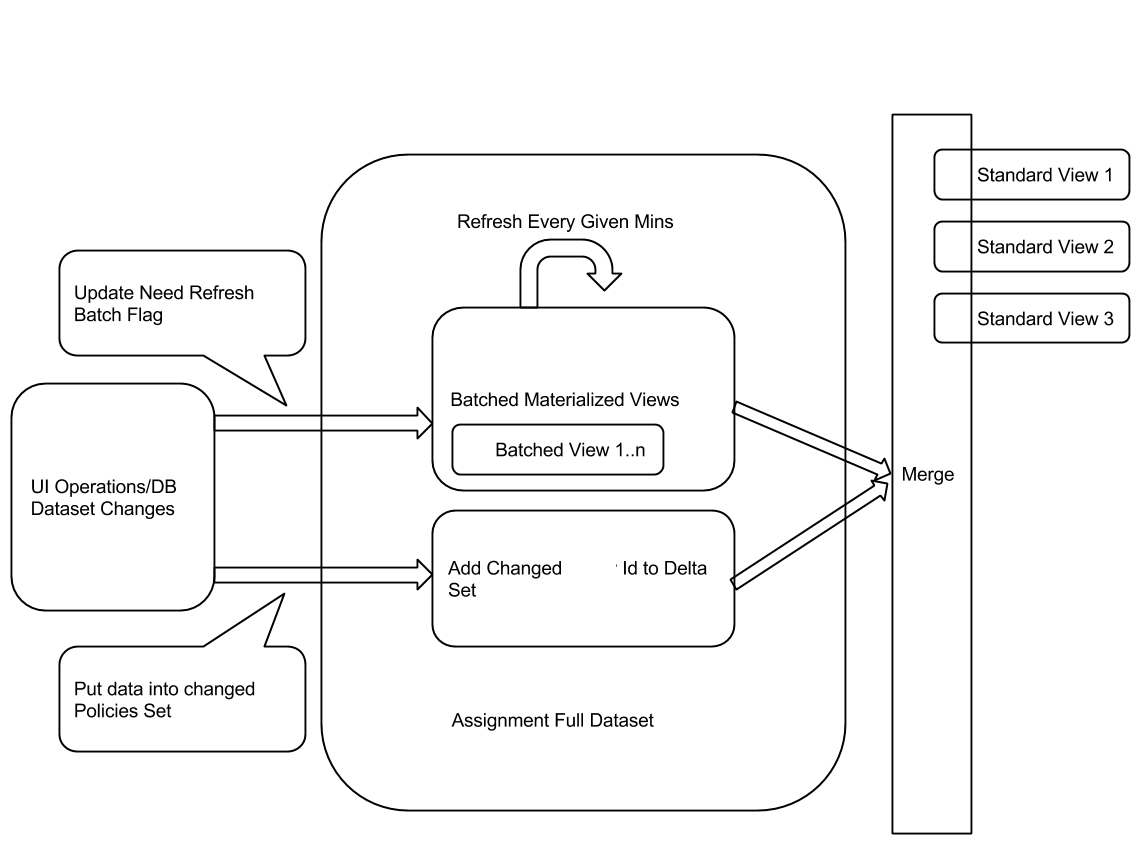
For the triditional Oracle DB, we can also take advantage of this idea - make pre-compiled batched queried plus the delta data changes using materialized views and in-time queries. The pic attached describes the idea.
 

### 代码摘要的增强提示框架 使用大型语言模型(LLM)进行代码摘要的增强提示框架是一种利用预训练语言模型的强大生成能力,结合任务特定提示策略来提高代码摘要质量的方法。这种方法通常涉及对原始输入进行改写、扩展或结构化调整,以引导模型更好地理解代码逻辑并生成更准确的摘要[^3]。 #### 核心组件 1. **问题蒸馏器(Problem Distiller)** 在处理代码摘要任务时,首先需要从给定的代码片段中提取关键信息和相关约束条件。这一步骤类似于自然语言处理中的意图识别,旨在捕捉代码的功能性特征。例如,在Python函数中,问题蒸馏器可能会关注函数名、参数列表、返回值类型以及注释等元素,从而为后续步骤提供结构化的输入[^3]。 2. **元缓冲区(Meta-Buffer)** 元缓冲区存储了一系列高层次的思考模板(thought-template),这些模板代表了不同类型的代码模式或常见编程问题。当处理一个新的代码片段时,系统会根据蒸馏出的信息在元缓冲区中搜索最相关的思考模板,并将其作为基础来构建具体的推理路径。这种机制有助于模型快速适应新任务,同时保持对已有知识的有效利用。 3. **实例化与推理过程** 一旦找到合适的思考模板,下一步是将其具体化为针对当前代码片段的详细推理结构。这一过程可能包括变量命名分析、控制流图构建、数据依赖关系识别等技术手段。通过这种方式,模型能够更深入地理解代码的语义,并据此生成更加精确的摘要内容[^3]。 4. **缓冲管理器(Buffer Manager)** 缓冲管理器负责总结整个问题解决过程,并从中提炼出新的高层次思考用于更新元缓冲区。这个迭代优化的过程不仅提高了模型对未来类似任务的响应速度,还增强了其泛化能力和鲁棒性[^3]。 #### 实现示例 以下是一个简单的Python代码示例,展示了如何使用Hugging Face Transformers库实现基于Prefix-Tuning的代码摘要增强提示框架: ```python from transformers import AutoTokenizer, AutoModelForSeq2SeqLM # 加载预训练的T5模型和对应的分词器 model_name = "Salesforce/codet5-base" tokenizer = AutoTokenizer.from_pretrained(model_name) model = AutoModelForSeq2SeqLM.from_pretrained(model_name) def enhanced_prompting_code_summarization(code_snippet): # 使用问题蒸馏器提取关键信息 distilled_info = extract_critical_information(code_snippet) # 在元缓冲区中查找最相关的思考模板 thought_template = retrieve_relevant_thought_template(distilled_info) # 将思考模板实例化为具体的推理结构 reasoning_structure = instantiate_reasoning_structure(thought_template, code_snippet) # 构建增强提示 enhanced_prompt = build_enhanced_prompt(reasoning_structure) # 对增强后的提示进行编码 inputs = tokenizer(enhanced_prompt, return_tensors="pt", max_length=512, truncation=True) # 生成摘要 outputs = model.generate(**inputs, max_new_tokens=64) summary = tokenizer.decode(outputs[0], skip_special_tokens=True) return summary # 示例代码片段 code_snippet = """ def calculate_average(numbers): if not numbers: return 0 total = sum(numbers) count = len(numbers) average = total / count return average """ # 调用函数生成摘要 summary = enhanced_prompting_code_summarization(code_snippet) print(f"Code Summary: {summary}") ``` 在这个示例中,`extract_critical_information`、`retrieve_relevant_thought_template` 和 `instantiate_reasoning_structure` 是假设存在的辅助函数,它们分别实现了问题蒸馏、模板检索和实例化推理结构的功能。实际应用中,这些函数的具体实现将取决于所采用的技术细节和业务需求。
评论
添加红包

请填写红包祝福语或标题

红包个数最小为10个

红包金额最低5元

当前余额3.43前往充值 >
需支付:10.00
成就一亿技术人!
领取后你会自动成为博主和红包主的粉丝 规则
hope_wisdom
发出的红包
实付
使用余额支付
点击重新获取
扫码支付
钱包余额 0

抵扣说明:

1.余额是钱包充值的虚拟货币,按照1:1的比例进行支付金额的抵扣。
2.余额无法直接购买下载,可以购买VIP、付费专栏及课程。

余额充值




