



题目来源:力扣
难度:简单
给你单链表的头节点 head ,请你反转链表,并返回反转后的链表。
提示:
- 链表中节点的数目范围是
[0, 5000]-5000 <= Node.val <= 5000
示例 1:

输入:head = [1,2,3,4,5]
输出:[5,4,3,2,1]
示例 2:
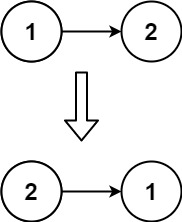
输入:head = [1,2]
输出:[2,1]
示例 3:
输入:head = []
输出:[]
1、双指针法
解题思路:
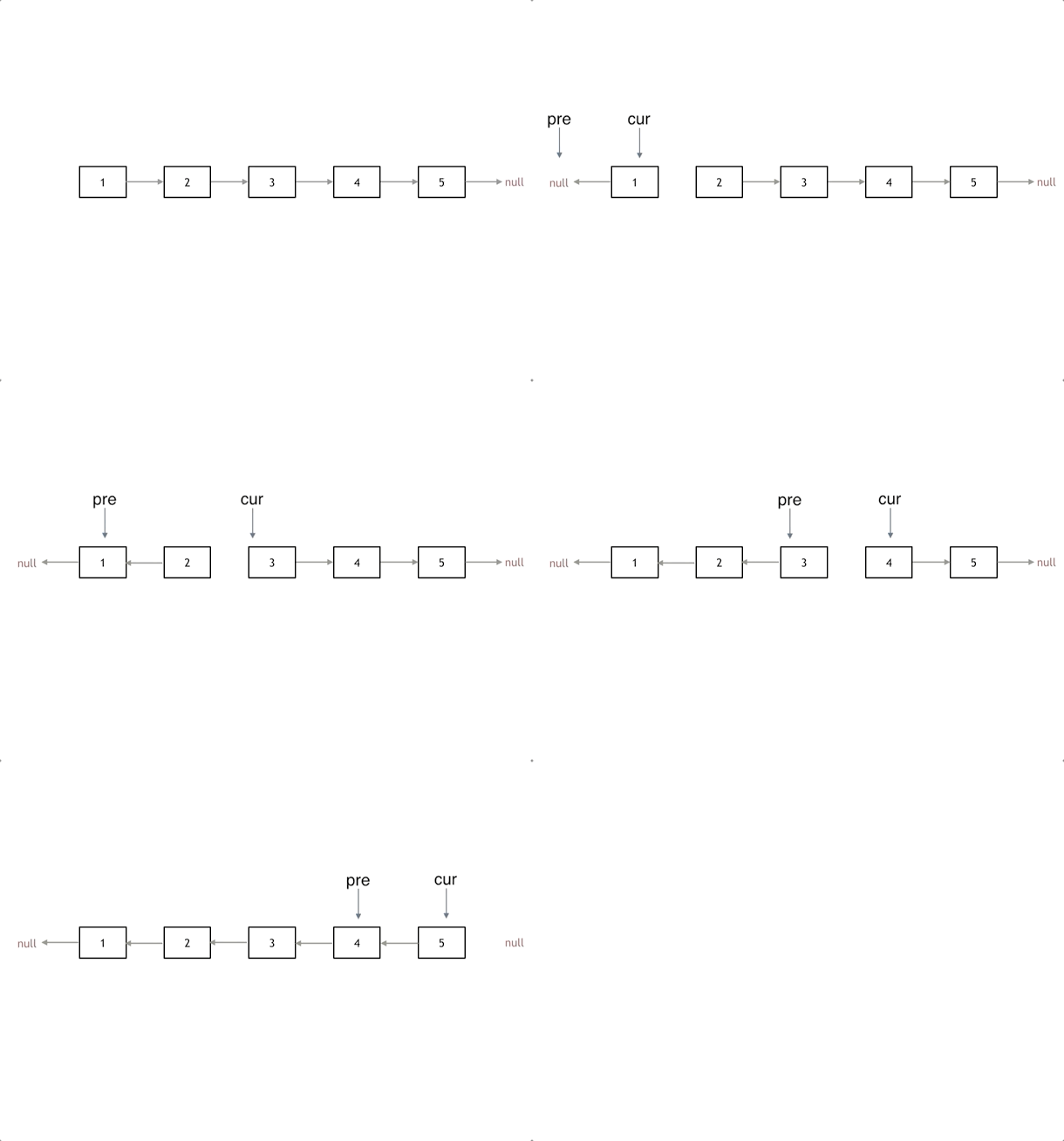
实现代码:
/**
 * Definition for singly-linked list.
 * struct ListNode {
 *     int val;
 *     ListNode *next;
 *     ListNode() : val(0), next(nullptr) {}
 *     ListNode(int x) : val(x), next(nullptr) {}
 *     ListNode(int x, ListNode *next) : val(x), next(next) {}
 * };
 */
class Solution {
public:
    ListNode* reverseList(ListNode* head) {
        ListNode* pre = nullptr;//前一个节点
        ListNode* cur = head;//当前节点
        ListNode* h;//保存当前节点的下一个节点
        while(cur){
            h = cur->next;
            cur->next = pre;
            pre = cur;
            cur = h;
        }
        return pre;
    }
}; 
进阶:链表可以选用迭代或递归方式完成反转。你能否用两种方法解决这道题?
2、递归
双指针法写出来之后,理解如下递归写法就不难了,代码逻辑都是一样的。
实现代码:
class Solution {
public:
    ListNode* reverse(ListNode* pre,ListNode* cur){
        if(cur == NULL) return pre;
        ListNode* temp = cur->next;
        cur->next = pre;
        // 可以和双指针法的代码进行对比,如下递归的写法,其实就是做了这两步
        // pre = cur;
        // cur = temp;
        return reverse(cur,temp);
    }
    ListNode* reverseList(ListNode* head) {
        // 和双指针法初始化是一样的逻辑
        // ListNode* cur = head;
        // ListNode* pre = NULL;
        return reverse(NULL, head);
    }

};





 扫一扫
扫一扫


 2190
2190

 被折叠的 条评论
为什么被折叠?
被折叠的 条评论
为什么被折叠?
 到【灌水乐园】发言





