


 本文详细介绍了Java中克隆模式的实现方式,包括如何通过实现Cloneable接口并重写clone方法来复制对象,同时探讨了深拷贝和浅拷贝的区别。

- 定义:用原型实例指定创建对象的种类,并且通过拷贝这些原型创建新的对象。
- 通用类图
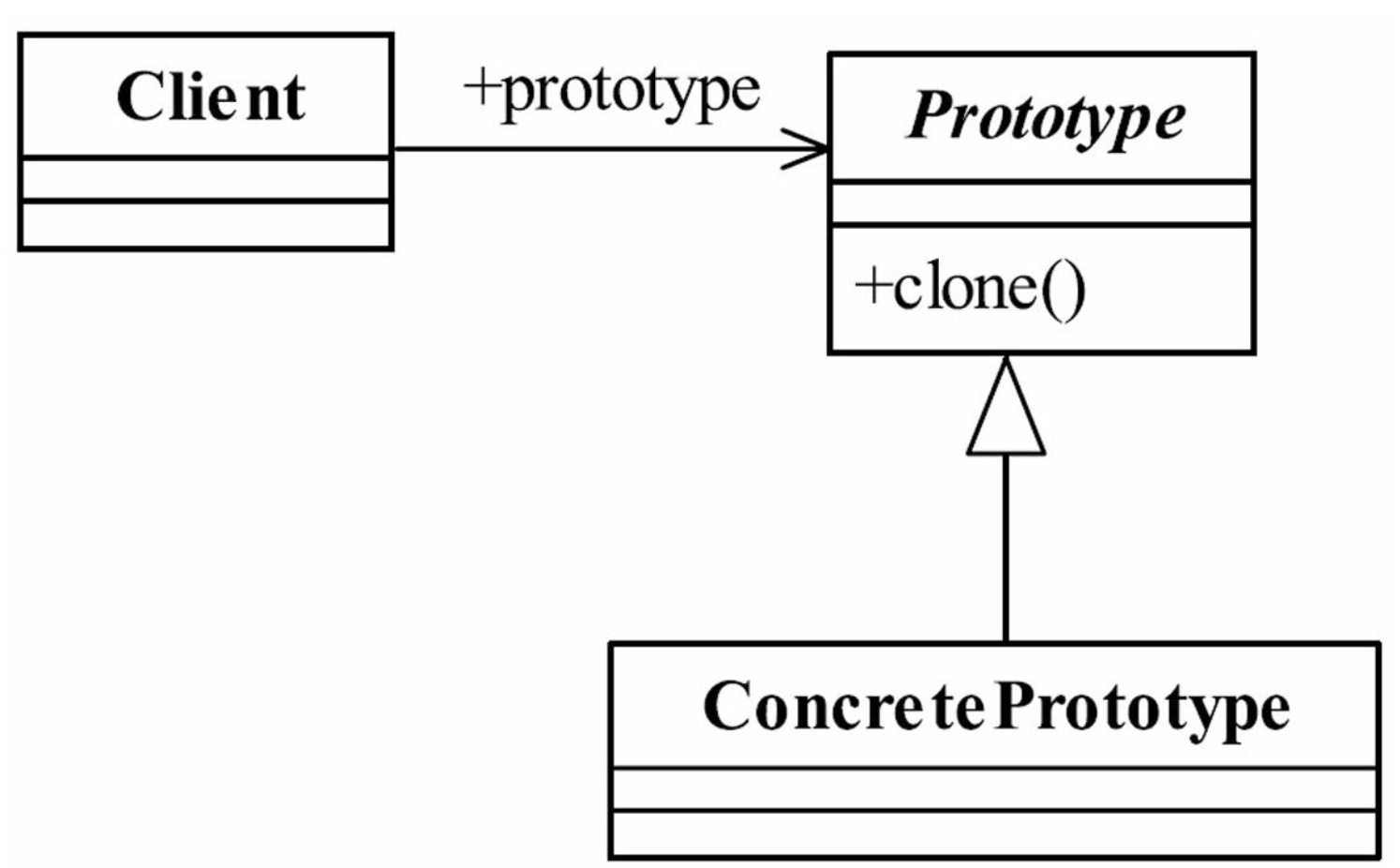
3,实例代码
/**
 * 只是一个类,作为clone对象全局变量,clone对象被clone的时候,它会不会被clone
 */
public class TestObject {

    private String testName;


    public String getTestName() {
        return testName;
    }

    public void setTestName(String testName) {
        this.testName = testName;
    }
}
/**
 * 原型对象,用于clone测试
 */
public class ConcretePrototype implements Cloneable{

    private String attr1;

    private Integer attr2;

    private TestObject testObject;


    @Override
    protected Object clone() throws CloneNotSupportedException {
        ConcretePrototype concretePrototype = null;
        try {
            concretePrototype = (ConcretePrototype)super.clone();
        }catch (CloneNotSupportedException e){
            e.printStackTrace();
        }
        return concretePrototype;
    }


    public String getAttr1() {
        return attr1;
    }

    public void setAttr1(String attr1) {
        this.attr1 = attr1;
    }

    public Integer getAttr2() {
        return attr2;
    }

    public void setAttr2(Integer attr2) {
        this.attr2 = attr2;
    }

    public TestObject getTestObject() {
        return testObject;
    }

    public void setTestObject(TestObject testObject) {
        this.testObject = testObject;
    }
}
/**
 * 显示clone 结果
 */
public class MineClient {
    public static void main(String[] args) {
        TestObject testObject = new TestObject();
        testObject.setTestName("testName");

        ConcretePrototype concretePrototype = new ConcretePrototype();
        concretePrototype.setAttr1("ceshi");
        concretePrototype.setAttr2(1);
        concretePrototype.setTestObject(testObject);
        try {
            ConcretePrototype cp = (ConcretePrototype)concretePrototype.clone();
            System.out.println(cp.getAttr1());
            System.out.println(cp.getAttr2());
            System.out.println(cp.getTestObject().getTestName());
        } catch (CloneNotSupportedException e) {
            e.printStackTrace();
        }
    }
}
4,注意事项:
- 利用clone 创造对象的时候,不会执行对象的构造方法
- 要注意深拷贝和浅拷贝(在对象拷贝的时候,对象关联的数组和引用对象是不会被拷贝的,其他基本类型包括string可以被拷贝)





 扫一扫
扫一扫


 889
889

 被折叠的 条评论
为什么被折叠?
被折叠的 条评论
为什么被折叠?
 到【灌水乐园】发言





