



 本文介绍了一个使用Python切片操作实现的自定义trim函数,该函数能够去除字符串两端的空格,不依赖于内置的strip方法。通过实际代码示例,展示了如何逐步检查并移除字符串开头和结尾的空白字符。
1、切片(slice)
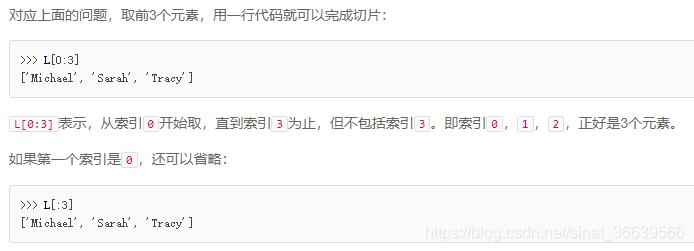
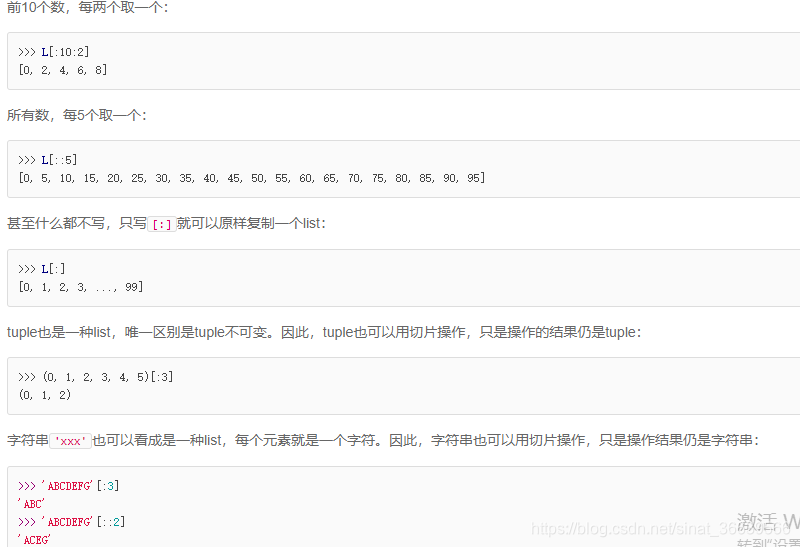
练习
利用切片操作,实现一个trim()函数,去除字符串首尾的空格,注意不要调用str的strip()方法:
#trim()
def trim(s):
    print('s=[%s]'%s)
    if len(s)==0:
        return s
    b=0
    e=-1
    while len(s)>0 and s[b]==' ':
        s=s[b+1:]
    print(s)

    while len(s)>0 and s[e]==' ':
        s=s[:e]
    print(s,'\n')

    return s

if trim('hello  ') != 'hello':
    print('测试失败!')
elif trim('  hello') != 'hello':
    print('测试失败!')
elif trim('  hello  ') != 'hello':
    print('测试失败!')
elif trim('  hello  world  ') != 'hello  world':
    print('测试失败!')
elif trim('') != '':
    print('测试失败!')
elif trim('    ') != '':
    print('测试失败!')
else:
    print('测试成功!')





 扫一扫
扫一扫


 527
527

 被折叠的 条评论
为什么被折叠?
被折叠的 条评论
为什么被折叠?
 到【灌水乐园】发言





