



 博客主要围绕InnoDB锁定和事务模型展开,详细介绍了InnoDB使用的锁定类型,如共享锁、排他锁、意向锁等,还阐述了事务隔离级别和锁定策略,以及如何使用next - key锁定避免幻像行,同时给出死锁示例和处理技巧。
本节讨论的是InnoDB锁定和InnoDB 事务模型相关的几个主题 ,您应该熟悉这些主题。
-
第14.7.1节“ InnoDB锁定”描述了
InnoDB所使用的锁定类型 。 -
第14.7.2节“ InnoDB事务模型”描述了事务隔离级别和每个事务使用的锁定策略。它还讨论了
autocommit,一致的非锁定读取和锁定读取的使用。 -
第14.7.3节“由InnoDB中的不同SQL语句设置的锁”讨论
InnoDB为各种语句设置的特定类型的锁。 -
第14.7.4节“幻像行”描述了如何 使用
InnoDBnext-key锁定来避免幻像行。 -
第14.7.5节“ InnoDB中的死锁”提供了一个死锁示例,讨论了死锁,并提供了
InnoDB中最小化处理死锁的技巧。
【下面详细说明】
14.7.1 InnoDB Locking(InnoDB锁)
This section describes lock types used by
InnoDB.
本节介绍所InnoDB使用的锁定类型 。
InnoDBimplements standard row-level locking where there are two types of locks, shared (S) locks and exclusive (X) locks.
- A shared (
S) lock permits the transaction that holds the lock to read a row.
- An exclusive (
X) lock permits the transaction that holds the lock to update or delete a row.
If transaction
T1holds a shared (S) lock on rowr, then requests from some distinct transactionT2for a lock on rowrare handled as follows:
- A request by
T2for anSlock can be granted immediately. As a result, bothT1andT2hold anSlock onr.
- A request by
T2for anXlock cannot be granted immediately.
If a transaction
T1holds an exclusive (X) lock on rowr, a request from some distinct transactionT2for a lock of either type onrcannot be granted immediately. Instead, transactionT2has to wait for transactionT1to release its lock on rowr.
共享锁和排他锁
InnoDB实现标准的行级锁定,其中有两种类型的锁: 共享(S)锁和排他(X)锁。
如果事务T1持有对row r的共享(S)锁,则来自某些不同事务T2 对行r锁的请求将按以下方式处理:
-
T2对S锁的请求可以立即被授予。其结果是,T1与T2都持有r得``S锁。 -
T2对 X锁的请求不能立即授予。
如果某个事务T1在行r上具有排他(X)锁,则不能立即批准某个不同事务T2对行r上任一类型的锁的请求。相反,事务T2必须等待到事务T1释放对row r的锁定。
Intention Locks
InnoDBsupports multiple granularity locking which permits coexistence of row locks and table locks. For example, a statement such asLOCK TABLES ... WRITEtakes an exclusive lock (anXlock) on the specified table. To make locking at multiple granularity levels practical,InnoDBuses intention locks. Intention locks are table-level locks that indicate which type of lock (shared or exclusive) a transaction requires later for a row in a table. There are two types of intention locks:
- An intention shared lock (
IS) indicates that a transaction intends to set a shared lock on individual rows in a table.
- An intention exclusive lock (
IX) indicates that a transaction intends to set an exclusive lock on individual rows in a table.
For example,
SELECT ... LOCK IN SHARE MODEsets anISlock, andSELECT ... FOR UPDATEsets anIXlock.
The intention locking protocol is as follows:
- Before a transaction can acquire a shared lock on a row in a table, it must first acquire an
ISlock or stronger on the table.
- Before a transaction can acquire an exclusive lock on a row in a table, it must first acquire an
IXlock on the table.
Table-level lock type compatibility is summarized in the following matrix.
意向锁
InnoDB支持_多种粒度锁定_,允许行锁和表锁并存。例如,下面的语句 [LOCK TABLES ... WRITE]( ) 在指定表上采用排他锁(X锁)。为了使在多个粒度级别上的锁定变得切实可行,InnoDB使用 意向锁。意向锁是表级锁,指示事务稍后对表中的行需要哪种类型的锁(共享锁或排他锁)。有两种类型的意图锁:
例如,SELECT ... LOCK IN SHARE MODE设置一个IS锁,然后SELECT ... FOR UPDATE设置一个IX锁。
意向锁定协议如下:
-
在事务可以获取表中某行的共享锁之前,它必须首先获取表中的
IS锁或更高级别的锁。 -
在事务可以获取表中某行的排它锁之前,它必须首先获取该表中
IX锁。
表级锁类型的兼容性汇总在以下表格中。
| | X | IX | S | IS |
| — | — | — | — | — |
| X | Conflict (冲突) | Conflict | Conflict | Conflict |
| IX | Conflict | Compatible | Conflict | Compatible |
| S | Conflict | Conflict | Compatible | Compatible |
| IS | Conflict | Compatible(兼容) | Compatible | Compatible |
A lock is granted to a requesting transaction if it is compatible with existing locks, but not if it conflicts with existing locks. A transaction waits until the conflicting existing lock is released. If a lock request conflicts with an existing lock and cannot be granted because it would cause deadlock, an error occurs.
Intention locks do not block anything except full table requests (for example,
LOCK TABLES ... WRITE). The main purpose of intention locks is to show that someone is locking a row, or going to lock a row in the table.
Transaction data for an intention lock appears similar to the following in
SHOW ENGINE INNODB STATUSand InnoDB monitor output:
如果一个锁与现有锁兼容,则将其授予请求的事务,但如果与现有锁冲突,则不授予该锁。事务等待直到冲突的现有锁被释放。如果锁定请求与现有锁定发生冲突,并且由于会导致死锁而无法被授予许可 ,则会发生错误。
意向锁不会阻止除全表请求(例如LOCK TABLES ... WRITE)以外的任何内容。意向锁的主要目的是显示有人正在锁定一行,或者要锁定表中的一行。
对于意向锁定事务数据出现类似于在下面输出:
意向锁的事务数据在SHOW ENGINE INNODB STATUS和 InnoDB的监视器 中输出显示如下:
TABLE LOCK table test.t trx id 10080 lock mode IX
A record lock is a lock on an index record. For example,
SELECT c1 FROM t WHERE c1 = 10 FOR UPDATE;prevents any other transaction from inserting, updating, or deleting rows where the value oft.c1is10.
Record locks always lock index records, even if a table is defined with no indexes. For such cases,
InnoDBcreates a hidden clustered index and uses this index for record locking. See Section 14.6.2.1, “Clustered and Secondary Indexes”.
Transaction data for a record lock appears similar to the following in
SHOW ENGINE INNODB STATUSand InnoDB monitor output:
记录锁
记录锁定是对索引记录的锁定。例如, SELECT c1 FROM t WHERE c1 = 10 FOR UPDATE; 可以防止任何其它事务插入,更新或删除值的t.c1是``10的行。
记录锁始终锁定索引记录,即使没有定义索引的表也是如此。在这种情况下,InnoDB创建一个隐藏的聚集索引,并将该索引用于记录锁定。请参见 第14.6.2.1节“聚集索引和二级索引”。
在SHOW ENGINE INNODB STATUS和 InnoDB的监视器 中,记录锁的事务数据显输出示如下:
RECORD LOCKS space id 58 page no 3 n bits 72 index PRIMARY of table test.t
trx id 10078 lock_mode X locks rec but not gap
Record lock, heap no 2 PHYSICAL RECORD: n_fields 3; compact format; info bits 0
0: len 4; hex 8000000a; asc ;;
1: len 6; hex 00000000274f; asc 'O;;
2: len 7; hex b60000019d0110; asc ;;
A gap lock is a lock on a gap between index records, or a lock on the gap before the first or after the last index record. For example,
SELECT c1 FROM t WHERE c1 BETWEEN 10 and 20 FOR UPDATE;prevents other transactions from inserting a value of15into columnt.c1, whether or not there was already any such value in the column, because the gaps between all existing values in the range are locked.
A gap might span a single index value, multiple index values, or even be empty.
Gap locks are part of the tradeoff between performance and concurrency, and are used in some transaction isolation levels and not others.
Gap locking is not needed for statements that lock rows using a unique index to search for a unique row. (This does not include the case that the search condition includes only some columns of a multiple-column unique index; in that case, gap locking does occur.) For example, if the
idcolumn has a unique index, the following statement uses only an index-record lock for the row havingidvalue 100 and it does not matter whether other sessions insert rows in the preceding gap:
间隙锁
间隙锁定是对索引记录之间的间隙的锁定,或者是对第一个或最后一个索引记录之前的间隙的锁定。例如,SELECT c1 FROM t WHERE c1 BETWEEN 10 and 20 FOR UPDATE;阻止其他事务将value 15插入column中t.c1,无论该列 中是否已有这样的值,因为该范围中所有现有值之间的间隙都是锁定的。
间隙可能跨越单个索引值,多个索引值,甚至为空。
间隙锁是性能和并发性之间权衡的一部分,并且用在某些事务隔离级别而非其他级别中使用。
对于使用唯一索引锁定行以搜索唯一行的语句,不需要间隙锁定。(这不包括搜索条件只包含多列唯一索引的某些列的情况;在这种情况下,确实会发生间隙锁定。)例如,如果该id列具有唯一索引,则以下语句仅使用一个具有id值为100的行的索引记录锁定,其他会话是否在前面的间隙中插入行并不重要:
SELECT * FROM child WHERE id = 100;
If
idis not indexed or has a nonunique index, the statement does lock the preceding gap.
It is also worth noting here that conflicting locks can be held on a gap by different transactions. For example, transaction A can hold a shared gap lock (gap S-lock) on a gap while transaction B holds an exclusive gap lock (gap X-lock) on the same gap. The reason conflicting gap locks are allowed is that if a record is purged from an index, the gap locks held on the record by different transactions must be merged.
Gap locks in
InnoDBare “purely inhibitive”, which means that their only purpose is to prevent other transactions from inserting to the gap. Gap locks can co-exist. A gap lock taken by one transaction does not prevent another transaction from taking a gap lock on the same gap. There is no difference between shared and exclusive gap locks. They do not conflict with each other, and they perform the same function.
Gap locking can be disabled explicitly. This occurs if you change the transaction isolation level to
READ COMMITTEDor enable theinnodb_locks_unsafe_for_binlogsystem variable (which is now deprecated). Under these circumstances, gap locking is disabled for searches and index scans and is used only for foreign-key constraint checking and duplicate-key checking.
There are also other effects of using the
READ COMMITTEDisolation level or enablinginnodb_locks_unsafe_for_binlog. Record locks for nonmatching rows are released after MySQL has evaluated theWHEREcondition. ForUPDATEstatements,InnoDBdoes a “semi-consistent” read, such that it returns the latest committed version to MySQL so that MySQL can determine whether the row matches theWHEREcondition of theUPDATE.
如果id未建立索引或索引不唯一,则该语句会锁定前面的间隙。
在这里还值得注意的是,可以通过不同的事务将冲突的锁保持在间隙上。例如,事务A可以在间隙上保留一个共享的间隙锁(间隙S锁),而事务B可以在同一间隙上保留排他的间隙锁(间隙X锁)。允许冲突的间隙锁的原因是,如果从索引中清除记录,则必须合并由不同事务保留在记录上的间隙锁。
间隙锁定InnoDB是“纯粹抑制性的”,这意味着它们的唯一目的是防止其他事务插入间隙。间隙锁可以共存。一个事务进行的间隙锁定不会阻止另一事务对相同的间隙进行间隙锁定。共享和专用间隙锁之间没有区别。它们彼此不冲突,并且执行相同的功能。
间隙锁定可以显式禁用。如果将事务隔离级别更改为READ COMMITTED或启用 innodb_locks_unsafe_for_binlog 系统变量(现在已弃用),则会发生这种情况 。在这种情况下,将禁用间隙锁定进行搜索和索引扫描,并且仅将其用于外键约束检查和重复键检查。
使用READ COMMITTED隔离级别或启用 innodb_locks_unsafe_for_binlog 还具有其他效果。MySQL评估WHERE条件后,将释放不匹配行的记录锁。对于 UPDATE语句,InnoDB 执行“半一致”读取,以便将最新的提交版本返回给MySQL,以便MySQL可以确定行是否与UPDATE的WHERE 条件匹配。
A next-key lock is a combination of a record lock on the index record and a gap lock on the gap before the index record.
InnoDBperforms row-level locking in such a way that when it searches or scans a table index, it sets shared or exclusive locks on the index records it encounters. Thus, the row-level locks are actually index-record locks. A next-key lock on an index record also affects the “gap” before that index record. That is, a next-key lock is an index-record lock plus a gap lock on the gap preceding the index record. If one session has a shared or exclusive lock on recordRin an index, another session cannot insert a new index record in the gap immediately beforeRin the index order.
Suppose that an index contains the values 10, 11, 13, and 20. The possible next-key locks for this index cover the following intervals, where a round bracket denotes exclusion of the interval endpoint and a square bracket denotes inclusion of the endpoint:
Next-Key Locks 键锁是索引记录上的记录锁和索引记录之前的间隙上的间隙锁的组合。
InnoDB执行行级锁定,以使其在搜索或扫描表索引时对遇到的索引记录设置共享或排他锁。因此,行级锁实际上是索引记录锁。索引记录上的Next-Key Locks也会影响该索引记录之前的“间隙”。即,Next-Key Locks是索引记录锁定加上索引记录之前的间隙上的间隙锁定。如果一个会话R在索引中的记录上具有共享或排他锁 ,则另一会话不能R在索引顺序之前的间隙中插入新的索引记录 。
假定索引包含值10、11、13和20。此索引的可能的Next-Key Locks涵盖以下间隔,其中,圆括号表示排除区间端点,方括号表示包括端点:
(negative infinity, 10]
(10, 11]
(11, 13]
(13, 20]
(20, positive infinity)
For the last interval, the next-key lock locks the gap above the largest value in the index and the “supremum” pseudo-record having a value higher than any value actually in the index. The supremum is not a real index record, so, in effect, this next-key lock locks only the gap following the largest index value.
By default,
InnoDBoperates inREPEATABLE READtransaction isolation level. In this case,InnoDBuses next-key locks for searches and index scans, which prevents phantom rows (see Section 14.7.4, “Phantom Rows”).
Transaction data for a next-key lock appears similar to the following in
SHOW ENGINE INNODB STATUSand InnoDB monitor output:
对于最后一个间隔,Next-Key Locks锁定索引中最大值上方的间隙,以及值高于索引中任何实际值的“上界”伪记录。上界值不是真正的索引记录,因此,实际上,Next-Key Locks只锁定最大索引值后面的间隙。
默认情况下,InnoDB以 REPEATABLE READ事务隔离级别运行。在这种情况下,InnoDB使用next-key锁定进行搜索和索引扫描,这可以防止幻读行(请参见第14.7.4节“幻像行”)。
在SHOW ENGINE INNODB STATUS和 InnoDB的监视器 中,Next-Key Locks的事务数据显示如下:
RECORD LOCKS space id 58 page no 3 n bits 72 index PRIMARY of table test.t
trx id 10080 lock_mode X
Record lock, heap no 1 PHYSICAL RECORD: n_fields 1; compact format; info bits 0
0: len 8; hex 73757072656d756d; asc supremum;;
Record lock, heap no 2 PHYSICAL RECORD: n_fields 3; compact format; info bits 0
0: len 4; hex 8000000a; asc ;;
1: len 6; hex 00000000274f; asc 'O;;
2: len 7; hex b60000019d0110; asc ;;
Insert Intention Locks
An insert intention lock is a type of gap lock set by
INSERToperations prior to row insertion. This lock signals the intent to insert in such a way that multiple transactions inserting into the same index gap need not wait for each other if they are not inserting at the same position within the gap. Suppose that there are index records with values of 4 and 7. Separate transactions that attempt to insert values of 5 and 6, respectively, each lock the gap between 4 and 7 with insert intention locks prior to obtaining the exclusive lock on the inserted row, but do not block each other because the rows are nonconflicting.
The following example demonstrates a transaction taking an insert intention lock prior to obtaining an exclusive lock on the inserted record. The example involves two clients, A and B.
自我介绍一下,小编13年上海交大毕业,曾经在小公司待过,也去过华为、OPPO等大厂,18年进入阿里一直到现在。
深知大多数Java工程师,想要提升技能,往往是自己摸索成长或者是报班学习,但对于培训机构动则几千的学费,着实压力不小。自己不成体系的自学效果低效又漫长,而且极易碰到天花板技术停滞不前!
因此收集整理了一份《2024年Java开发全套学习资料》,初衷也很简单,就是希望能够帮助到想自学提升又不知道该从何学起的朋友,同时减轻大家的负担。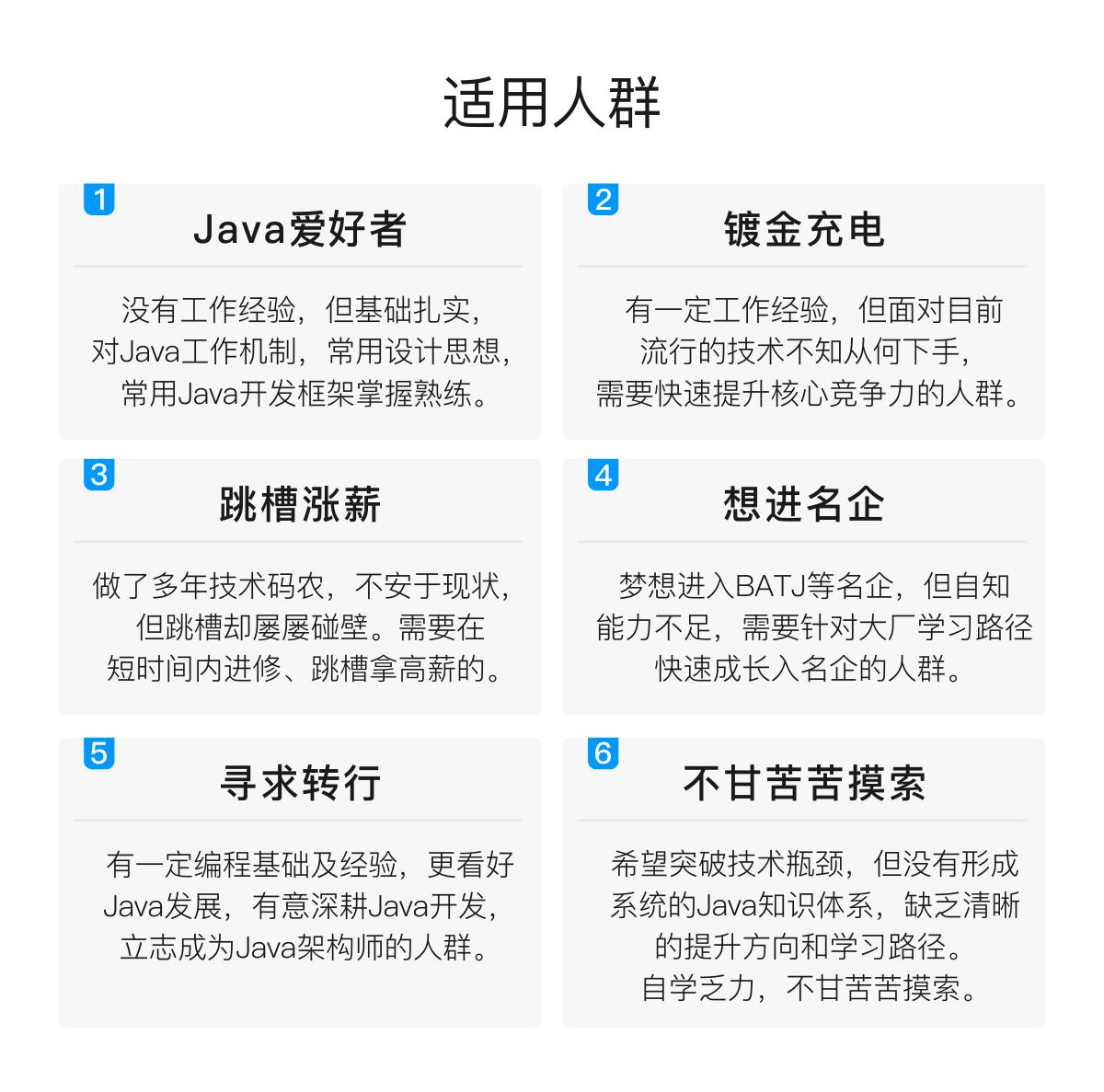


既有适合小白学习的零基础资料,也有适合3年以上经验的小伙伴深入学习提升的进阶课程,基本涵盖了95%以上Java开发知识点,真正体系化!
由于文件比较大,这里只是将部分目录截图出来,每个节点里面都包含大厂面经、学习笔记、源码讲义、实战项目、讲解视频,并且会持续更新!
如果你觉得这些内容对你有帮助,可以扫码获取!!(备注Java获取)

最后总结
ActiveMQ+Kafka+RabbitMQ学习笔记PDF
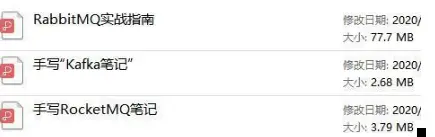
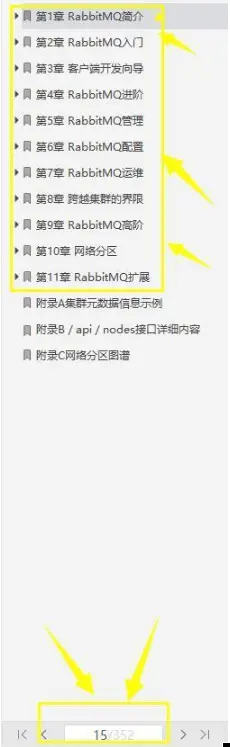
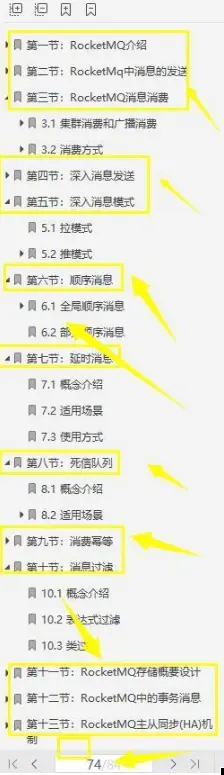
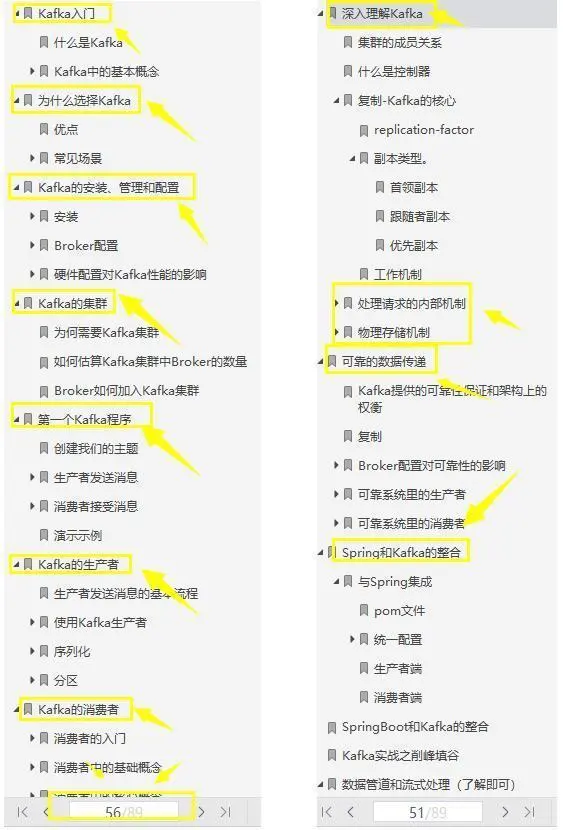
关于分布式,限流+缓存+缓存,这三大技术(包含:ZooKeeper+Nginx+MongoDB+memcached+Redis+ActiveMQ+Kafka+RabbitMQ)等等。这些相关的面试也好,还有手写以及学习的笔记PDF,都是啃透分布式技术必不可少的宝藏。以上的每一个专题每一个小分类都有相关的介绍,并且小编也已经将其整理成PDF啦
《互联网大厂面试真题解析、进阶开发核心学习笔记、全套讲解视频、实战项目源码讲义》点击传送门即可获取!
g" style=“zoom: 33%;” />
最后总结
ActiveMQ+Kafka+RabbitMQ学习笔记PDF
[外链图片转存中…(img-WmBjfBiw-1713250940164)]
[外链图片转存中…(img-RqbathFR-1713250940164)]
[外链图片转存中…(img-jjaG7Ybn-1713250940165)]
[外链图片转存中…(img-bZ77fXvy-1713250940165)]
关于分布式,限流+缓存+缓存,这三大技术(包含:ZooKeeper+Nginx+MongoDB+memcached+Redis+ActiveMQ+Kafka+RabbitMQ)等等。这些相关的面试也好,还有手写以及学习的笔记PDF,都是啃透分布式技术必不可少的宝藏。以上的每一个专题每一个小分类都有相关的介绍,并且小编也已经将其整理成PDF啦
《互联网大厂面试真题解析、进阶开发核心学习笔记、全套讲解视频、实战项目源码讲义》点击传送门即可获取!





 扫一扫
扫一扫


 被折叠的 条评论
为什么被折叠?
被折叠的 条评论
为什么被折叠?
 到【灌水乐园】发言





