


 文章深入解析了Postgres数据库中删除元组的流程,涉及元组的xmax设置、事务标识位更新以及可见性判断等核心步骤,包括并发控制和锁管理机制。
本文将从源码层讲解postgres元组的删除流程,实现的本质设置xmax和相关标识位字段信息,逻辑上对外显示删除不可见。
关键数据结构
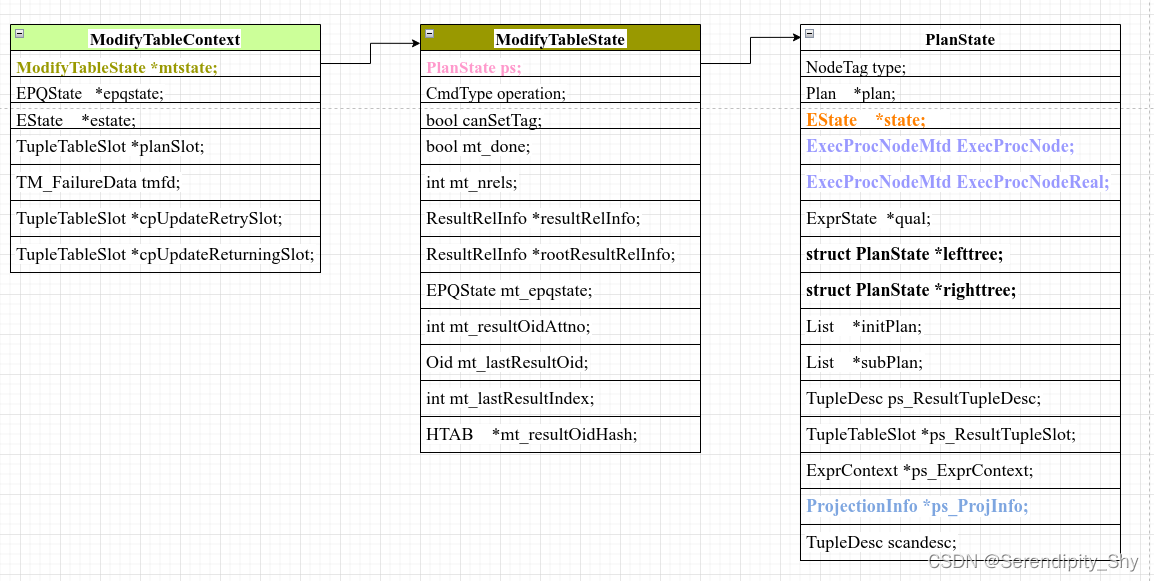
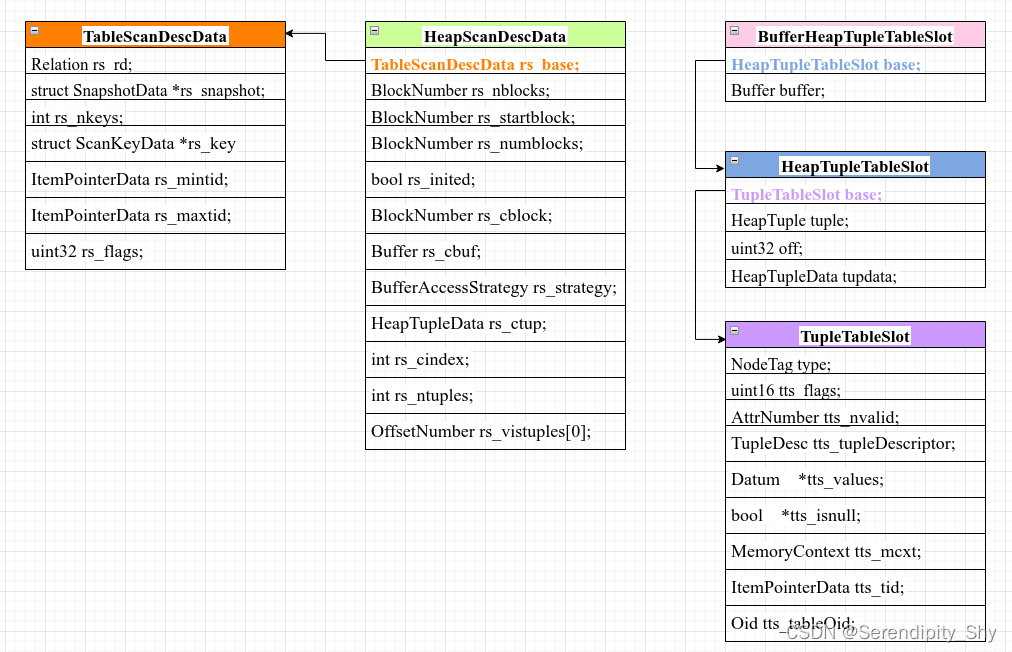
执行流程

/*
* heap_delete - delete a tuple
*
* See table_tuple_delete() for an explanation of the parameters, except that
* this routine directly takes a tuple rather than a slot.
*
* In the failure cases, the routine fills *tmfd with the tuple's t_ctid,
* t_xmax (resolving a possible MultiXact, if necessary), and t_cmax (the last
* only for TM_SelfModified, since we cannot obtain cmax from a combo CID
* generated by another transaction).
*/
TM_Result
heap_delete(Relation relation, ItemPointer tid,
CommandId cid, Snapshot crosscheck, bool wait,
TM_FailureData *tmfd, bool changingPart)
{
TM_Result result;
TransactionId xid = GetCurrentTransactionId(); // 写操作事务均需要获取事务号
ItemId lp;
HeapTupleData tp;
Page page;
BlockNumber block;
Buffer buffer;
Buffer vmbuffer = InvalidBuffer;
TransactionId new_xmax;
uint16 new_infomask,
new_infomask2;
bool have_tuple_lock = false;
bool iscombo;
bool all_visible_cleared = false;
HeapTuple old_key_tuple = NULL; /* replica identity of the tuple */
bool old_key_copied = false;
Assert(ItemPointerIsValid(tid)); // 删除元组的 tid上层函数传入
/*
* Forbid this during a parallel operation, lest it allocate a combo CID.
* Other workers might need that combo CID for visibility checks, and we
* have no provision for broadcasting it to them.
*/
// 删除一条元组禁止开并行模式
if (IsInParallelMode())
ereport(ERROR,
(errcode(ERRCODE_INVALID_TRANSACTION_STATE),
errmsg("cannot delete tuples during a parallel operation")));
// 根据元组的 tid确定块号,并根据块号和 relation 描述符将数据块加载时共享缓冲区中buffer,获取页地址
block = ItemPointerGetBlockNumber(tid);
buffer = ReadBuffer(relation, block);
page = BufferGetPage(buffer);
/*
* Before locking the buffer, pin the visibility map page if it appears to
* be necessary. Since we haven't got the lock yet, someone else might be
* in the middle of changing this, so we'll need to recheck after we have
* the lock.
*/
// 由于删除元组,势必会修改VM对应标识位,如果数据页含有 allvisible标记,则需要将数据页对应的VM页加载至
// vmbuffer(pin住)
if (PageIsAllVisible(page))
visibilitymap_pin(relation, block, &vmbuffer);
// 对 buffer施加排他锁
LockBuffer(buffer, BUFFER_LOCK_EXCLUSIVE);
/*
* If we didn't pin the visibility map page and the page has become all
* visible while we were busy locking the buffer, we'll have to unlock and
* re-lock, to avoid holding the buffer lock across an I/O. That's a bit
* unfortunate, but hopefully shouldn't happen often.
*/
// 在获取上述缓冲块排他锁期间,可能有其他进程将对应的VM 数据页标记信息更新为 allvisible,那么此时
// 需要释放buffer 排他锁,pin住 vmbuffer,后在此获取buffer排他锁。,其目的是为了防止在持有buffer
// 排他锁行执行 io (加载vm page 至 vmbuffer)
if (vmbuffer == InvalidBuffer && PageIsAllVisible(page))
{
LockBuffer(buffer, BUFFER_LOCK_UNLOCK);
visibilitymap_pin(relation, block, &vmbuffer);
LockBuffer(buffer, BUFFER_LOCK_EXCLUSIVE);
}
// 获取偏移量为tid的元组相关信息
lp = PageGetItemId(page, ItemPointerGetOffsetNumber(tid));
Assert(ItemIdIsNormal(lp));
tp.t_tableOid = RelationGetRelid(relation);
tp.t_data = (HeapTupleHeader) PageGetItem(page, lp);
tp.t_len = ItemIdGetLength(lp);
tp.t_self = *tid;
l1:
// 可见性判断:根据其结果判断元组是否满足被更新/删除
result = HeapTupleSatisfiesUpdate(&tp, cid, buffer);
// 元组不可见,报错
if (result == TM_Invisible)
{
UnlockReleaseBuffer(buffer);
ereport(ERROR,
(errcode(ERRCODE_OBJECT_NOT_IN_PREREQUISITE_STATE),
errmsg("attempted to delete invisible tuple")));
}
// 该元组正在被更新,且等待
else if (result == TM_BeingModified && wait)
{
TransactionId xwait;
uint16 infomask;
/* must copy state data before unlocking buffer */
// 获取 元组的xmax和 infomask,此时并不知道 xmax是单纯的事务号还是 MultiXactId
xwait = HeapTupleHeaderGetRawXmax(tp.t_data);
infomask = tp.t_data->t_infomask;
/*
* Sleep until concurrent transaction ends -- except when there's a
* single locker and it's our own transaction. Note we don't care
* which lock mode the locker has, because we need the strongest one.
*
* Before sleeping, we need to acquire tuple lock to establish our
* priority for the tuple (see heap_lock_tuple). LockTuple will
* release us when we are next-in-line for the tuple.
*
* If we are forced to "start over" below, we keep the tuple lock;
* this arranges that we stay at the head of the line while rechecking
* tuple state.
*/
// 如果是 MultiXactId
if (infomask & HEAP_XMAX_IS_MULTI)
{
bool current_is_member = false;
// 判断 MultiXactId中保存的锁模式是否与 LockTupleExclusive冲突,冲突则
if (DoesMultiXactIdConflict((MultiXactId) xwait, infomask,
LockTupleExclusive, ¤t_is_member))
{
LockBuffer(buffer, BUFFER_LOCK_UNLOCK);
/*
* Acquire the lock, if necessary (but skip it when we're
* requesting a lock and already have one; avoids deadlock).
*/
// 如果当前事务不属于MultiXactId成员,则需获取元组级常规锁,反之无需获取,
// 其目的是避免死锁
if (!current_is_member)
heap_acquire_tuplock(relation, &(tp.t_self), LockTupleExclusive,
LockWaitBlock, &have_tuple_lock);
/* wait for multixact */
// 等待冲突的事务完成
MultiXactIdWait((MultiXactId) xwait, MultiXactStatusUpdate, infomask,
relation, & 最低0.47元/天 解锁文章






 扫一扫
扫一扫


 6406
6406

 被折叠的 条评论
为什么被折叠?
被折叠的 条评论
为什么被折叠?
 到【灌水乐园】发言





