



环形链表
给定一个链表的头节点 head ,返回链表开始入环的第一个节点。 如果链表无环,则返回 null。
如果链表中有某个节点,可以通过连续跟踪 next 指针再次到达,则链表中存在环。 为了表示给定链表中的环,评测系统内部使用整数 pos 来表示链表尾连接到链表中的位置(索引从 0 开始)。如果 pos 是 -1,则在该链表中没有环。注意:pos 不作为参数进行传递,仅仅是为了标识链表的实际情况。
不允许修改 链表。
示例 1: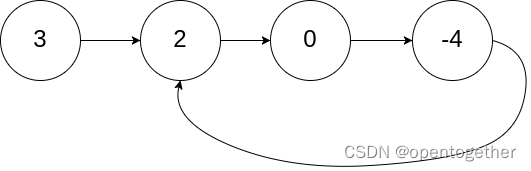
输入:head = [3,2,0,-4], pos = 1
输出:返回索引为 1 的链表节点
解释:链表中有一个环,其尾部连接到第二个节点。
示例 2:
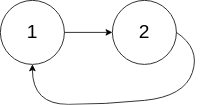
输入:head = [1,2], pos = 0
输出:返回索引为 0 的链表节点
解释:链表中有一个环,其尾部连接到第一个节点。
示例 3:

输入:head = [1], pos = -1
输出:返回 null
解释:链表中没有环。
提示:
- 链表中节点的数目范围在范围
[0, 104]内 -105 <= Node.val <= 105pos的值为-1或者链表中的一个有效索引
进阶:你是否可以使用 O(1) 空间解决此题?
解题:
方法一:哈希表
思路与算法
一个非常直观的思路是:我们遍历链表中的每个节点,并将它记录下来;一旦遇到了此前遍历过的节点,就可以判定链表中存在环。借助哈希表可以很方便地实现。
/**
 * Definition for singly-linked list.
 * class ListNode {
 *     int val;
 *     ListNode next;
 *     ListNode(int x) {
 *         val = x;
 *         next = null;
 *     }
 * }
 */

public class Solution {
    public ListNode detectCycle(ListNode head) {
        ListNode pos = head;
// 这个很重要!!!
        Set<ListNode> visited = new HashSet<ListNode>();
        while (pos != null) {
            if (visited.contains(pos)) {
                return pos;
            } else {
                visited.add(pos);
            }
            pos = pos.next;
        }
        return null;
    }
}
复杂度分析
时间复杂度:O(N),其中 N 为链表中节点的数目。我们恰好需要访问链表中的每一个节点。
空间复杂度:O(N),其中 N 为链表中节点的数目。我们需要将链表中的每个节点都保存在哈希表当中。
作者:力扣官方题解
链接:https://leetcode.cn/problems/linked-list-cycle-ii/solutions/441131/huan-xing-lian-biao-ii-by-leetcode-solution/
来源:力扣(LeetCode)
著作权归作者所有。商业转载请联系作者获得授权,非商业转载请注明出处。
方法二:快慢指针
这是一个经典的链表环检测问题,可以通过快慢指针的方法解决。具体步骤如下:
-
使用两个指针,一个慢指针 slow 和一个快指针 fast,初始时都指向链表的头节点 head。
-
快指针 fast 每次前进两步,慢指针 slow 每次前进一步,直到两个指针相遇,或者快指针 fast 到达链表的末尾(即指向 null)。
-
如果快指针 fast 到达了链表的末尾,说明链表中没有环,返回 null。
-
如果两个指针相遇(即 slow == fast),说明链表中存在环,此时将慢指针 slow 重新指向链表头节点 head。
-
接下来,让慢指针 slow 和快指针 fast 每次都前进一步,直到两个指针再次相遇。相遇点即为环的入口节点。
public class ListNode {
    int val;
    ListNode next;

    ListNode(int x) {
        val = x;
        next = null;
    }
}

public class LinkedListCycle {
    public ListNode detectCycle(ListNode head) {
        ListNode slow = head;
        ListNode fast = head;
        boolean hasCycle = false;

        while (fast != null && fast.next != null) {
            slow = slow.next;
            fast = fast.next.next;

            if (slow == fast) {
                hasCycle = true;
                break;
            }
        }

        if (!hasCycle) {
            return null;
        }

        slow = head;
        while (slow != fast) {
            slow = slow.next;
            fast = fast.next;
        }

        return slow;
    }

    public static void main(String[] args) {
        // 创建链表
        ListNode head = new ListNode(3);
        ListNode node1 = new ListNode(2);
        ListNode node2 = new ListNode(0);
        ListNode node3 = new ListNode(-4);

        head.next = node1;
        node1.next = node2;
        node2.next = node3;
        node3.next = node1;  // 创建环

        LinkedListCycle solution = new LinkedListCycle();
        ListNode cycleNode = solution.detectCycle(head);

        if (cycleNode != null) {
            System.out.println("链表开始入环的第一个节点的值为: " + cycleNode.val);
        } else {
            System.out.println("链表中不存在环");
        }
    }
}
扩展:
是否有环:
	// 链表中是否有环
	public ListNode getNodeInloop(ListNode head) {
		if (head == null || head.next == null) {
			return null;
		}

		ListNode slowListNode = head.next;
		ListNode fastListNode = slowListNode.next;

		while (fastListNode != null && slowListNode != null) {
			if (slowListNode == fastListNode) {
				return slowListNode;
			}

			slowListNode = slowListNode.next;
			fastListNode = fastListNode.next;
			if (fastListNode.next != null) {
				fastListNode = fastListNode.next;
			}
		}

		return null;
	}
删除倒数第n个指针:
	// 删除倒数第几个点
	public ListNode removeNodeFromEnd(ListNode head, int n) {
		ListNode dummy = new ListNode(0);
		dummy.next = head;

		ListNode frontListNode = head, backListNode = dummy;
		for (int i= 0; i < n; i++) {
			frontListNode = frontListNode.next;
		}

		while (frontListNode != null) {
			frontListNode = frontListNode.next;
			backListNode  = backListNode.next;
		}

		backListNode.next = backListNode.next.next;
		return dummy.next;
	}
首个字段--环大小方案:
	// 获取环的首个节点--环大小方案
	public ListNode detectCycleFastAndSlow(ListNode head) {
		ListNode inLoopListNode = getNodeInloop(head);
		if (inLoopListNode == null) {
			return null;
		}

		int loopCount = 1;
		// 先走n步
		for (ListNode node = inLoopListNode; node.next != inLoopListNode; node = node.next) {
			loopCount++;
		}

		ListNode fastListNode = head, slowListNode = head;
		for (int i = 0; i < loopCount; i++) {
			fastListNode = fastListNode.next;
		}

		while (fastListNode != slowListNode) {
			fastListNode = fastListNode.next;
			slowListNode = slowListNode.next;
		}

		return slowListNode;
	}





 扫一扫
扫一扫


 5万+
5万+

 被折叠的 条评论
为什么被折叠?
被折叠的 条评论
为什么被折叠?
 到【灌水乐园】发言





