


 本文介绍了如何编写Makefile来编译C源文件,包括C语言编程实现单词计数、在终端判断文件类型以及字符串反转去除多余空格的方法。
1.现有文件test.c\test1.c\main.c,请编写Makefile
CC=gcc
EXE=test
OBJS=$(patsubst %.c,%.o,$(wildcard *.c))
CFLAGS=-c -o

all:$(EXE)

$(EXE):$(OBJS)
	$(CC) $^ -o $@

%.o:%.c
	$(CC) $(CFLAGS) $@ $^

.PHONY:clean
clean:
	rm $(OBJS) $(EXE)
2.C编程实现:输入一个字符串,请计算单词的个数
eg: "this is a boy" “这是个男孩”
输出单词个数: 4个
#include <stdio.h>
#include <stdlib.h>

int main()
{
    char s[20];
    gets(s);

    int i = 0;
    int count = 1;
    while (s[i] != '\0')
    {
        if (s[i] == ' ')
        {
            count++;
        }
        i++;
    }

    printf("%d个\n", count);

    return 0;
}

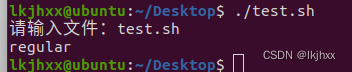
3.在终端输入一个文件名,判断文件的类型
#!/bin/bash

read -p '请输入文件:' f

if [ -d $f ]
then
        echo dir
elif [ -p $f ]
then
        echo pipe
elif [ -L $f ]
then
        echo link
elif [ -S $f ]
then
        echo socket
elif [ -f $f ]
then
        echo regular
fi
4.字符串倒置:(注意:是倒置,而不是直接倒置输出)
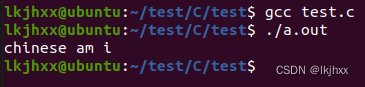
原字符串为: char *str =“I am Chinese"
倒置后为:“Chinese am I”
附加要求:删除原本字符串中多余的空格 附加要求:删除原本字符串中多余的空格
#include <stdio.h>
#include <stdlib.h>
#include <string.h>

int main()
{
    char s[] = "i am chinese";

    int len = 0;
    for (; s[len] != '\0'; len++);
    int i = 0, j = len - 1;

    while (i <= j)
    {
        char t = s[i];
        s[i] = s[j];
        s[j] = t;
        i++;
        j--;
    }

    i = 0;
    j = 0;
    while (i < len)
    {
        while (s[j] != ' ' && s[j] != '\0')
        {
            j++;
        }

        int k = j - 1;
        while (i <= k)
        {
            char t = s[i];
            s[i] = s[k];
            s[k] = t;
            i++;
            k--;
        }

        while (s[j] == ' ')
        {
            j++;
        }

        i = j;
    }

    puts(s);

    return 0;
}





 扫一扫
扫一扫


 1万+
1万+

 被折叠的 条评论
为什么被折叠?
被折叠的 条评论
为什么被折叠?
 到【灌水乐园】发言





