





 MTP成为标准是为了整合公共共享存储与内部应用存储,解决设备制造商提供的大量音乐存储空间而应用程序空间却很小的问题。使用MTP时,当连接到另一台机器上,原设备仍能访问存储分区,避免了数据混乱的风险。此外,MTP允许Android设备采用ext格式而非FAT文件系统,从而提高性能。
Why use MTP instead of USB Mass Storage?
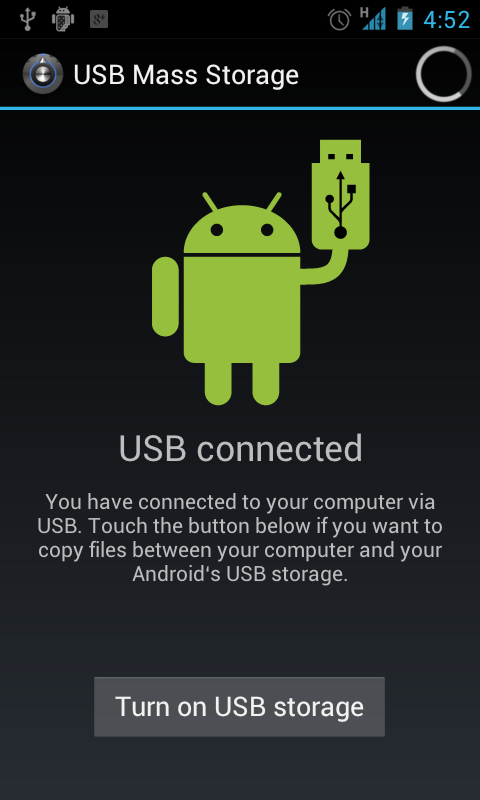
Simply put, MTP is now the standard being used to stop OEM's and carriers from giving you oodles of "storage space" and very little application space. That's not the ramblings of a crotchety old Android geek, but the word right from Android engineer Dan Morril:
We didn't do this because we wanted to use ext3 (although that is a side benefit.) We did it because we wanted to be able to merge the "public shared storage" (i.e. for music and photos) with the internal private app storage.
We got tired of seeing OEMs include many GB of internal storage for music, while users were still running out of space for apps and data. This approach lets us merge everything on one volume, which is way better.
USB Mass Storage has one big drawback -- when you mount the storage partition (whether it's an SD card or an internal block like the Nexus S has), you've dedicated the entire partition as in use by another machine. This means the original host (that'd be your phone or tablet) doesn't have access to it, and the new host (the computer you've plugged your phone or tablet into) is allowed to do bad things that might mess it all up. That's why moving some applications to the SD card -- and especially widgets -- would sometimes end up in wonkiness.
As a bonus, using MTP means that Android device makers no longer have to use FAT file systems on device storage, and can use ext formatting to make things work a bit better and faster. Devices will still be sold with SDcard slots, and they will be able to use the same USB Mass Storage mode that we're used to, but new devices without removable storage should all use MTP from Ice Cream Sandwich forward.





 扫一扫
扫一扫


 2057
2057

 被折叠的 条评论
为什么被折叠?
被折叠的 条评论
为什么被折叠?
 到【灌水乐园】发言





