



📝 博客主页:jaxzheng的优快云主页
目录
医疗领域中,患者数据通常包含影像(CT/MRI)、文本(电子病历)、基因组数据、传感器信号等多种模态。如何将这些异构数据在语义层面进行对齐,并构建统一的联合表征模型,已成为生物医学AI的核心挑战之一。本文将从技术原理、实现方案和实际应用三个维度展开分析。
医疗多模态数据的特征提取需针对不同模态设计专用编码器:
- 影像数据:采用预训练的Vision Transformer (ViT) 或 3D CNN 提取局部-全局特征
- 文本数据:使用临床语义增强的 BERT 变体(如 BioClinicalBERT)
- 基因组数据:通过图神经网络(GNN)建模基因交互关系
import torch
from transformers import ViTModel, BertModel

class MultiModalEncoder(torch.nn.Module):
    def __init__(self):
        super().__init__()
        self.image_encoder = ViTModel.from_pretrained("google/vit-base-patch16-224")
        self.text_encoder = BertModel.from_pretrained("emilyalsentzer/Bio_ClinicalBERT")

    def forward(self, images, texts):
        image_features = self.image_encoder(images).last_hidden_state
        text_features = self.text_encoder(texts).last_hidden_state
        return image_features, text_features
| 策略类型 | 特点 | 典型应用场景 |
|---|---|---|
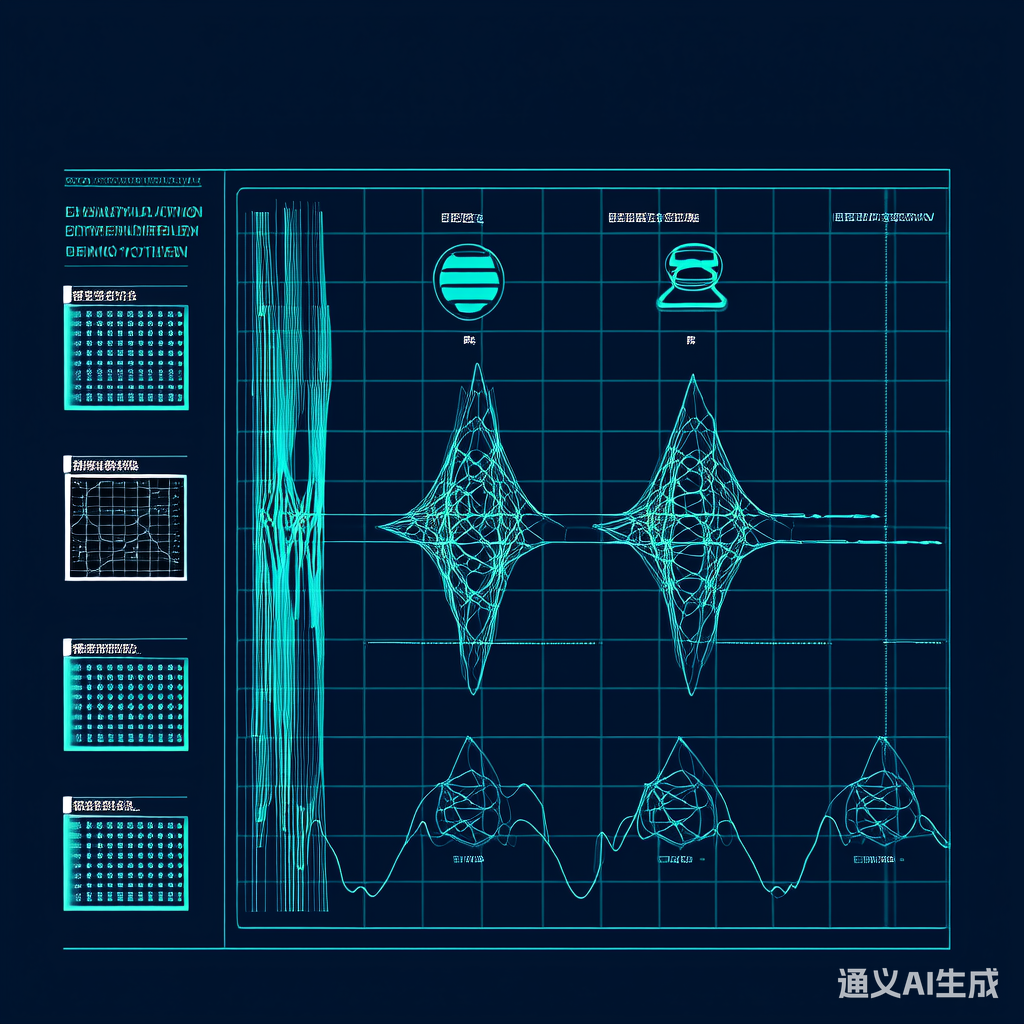
| 硬对齐 (Hard Alignment) | 基于显式匹配规则(如解剖部位标注) | 骨科影像与报告配对 |
| 软对齐 (Soft Alignment) | 通过注意力机制学习隐式关联 | 自由文本与影像的模糊匹配 |
| 动态对齐 (Dynamic Alignment) | 结合时空特征的自适应匹配 | 动态心电图与生理参数同步分析 |
class JointModel(torch.nn.Module):
    def __init__(self, encoder):
        super().__init__()
        self.encoder = encoder
        self.cross_attention = torch.nn.MultiheadAttention(embed_dim=768, num_heads=12)
        self.fusion_layer = torch.nn.Linear(768*2, 256)

    def forward(self, image_features, text_features):
        # 跨模态注意力计算
        fused_features, _ = self.cross_attention(image_features, text_features, text_features)
        # 特征融合
        combined = torch.cat([image_features.mean(dim=1), fused_features.mean(dim=1)], dim=1)
        return self.fusion_layer(combined)
联合建模需同时优化:
- 模态内一致性:
L_intra = ||f_i(x) - f_i(x')||_2(同一模态不同视角) - 模态间相关性:
L_inter = -cos_sim(f_i(x), f_j(y))(正样本对) - 任务特定损失:
L_task = CE(logits, labels)(分类/回归任务)
def joint_loss(image_emb, text_emb, labels):
    intra_loss = F.mse_loss(image_emb, image_emb.detach())
    inter_loss = -F.cosine_similarity(image_emb, text_emb).mean()
    task_loss = F.cross_entropy(logits, labels)
    return intra_loss * 0.3 + inter_loss * 0.5 + task_loss * 0.2
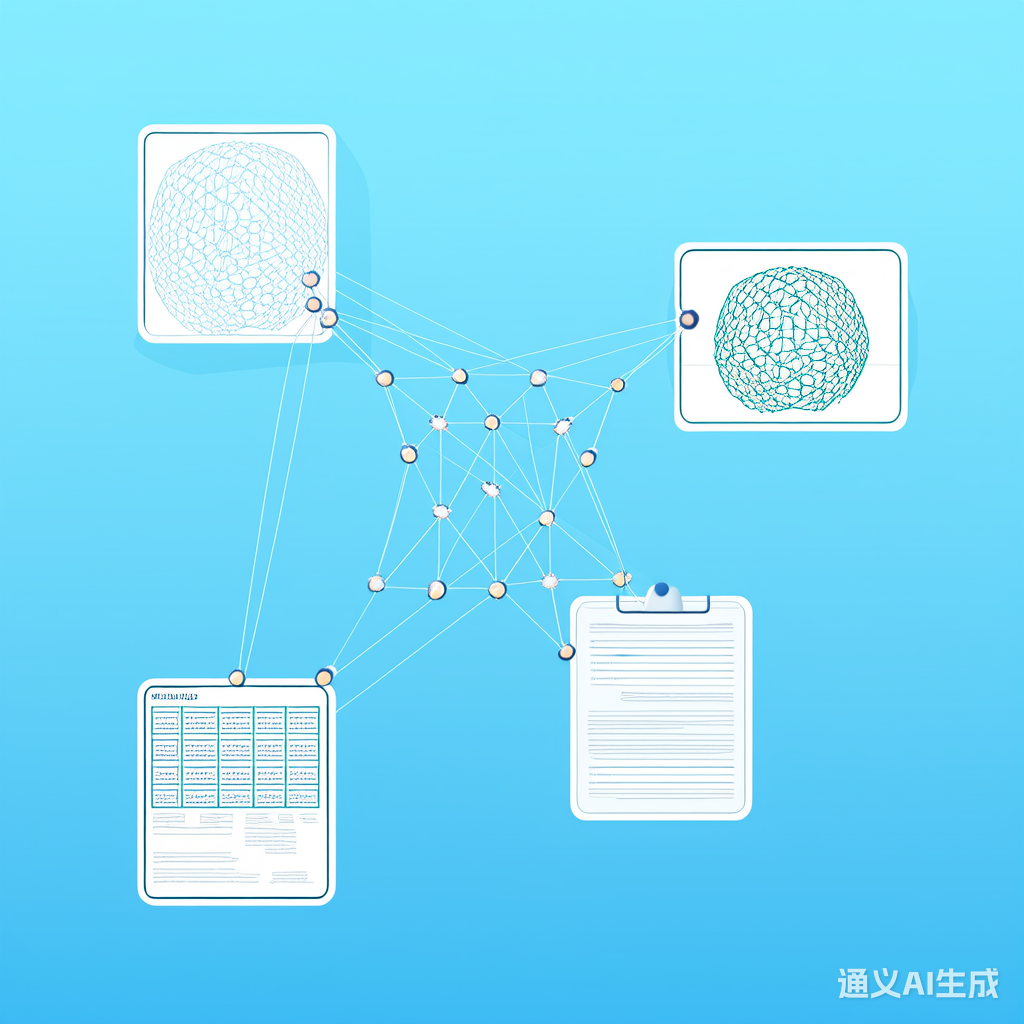
整合乳腺X光影像、基因检测数据和家族史文本记录,使用上述架构实现:
- 输入维度:影像(224×224×3) + 文本(512 tokens) + 基因(2000维)
- 输出:风险评分(0-1) + 解释性特征权重
通过实时监测生命体征信号(ECG/血氧)与症状描述文本的联合分析,实现:
- 多模态异常检测
- 病情严重程度分级
- 数据异质性:医疗数据存在模态缺失、质量参差不齐等问题
- 可解释性需求:临床场景需要可视化模态间关联证据
- 联邦学习集成:如何在保护隐私的前提下进行跨机构联合建模
医疗多模态数据的跨模态语义对齐与联合建模技术正在推动精准医疗的发展,未来需要结合领域知识设计更高效的架构,并解决实际部署中的伦理与合规性问题。





 扫一扫
扫一扫


 3783
3783

 被折叠的 条评论
为什么被折叠?
被折叠的 条评论
为什么被折叠?
 到【灌水乐园】发言





