




目录
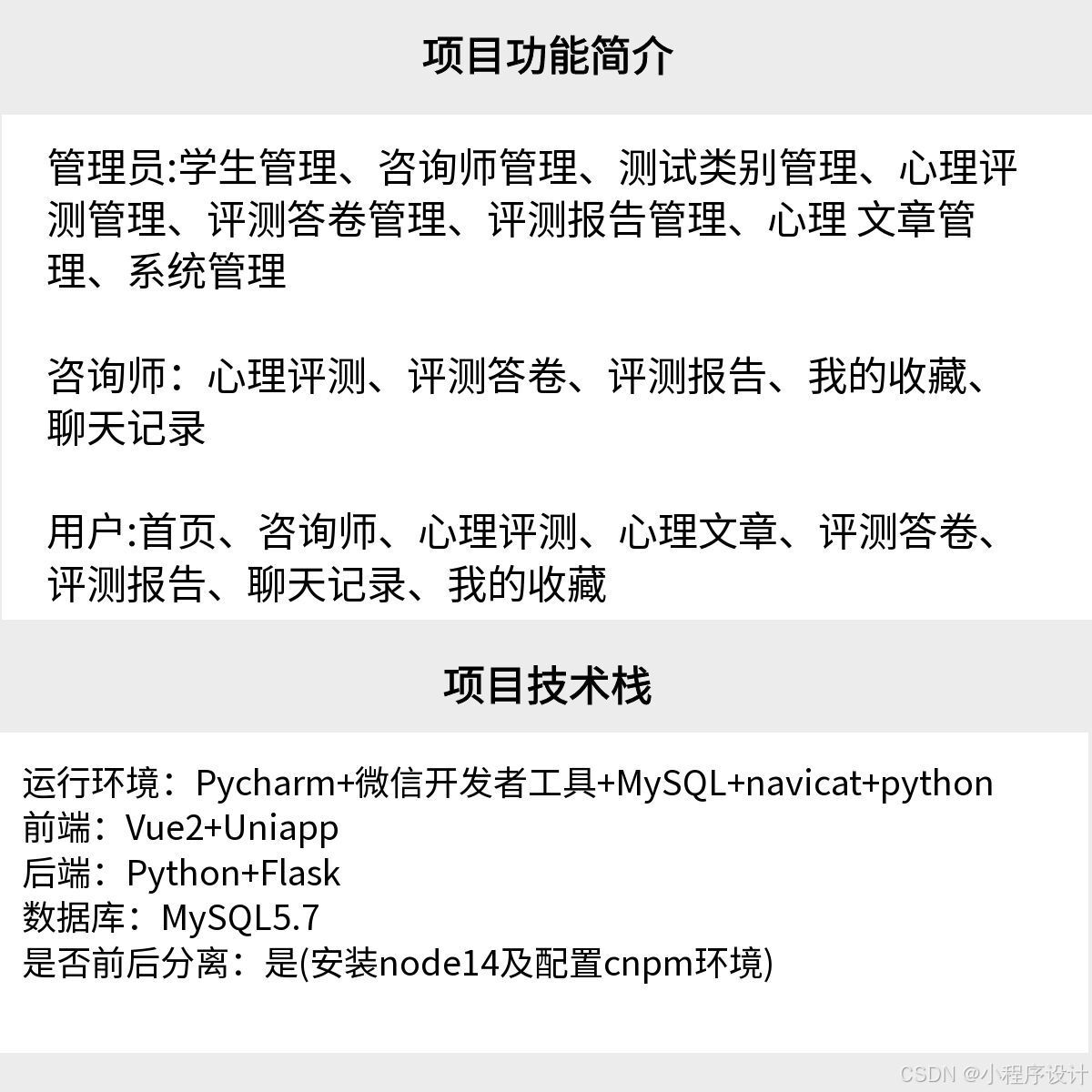
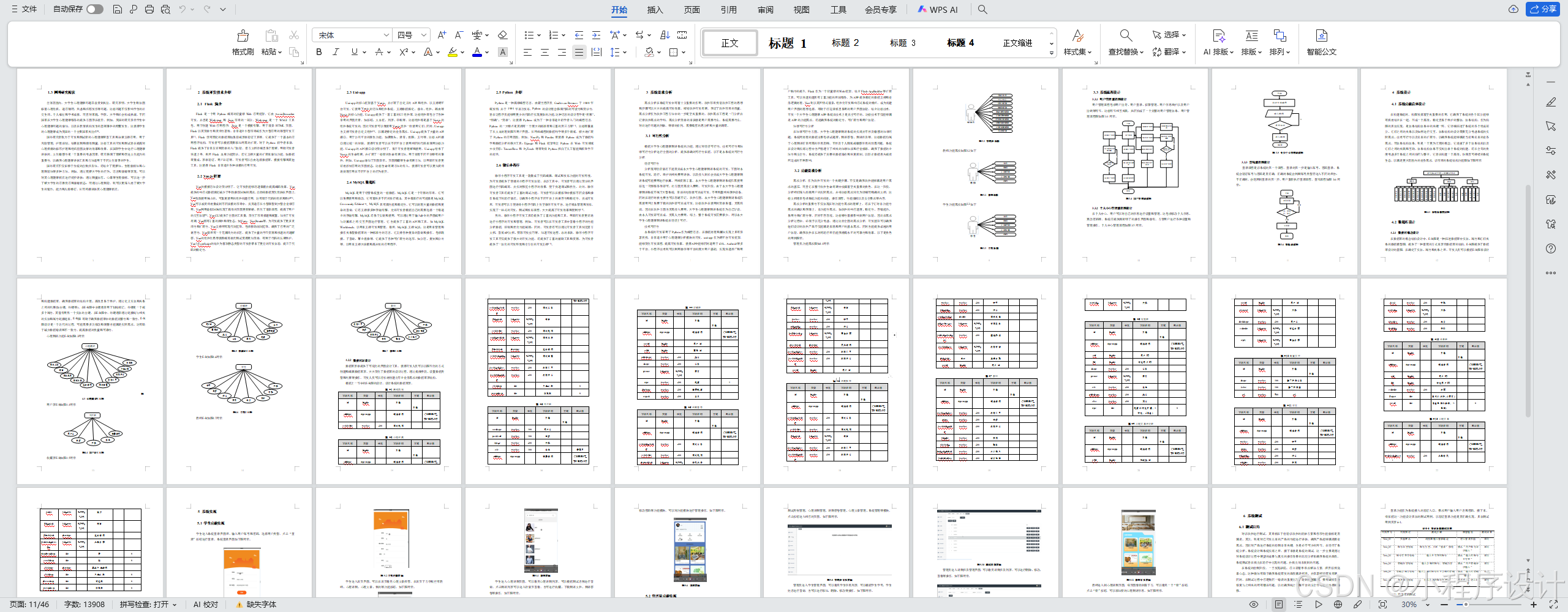
项目包含源码、调试、修改教程、调试教程、讲解视频、开发文档(项目摘要、前言、技术介绍、可行性分析、流程图、结构图、ER属性图、数据库表结构信息、功能介绍、测试致谢等约1万字)
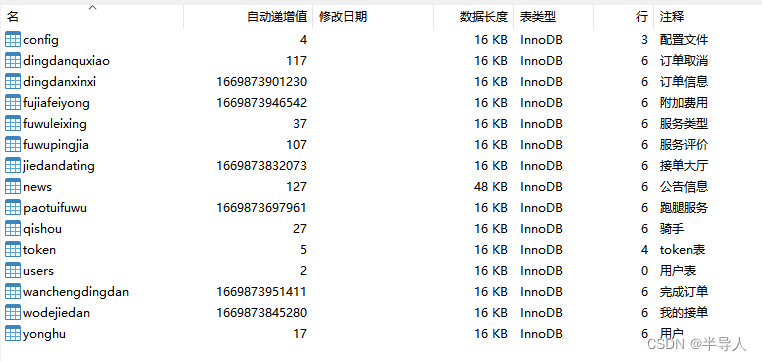
数据库表有注释,可以导出数据字典及更新数据库时间,欢迎交流学习
高校心理健康服务小程序的背景
高校心理健康服务小程序的开发背景源于大学生心理健康问题的日益突出。随着社会竞争加剧、学业压力增大,大学生群体中焦虑、抑郁等心理问题发生率逐年上升。传统心理咨询服务存在预约难、隐私顾虑、资源有限等问题,亟需通过数字化手段提供更便捷、高效的心理支持。
技术选型原因
Python+Django/Flask作为后端语言,具备快速开发、丰富的心理学数据分析库(如Pandas、NumPy)等优势,适合处理心理测评数据统计和机器学习模型集成。Vue.js作为前端框架,能够构建响应式、用户友好的移动端界面,提升使用体验。微信小程序平台提供即用即走的轻量化入口,降低用户使用门槛。
一、整体目录:
项目包含源码、调试、修改教程、调试教程、讲解视频、开发文档(项目摘要、前言、技术介绍、可行性分析、流程图、结构图、ER属性图、数据库表结构信息、功能介绍、测试致谢等约1万字)
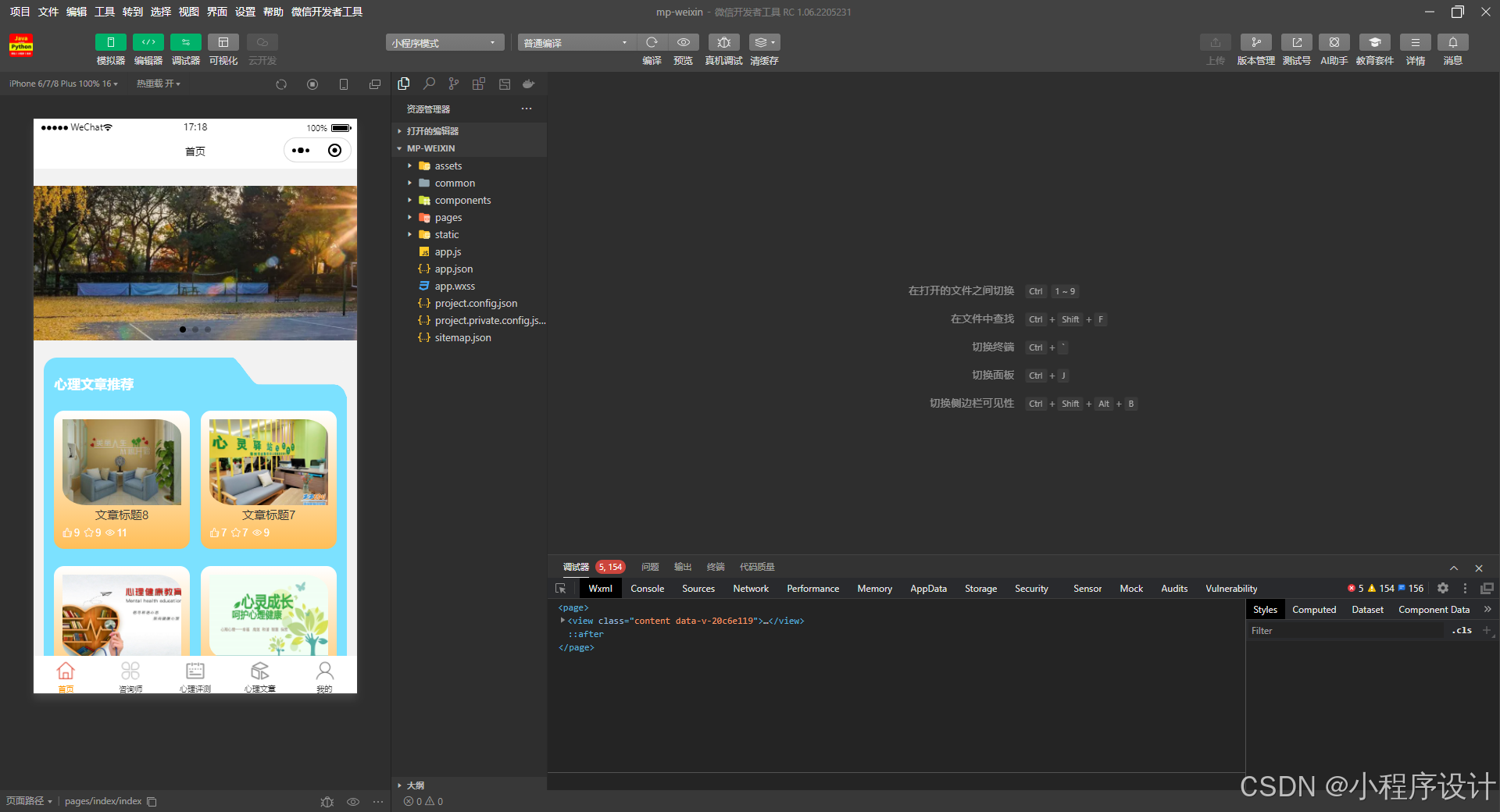
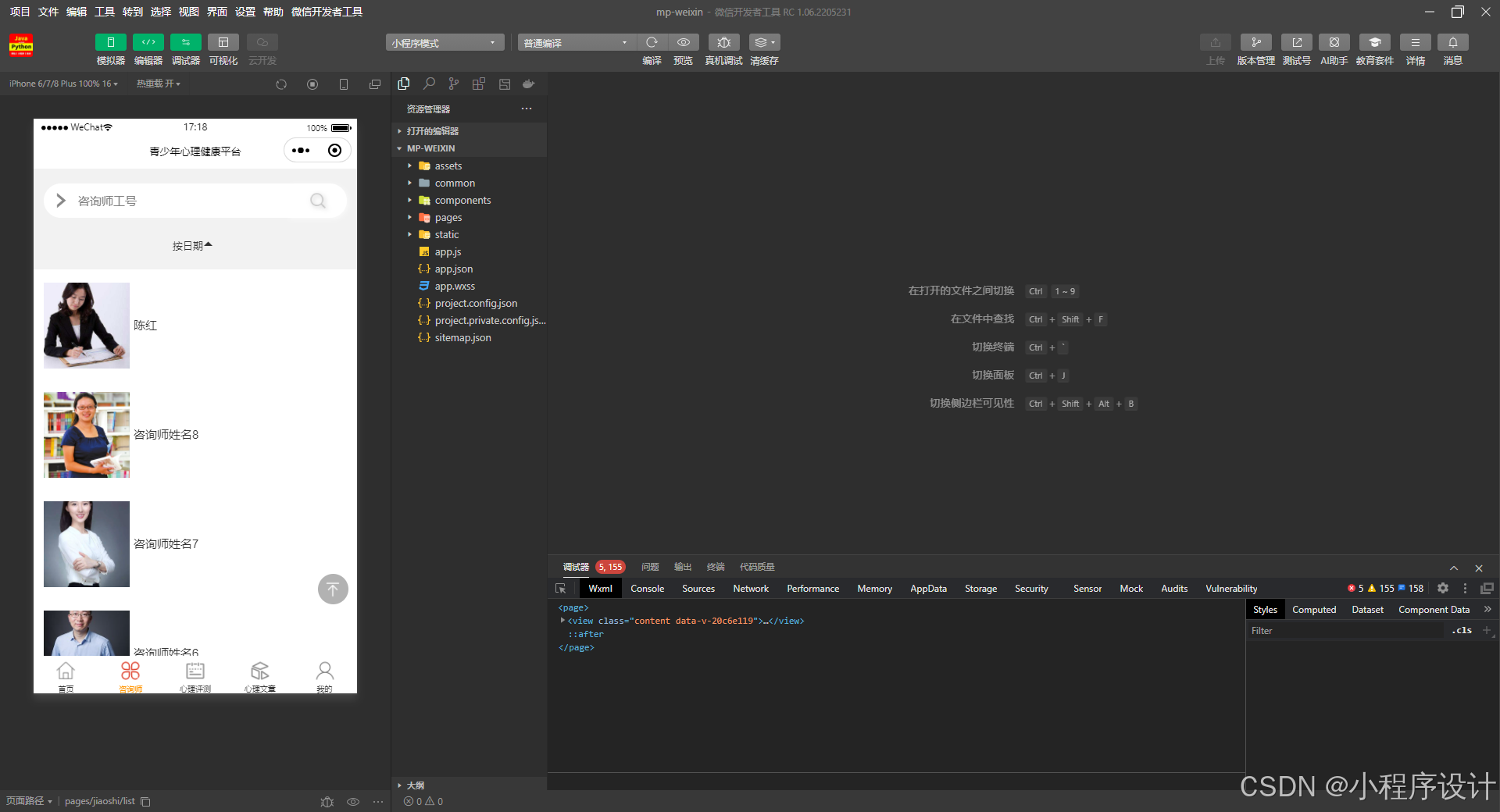
二、运行截图
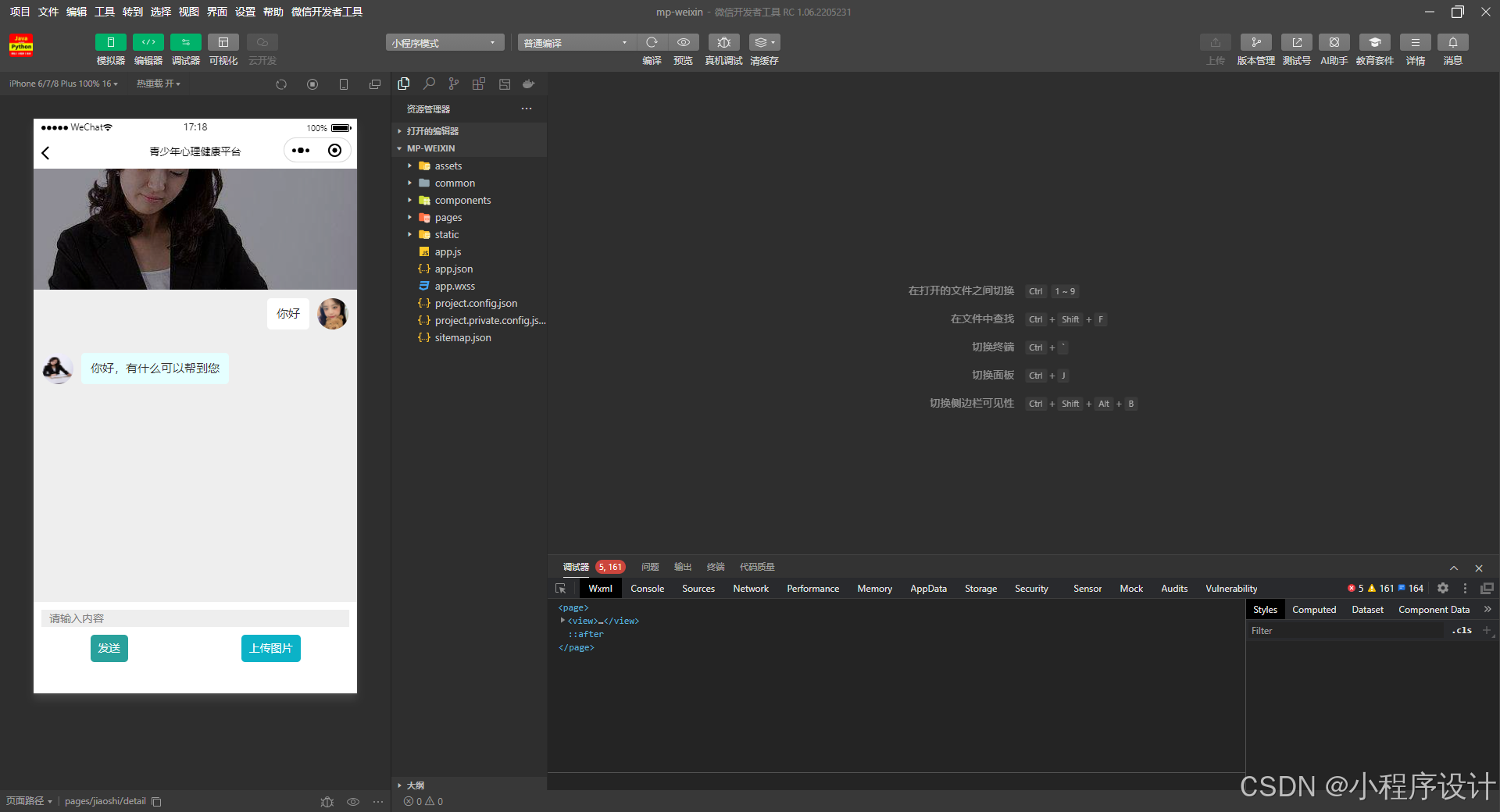
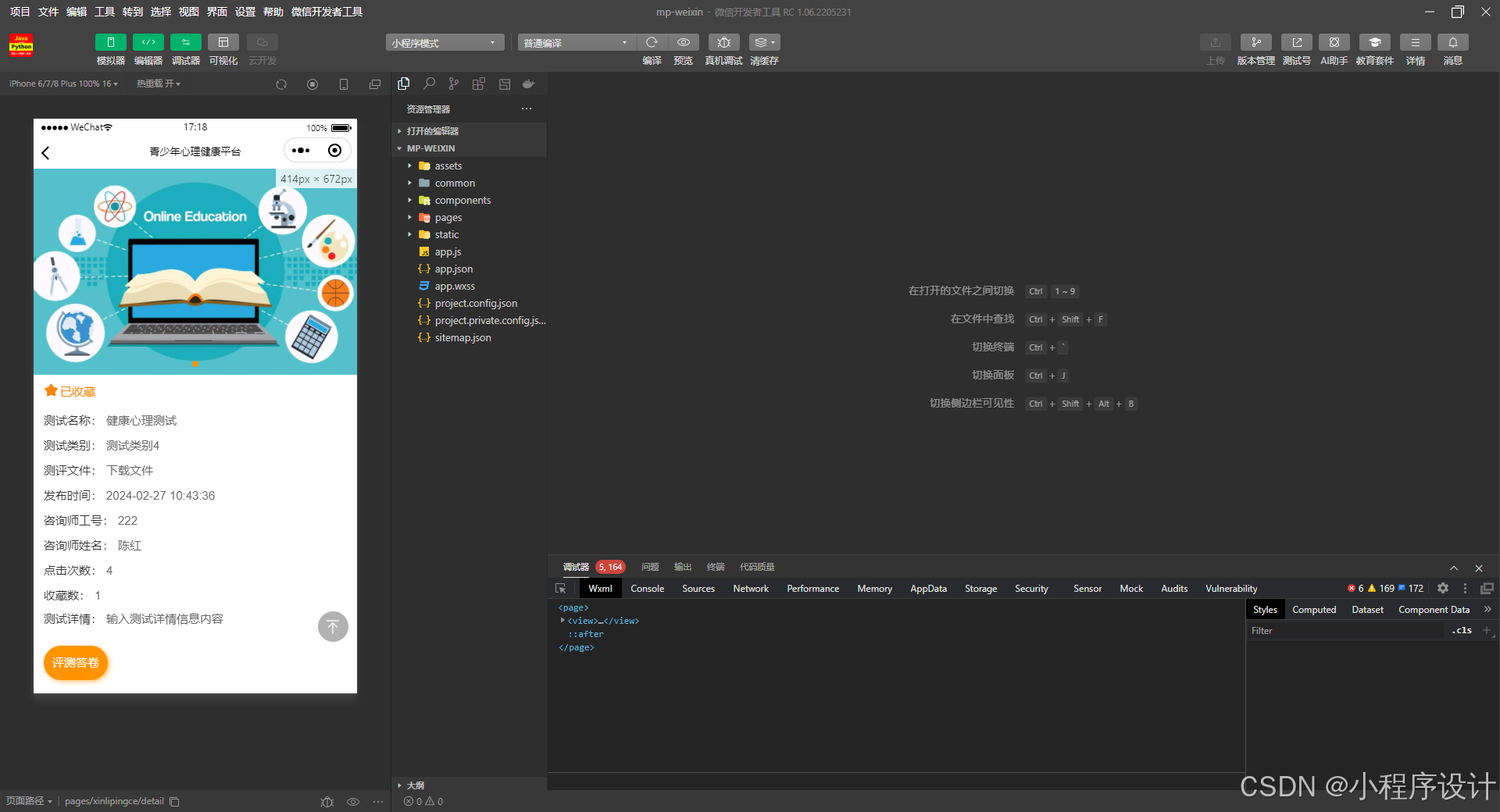
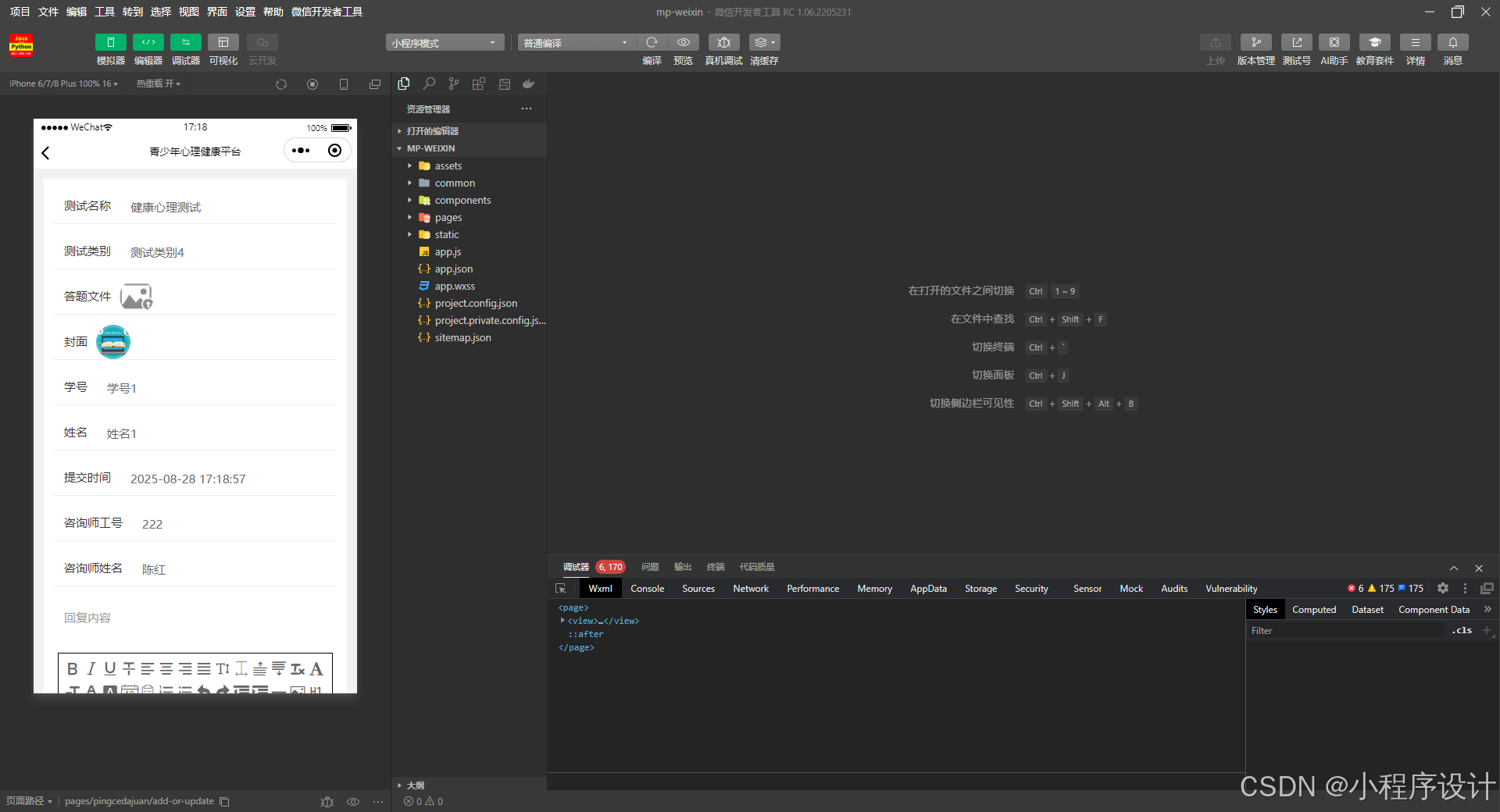
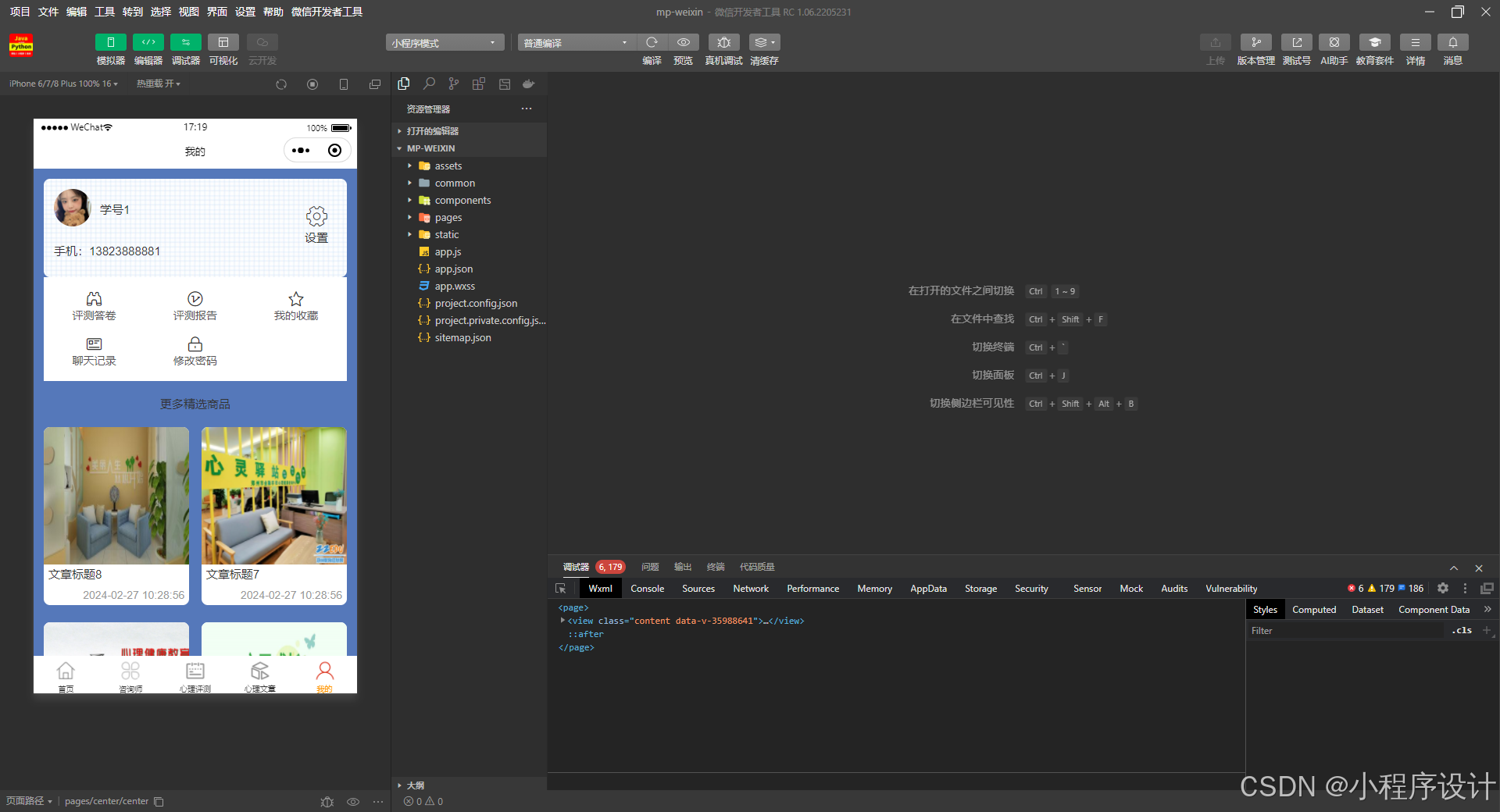
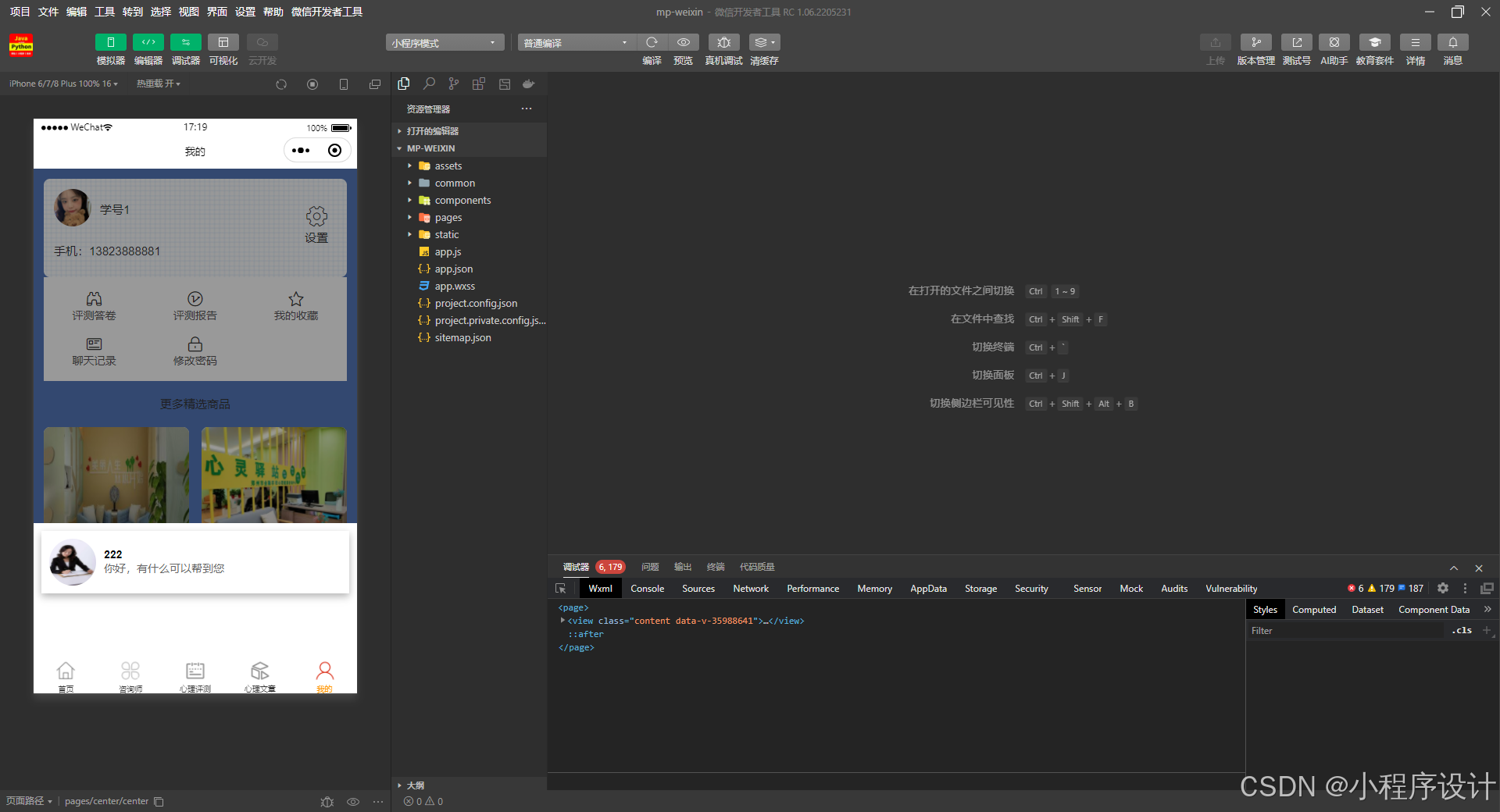
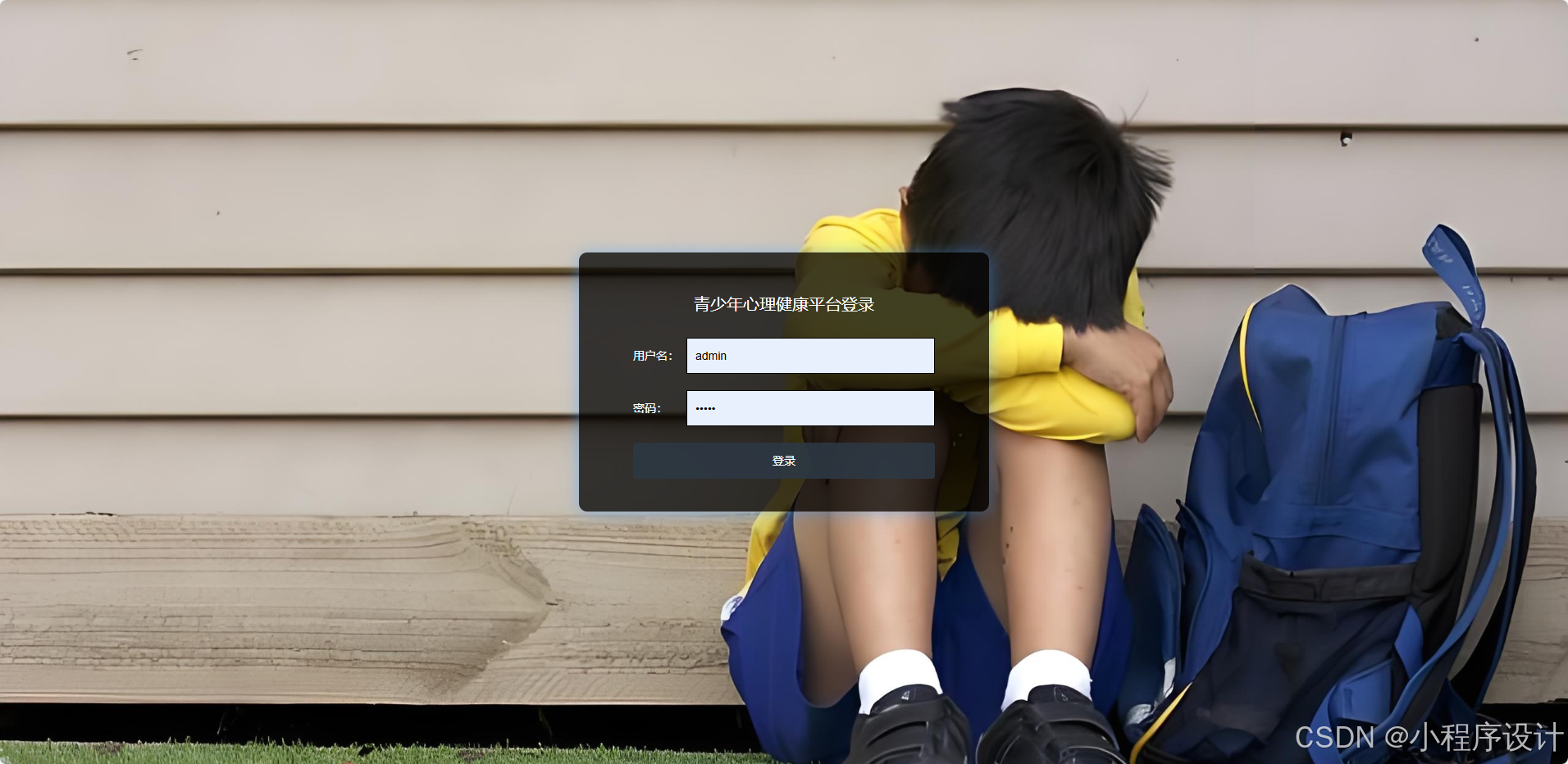
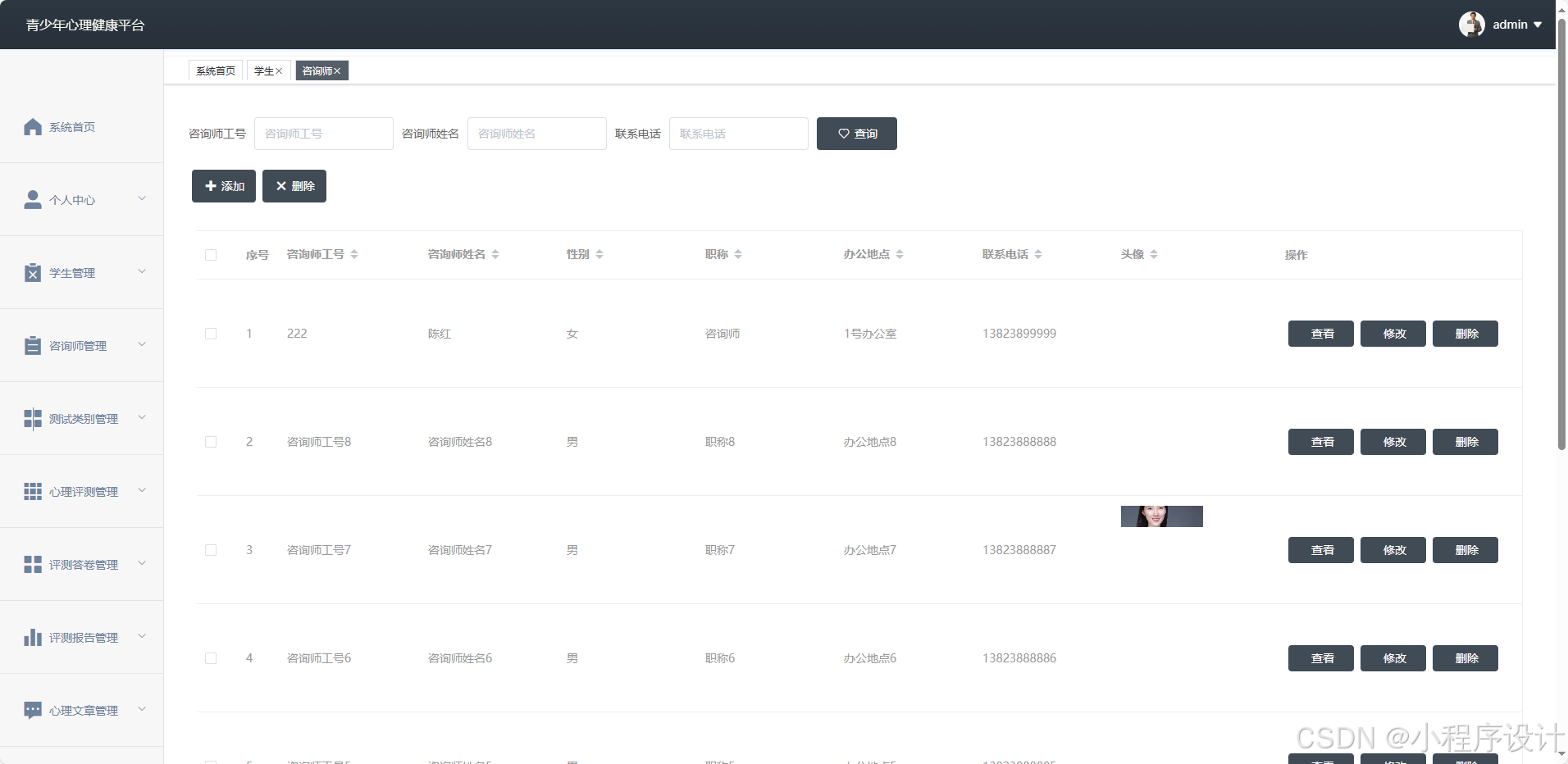
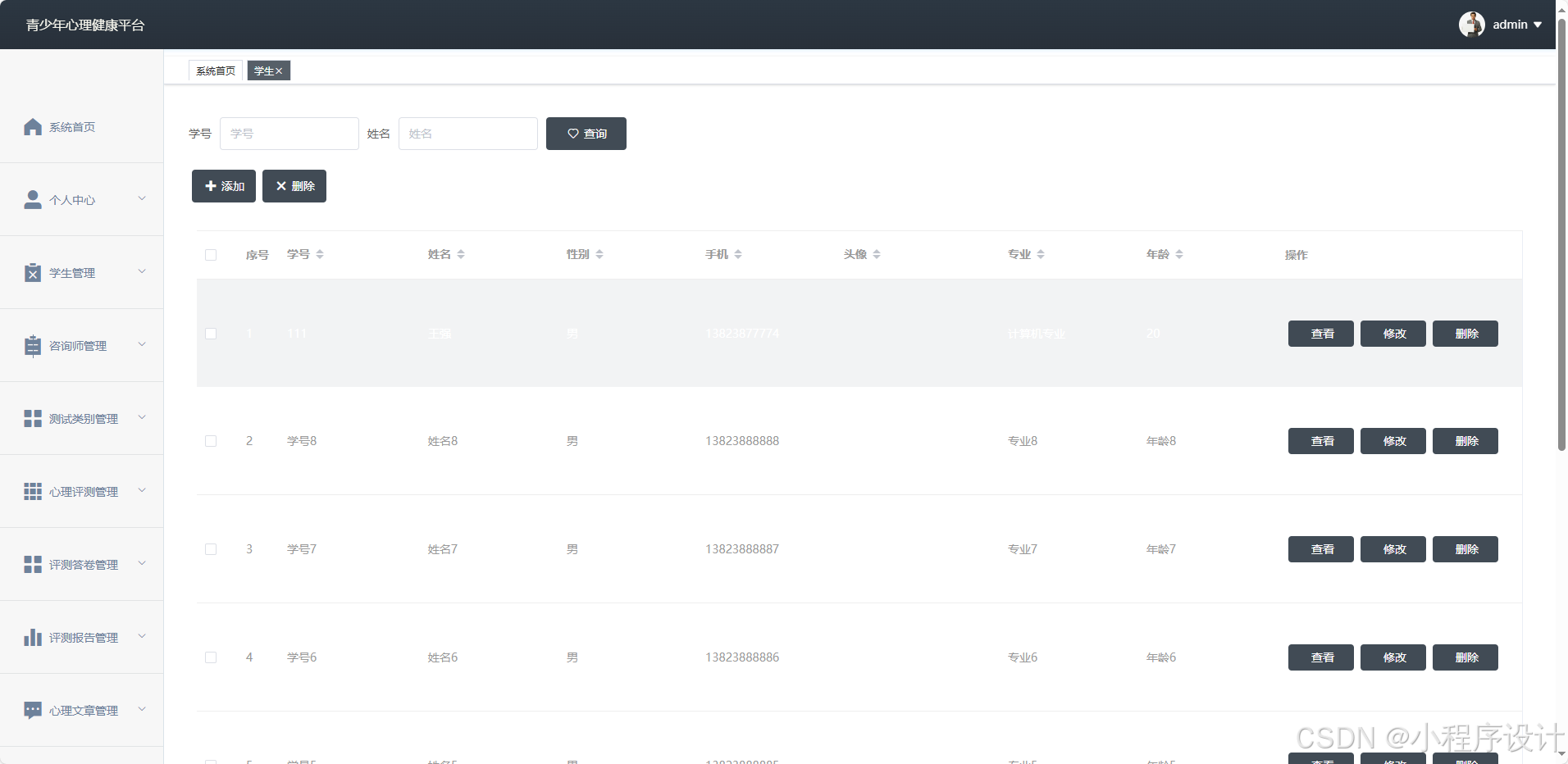
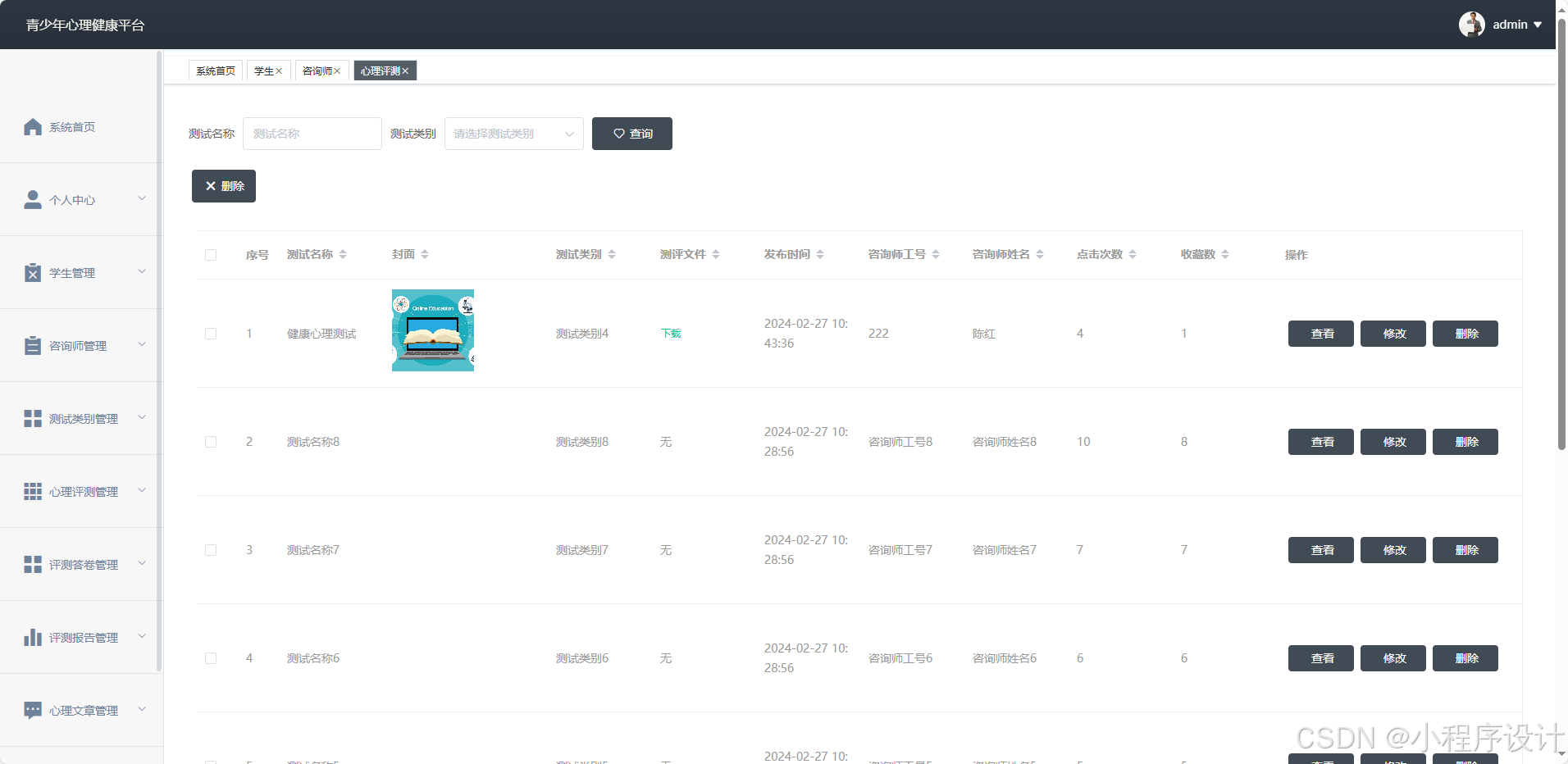
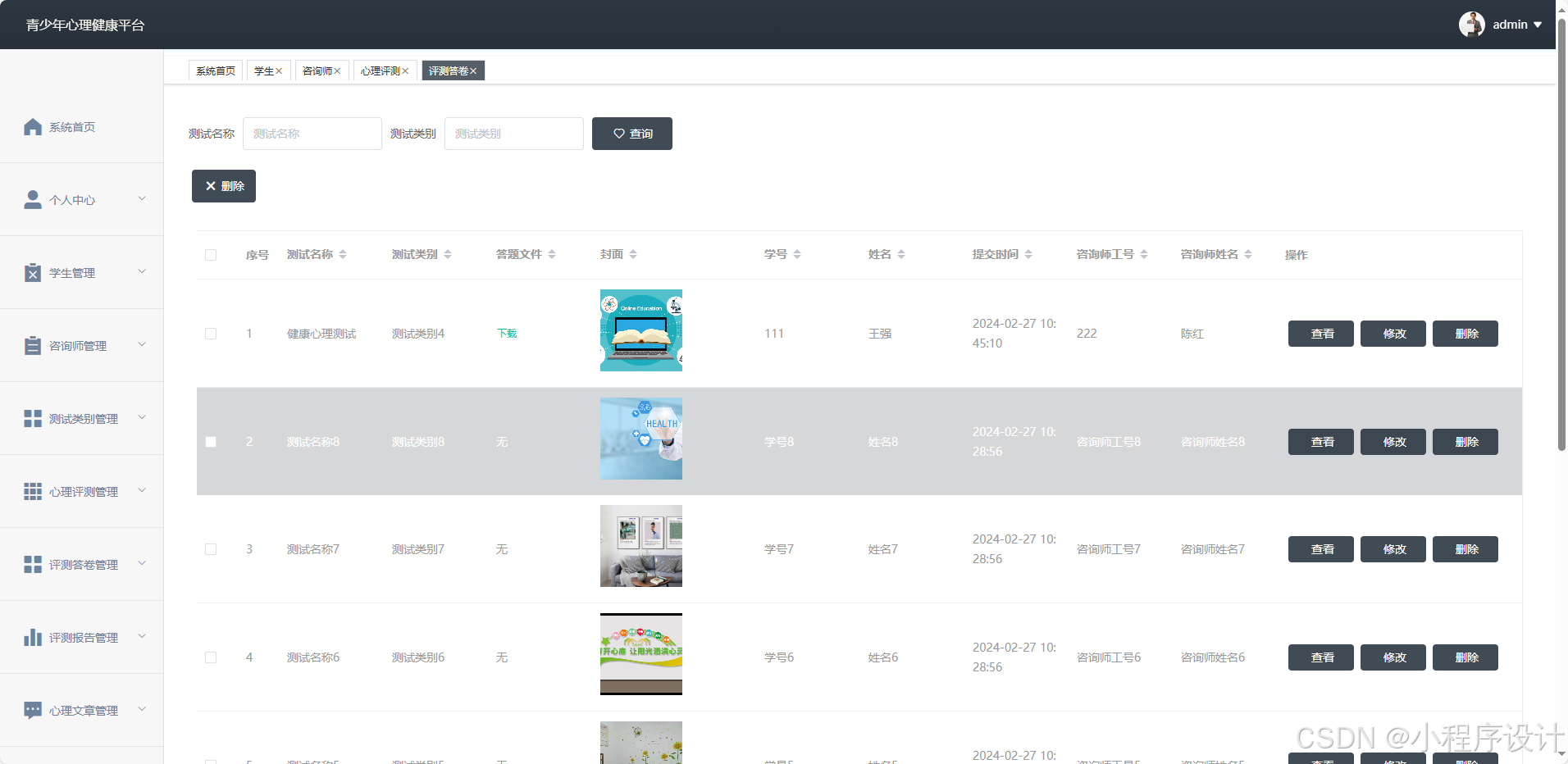
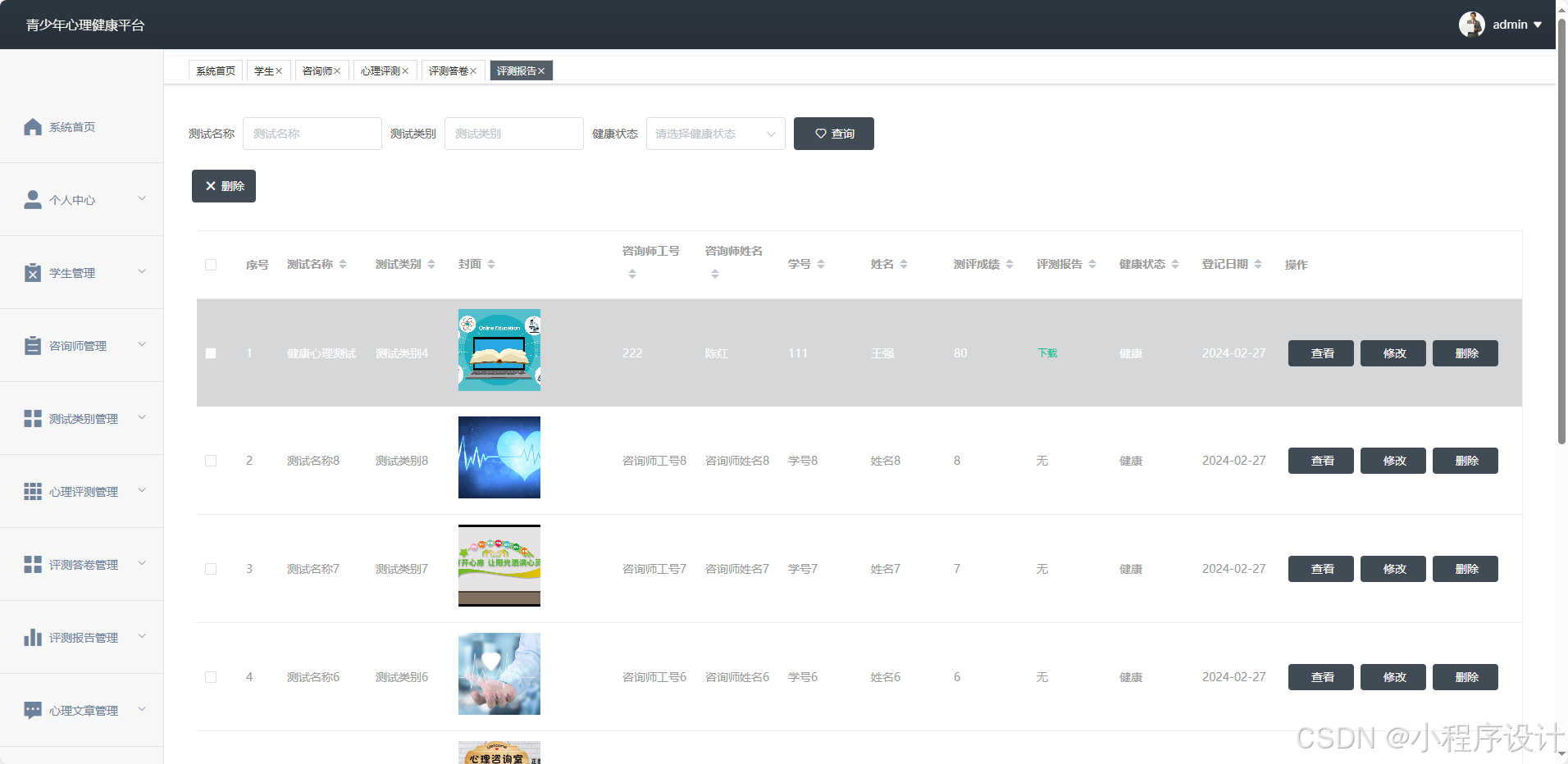
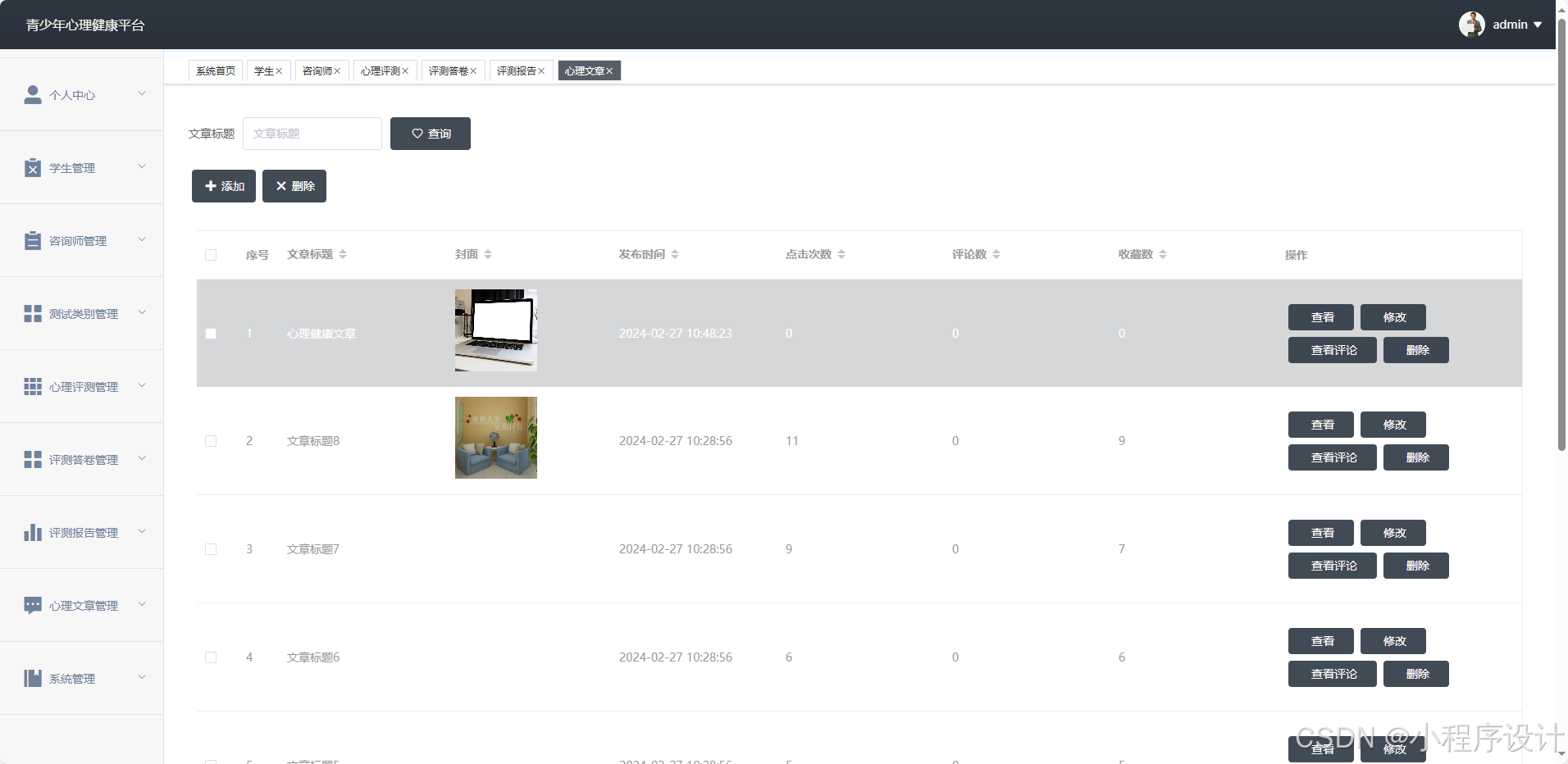
三、代码部分(示范):
商品推荐、内容推荐算法
#coding:utf-8
__author__ = "ila"
import base64, copy, logging, os, sys, time, xlrd, json, datetime, configparser
from django.http import JsonResponse
from django.apps import apps
from django.db.models.aggregates import Count,Sum
from .models import yonghu
from util.codes import *
from util.auth import Auth
from util.common import Common
import util.message as mes
from django.db import connection
import random
from django.core.mail import send_mail
from django.conf import settings
from django.shortcuts import redirect
from django.db.models import Q
from util.baidubce_api import BaiDuBce
from .config_model import config
def yonghu_register(request):
if request.method in ["POST", "GET"]:
msg = {'code': normal_code, "msg": mes.normal_code}
req_dict = request.session.get("req_dict")
error = yonghu.createbyreq(yonghu, yonghu, req_dict)
if error != None:
msg['code'] = crud_error_code
msg['msg'] = "用户已存在,请勿重复注册!"
return JsonResponse(msg)
def yonghu_login(request):
if request.method in ["POST", "GET"]:
msg = {'code': normal_code, "msg": mes.normal_code}
req_dict = request.session.get("req_dict")
datas = yonghu.getbyparams(yonghu, yonghu, req_dict)
if not datas:
msg['code'] = password_error_code
msg['msg'] = mes.password_error_code
return JsonResponse(msg)
try:
__sfsh__= yonghu.__sfsh__
except:
__sfsh__=None
if __sfsh__=='是':
if datas[0].get('sfsh')!='是':
msg['code']=other_code
msg['msg'] = "账号已锁定,请联系管理员审核!"
return JsonResponse(msg)
req_dict['id'] = datas[0].get('id')
return Auth.authenticate(Auth, yonghu, req_dict)
def yonghu_logout(request):
if request.method in ["POST", "GET"]:
msg = {
"msg": "登出成功",
"code": 0
}
return JsonResponse(msg)
def yonghu_resetPass(request):
'''
'''
if request.method in ["POST", "GET"]:
msg = {"code": normal_code, "msg": mes.normal_code}
req_dict = request.session.get("req_dict")
columns= yonghu.getallcolumn( yonghu, yonghu)
try:
__loginUserColumn__= yonghu.__loginUserColumn__
except:
__loginUserColumn__=None
username=req_dict.get(list(req_dict.keys())[0])
if __loginUserColumn__:
username_str=__loginUserColumn__
else:
username_str=username
if 'mima' in columns:
password_str='mima'
else:
password_str='password'
init_pwd = '123456'
recordsParam = {}
recordsParam[username_str] = req_dict.get("username")
records=yonghu.getbyparams(yonghu, yonghu, recordsParam)
if len(records)<1:
msg['code'] = 400
msg['msg'] = '用户不存在'
return JsonResponse(msg)
eval('''yonghu.objects.filter({}='{}').update({}='{}')'''.format(username_str,username,password_str,init_pwd))
return JsonResponse(msg)
def yonghu_session(request):
'''
'''
if request.method in ["POST", "GET"]:
msg = {"code": normal_code,"msg": mes.normal_code, "data": {}}
req_dict={"id":request.session.get('params').get("id")}
msg['data'] = yonghu.getbyparams(yonghu, yonghu, req_dict)[0]
return JsonResponse(msg)
def yonghu_default(request):
if request.method in ["POST", "GET"]:
msg = {"code": normal_code,"msg": mes.normal_code, "data": {}}
req_dict = request.session.get("req_dict")
req_dict.update({"isdefault":"是"})
data=yonghu.getbyparams(yonghu, yonghu, req_dict)
if len(data)>0:
msg['data'] = data[0]
else:
msg['data'] = {}
return JsonResponse(msg)
def yonghu_page(request):
'''
'''
if request.method in ["POST", "GET"]:
msg = {"code": normal_code, "msg": mes.normal_code, "data":{"currPage":1,"totalPage":1,"total":1,"pageSize":10,"list":[]}}
req_dict = request.session.get("req_dict")
#获取全部列名
columns= yonghu.getallcolumn( yonghu, yonghu)
#当前登录用户所在表
tablename = request.session.get("tablename")
#authColumn=list(__authTables__.keys())[0]
#authTable=__authTables__.get(authColumn)
# if authTable==tablename:
#params = request.session.get("params")
#req_dict[authColumn]=params.get(authColumn)
'''__authSeparate__此属性为真,params添加userid,后台只查询个人数据'''
try:
__authSeparate__=yonghu.__authSeparate__
except:
__authSeparate__=None
if __authSeparate__=="是":
tablename=request.session.get("tablename")
if tablename!="users" and 'userid' in columns:
try:
req_dict['userid']=request.session.get("params").get("id")
except:
pass
#当项目属性hasMessage为”是”,生成系统自动生成留言板的表messages,同时该表的表属性hasMessage也被设置为”是”,字段包括userid(用户id),username(用户名),content(留言内容),reply(回复)
#接口page需要区分权限,普通用户查看自己的留言和回复记录,管理员查看所有的留言和回复记录
try:
__hasMessage__=yonghu.__hasMessage__
except:
__hasMessage__=None
if __hasMessage__=="是":
tablename=request.session.get("tablename")
if tablename!="users":
req_dict["userid"]=request.session.get("params").get("id")
# 判断当前表的表属性isAdmin,为真则是管理员表
# 当表属性isAdmin=”是”,刷出来的用户表也是管理员,即page和list可以查看所有人的考试记录(同时应用于其他表)
__isAdmin__ = None
allModels = apps.get_app_config('main').get_models()
for m in allModels:
if m.__tablename__==tablename:
try:
__isAdmin__ = m.__isAdmin__
except:
__isAdmin__ = None
break
# 当前表也是有管理员权限的表
if __isAdmin__ == "是" and 'yonghu' != 'forum':
if req_dict.get("userid") and 'yonghu' != 'chat':
del req_dict["userid"]
else:
#非管理员权限的表,判断当前表字段名是否有userid
if tablename!="users" and 'yonghu'[:7]!='discuss'and "userid" in yonghu.getallcolumn(yonghu,yonghu):
req_dict["userid"] = request.session.get("params").get("id")
#当列属性authTable有值(某个用户表)[该列的列名必须和该用户表的登陆字段名一致],则对应的表有个隐藏属性authTable为”是”,那么该用户查看该表信息时,只能查看自己的
try:
__authTables__=yonghu.__authTables__
except:
__authTables__=None
if __authTables__!=None and __authTables__!={} and __isAdmin__ == "是":
try:
del req_dict['userid']
# tablename=request.session.get("tablename")
# if tablename=="users":
# del req_dict['userid']
except:
pass
for authColumn,authTable in __authTables__.items():
if authTable==tablename:
params = request.session.get("params")
req_dict[authColumn]=params.get(authColumn)
username=params.get(authColumn)
break
q = Q()
msg['data']['list'], msg['data']['currPage'], msg['data']['totalPage'], msg['data']['total'], \
msg['data']['pageSize'] =yonghu.page(yonghu, yonghu, req_dict, request, q)
return JsonResponse(msg)
def yonghu_autoSort(request):
'''
.智能推荐功能(表属性:[intelRecom(是/否)],新增clicktime[前端不显示该字段]字段(调用info/detail接口的时候更新),按clicktime排序查询)
主要信息列表(如商品列表,新闻列表)中使用,显示最近点击的或最新添加的5条记录就行
'''
if request.method in ["POST", "GET"]:
msg = {"code": normal_code, "msg": mes.normal_code, "data":{"currPage":1,"totalPage":1,"total":1,"pageSize":10,"list":[]}}
req_dict = request.session.get("req_dict")
if "clicknum" in yonghu.getallcolumn(yonghu,yonghu):
req_dict['sort']='clicknum'
elif "browseduration" in yonghu.getallcolumn(yonghu,yonghu):
req_dict['sort']='browseduration'
else:
req_dict['sort']='clicktime'
req_dict['order']='desc'
msg['data']['list'], msg['data']['currPage'], msg['data']['totalPage'], msg['data']['total'], \
msg['data']['pageSize'] = yonghu.page(yonghu,yonghu, req_dict)
return JsonResponse(msg)
def yonghu_list(request):
'''
前台分页
'''
if request.method in ["POST", "GET"]:
msg = {"code": normal_code, "msg": mes.normal_code, "data":{"currPage":1,"totalPage":1,"total":1,"pageSize":10,"list":[]}}
req_dict = request.session.get("req_dict")
if req_dict.__contains__('vipread'):
del req_dict['vipread']
#获取全部列名
columns= yonghu.getallcolumn( yonghu, yonghu)
#表属性[foreEndList]前台list:和后台默认的list列表页相似,只是摆在前台,否:指没有此页,是:表示有此页(不需要登陆即可查看),前要登:表示有此页且需要登陆后才能查看
try:
__foreEndList__=yonghu.__foreEndList__
except:
__foreEndList__=None
if __foreEndList__=="前要登":
tablename=request.session.get("tablename")
if tablename!="users" and 'userid' in columns:
try:
req_dict['userid']=request.session.get("params").get("id")
except:
pass
#forrEndListAuth
try:
__foreEndListAuth__=yonghu.__foreEndListAuth__
except:
__foreEndListAuth__=None
#authSeparate
try:
__authSeparate__=yonghu.__authSeparate__
except:
__authSeparate__=None
if __foreEndListAuth__ =="是" and __authSeparate__=="是":
tablename=request.session.get("tablename")
if tablename!="users":
req_dict['userid']=request.session.get("params",{"id":0}).get("id")
tablename = request.session.get("tablename")
if tablename == "users" and req_dict.get("userid") != None:#判断是否存在userid列名
del req_dict["userid"]
else:
__isAdmin__ = None
allModels = apps.get_app_config('main').get_models()
for m in allModels:
if m.__tablename__==tablename:
try:
__isAdmin__ = m.__isAdmin__
except:
__isAdmin__ = None
break
if __isAdmin__ == "是":
if req_dict.get("userid"):
# del req_dict["userid"]
pass
else:
#非管理员权限的表,判断当前表字段名是否有userid
if "userid" in columns:
try:
pass
except:
pass
#当列属性authTable有值(某个用户表)[该列的列名必须和该用户表的登陆字段名一致],则对应的表有个隐藏属性authTable为”是”,那么该用户查看该表信息时,只能查看自己的
try:
__authTables__=yonghu.__authTables__
except:
__authTables__=None
if __authTables__!=None and __authTables__!={} and __foreEndListAuth__=="是":
try:
del req_dict['userid']
except:
pass
for authColumn,authTable in __authTables__.items():
if authTable==tablename:
params = request.session.get("params")
req_dict[authColumn]=params.get(authColumn)
username=params.get(authColumn)
break
if yonghu.__tablename__[:7]=="discuss":
try:
del req_dict['userid']
except:
pass
q = Q()
msg['data']['list'], msg['data']['currPage'], msg['data']['totalPage'], msg['data']['total'], \
msg['data']['pageSize'] = yonghu.page(yonghu, yonghu, req_dict, request, q)
return JsonResponse(msg)
def yonghu_save(request):
'''
后台新增
'''
if request.method in ["POST", "GET"]:
msg = {"code": normal_code, "msg": mes.normal_code, "data": {}}
req_dict = request.session.get("req_dict")
if 'clicktime' in req_dict.keys():
del req_dict['clicktime']
tablename=request.session.get("tablename")
__isAdmin__ = None
allModels = apps.get_app_config('main').get_models()
for m in allModels:
if m.__tablename__==tablename:
try:
__isAdmin__ = m.__isAdmin__
except:
__isAdmin__ = None
break
#获取全部列名
columns= yonghu.getallcolumn( yonghu, yonghu)
if tablename!='users' and req_dict.get("userid")!=None and 'userid' in columns and __isAdmin__!='是':
params=request.session.get("params")
req_dict['userid']=params.get('id')
if 'addtime' in req_dict.keys():
del req_dict['addtime']
error= yonghu.createbyreq(yonghu,yonghu, req_dict)
if error!=None:
msg['code'] = crud_error_code
msg['msg'] = error
return JsonResponse(msg)
def yonghu_add(request):
'''
前台新增
'''
if request.method in ["POST", "GET"]:
msg = {"code": normal_code, "msg": mes.normal_code, "data": {}}
req_dict = request.session.get("req_dict")
#获取全部列名
columns= yonghu.getallcolumn( yonghu, yonghu)
try:
__authSeparate__=yonghu.__authSeparate__
except:
__authSeparate__=None
if __authSeparate__=="是":
tablename=request.session.get("tablename")
if tablename!="users" and 'userid' in columns:
try:
req_dict['userid']=request.session.get("params").get("id")
except:
pass
try:
__foreEndListAuth__=yonghu.__foreEndListAuth__
except:
__foreEndListAuth__=None
if __foreEndListAuth__ and __foreEndListAuth__!="否":
tablename=request.session.get("tablename")
if tablename!="users":
req_dict['userid']=request.session.get("params").get("id")
if 'addtime' in req_dict.keys():
del req_dict['addtime']
error= yonghu.createbyreq(yonghu,yonghu, req_dict)
if error!=None:
msg['code'] = crud_error_code
msg['msg'] = error
return JsonResponse(msg)
def yonghu_thumbsup(request,id_):
'''
点赞:表属性thumbsUp[是/否],刷表新增thumbsupnum赞和crazilynum踩字段,
'''
if request.method in ["POST", "GET"]:
msg = {"code": normal_code, "msg": mes.normal_code, "data": {}}
req_dict = request.session.get("req_dict")
id_=int(id_)
type_=int(req_dict.get("type",0))
rets=yonghu.getbyid(yonghu,yonghu,id_)
update_dict={
"id":id_,
}
if type_==1:#赞
update_dict["thumbsupnum"]=int(rets[0].get('thumbsupnum'))+1
elif type_==2:#踩
update_dict["crazilynum"]=int(rets[0].get('crazilynum'))+1
error = yonghu.updatebyparams(yonghu,yonghu, update_dict)
if error!=None:
msg['code'] = crud_error_code
msg['msg'] = error
return JsonResponse(msg)
def yonghu_info(request,id_):
'''
'''
if request.method in ["POST", "GET"]:
msg = {"code": normal_code, "msg": mes.normal_code, "data": {}}
data = yonghu.getbyid(yonghu,yonghu, int(id_))
if len(data)>0:
msg['data']=data[0]
if msg['data'].__contains__("reversetime"):
msg['data']['reversetime'] = msg['data']['reversetime'].strftime("%Y-%m-%d %H:%M:%S")
#浏览点击次数
try:
__browseClick__= yonghu.__browseClick__
except:
__browseClick__=None
if __browseClick__=="是" and "clicknum" in yonghu.getallcolumn(yonghu,yonghu):
try:
clicknum=int(data[0].get("clicknum",0))+1
except:
clicknum=0+1
click_dict={"id":int(id_),"clicknum":clicknum}
ret=yonghu.updatebyparams(yonghu,yonghu,click_dict)
if ret!=None:
msg['code'] = crud_error_code
msg['msg'] = ret
return JsonResponse(msg)
def yonghu_detail(request,id_):
'''
'''
if request.method in ["POST", "GET"]:
msg = {"code": normal_code, "msg": mes.normal_code, "data": {}}
data =yonghu.getbyid(yonghu,yonghu, int(id_))
if len(data)>0:
msg['data']=data[0]
if msg['data'].__contains__("reversetime"):
msg['data']['reversetime'] = msg['data']['reversetime'].strftime("%Y-%m-%d %H:%M:%S")
#浏览点击次数
try:
__browseClick__= yonghu.__browseClick__
except:
__browseClick__=None
if __browseClick__=="是" and "clicknum" in yonghu.getallcolumn(yonghu,yonghu):
try:
clicknum=int(data[0].get("clicknum",0))+1
except:
clicknum=0+1
click_dict={"id":int(id_),"clicknum":clicknum}
ret=yonghu.updatebyparams(yonghu,yonghu,click_dict)
if ret!=None:
msg['code'] = crud_error_code
msg['msg'] = retfo
return JsonResponse(msg)
def yonghu_update(request):
'''
'''
if request.method in ["POST", "GET"]:
msg = {"code": normal_code, "msg": mes.normal_code, "data": {}}
req_dict = request.session.get("req_dict")
if req_dict.get("mima") and "mima" not in yonghu.getallcolumn(yonghu,yonghu) :
del req_dict["mima"]
if req_dict.get("password") and "password" not in yonghu.getallcolumn(yonghu,yonghu) :
del req_dict["password"]
try:
del req_dict["clicknum"]
except:
pass
error = yonghu.updatebyparams(yonghu, yonghu, req_dict)
if error!=None:
msg['code'] = crud_error_code
msg['msg'] = error
return JsonResponse(msg)
def yonghu_delete(request):
'''
批量删除
'''
if request.method in ["POST", "GET"]:
msg = {"code": normal_code, "msg": mes.normal_code, "data": {}}
req_dict = request.session.get("req_dict")
error=yonghu.deletes(yonghu,
yonghu,
req_dict.get("ids")
)
if error!=None:
msg['code'] = crud_error_code
msg['msg'] = error
return JsonResponse(msg)
def yonghu_vote(request,id_):
'''
浏览点击次数(表属性[browseClick:是/否],点击字段(clicknum),调用info/detail接口的时候后端自动+1)、投票功能(表属性[vote:是/否],投票字段(votenum),调用vote接口后端votenum+1)
统计商品或新闻的点击次数;提供新闻的投票功能
'''
if request.method in ["POST", "GET"]:
msg = {"code": normal_code, "msg": mes.normal_code}
data= yonghu.getbyid(yonghu, yonghu, int(id_))
for i in data:
votenum=i.get('votenum')
if votenum!=None:
params={"id":int(id_),"votenum":votenum+1}
error=yonghu.updatebyparams(yonghu,yonghu,params)
if error!=None:
msg['code'] = crud_error_code
msg['msg'] = error
return JsonResponse(msg)
def yonghu_importExcel(request):
if request.method in ["POST", "GET"]:
msg = {"code": normal_code, "msg": "成功", "data": {}}
excel_file = request.FILES.get("file", "")
file_type = excel_file.name.split('.')[1]
if file_type in ['xlsx', 'xls']:
data = xlrd.open_workbook(filename=None, file_contents=excel_file.read())
table = data.sheets()[0]
rows = table.nrows
try:
for row in range(1, rows):
row_values = table.row_values(row)
req_dict = {}
yonghu.createbyreq(yonghu, yonghu, req_dict)
except:
pass
else:
msg = {
"msg": "文件类型错误",
"code": 500
}
return JsonResponse(msg)
def yonghu_sendemail(request):
if request.method in ["POST", "GET"]:
req_dict = request.session.get("req_dict")
code = random.sample(['0', '1', '2', '3', '4', '5', '6', '7', '8', '9'], 4)
to = []
to.append(req_dict['email'])
send_mail('用户注册', '您的注册验证码是【'+''.join(code)+'】,请不要把验证码泄漏给其他人,如非本人请勿操作。', 'yclw9@qq.com', to, fail_silently = False)
cursor = connection.cursor()
cursor.execute("insert into emailregistercode(email,role,code) values('"+req_dict['email']+"','用户','"+''.join(code)+"')")
msg = {
"msg": "发送成功",
"code": 0
}
return JsonResponse(msg)
def yonghu_autoSort2(request):
return JsonResponse({"code": 0, "msg": '', "data":{}})
# (按值统计)时间统计类型
def yonghu_value(request, xColumnName, yColumnName, timeStatType):
if request.method in ["POST", "GET"]:
msg = {"code": normal_code, "msg": "成功", "data": {}}
where = ' where 1 = 1 '
sql = ''
if timeStatType == '日':
sql = "SELECT DATE_FORMAT({0}, '%Y-%m-%d') {0}, sum({1}) total FROM yonghu {2} GROUP BY DATE_FORMAT({0}, '%Y-%m-%d') LIMIT 10".format(xColumnName, yColumnName, where, '%Y-%m-%d')
if timeStatType == '月':
sql = "SELECT DATE_FORMAT({0}, '%Y-%m') {0}, sum({1}) total FROM yonghu {2} GROUP BY DATE_FORMAT({0}, '%Y-%m') LIMIT 10".format(xColumnName, yColumnName, where, '%Y-%m')
if timeStatType == '年':
sql = "SELECT DATE_FORMAT({0}, '%Y') {0}, sum({1}) total FROM yonghu {2} GROUP BY DATE_FORMAT({0}, '%Y') LIMIT 10".format(xColumnName, yColumnName, where, '%Y')
L = []
cursor = connection.cursor()
cursor.execute(sql)
desc = cursor.description
data_dict = [dict(zip([col[0] for col in desc], row)) for row in cursor.fetchall()]
for online_dict in data_dict:
for key in online_dict:
if 'datetime.datetime' in str(type(online_dict[key])):
online_dict[key] = online_dict[key].strftime(
"%Y-%m-%d %H:%M:%S")
else:
pass
L.append(online_dict)
msg['data'] = L
return JsonResponse(msg)
# 按值统计
def yonghu_o_value(request, xColumnName, yColumnName):
if request.method in ["POST", "GET"]:
msg = {"code": normal_code, "msg": "成功", "data": {}}
where = ' where 1 = 1 '
sql = "SELECT {0}, sum({1}) AS total FROM yonghu {2} GROUP BY {0} LIMIT 10".format(xColumnName, yColumnName, where)
L = []
cursor = connection.cursor()
cursor.execute(sql)
desc = cursor.description
data_dict = [dict(zip([col[0] for col in desc], row)) for row in cursor.fetchall()]
for online_dict in data_dict:
for key in online_dict:
if 'datetime.datetime' in str(type(online_dict[key])):
online_dict[key] = online_dict[key].strftime(
"%Y-%m-%d %H:%M:%S")
else:
pass
L.append(online_dict)
msg['data'] = L
return JsonResponse(msg)
# (按值统计)时间统计类型(多)
def yonghu_valueMul(request, xColumnName, timeStatType):
if request.method in ["POST", "GET"]:
msg = {"code": normal_code, "msg": "成功", "data": []}
req_dict = request.session.get("req_dict")
where = ' where 1 = 1 '
for item in req_dict['yColumnNameMul'].split(','):
sql = ''
if timeStatType == '日':
sql = "SELECT DATE_FORMAT({0}, '%Y-%m-%d') {0}, sum({1}) total FROM yonghu {2} GROUP BY DATE_FORMAT({0}, '%Y-%m-%d') LIMIT 10".format(xColumnName, item, where, '%Y-%m-%d')
if timeStatType == '月':
sql = "SELECT DATE_FORMAT({0}, '%Y-%m') {0}, sum({1}) total FROM yonghu {2} GROUP BY DATE_FORMAT({0}, '%Y-%m') LIMIT 10".format(xColumnName, item, where, '%Y-%m')
if timeStatType == '年':
sql = "SELECT DATE_FORMAT({0}, '%Y') {0}, sum({1}) total FROM yonghu {2} GROUP BY DATE_FORMAT({0}, '%Y') LIMIT 10".format(xColumnName, item, where, '%Y')
L = []
cursor = connection.cursor()
cursor.execute(sql)
desc = cursor.description
data_dict = [dict(zip([col[0] for col in desc], row)) for row in cursor.fetchall()]
for online_dict in data_dict:
for key in online_dict:
if 'datetime.datetime' in str(type(online_dict[key])):
online_dict[key] = online_dict[key].strftime(
"%Y-%m-%d %H:%M:%S")
else:
pass
L.append(online_dict)
msg['data'].append(L)
return JsonResponse(msg)
# (按值统计(多))
def yonghu_o_valueMul(request, xColumnName):
if request.method in ["POST", "GET"]:
msg = {"code": normal_code, "msg": "成功", "data": []}
req_dict = request.session.get("req_dict")
where = ' where 1 = 1 '
for item in req_dict['yColumnNameMul'].split(','):
sql = "SELECT {0}, sum({1}) AS total FROM yonghu {2} GROUP BY {0} LIMIT 10".format(xColumnName, item, where)
L = []
cursor = connection.cursor()
cursor.execute(sql)
desc = cursor.description
data_dict = [dict(zip([col[0] for col in desc], row)) for row in cursor.fetchall()]
for online_dict in data_dict:
for key in online_dict:
if 'datetime.datetime' in str(type(online_dict[key])):
online_dict[key] = online_dict[key].strftime(
"%Y-%m-%d %H:%M:%S")
else:
pass
L.append(online_dict)
msg['data'].append(L)
return JsonResponse(msg)
def yonghu_group(request, columnName):
if request.method in ["POST", "GET"]:
msg = {"code": normal_code, "msg": "成功", "data": {}}
where = ' where 1 = 1 '
sql = "SELECT COUNT(*) AS total, " + columnName + " FROM yonghu " + where + " GROUP BY " + columnName + " LIMIT 10"
L = []
cursor = connection.cursor()
cursor.execute(sql)
desc = cursor.description
data_dict = [dict(zip([col[0] for col in desc], row)) for row in cursor.fetchall()]
for online_dict in data_dict:
for key in online_dict:
if 'datetime.datetime' in str(type(online_dict[key])):
online_dict[key] = online_dict[key].strftime("%Y-%m-%d")
else:
pass
L.append(online_dict)
msg['data'] = L
return JsonResponse(msg)
数据库配置连接
[sql]
;support two sql,mysql and mssql,choice one
type = mysql
host = 127.0.0.1
port = 3306
user = root
passwd = 123456
db = djangod5jh7
charset = utf8
hasHadoop=是
[redis]
host = 127.0.0.1
port = 6379
passwd = 123456
四、数据库表(示范):
数据库表有注释,可以导出数据字典及更新数据库时间,欢迎交流学习
五、项目技术栈:
后端技术介绍:
Python + Django 技术介绍(极简版)
Python:高效、友好、全场景
解释型高级语言,语法简洁,开发速度 ≈ 2~5 倍于传统编译型语言
拥有 40w+ PyPI 第三方包,覆盖爬虫、AI、数据分析、运维自动化等全场景
跨平台(Windows / Linux / macOS),与 C/C++/Go 混合开发友好
Django:Python 最主流的全栈 Web 框架
诞生于 2005 年,开源、免费、BSD 协议
“电池 Included”——内置 ORM、Auth、Admin、缓存、国际化、RSS、OpenAPI 等 90% 常用功能
MTV(Model–Template–View)模式,天然 MVC 分层,代码结构清晰
自动化 ORM:支持 PostgreSQL、MySQL、SQLite、Oracle、SQL Server;一行代码可切换数据库
自带安全中间件:防 SQL 注入、XSS、CSRF、点击劫持、密码哈希等 7 大安全策略默认开启
水平扩展:无共享架构,兼容 uWSGI/Gunicorn + Nginx,支持 Docker、K8s、Serverless 一键部署
性能:单核 QPS 2k+(纯业务逻辑),配合缓存/异步任务可线性扩展
生态:Django REST framework 一键生成 RESTful API;Celery 做异步任务;Channels 支持 WebSocket
版本节奏:LTS 每 2 年发布一次(如 4.2 LTS 支持到 2026),升级路径平滑,企业可长期维护
适用场景
企业门户、CMS、电商、数据中台、IoT 后台、DevOps 工具链、AI 模型服务封装
原型验证 → 生产上线全程同一套代码,节省 30%–50% 研发人力
一句话总结
“用 Python 写业务,用 Django 做网站”——让团队在几天而不是几周内交付可扩展、可维护、可演进的 Web 系统。
前端技术栈:
Vue.js:使用Vue.js作为前端框架,实现组件化开发,提高开发效率。
Vue Router:用于实现前端路由功能,实现单页应用的页面跳转。
Vuex:用于实现前端状态管理,统一管理应用的状态。
Element UI:使用Element UI作为UI组件库,提供丰富的UI组件,加快开发速度。
Axios:用于发送HTTP请求,与后端进行数据交互。
HTML/CSS/JavaScript:用于构建系统的用户界面。HTML 负责网页的结构布局,CSS 负责样式设计,JavaScript 负责交互逻辑的实现。在系统中,这些技术用于实现前端页面的展示和交互功能,提高用户体验。
六、项目调试学习(点击查看)
七、更多项目展示
大屏可视化项目
基于django的财经新闻文本挖掘分析与可视化应用
基于Python的沧州地区空气质量数据分析及可视化
django基于大数据的房价数据分析
基丁Python的个性化电影推荐系统的设计与实现
django基于Python的热门旅游景点数据分析系统的设计与实现
django基于协同过滤的图书推荐系统的设计与实现
django基于Spark的国漫推荐系统的设计与实现
django基于大数据的学习资源推送系统的设计与实现
django基于协同过滤算法的小说推荐系统
python基于爬虫的个性化书籍推荐系统
python基于Flask的电影论坛
django基于python的影片数据爬取与数据分析
django基丁Python可视化的学习系统的设计与实现
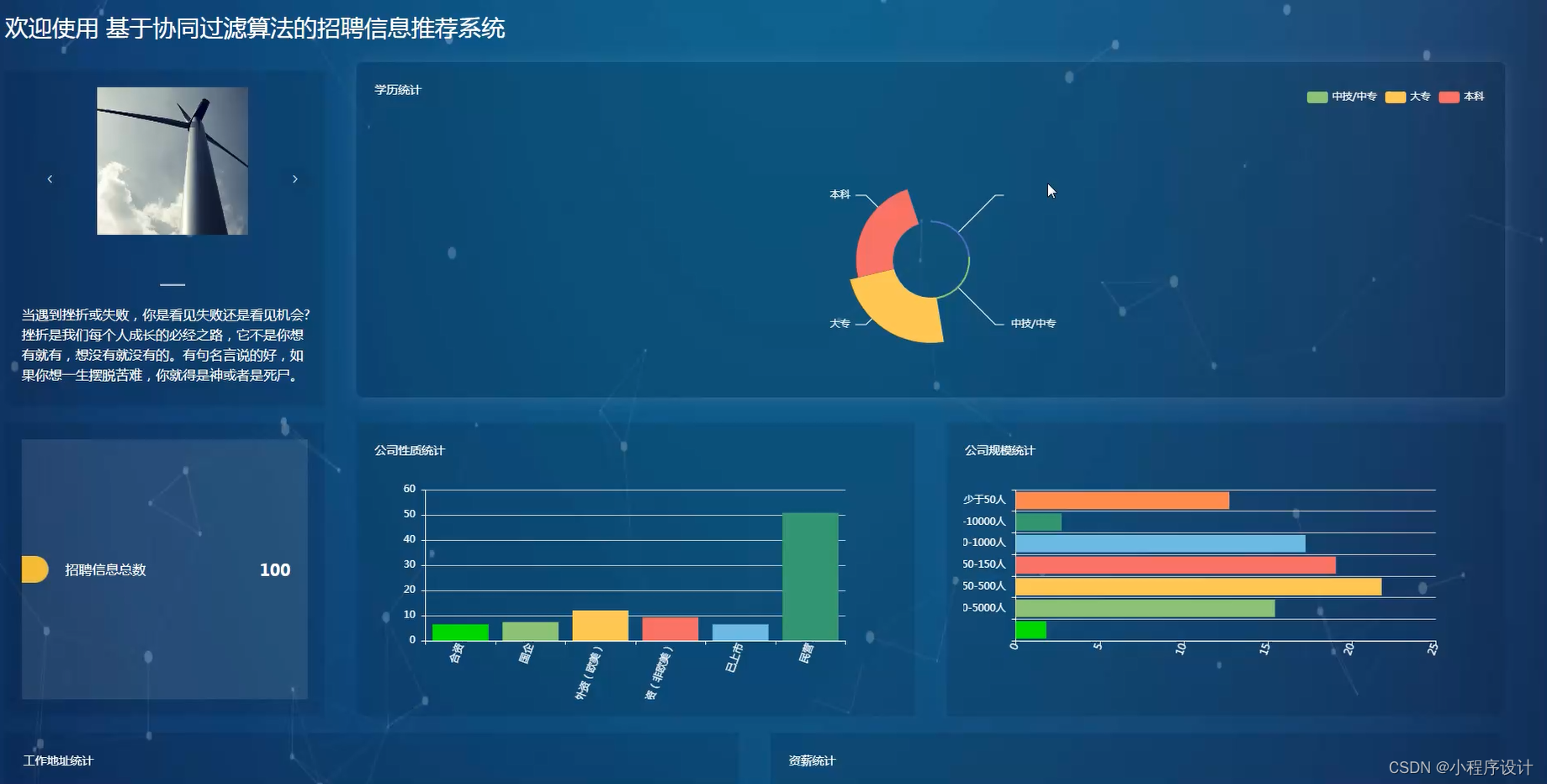
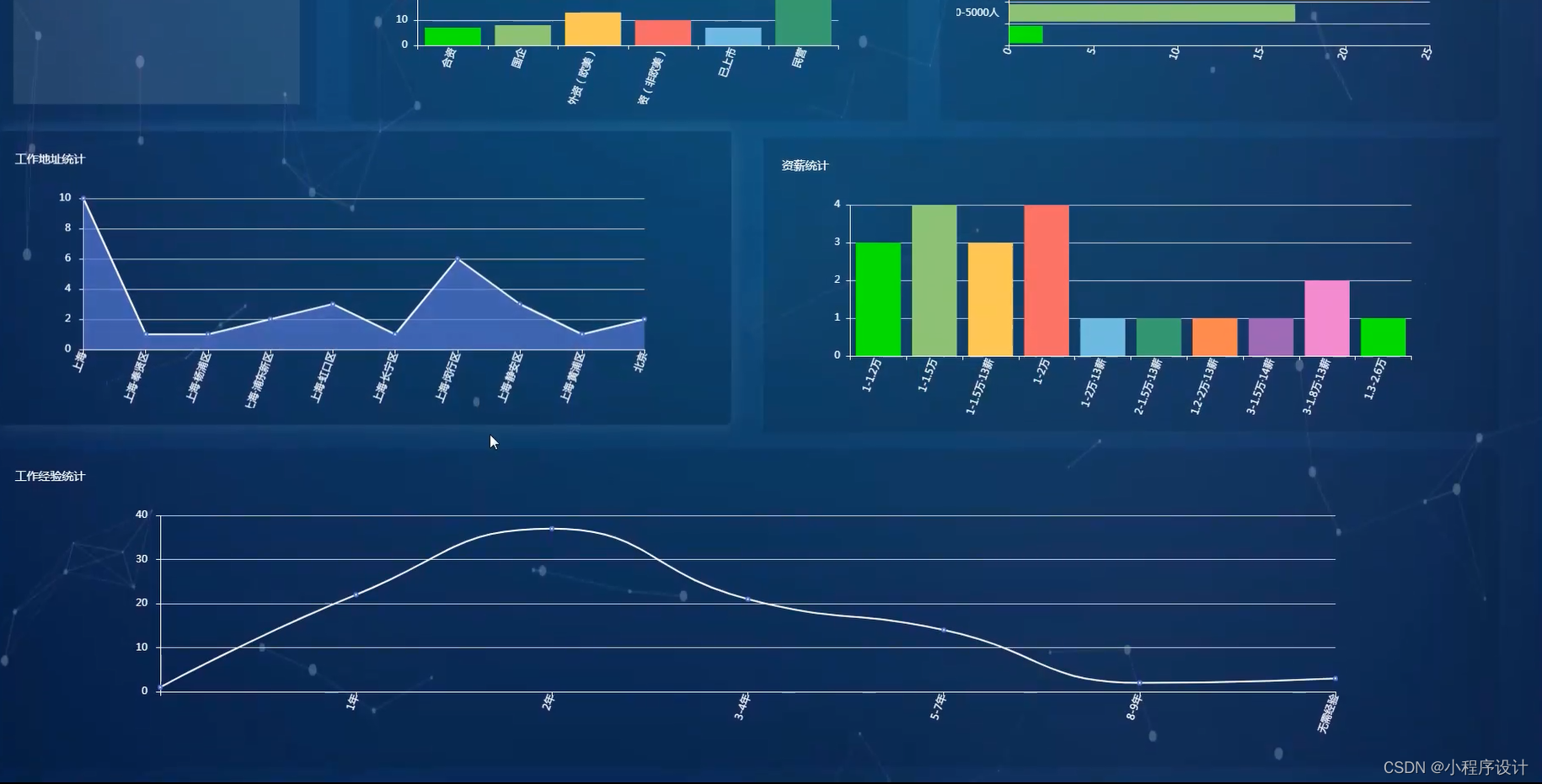
django基于协同过滤算法的招聘信息推荐系统
更专业的页面设计










 扫一扫
扫一扫


 937
937

 被折叠的 条评论
为什么被折叠?
被折叠的 条评论
为什么被折叠?
 到【灌水乐园】发言





