 CTMS系统维护挑战



 讨论了CTMS系统中由于设计缺陷导致的维护难题,特别是字段引用混乱问题及解决方案。
我写道
Tammy,
It was all my fault. I’m so sorry. But it was not caused by Person Type 2 – Again the CTMS framework is the offender.
As you can see, all the messed up fields look up Personnel info from the Personnel Entity(Table). There’s a defect in CTMS design: All referenced fields are referenced by the order in which they come in the screen, rather than their IDs.
So every time when you insert a new field, the order will change, and subsequently CTMS will reference different fields!
There’re 21 fields in total that reference Personnel info. I’ve adjusted all the referenced orders one by one. And it looks tidy again.
Sometimes maintaining CTMS is like tightening the screws…
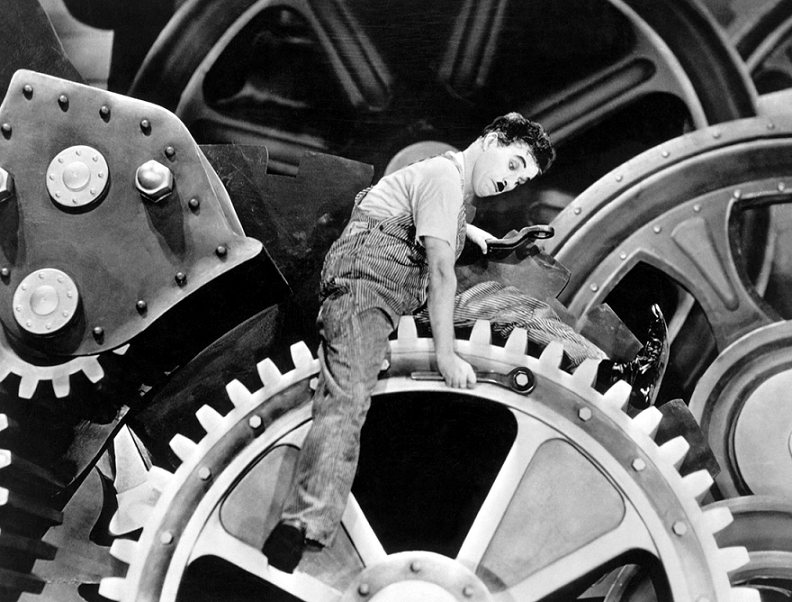
BTW, adding new fields in CTMS is NOT making program changes at all. I know every programmatic change must be approved by CCB.
Thanks,
S
It was all my fault. I’m so sorry. But it was not caused by Person Type 2 – Again the CTMS framework is the offender.
As you can see, all the messed up fields look up Personnel info from the Personnel Entity(Table). There’s a defect in CTMS design: All referenced fields are referenced by the order in which they come in the screen, rather than their IDs.
So every time when you insert a new field, the order will change, and subsequently CTMS will reference different fields!
There’re 21 fields in total that reference Personnel info. I’ve adjusted all the referenced orders one by one. And it looks tidy again.
Sometimes maintaining CTMS is like tightening the screws…
BTW, adding new fields in CTMS is NOT making program changes at all. I know every programmatic change must be approved by CCB.
Thanks,
S
Tammy写道
From: Tammy Jensen
Sent: Wednesday, March 17, 2010 11:44 PM
To: Sam Chen
Cc: Susan Hayes; Bonsita Seabrook; Meryl Poland; Zoe Garland; Jacqueline Robinson
Subject: RE: missing info in list
Importance: High
Sam, I think we might need to remove the Person Type 2 box and put it back to the way it was. It seems to be screwing everything up. See the screen shot below! When we try to go into any screen, the list, as well as drop down pick lists (I think Jacqueline sent you an email too) are all messed up now. It’s getting too complicated, because as Susan told me these are program changes that should not be being made. It’s messing things up. Susan said we need to have a big meeting to talk about all this here in the office. I agree.
Thanks, Tammy
Sent: Wednesday, March 17, 2010 11:44 PM
To: Sam Chen
Cc: Susan Hayes; Bonsita Seabrook; Meryl Poland; Zoe Garland; Jacqueline Robinson
Subject: RE: missing info in list
Importance: High
Sam, I think we might need to remove the Person Type 2 box and put it back to the way it was. It seems to be screwing everything up. See the screen shot below! When we try to go into any screen, the list, as well as drop down pick lists (I think Jacqueline sent you an email too) are all messed up now. It’s getting too complicated, because as Susan told me these are program changes that should not be being made. It’s messing things up. Susan said we need to have a big meeting to talk about all this here in the office. I agree.
Thanks, Tammy





 扫一扫
扫一扫


 1万+
1万+

 被折叠的 条评论
为什么被折叠?
被折叠的 条评论
为什么被折叠?
 到【灌水乐园】发言





