



 本文介绍了STL中用于排序的greater<T>()和less<T>()函数。这两个函数分别用于设置容器如map、set等的比较器,greater<T>()使得元素按降序排列,而less<T>()则保持默认的升序排列。
在构造map、set、multimap、multiset这些序列式容器时,默认按照key值来进行排序,比较器默认从小到大。在构造时加上greater<T> 会让容器的比较器按照key值从大到小排序,less<T>则相反。
#include<iostream>
#include<map>
#include<functional>
using namespace std;
int main() {
	map<int, string,greater<int>> fruits;
	fruits.insert(pair<int, string>(1, "apple"));
	fruits.insert(pair<int, string>(2, "orange"));
	fruits.insert(pair<int, string>(4, "banana"));
	fruits.insert(pair<int, string>(3, "peach"));
	for (auto i : fruits) {
		cout << i.first << " " << i.second << endl;
	}
	return 0;

}
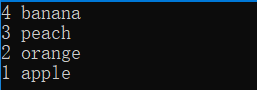
// STRUCT TEMPLATE greater
template <class _Ty = void>
struct greater {
     typedef _Ty first_argument_type;
     typedef _Ty second_argument_type;
     typedef bool result_type;

    constexpr bool operator()(const _Ty& _Left, const _Ty& _Right) const {
        return _Left > _Right;
    }
};

// STRUCT TEMPLATE less
template <class _Ty = void>
struct less {
     typedef _Ty first_argument_type;
     typedef _Ty second_argument_type;
     typedef bool result_type;

    constexpr bool operator()(const _Ty& _Left, const _Ty& _Right) const {
        return _Left < _Right;
    }
};```






 扫一扫
扫一扫


 972
972

 被折叠的 条评论
为什么被折叠?
被折叠的 条评论
为什么被折叠?
 到【灌水乐园】发言





