京东一面:MySQL 中的 distinct 和 group by 哪个效率更高?被问懵逼了!!

mysql中count(), group by, order by使用详解 mysql中order by 排序查询、asc升序、desc降序,group by 分组查询、having 只能用于group by子句、作用于组内,having条件子句可以直接跟函数表达式。使用group by 子句的查询语句需要使用聚合函数。 立即下载

👉 这是一个或许对你有用的社群

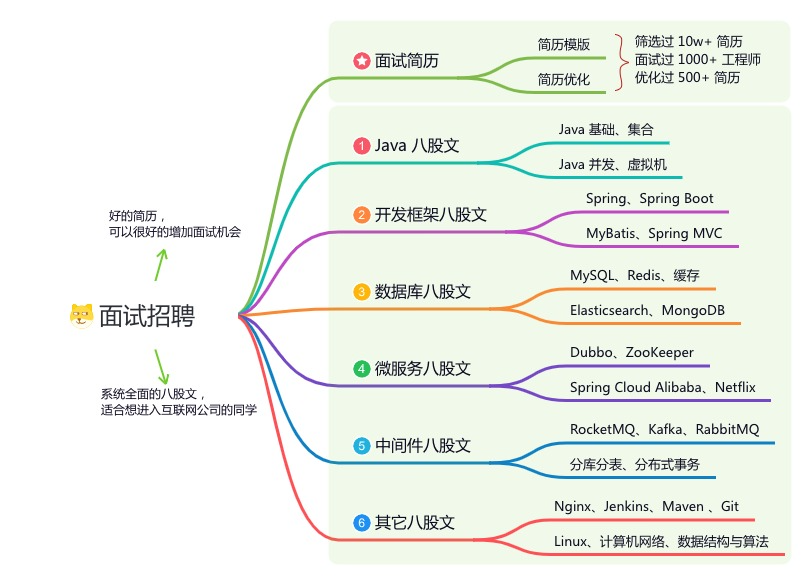
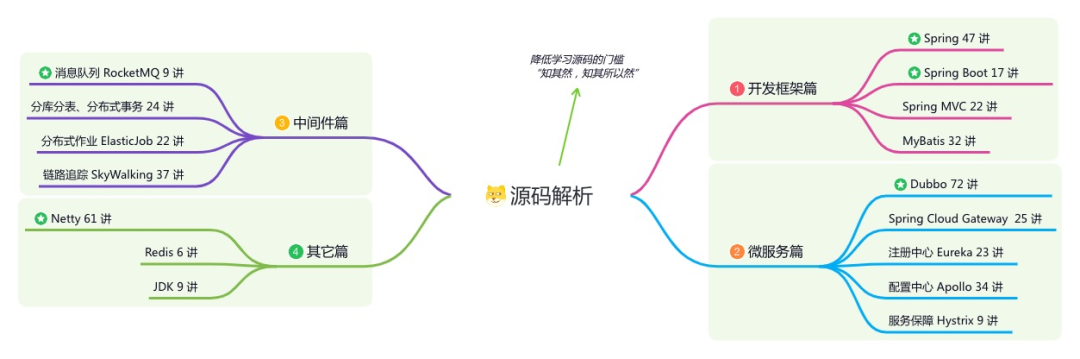
🐱 一对一交流/面试小册/简历优化/求职解惑,欢迎加入「芋道快速开发平台」知识星球。下面是星球提供的部分资料: 

058c6a6d0e5167a168d529a97b76ffdf.gif

👉这是一个或许对你有用的开源项目

国产 Star 破 10w+ 的开源项目,前端包括管理后台 + 微信小程序,后端支持单体和微服务架构。

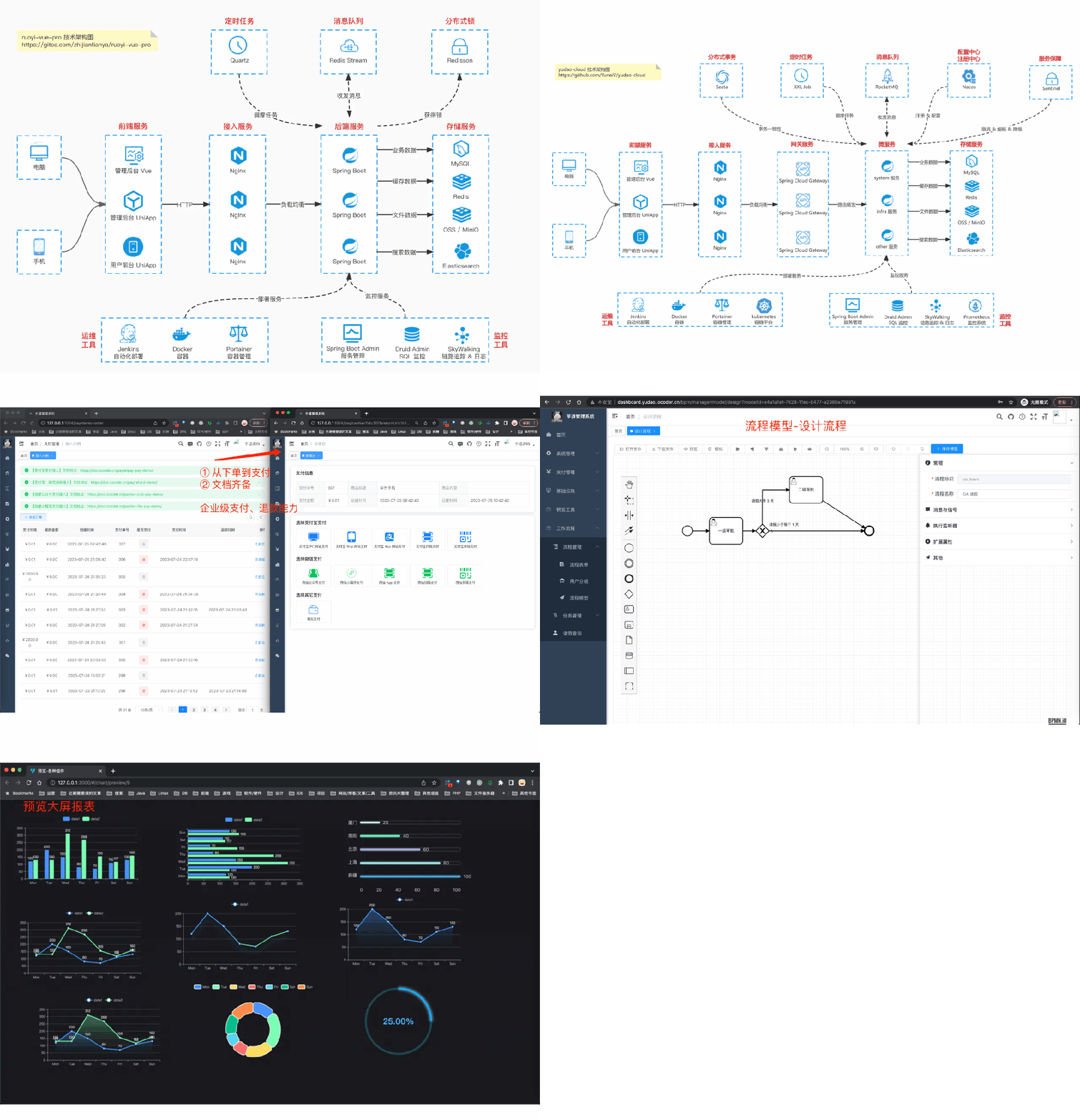
功能涵盖 RBAC 权限、SaaS 多租户、数据权限、商城、支付、工作流、大屏报表、微信公众号、CRM 等等功能:

  • Boot 仓库:https://gitee.com/zhijiantianya/ruoyi-vue-pro

  • Cloud 仓库:https://gitee.com/zhijiantianya/yudao-cloud

  • 视频教程:https://doc.iocoder.cn

【国内首批】支持 JDK 21 + SpringBoot 3.2.2、JDK 8 + Spring Boot 2.7.18 双版本 

来源:blog.youkuaiyun.com/weixin_42615847
/article/details/118342524


结论

先说大致的结论(完整结论在文末):

  • 在语义相同,有索引的情况下:group by和distinct都能使用索引,效率相同。

  • 在语义相同,无索引的情况下:distinct效率高于group by。原因是distinct 和 group by都会进行分组操作,但group by可能会进行排序,触发filesort,导致sql执行效率低下。

基于这个结论,你可能会问:

  • 为什么在语义相同,有索引的情况下,group by和distinct效率相同?

  • 在什么情况下,group by会进行排序操作?

带着这两个问题找答案。接下来,我们先来看一下distinct和group by的基础使用。

基于 Spring Boot + MyBatis Plus + Vue & Element 实现的后台管理系统 + 用户小程序,支持 RBAC 动态权限、多租户、数据权限、工作流、三方登录、支付、短信、商城等功能

  • 项目地址:https://github.com/YunaiV/ruoyi-vue-pro

  • 视频教程:https://doc.iocoder.cn/video/

distinct的使用

distinct用法
SELECT DISTINCT columns FROM table_name WHERE where_conditions;

例如:

mysql> select distinct age from student;
+------+
| age  |
+------+
|   10 |
|   12 |
|   11 |
| NULL |
+------+
4 rows in set (0.01 sec)

DISTINCT 关键词用于返回唯一不同的值。放在查询语句中的第一个字段前使用,且作用于主句所有列。

如果列具有NULL值,并且对该列使用DISTINCT子句,MySQL将保留一个NULL值,并删除其它的NULL值,因为DISTINCT子句将所有NULL值视为相同的值。

distinct多列去重

distinct多列的去重,则是根据指定的去重的列信息来进行,即只有所有指定的列信息都相同,才会被认为是重复的信息。

SELECT DISTINCT column1,column2 FROM table_name WHERE where_conditions;
mysql> select distinct sex,age from student;
+--------+------+
| sex    | age  |
+--------+------+
| male   |   10 |
| female |   12 |
| male   |   11 |
| male   | NULL |
| female |   11 |
+--------+------+
5 rows in set (0.02 sec)

基于 Spring Cloud Alibaba + Gateway + Nacos + RocketMQ + Vue & Element 实现的后台管理系统 + 用户小程序,支持 RBAC 动态权限、多租户、数据权限、工作流、三方登录、支付、短信、商城等功能

  • 项目地址:https://github.com/YunaiV/yudao-cloud

  • 视频教程:https://doc.iocoder.cn/video/

group by的使用

对于基础去重来说,group by的使用和distinct类似:

单列去重

语法:

SELECT columns FROM table_name WHERE where_conditions GROUP BY columns;

执行:

mysql> select age from student group by age;
+------+
| age  |
+------+
|   10 |
|   12 |
|   11 |
| NULL |
+------+
4 rows in set (0.02 sec)
多列去重

语法:

SELECT columns FROM table_name WHERE where_conditions GROUP BY columns;

执行:

mysql> select sex,age from student group by sex,age;
+--------+------+
| sex    | age  |
+--------+------+
| male   |   10 |
| female |   12 |
| male   |   11 |
| male   | NULL |
| female |   11 |
+--------+------+
5 rows in set (0.03 sec)
区别示例

两者的语法区别在于,group by可以进行单列去重,group by的原理是先对结果进行分组排序,然后返回每组中的第一条数据。且是根据group by的后接字段进行去重的。

例如:

mysql> select sex,age from student group by sex;
+--------+-----+
| sex    | age |
+--------+-----+
| male   |  10 |
| female |  12 |
+--------+-----+
2 rows in set (0.03 sec)

distinct和group by原理

在大多数例子中,DISTINCT可以被看作是特殊的GROUP BY,它们的实现都基于分组操作,且都可以通过松散索引扫描、紧凑索引扫描(关于索引扫描的内容会在其他文章中详细介绍,就不在此细致介绍了)来实现。

DISTINCT和GROUP BY都是可以使用索引进行扫描搜索的。例如以下两条sql(只单单看表格最后extra的内容),我们对这两条sql进行分析,可以看到,在extra中,这两条sql都使用了紧凑索引扫描Using index for group-by。

所以,在一般情况下,对于相同语义的DISTINCT和GROUP BY语句,我们可以对其使用相同的索引优化手段来进行优化。

mysql> explain select int1_index from test_distinct_groupby group by int1_index;
+----+-------------+-----------------------+------------+-------+---------------+---------+---------+------+------+----------+--------------------------+
| id | select_type | table                 | partitions | type  | possible_keys | key     | key_len | ref  | rows | filtered | Extra                    |
+----+-------------+-----------------------+------------+-------+---------------+---------+---------+------+------+----------+--------------------------+
|  1 | SIMPLE      | test_distinct_groupby | NULL       | range | index_1       | index_1 | 5       | NULL |  955 |   100.00 | Using index for group-by |
+----+-------------+-----------------------+------------+-------+---------------+---------+---------+------+------+----------+--------------------------+
1 row in set (0.05 sec)

mysql> explain select distinct int1_index from test_distinct_groupby;
+----+-------------+-----------------------+------------+-------+---------------+---------+---------+------+------+----------+--------------------------+
| id | select_type | table                 | partitions | type  | possible_keys | key     | key_len | ref  | rows | filtered | Extra                    |
+----+-------------+-----------------------+------------+-------+---------------+---------+---------+------+------+----------+--------------------------+
|  1 | SIMPLE      | test_distinct_groupby | NULL       | range | index_1       | index_1 | 5       | NULL |  955 |   100.00 | Using index for group-by |
+----+-------------+-----------------------+------------+-------+---------------+---------+---------+------+------+----------+--------------------------+
1 row in set (0.05 sec)

但对于GROUP BY来说,在MYSQL8.0之前,GROUP Y默认会依据字段进行隐式排序。

可以看到,下面这条sql语句在使用了临时表的同时,还进行了filesort。

mysql> explain select int6_bigger_random from test_distinct_groupby GROUP BY int6_bigger_random;
+----+-------------+-----------------------+------------+------+---------------+------+---------+------+-------+----------+---------------------------------+
| id | select_type | table                 | partitions | type | possible_keys | key  | key_len | ref  | rows  | filtered | Extra                           |
+----+-------------+-----------------------+------------+------+---------------+------+---------+------+-------+----------+---------------------------------+
|  1 | SIMPLE      | test_distinct_groupby | NULL       | ALL  | NULL          | NULL | NULL    | NULL | 97402 |   100.00 | Using temporary; Using filesort |
+----+-------------+-----------------------+------------+------+---------------+------+---------+------+-------+----------+---------------------------------+
1 row in set (0.04 sec)
隐式排序

对于隐式排序,我们可以参考Mysql官方的解释:

  • https://dev.mysql.com/doc/refman/5.7/en/order-by-optimization.html

GROUP BY implicitly sorts by default (that is, in the absence of ASC or DESC designators for GROUP BY columns). However, relying on implicit GROUP BY sorting (that is, sorting in the absence of ASC or DESC designators) or explicit sorting for GROUP BY (that is, by using explicit ASC or DESC designators for GROUP BY columns) is deprecated. To produce a given sort order, provide an ORDER BY clause.

大致解释一下:

GROUP BY 默认隐式排序(指在 GROUP BY 列没有 ASC 或 DESC 指示符的情况下也会进行排序)。然而,GROUP BY进行显式或隐式排序已经过时(deprecated)了,要生成给定的排序顺序,请提供 ORDER BY 子句。

所以,在Mysql8.0之前,Group by会默认根据作用字段(Group by的后接字段)对结果进行排序。在能利用索引的情况下,Group by不需要额外进行排序操作;但当无法利用索引排序时,Mysql优化器就不得不选择通过使用临时表然后再排序的方式来实现GROUP BY了。

且当结果集的大小超出系统设置临时表大小时,Mysql会将临时表数据copy到磁盘上面再进行操作,语句的执行效率会变得极低。这也是Mysql选择将此操作(隐式排序)弃用的原因。

基于上述原因,Mysql在8.0时,对此进行了优化更新:

  • https://dev.mysql.com/doc/refman/8.0/en/order-by-optimization.html

Previously (MySQL 5.7 and lower), GROUP BY sorted implicitly under certain conditions. In MySQL 8.0, that no longer occurs, so specifying ORDER BY NULL at the end to suppress implicit sorting (as was done previously) is no longer necessary. However, query results may differ from previous MySQL versions. To produce a given sort order, provide an ORDER BY clause.

大致解释一下:

从前(Mysql5.7版本之前),Group by会根据确定的条件进行隐式排序。在mysql 8.0中,已经移除了这个功能,所以不再需要通过添加order by null 来禁止隐式排序了,但是,查询结果可能与以前的 MySQL 版本不同。要生成给定顺序的结果,请按通过ORDER BY指定需要进行排序的字段。

因此,我们的结论也出来了:

  • 在语义相同,有索引的情况下:

group by和distinct都能使用索引,效率相同。因为group by和distinct近乎等价,distinct可以被看做是特殊的group by。

  • 在语义相同,无索引的情况下:

distinct效率高于group by。原因是distinct 和 group by都会进行分组操作,但group by在Mysql8.0之前会进行隐式排序,导致触发filesort,sql执行效率低下。

但从Mysql8.0开始,Mysql就删除了隐式排序,所以,此时在语义相同,无索引的情况下,group by和distinct的执行效率也是近乎等价的。

推荐group by的原因

  1. group by语义更为清晰

  2. group by可对数据进行更为复杂的一些处理

相比于distinct来说,group by的语义明确。且由于distinct关键字会对所有字段生效,在进行复合业务处理时,group by的使用灵活性更高,group by能根据分组情况,对数据进行更为复杂的处理,例如通过having对数据进行过滤,或通过聚合函数对数据进行运算。


欢迎加入我的知识星球,全面提升技术能力。

👉 加入方式,“长按”或“扫描”下方二维码噢:

4f94a822760e691216c58f1f69494344.png

星球的内容包括:项目实战、面试招聘、源码解析、学习路线。

6ce5c2bfd2c57c9c7eafcc051c313e6b.png

edf3987a25f101e8b56e066e32678c15.pngfb5b749464107e6352cf3251b250e580.png5a0f8e800f7558b500ab9f0dec8da7a6.pngdc9ec80f40b926733f2d07325f39317e.png

文章有帮助的话,在看,转发吧。
谢谢支持哟 (*^__^*)
STM32F103四位数码管动态显示实战:从硬件连接到代码调试(附Proteus仿真) 本文详细介绍了STM32F103驱动四位数码管的动态显示技术,从硬件连接到代码调试的全过程。内容包括共阴/共阳数码管的区别、GPIO配置、动态显示原理及优化方法,并附有Proteus仿真验证。通过实战案例,帮助开发者快速掌握STM32数码管动态显示的核心技术。 阅读详情

相关推荐

汇川伺服Modbus-RTU通讯实战:从帧结构解析到西门子PLC配置

本文详细解析了汇川伺服与西门子PLC通过Modbus-RTU协议进行通讯的实战步骤,包括帧结构解析、硬件连接、参数设置及PLC程序配置。通过具体案例和常见问题排查指南,帮助工程师快速掌握工业自动化中的通讯技术,提升设备调试效率。

weixin_33670713的博客 456

MySQL--Group by分组与count计数(进阶)

MySQL--Group by分组与count计数(进阶)1、Group by语法2、创建表格3、题目代码部分4、文末彩蛋      更多关于数据库知识请加关注哟~~。若需联系和想安装MySQL请加博主:      QQ:3327908431     &nbs...

L1542334210的博客 10万+

从零到一:Gromacs伞形采样的实战避坑指南

本文详细介绍了Gromacs伞形采样技术的实战应用与避坑指南,涵盖核心原理、环境准备、参数设置、数据分析及性能优化等关键环节。特别针对蛋白质-配体结合自由能计算等典型应用场景,提供了弹簧常数设置、采样窗口间距等实用参数建议,帮助研究人员高效完成分子动力学模拟。

weixin_29243279的博客 516

MySQL中的聚合函数_count()+分组函数_group...by+过滤条件_having

1、二级分组,直接加个逗号,跟着后面写就完事了2、select 中出现的 非组函数,必须声明在 group by 中。

加油 2743

qcc51xx如何配置spdif输入

qcc51xx如何配置spdif输入。

Alex_886的博客 1375

python123题目——个税计算器

类型:简单分支。

m0_62488776的博客 5805

mysql count group by_MySQL中使用count与group by 的统计问题

在日常开发过程中难免遇到分组去重的业务场景。比如说在门店几分流水表中统计一下各个门店的流水记录数据,包括流水记录总数和流水记录明细。那么问题来了!首先看表结构CREATE TABLE `shop_point` (`id` int(11) NOT NULL AUTO_INCREMENT,`shop_id` int(11) NOT NULL DEFAULT '0',`point` int(11) DE...

weixin_32446549的博客 1623

玩转RecyclerView | 实现子视图叠加 | 3D画廊效果 | 高级动效 | Android 3D坐标系介绍

之前写的一篇文章展示了RecyclerView实现的画廊效果,适用于专辑/图片/列表浏览效果。本篇文章阐述如何基于RecyclerView实现如下图所示的3D画廊效果。以下效果的重点在于实现子视图的图层叠加,滑动过程中的3D旋转效果较为简单。(1)无3D旋转效果图片(1)带3D旋转效果图片。

qq_38237224的博客 8159

count(), group by, order by

最近做IM的时候遇到一个问题,同时用到了这三个关键字。就是查询一个人的离线消息详情,我们服务端返回给客户端显示的这个详情包括了三个内容,第一个要求列出离线这段时间哪些人或者群给你发了消息,第二个这其中的某个人或者群发了多少条离线消息,第三个拿出最新的一条显示出来。很明显,group by分组哪些人或者群给你发了离线消息,count()得到离线消息数量,order by时间来排序拿出最新的消息。sel

Linux C/C++后台开发 1912

★教程2:fpga学习教程入门100例目录【含程序操作讲解视频】

★基础入门 1.FPGA开发软件安装

FPGA/MATLAB学习教程/源码/项目合作开发 7万+

多模态对齐方案

本文中我们介绍了 13 中常见的大型多模态模型(Large Multimodal Models, LMM),包括 BLIP-2,LLaVA、MiniGPT、Qwen-VL 以及 Ferret 等。最全 LMM 模型结构(13种)综述。单层linear投影、两层mlp。

liguandong 2087

京东一面:MySQL 中的 distinct 和 group by 哪个效率更高?

先说大致的结论(完整结论在文末):在语义相同,有索引的情况下by和distinct都能使用索引,效率相同。在语义相同,无索引的情况下:distinct效率高于group。原因是distinct 和 group by都会进行分组操作,但group by可能会进行排序,触发filesort,导致sql执行效率低下。基于这个结论,你可能会问:为什么在语义相同,有索引的情况下,group by和distinct效率相同?且在什么情况下,group by会进行排序操作?带着这两个问题找答案。

小赵的博客 1227

【图像去噪(Image Denoising)】关于【图像去噪】专栏的相关说明,包含适配人群、专栏简介、专栏亮点、阅读方法、定价理由、品质承诺、关于更新、去噪概述、文章目录、资料汇总、问题汇总(更新中)

你是否在全网苦寻【图像去噪(ImageDenoising)】的相关资料?你的目标是否是看懂【图像去噪(ImageDenoising)】的相关论文,复现代码,跑出结果,并试图创新?你是否需要发表【图像去噪(ImageDenoising)】的相关论文毕业?你是否需要做【图像去噪(ImageDenoising)】的相关项目,开发软件,研究算法,获得专利或者软著?只要是与【图像去噪(ImageDenoising)】有关的问题,那么请继续往下看。

主要更新底层视觉(去噪、超分等)相关的科研内容,形式为【论文精读】+【论文复现】 2万+

京东一面:MySQL 中的 distinct 和 group by 哪个效率更高?太刁钻了吧!

DISTINCT和GROUP BY都是可以使用索引进行扫描搜索的。例如以下两条sql(只单单看表格最后extra的内容),我们对这两条sql进行分析,可以看到,在extra中,这两条sql都使用了紧凑索引扫描。所以,在一般情况下,对于相同语义的DISTINCT和GROUP BY语句,我们可以对其使用相同的索引优化手段来进行优化。但对于GROUP BY来说,在MYSQL8.0之前,GROUP Y默认会依据字段进行隐式排序。可以看到,下面这条sql语句在使用了临时表的同时,还进行了filesort。

IT_1024的博客 766

深度学习工具包 DeepLearningToolbox

深度学习工具包Deprecation notice.-----This toolbox is outdated and no longer maintained.There are much better tools available for deep learning than this toolbox, e.g. [Theano](http://deeplearning.net/software/theano/), [torch](http://torch.ch/) or [tensorflow](http://www.tensorflow.org/)I would suggest you use one of the tools mentioned above rather than use this toolbox.Best, Rasmus.DeepLearnToolbox================A Matlab toolbox for Deep Learning.Deep Learning is a new subfield of machine learning that focuses on learning deep hierarchical models of data.It is inspired by the human brain's apparent deep (layered, hierarchical) architecture.A good overview of the theory of Deep Learning theory is[Learning Deep Architectures for AI](http://www.iro.umontreal.ca/~bengioy/papers/ftml_book.pdf)For a more informal introduction, see the following videos by Geoffrey Hinton and Andrew Ng.* [The Next Generation of Neural Networks](http://www.youtube.com/watch?v=AyzOUbkUf3M) (Hinton, 2007)* [Recent Developments in Deep Learning](http://www.youtube.com/watch?v=VdIURAu1-aU) (Hinton, 2010)* [Unsupervised Feature Learning and Deep Learning](http://www.youtube.com/watch?v=ZmNOAtZIgIk) (Ng, 2011)If you use this toolbox in your research please cite [Prediction as a candidate for learning deep hierarchical models of data](http://www2.imm.dtu.dk/pubdb/views/publication_details.php?id=6284)```@MASTERSTHESIS\{IMM2012-06284, author = "R. B. Palm", title = "Prediction as a candidate for learning deep hierarchical models of data", year = "2012",}```Contact: rasmusbergpalm at gmail dot comDirectories included in the toolbox-----------------------------------`NN/` - A library for Feedforward Backpropagation Neural Networks`CNN/` - A library for Convolutional Neural Networks`DBN/` - A library for Deep Belief Networks`SAE/` - A library for Stacked Auto-Encoders`CAE/` - A library for Convolutional Auto-Encoders`util/` - Utility functions used by the libraries`data/` - Data used by the examples`tests/` - unit tests to verify toolbox is workingFor references on each library check REFS.mdSetup-----1. Download.2. addpath(genpath('DeepLearnToolbox'));Example: Deep Belief Network---------------------```matlabfunction test_example_DBNload mnist_uint8;train_x = double(train_x) / 255;test_x = double(test_x) / 255;train_y = double(train_y);test_y = double(test_y);%% ex1 train a 100 hidden unit RBM and visualize its weightsrand('state',0)dbn.sizes = [100];opts.numepochs = 1;opts.batchsize = 100;opts.momentum = 0;opts.alpha = 1;dbn = dbnsetup(dbn, train_x, opts);dbn = dbntrain(dbn, train_x, opts);figure; visualize(dbn.rbm{1}.W'); % Visualize the RBM weights%% ex2 train a 100-100 hidden unit DBN and use its weights to initialize a NNrand('state',0)%train dbndbn.sizes = [100 100];opts.numepochs = 1;opts.batchsize = 100;opts.momentum = 0;opts.alpha = 1;dbn = dbnsetup(dbn, train_x, opts);dbn = dbntrain(dbn, train_x, opts);%unfold dbn to nnnn = dbnunfoldtonn(dbn, 10);nn.activation_function = 'sigm';%train nnopts.numepochs = 1;opts.batchsize = 100;nn = nntrain(nn, train_x, train_y, opts);[er, bad] = nntest(nn, test_x, test_y);assert(er < 0.10, 'Too big error');```Example: Stacked Auto-Encoders---------------------```matlabfunction test_example_SAEload mnist_uint8;train_x = double(train_x)/255;test_x = double(test_x)/255;train_y = double(train_y);test_y = double(test_y);%% ex1 train a 100 hidden unit SDAE and use it to initialize a FFNN% Setup and train a stacked denoising autoencoder (SDAE)rand('state',0)sae = saesetup([784 100]);sae.ae{1}.activation_function = 'sigm';sae.ae{1}.learningRate = 1;sae.ae{1}.inputZeroMaskedFraction = 0.5;opts.numepochs = 1;opts.batchsize = 100;sae = saetrain(sae, train_x, opts);visualize(sae.ae{1}.W{1}(:,2:end)')% Use the SDAE to initialize a FFNNnn = nnsetup([784 100 10]);nn.activation_function = 'sigm';nn.learningRate = 1;nn.W{1} = sae.ae{1}.W{1};% Train the FFNNopts.numepochs = 1;opts.batchsize = 100;nn = nntrain(nn, train_x, train_y, opts);[er, bad] = nntest(nn, test_x, test_y);assert(er < 0.16, 'Too big error');```Example: Convolutional Neural Nets---------------------```matlabfunction test_example_CNNload mnist_uint8;train_x = double(reshape(train_x',28,28,60000))/255;test_x = double(reshape(test_x',28,28,10000))/255;train_y = double(train_y');test_y = double(test_y');%% ex1 Train a 6c-2s-12c-2s Convolutional neural network %will run 1 epoch in about 200 second and get around 11% error. %With 100 epochs you'll get around 1.2% errorrand('state',0)cnn.layers = { struct('type', 'i') %input layer struct('type', 'c', 'outputmaps', 6, 'kernelsize', 5) %convolution layer struct('type', 's', 'scale', 2) %sub sampling layer struct('type', 'c', 'outputmaps', 12, 'kernelsize', 5) %convolution layer struct('type', 's', 'scale', 2) %subsampling layer};cnn = cnnsetup(cnn, train_x, train_y);opts.alpha = 1;opts.batchsize = 50;opts.numepochs = 1;cnn = cnntrain(cnn, train_x, train_y, opts);[er, bad] = cnntest(cnn, test_x, test_y);%plot mean squared errorfigure; plot(cnn.rL);assert(er<0.12, 'Too big error');```Example: Neural Networks---------------------```matlabfunction test_example_NNload mnist_uint8;train_x = double(train_x) / 255;test_x = double(test_x) / 255;train_y = double(train_y);test_y = double(test_y);% normalize[train_x, mu, sigma] = zscore(train_x);test_x = normalize(test_x, mu, sigma);%% ex1 vanilla neural netrand('state',0)nn = nnsetup([784 100 10]);opts.numepochs = 1; % Number of full sweeps through dataopts.batchsize = 100; % Take a mean gradient step over this many samples[nn, L] = nntrain(nn, train_x, train_y, opts);[er, bad] = nntest(nn, test_x, test_y);assert(er < 0.08, 'Too big error');%% ex2 neural net with L2 weight decayrand('state',0)nn = nnsetup([784 100 10]);nn.weightPenaltyL2 = 1e-4; % L2 weight decayopts.numepochs = 1; % Number of full sweeps through dataopts.batchsize = 100; % Take a mean gradient step over this many samplesnn = nntrain(nn, train_x, train_y, opts);[er, bad] = nntest(nn, test_x, test_y);assert(er < 0.1, 'Too big error');%% ex3 neural net with dropoutrand('state',0)nn = nnsetup([784 100 10]);nn.dropoutFraction = 0.5; % Dropout fraction opts.numepochs = 1; % Number of full sweeps through dataopts.batchsize = 100; % Take a mean gradient step over this many samplesnn = nntrain(nn, train_x, train_y, opts);[er, bad] = nntest(nn, test_x, test_y);assert(er < 0.1, 'Too big error');%% ex4 neural net with sigmoid activation functionrand('state',0)nn = nnsetup([784 100 10]);nn.activation_function = 'sigm'; % Sigmoid activation functionnn.learningRate = 1; % Sigm require a lower learning rateopts.numepochs = 1; % Number of full sweeps through dataopts.batchsize = 100; % Take a mean gradient step over this many samplesnn = nntrain(nn, train_x, train_y, opts);[er, bad] = nntest(nn, test_x, test_y);assert(er < 0.1, 'Too big error');%% ex5 plotting functionalityrand('state',0)nn = nnsetup([784 20 10]);opts.numepochs = 5; % Number of full sweeps through datann.output = 'softmax'; % use softmax outputopts.batchsize = 1000; % Take a mean gradient step over this many samplesopts.plot = 1; % enable plottingnn = nntrain(nn, train_x, train_y, opts);[er, bad] = nntest(nn, test_x, test_y);assert(er < 0.1, 'Too big error');%% ex6 neural net with sigmoid activation and plotting of validation and training error% split training data into training and validation datavx = train_x(1:10000,:);tx = train_x(10001:end,:);vy = train_y(1:10000,:);ty = train_y(10001:end,:);rand('state',0)nn = nnsetup([784 20 10]); nn.output = 'softmax'; % use softmax outputopts.numepochs = 5; % Number of full sweeps through dataopts.batchsize = 1000; % Take a mean gradient step over this many samplesopts.plot = 1; % enable plottingnn = nntrain(nn, tx, ty, opts, vx, vy); % nntrain takes validation set as last two arguments (optionally)[er, bad] = nntest(nn, test_x, test_y);assert(er < 0.1, 'Too big error');```[![Bitdeli Badge](https://d2weczhvl823v0.cloudfront.net/rasmusbergpalm/deeplearntoolbox/trend.png)](https://bitdeli.com/free "Bitdeli Badge")

蓝牙模块HM-10手册

蓝牙模块HM-10手册,该手册对蓝牙模块HM-10进行了详细的介绍和使用方法以及一些AT指令。

京东一面:MySQL 中的 distinct 和 group by 哪个效率更高?问倒一大遍。。

先说大致的结论(完整结论在文末): 在语义相同,有索引的情况下:group by和distinct都能使用索引,效率相同。 在语义相同,无索引的情况下:distinct效率高于group by。原因是distinct 和 group by都会进行分组操作,但group by可能会进行排序,触发filesort,导致sql执行效率低下。 基于这个结论,你可能会问: 为什么在语义相同,有索引的情况下,group by和distinct效率相同? 在什么情况下,group by会进行排序操作? 带着这

Java技术栈,分享最主流的Java技术 496

ET2012新版免狗免安装绿色软件

ET2012新版免狗免安祖昂绿色软件。,新界面,新视觉,

京东:MySQL 中的 distinct 和 group by 哪个效率更高?太刁钻!

来源:blog.youkuaiyun.com/weixin_42615847/article/details/118342524结论distinct的使用group by的使用distinct和group by原理推荐group by的原因结论先说大致的结论(完整结论在文末):在语义相同,有索引的情况下:group by和distinct都能使用索引,效率相同。在语义相同,无索引的情况下:distinct效率...

码农code之路 679

大中型超市收银系统(可直接运行)

光步前台收银系统系统功能:商品销售、商品退货、挂单、收银员权限、会员销售、单品取消、整单取消、商品查询、脱机销售、脱机数据上传,基本资料下载,开钱箱、小票打印、收款结算,支持多币种付款方式(现金、储值卡、礼券、微信等),支持多种促销。运行环境:.net 4.0登陆信息用户名:1001 密码:123456内置商品信息,商品编码可输入00001000 - 00010000,测试效果相关功能键F5 结算 F9挂单 F11商品查询 F8退货 Insert单品取消 Del整单取消 F12开钱箱F2 会员 Ctrl+Z退出系统 Home 锁屏 相关源码待公开

京东一面:MySQL 中的 distinct 和 group by 哪个效率更高

京东一面:MySQL 中的 distinct 和 group by 哪个效率更高

weixin_42491646的博客 159

京东:MySQL 中的distinct和group by哪个效率更高?太刁钻!

往期热门文章: 1、分库分表也没吹的那么神…… 这 7 个问题难以解决 2、发现一款JSON可视化工具神器,惊艳了! 3、代码更新不停机:Spring Boot应用实现零停机更新! 4、服务down机了,线程池中的数据如何保证不丢失? 5、Guava的这些骚操作,让我的代码量减少了50%来源:blog.youkuaiyun.com/weixin_42615847/article/details/118342...

Java后端技术 479
上一篇: 《黑神话 . 悟空》员工工资收入曝光
下一篇: 看看人家那后端 API 接口写的,那叫一个优雅!
公众号-芋道源码
博客等级 码龄10年 1634粉丝 377原创
评论
成就一亿技术人!
拼手气红包6.0元
还能输入1000个字符
 
 条评论被折叠 查看
添加红包

请填写红包祝福语或标题

个

红包个数最小为10个

元

红包金额最低5元

当前余额3.43元 前往充值 >
需支付:10.00元
成就一亿技术人!
领取后你会自动成为博主和红包主的粉丝 规则
hope_wisdom
发出的红包
实付元
使用余额支付
点击重新获取
扫码支付
钱包余额 0

抵扣说明:

1.余额是钱包充值的虚拟货币,按照1:1的比例进行支付金额的抵扣。
2.余额无法直接购买下载,可以购买VIP、付费专栏及课程。

余额充值