一、组件通信为何如此重要?
在大型Vue项目中,组件通信如同神经网络般贯穿整个应用。良好的通信机制能:
✅ 实现组件解耦
✅ 提升代码可维护性
✅ 构建清晰数据流
✅ 支撑复杂业务场景
二、父子组件通信:核心通信模式详解
2.1 Props向下传递(类型安全的典范)
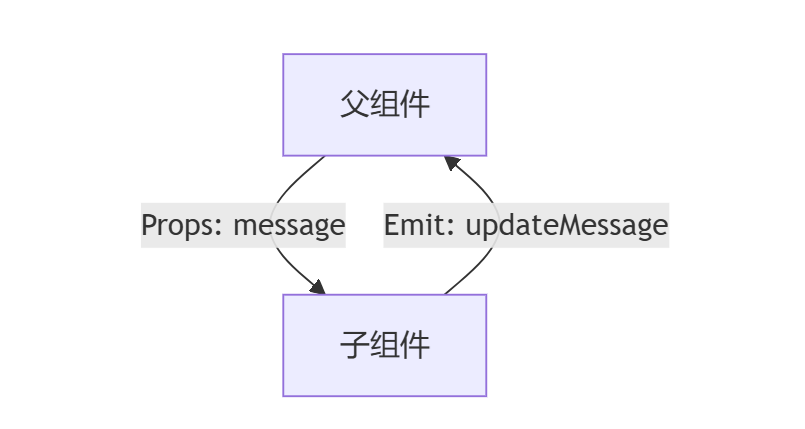
| <!-- 子组件 Child.vue --> |
| <script setup> |
| const props = defineProps({ |
| // 基础类型验证 |
| message: { |
| type: String, |
| required: true, |
| default: '默认值' |
| }, |
| // 复杂类型验证 |
| config: { |
| type: Object, |
| default: () => ({ theme: 'dark' }) |
| } |
| }) |
| </script> |
| |
| <template> |
| <div>{{ message }}</div> |
| </template> |
使用要点:
- 严格类型校验避免运行时错误
- 通过default设置智能默认值
- 使用TypeScript时可获得更强的类型推导
2.2 自定义事件向上传递(含事件命名规范)
| <!-- 父组件 Parent.vue --> |
| <template> |
| <Child @update:count="handleCountChange" /> |
| </template> |
| |
| <script setup> |
| const handleCountChange = (newVal) => { |
| console.log('Received:', newVal) |
| } |
| </script> |
开发技巧:
- 采用
update:propName的命名规范 - 事件参数不超过3个时推荐对象传参
- 配合TypeScript进行类型声明
- 避免过度使用事件总线替代原生事件
三、兄弟组件通信的三种高阶方案
3.1 父组件中转(适合强关联组件)
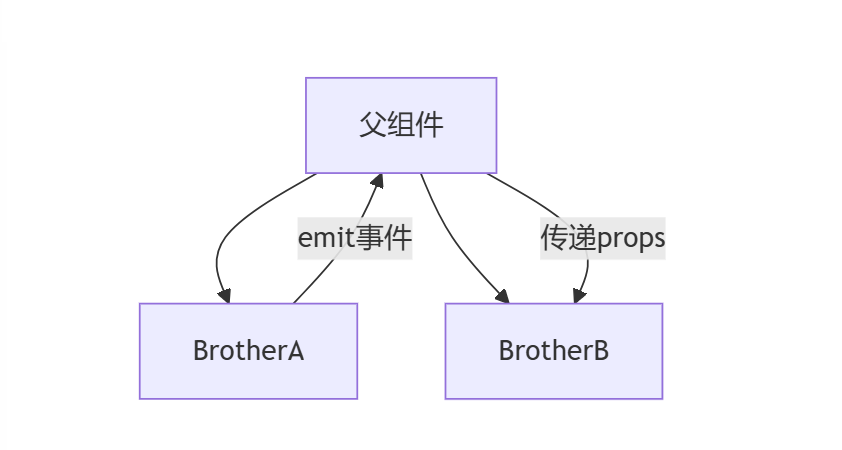
| <!-- 父组件 --> |
| <template> |
| <BrotherA @data-change="handleDataChange" /> |
| <BrotherB :shared-data="sharedData" /> |
| </template> |
| |
| <script setup> |
| import { ref } from 'vue' |
| const sharedData = ref() |
| |
| const handleDataChange = (data) => { |
| sharedData.value = data |
| } |
| </script> |
适用场景:
3.2 mitt事件总线(轻量级解耦方案)
| // eventBus.js |
| import mitt from 'mitt' |
| export const emitter = mitt() |
| <!-- 组件A --> |
| <script setup> |
| import { emitter } from './eventBus.js' |
| const sendData = () => { |
| emitter.emit('brother-event', { id: 1 }) |
| } |
| </script> |
| <!-- 组件B --> |
| <script setup> |
| import { onMounted } from 'vue' |
| import { emitter } from './eventBus.js' |
| |
| onMounted(() => { |
| emitter.on('brother-event', (data) => { |
| console.log('Received:', data) |
| }) |
| }) |
| </script> |
注意事项:
⚠️ 及时移除事件监听
⚠️ 避免事件命名冲突
⚠️ 不适合高频事件场景
四、跨层级通信:4种进阶方案深度解析
4.1 provide/inject(响应性穿透)
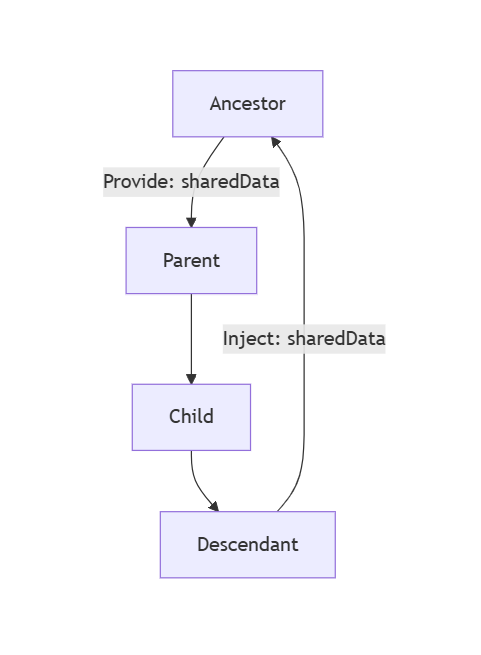
| <!-- 祖先组件 --> |
| <script setup> |
| import { provide, ref } from 'vue' |
| |
| const theme = ref('dark') |
| provide('Theme', theme) |
| </script> |
| <!-- 后代组件 --> |
| <script setup> |
| import { inject } from 'vue' |
| |
| const theme = inject('Theme', 'light') // 默认值 |
| </script> |
应用场景:
性能优化:
- 使用Symbol作为注入key避免命名冲突
- 配合reactive使用保持响应性
4.2 attrs穿透(属性透传)
| <!-- 父组件 --> |
| <template> |
| <ChildComponent :style="{ color: 'red' }" @custom-event="handler" /> |
| </template> |
| <!-- 子组件 --> |
| <script setup> |
| const props = defineProps({ |
| // 可以接收到所有非props属性 |
| }) |
| const emit = defineEmits(['custom-event']) |
| </script> |
| |
| <template> |
| <GrandChild v-bind="$attrs" @click="$emit('custom-event')" /> |
| </template> |
4.3 插槽内容通信(作用域插槽)
| <!-- 父组件 --> |
| <template> |
| <ChildComponent v-slot="{ data }"> |
| <div>{{ data.value }}</div> |
| </ChildComponent> |
| </template> |
| <!-- 子组件 --> |
| <script setup> |
| const data = ref({ value: 42 }) |
| </script> |
| |
| <template> |
| <slot :data="data"></slot> |
| </template> |
4.4 Pinia状态管理(推荐复杂场景)_ 在后续文章中会详细介绍
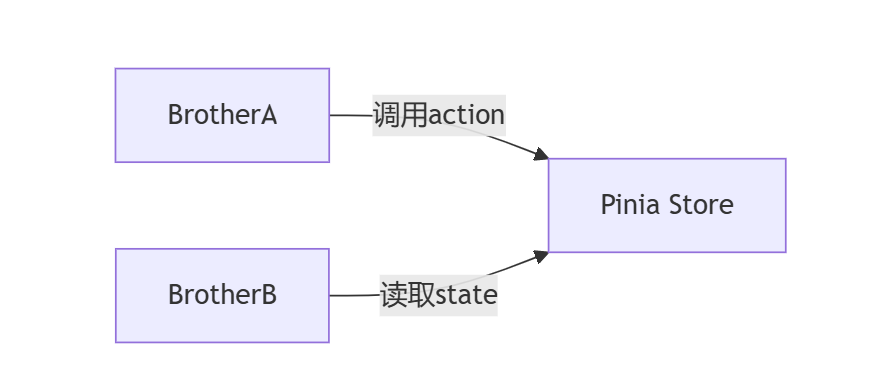
| // stores/counter.js |
| import { defineStore } from 'pinia' |
| |
| export const useCounterStore = defineStore('counter', { |
| state: () => ({ count: 0 }), |
| actions: { |
| increment() { |
| this.count++ |
| } |
| } |
| }) |
| <!-- 任意组件 --> |
| <script setup> |
| import { useCounterStore } from '@/stores/counter' |
| const counter = useCounterStore() |
| </script> |
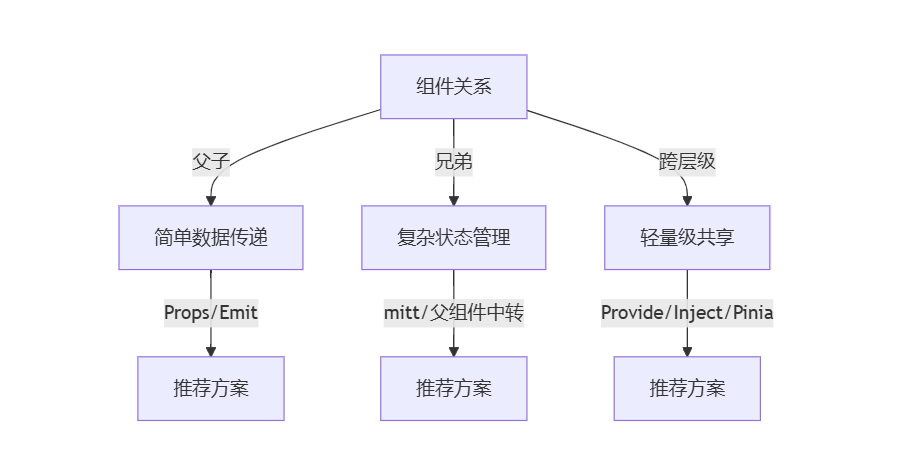
五、通信方案选型决策树
六、性能优化与常见陷阱
1. props深度监听优化
| watch(() => props.config, (newVal) => { |
| // 处理逻辑 |
| }, { deep: true }) |
2. 事件总线内存泄漏预防
| // 组件卸载时移除监听 |
| onUnmounted(() => { |
| emitter.off('event-name', handler) |
| }) |
3. 避免不必要的响应性丢失
| // 错误示例 |
| provide('key', reactive({ count: 0 })) |
| |
| // 正确示例 |
| const state = reactive({ count: 0 }) |
| provide('key', state) |
七、总结与建议
| 场景类型 | 推荐方案 | 复杂度 |
|---|
| 简单父子通信 | Props/Events | ★☆☆ |
| 跨层级共享 | provide/inject | ★★☆ |
| 全局状态管理 | Pinia | ★★★ |
| 非关系组件通信 | mitt事件总线 | ★★☆ |
作者建议:在项目初期优先使用props/events,随着业务复杂度提升逐步引入状态管理方案。避免过早优化,保持代码简洁性与可维护性的平衡。
转载出处:https://www.cnblogs.com/proer-blog/p/18742250
行业拓展
分享一个面向研发人群使用的前后端分离的低代码软件——JNPF。
基于 Java Boot/.Net Core双引擎,它适配国产化,支持主流数据库和操作系统,提供五十几种高频预制组件,内置了常用的后台管理系统使用场景和实用模版,通过简单的拖拉拽操作,开发者能够高效完成软件开发,提高开发效率,减少代码编写工作。
JNPF基于SpringBoot+Vue.js,提供了一个适合所有水平用户的低代码学习平台,无论是有经验的开发者还是编程新手,都可以在这里找到适合自己的学习路径。
此外,JNPF支持全源码交付,完全支持根据公司、项目需求、业务需求进行二次改造开发或内网部署,具备多角色门户、登录认证、组织管理、角色授权、表单设计、流程设计、页面配置、报表设计、门户配置、代码生成工具等开箱即用的在线服务。





 扫一扫
扫一扫


 2734
2734

 被折叠的 条评论
为什么被折叠?
被折叠的 条评论
为什么被折叠?
 到【灌水乐园】发言





