ISCC之Re1

IDA打开,调试选ELF,跟踪main函数
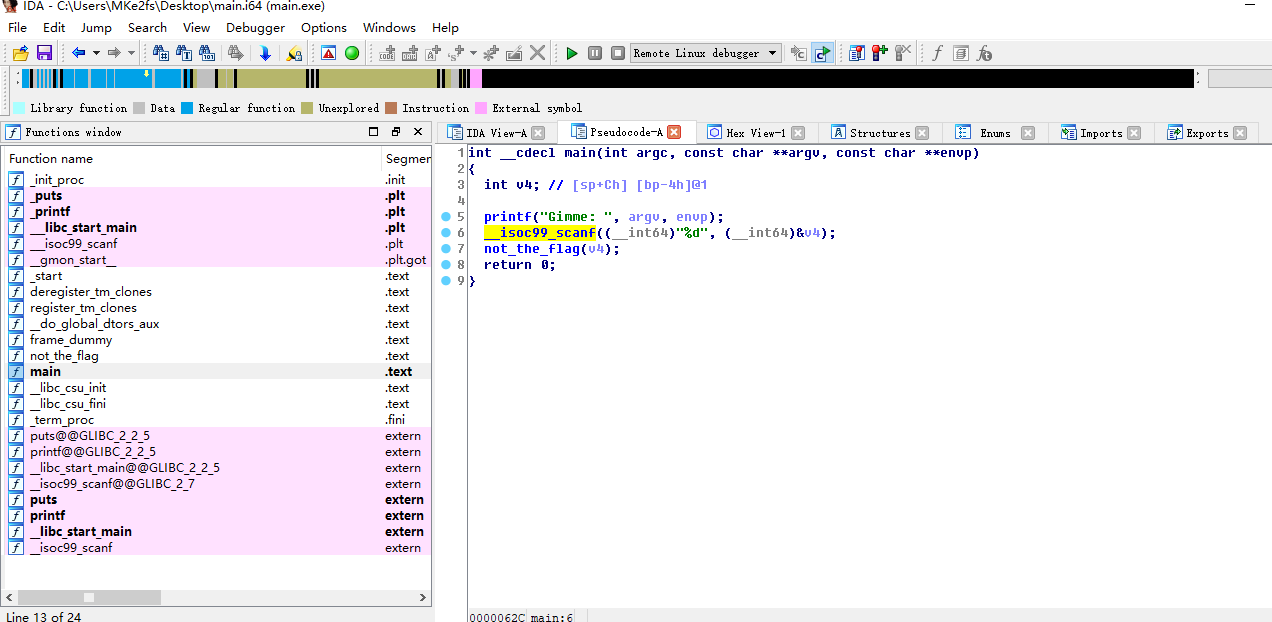
发现有一个not_the_flag函数,跟进去

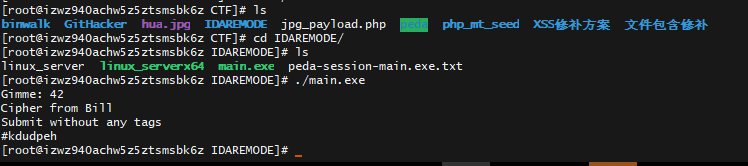
这里判断了一下a1的值是否为42,大致判断引号里面的有可能是flag,直接放到Linux下运行
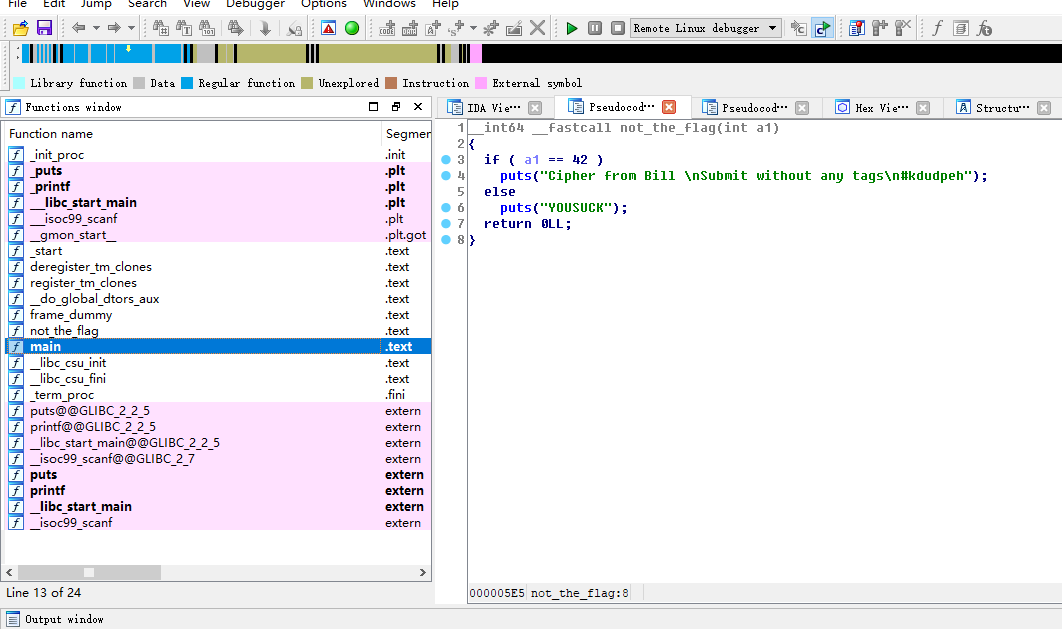
提交不要有任何的标签这句话,由此判断#后面的应该就是flag,但是提交发现是错误的

再一看题目,开头的sha1引起我的注意,于是经过多次尝试后,提交成功

FLAG

ISCC{80ee2a3fe31da904c596d993f7f1de4827c1450a}

转载于:https://www.cnblogs.com/mke2fs/p/10803906.html

03-18
### ISCC (International Standard Content Code) Overview The International Standard Content Code (ISCC) is a standard designed to uniquely identify digital content objects, facilitating their management and distribution across various platforms. Unlike the **International Symposium on Computer Architecture (ISCA)**[^1], which focuses on advancements in computer architecture research, ISCC serves as an identifier system for multimedia assets such as audio, video, images, and text. #### Purpose of ISCC The primary purpose of ISCC is to provide a standardized method for generating unique identifiers that can be used to track, manage, and protect intellectual property rights associated with digital content. This ensures interoperability between different systems while maintaining consistency in metadata representation[^2]. #### Components of ISCC An ISCC code typically consists of four components: 1. **Header**: Identifies the type of media being encoded. 2. **Descriptor**: Contains descriptive information about the content. 3. **Fingerprint**: A cryptographic hash derived from the file's binary data, ensuring uniqueness even when files are altered slightly. 4. **Metadata Hash**: Represents additional attributes like authorship or licensing details. These elements work together to create comprehensive yet concise representations suitable for both human readership and machine processing purposes. #### Applications of ISCC Some common applications include copyright protection schemes where creators attach licenses directly linked via these codes; search engines utilizing them during indexing processes so users find exact matches more efficiently than traditional keyword searches alone would allow; also within blockchain technologies enabling decentralized storage solutions without losing traceability over time due to network changes etcetera. ```python import hashlib def generate_iscc_fingerprint(file_path): sha256_hash = hashlib.sha256() with open(file_path,"rb") as f: # Read and update hash string value in blocks of 4K for byte_block in iter(lambda: f.read(4096),b""): sha256_hash.update(byte_block) return sha256_hash.hexdigest() file_name = 'example.mp4' print(f"Fingerprint for {file_name}: {generate_iscc_fingerprint(file_name)}") ``` This Python snippet demonstrates how one might compute part of an ISCC fingerprint by hashing a given input file using SHA-256 algorithm—a widely accepted practice among developers implementing similar standards today.
评论
添加红包

请填写红包祝福语或标题

红包个数最小为10个

红包金额最低5元

当前余额3.43前往充值 >
需支付:10.00
成就一亿技术人!
领取后你会自动成为博主和红包主的粉丝 规则
hope_wisdom
发出的红包
实付
使用余额支付
点击重新获取
扫码支付
钱包余额 0

抵扣说明:

1.余额是钱包充值的虚拟货币,按照1:1的比例进行支付金额的抵扣。
2.余额无法直接购买下载,可以购买VIP、付费专栏及课程。

余额充值