


一.什么是装箱?什么是拆箱?
Java为每种基本数据类型都提供了对应的包装器类型。
在Java SE5之前,如果要生成一个数值为10的Integer对象,必须这样进行:
Integer i = new Integer(10);
而在从Java SE5开始就提供了自动装箱的特性,如果要生成一个数值为10的Integer对象,只需要这样就可以了:
Integer i = 10;
这个过程中会自动根据数值创建对应的 Integer对象,这就是装箱。
那什么是拆箱呢?顾名思义,跟装箱对应,就是自动将包装器类型转换为基本数据类型:
Integer i = 10; //装箱
int n = i; //拆箱
简单一点说,装箱就是自动将基本数据类型转换为包装器类型;拆箱就是自动将包装器类型转换为基本数据类型。

二.装箱和拆箱是如何实现的?
我们就以Interger类为例
public class Main {
    public Main() {
    }

    public static void main(String[] args) {
        Integer i = 10;
        int n = i;
        System.out.println(i);
        System.out.println(n);
    }
}
反编译
在out文件夹下,找到类所在的文件,然后找到改类名扩展名为class的文件,打开,然后点击Terminal,在控制台输入javap 复制找到的文件的路径。
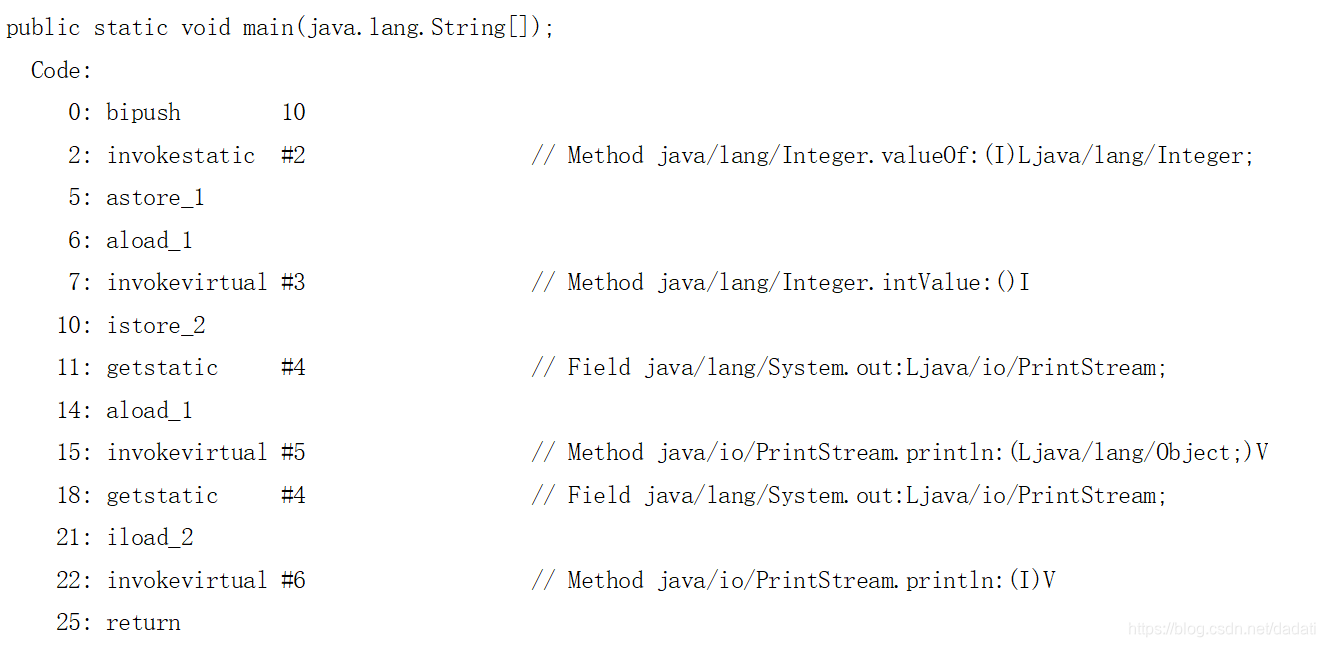
从反编译得到的字节码内容可以看出,在装箱的时候自动调用的是Integer的valueOf(int)方法。而在拆箱的时候自动调用的是Integer的intValue方法。
三.面试中相关的问题
public static void main(String[] args) {
        Integer i1=100;
        Integer i2=100;
        Integer i3=300;
        Integer i5=300;

        System.out.println(i1==i2);
        System.out.println(i3==i5);


    }
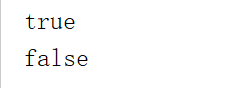
为什么会出现这样的结果?输出结果表明i1和i2指向的是同一个对象,而i3和i5指向的是不同的对象。此时只需一看源码便知究竟,下面这段代码是Integer的valueOf方法的具体实现:
public static Integer valueOf(int i) {
        if(i >= -128 && i <= IntegerCache.high)
            return IntegerCache.cache[i + 128];
        else
            return new Integer(i);
    }
而其中IntegerCache类的实现为:
private static class IntegerCache {
        static final int high;
        static final Integer cache[];

        static {
            final int low = -128;

            // high value may be configured by property
            int h = 127;
            if (integerCacheHighPropValue != null) {
                // Use Long.decode here to avoid invoking methods that
                // require Integer's autoboxing cache to be initialized
                int i = Long.decode(integerCacheHighPropValue).intValue();
                i = Math.max(i, 127);
                // Maximum array size is Integer.MAX_VALUE
                h = Math.min(i, Integer.MAX_VALUE - -low);
            }
            high = h;

            cache = new Integer[(high - low) + 1];
            int j = low;
            for(int k = 0; k < cache.length; k++)
                cache[k] = new Integer(j++);
        }

        private IntegerCache() {}
    }
从这2段代码可以看出,在通过valueOf方法创建Integer对象的时候,如果数值在[-128,127]之间,便返回指向IntegerCache.cache中已经存在的对象的引用;否则创建一个新的Integer对象。
上面的代码中i1和i2的数值为100,因此会直接从cache中取已经存在的对象,所以i1和i2指向的是同一个对象,而i3和i5则是分别指向不同的对象。
double包装类Double举例
public static void main(String[] args) {

        Double i1 = 100.0;
        Double i2 = 100.0;
        Double i3 = 200.0;
        Double i4 = 200.0;

        System.out.println(i1==i2);
        System.out.println(i3==i4);
    }
类名不能起成封装类例如class Double/Boolean
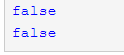
在这里只解释一下为什么Double类的valueOf方法会采用与Integer类的valueOf方法不同的实现。很简单:在某个范围内的整型数值的个数是有限的,而浮点数却不是。
注意,Integer、Short、Byte、Character、Long这几个类的valueOf方法的实现是类似的。
Double、Float的valueOf方法的实现是类似的。
boolean的包装类
 public static void main(String[] args) {

        Boolean i1 = false;
        Boolean i2 = false;
        Boolean i3 = true;
        Boolean i4 = true;

        System.out.println(i1==i2);
        System.out.println(i3==i4);
    }
输出结果
true
true
看了Boolean类的源码也会一目了然。下面是Boolean的valueOf方法的具体实现:
public static Boolean valueOf(boolean b) {
        return (b ? TRUE : FALSE);
    }
而其中的 TRUE 和FALSE又是什么呢?在Boolean中定义了2个静态成员属性:
 public static final Boolean TRUE = new Boolean(true);

    /**
     * The <code>Boolean</code> object corresponding to the primitive
     * value <code>false</code>.
     */
    public static final Boolean FALSE = new Boolean(false);
4.谈谈Integer i = new Integer(xxx)和Integer i =xxx;这两种方式的区别。
1)第一种方式不会触发自动装箱的过程;而第二种方式会触发;
2)在执行效率和资源占用上的区别。第二种方式的执行效率和资源占用在一般性情况下要优于第一种情况(注意这并不是绝对的)。
package com.ly.chaizhuangxiang;

public class Summary {
    public static void main(String[] args) {

        Integer a=1;
        Integer b=2;
        Integer c=3;
        Integer d=3;
        Integer e=321;
        Integer f=321;
        Long g = 3L;
        Long h = 2L;

        System.out.println(c==d);//true
        System.out.println(e==f);//false
        System.out.println(c==(a+b));//true
        System.out.println(c.equals(a+b));//true
        System.out.println(g==(a+b));//true
        System.out.println(g.equals(a+b));//false
        System.out.println(g.equals(a+h));//true

    }
}
当 "=="运算符的两个操作数都是 包装器类型的引用,则是比较指向的是否是同一个对象,而如果其中有一个操作数是表达式(即包含算术运算)则比较的是数值(即会触发自动拆箱的过程)。另外,对于包装器类型,equals方法并不会进行类型转换。
第三句由于 a+b包含了算术运算,因此会触发自动拆箱过程(会调用intValue方法),因此它们比较的是数值是否相等。而对于c.equals(a+b)会先触发自动拆箱过程,再触发自动装箱过程,也就是说a+b,会先各自调用intValue方法,得到了加法运算后的数值之后,便调用Integer.valueOf方法,再进行equals比较。同理对于后面的也是这样,不过要注意倒数第二个和最后一个输出的结果(如果数值是int类型的,装箱过程调用的是Integer.valueOf;如果是long类型的,装箱调用的Long.valueOf方法)。





 扫一扫
扫一扫


 631
631

 被折叠的 条评论
为什么被折叠?
被折叠的 条评论
为什么被折叠?
 到【灌水乐园】发言





