


 本文主要介绍了Java中传统的I/O流操作,特别是InputStream和OutputStream的基本使用方法,包括单字节和批量读写的过程及实现原理。
这里只介绍传统I/O(也就是阻塞的IO)
java IO家族的类实在太多,每个类都有其历史原因所在(所以不要抱怨Java IO难用了)
老习惯,我们首先从顶层父类说起
1、InputStream
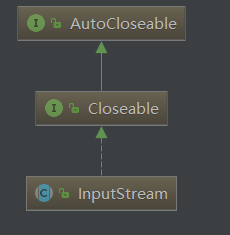
这里面有两个特殊的类,是在jdk1.7加的,作用是你可以在try(这里去创建流,不需要在手动关闭流了,十分推荐这种方式,在也不怕流关闭不了){}catch(..){}
1、read() 单字节读取
2、read(byte[]) 批量读取,每次读取byte.length (其实底层也是单字节的形式读取)
3、read(byte[],int off,int len) 虽然也是批量读取,其实底层本质还是单字节读取 ,我们来看下源码
public int read(byte b[], int off, int len) throws IOException {
    if (b == null) {
        throw new NullPointerException();
    } else if (off < 0 || len < 0 || len > b.length - off) {
        throw new IndexOutOfBoundsException();
    } else if (len == 0) {
        return 0;
    }

    int c = read();  //首先读取一个字节 (这样做的原因是读取到末尾时候就直接返回,提升效率,很好的设计思想)
    if (c == -1) {
        return -1;
    }
    b[off] = (byte)c; //这里可以看到其实是每次都是一个字节一个字节读取的(这种是传统I/O慢的原因啊)

    int i = 1;
    try {
        for (; i < len ; i++) {
            c = read();
            if (c == -1) {
                break;
            }
            b[off + i] = (byte)c;
        }
    } catch (IOException ee) {
    }
    return i; //读取字节的个数
}
其他内部方法就不介绍(因为很少用到)
2、对于输出流OutPutStream() 输出流其实也是单子字节的写
public void write(byte b[], int off, int len) throws IOException {
    if (b == null) {
        throw new NullPointerException();
    } else if ((off < 0) || (off > b.length) || (len < 0) ||
               ((off + len) > b.length) || ((off + len) < 0)) {
        throw new IndexOutOfBoundsException();
    } else if (len == 0) {
        return;
    }
    for (int i = 0 ; i < len ; i++) {
        write(b[off + i]); //每次只写入一个字节
    }
}





 扫一扫
扫一扫


 574
574

 被折叠的 条评论
为什么被折叠?
被折叠的 条评论
为什么被折叠?
 到【灌水乐园】发言





