



一,添加本地或者远程box
vagrant box add boxname(自定义) G:/vagrant/db.box(本地源)
vagrant box add boxname https://…/db.box
二,查看添加的镜像
vagrant box list
(移除镜像):vagrant box remove boxname
三,初始化
vagrant init boxname
四,修改VirtualBox虚拟机映像文件的位置
打开 VirtualBox 程序,点击管理/全局设定菜单项(Ctrl+G), 将常规栏里的默认虚拟电脑位置(M)改为其他磁盘下的路径
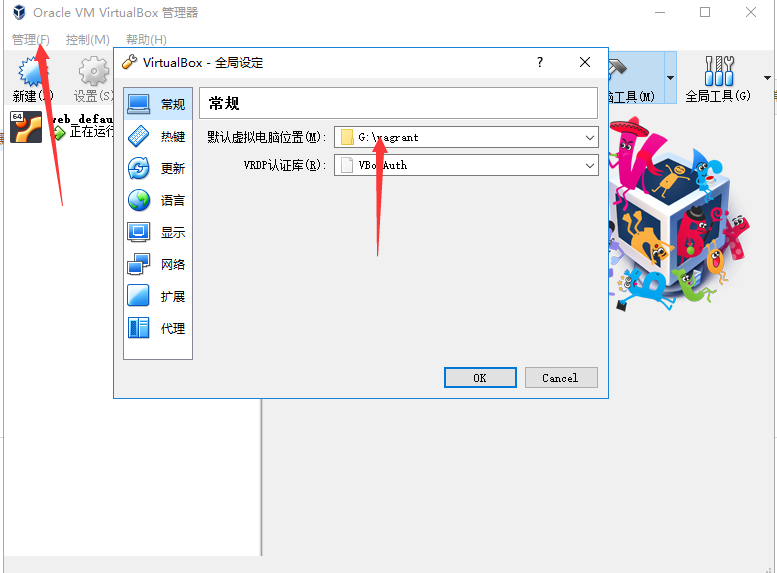
五,如果启动报错,vagrant up
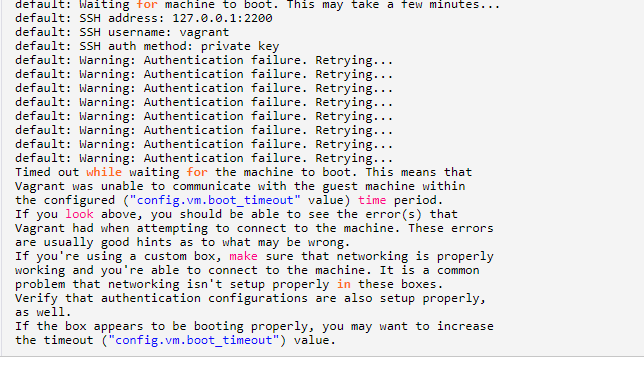
可以添加用户名和密码:
config.ssh.username = “vagrant”
config.ssh.password = “vagrant”
六,一些基础命令:
vagrant up # 启动
vagrant halt # 停止
vagrant reload # 重启
七,如果系统崩溃,Vagrantfile 配置文件消失,查看VBoxManage list vms是否有数据
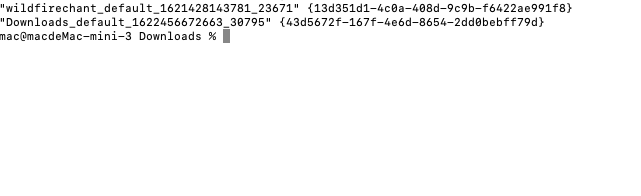
进入路径:cd .vagrant/machines/default/virtualbox
echo -n “43d5672f-167f-4e6d-8654-2dd0bebff79d”>./id
新建Vagrantfile文件,查看状态,重新启动:vagrant status
# -*- mode: ruby -*-
# vi: set ft=ruby :

# All Vagrant configuration is done below. The "2" in Vagrant.configure
# configures the configuration version (we support older styles for
# backwards compatibility). Please don't change it unless you know what
# you're doing.
Vagrant.configure("2") do |config|
  # The most common configuration options are documented and commented below.
  # For a complete reference, please see the online documentation at
  # https://docs.vagrantup.com.

  # Every Vagrant development environment requires a box. You can search for
  # boxes at https://vagrantcloud.com/search.
  config.vm.box = "centos11"
  config.ssh.username = "vagrant"
  config.ssh.password = "vagrant"
  # Disable automatic box update checking. If you disable this, then
  # boxes will only be checked for updates when the user runs
  # `vagrant box outdated`. This is not recommended.
  # config.vm.box_check_update = false

  # Create a forwarded port mapping which allows access to a specific port
  # within the machine from a port on the host machine. In the example below,
  # accessing "localhost:8080" will access port 80 on the guest machine.
  # NOTE: This will enable public access to the opened port
  # config.vm.network "forwarded_port", guest: 80, host: 8080

  # Create a forwarded port mapping which allows access to a specific port
  # within the machine from a port on the host machine and only allow access
  # via 127.0.0.1 to disable public access
  # config.vm.network "forwarded_port", guest: 80, host: 8080, host_ip: "127.0.0.1"

  # Create a private network, which allows host-only access to the machine
  # using a specific IP.
  # config.vm.network "private_network", ip: "192.168.33.10"
  config.vm.network "private_network", ip: "192.168.13.10"
  config.vm.synced_folder "/project", "/www"
  #config.disksize.size = "3000000000"

  # Create a public network, which generally matched to bridged network.
  # Bridged networks make the machine appear as another physical device on
  # your network.
  config.vm.network "public_network", ip: "192.168.113.231"
  config.vm.network :forwarded_port, guest: 80, host: 80

  # Share an additional folder to the guest VM. The first argument is
  # the path on the host to the actual folder. The second argument is
  # the path on the guest to mount the folder. And the optional third
  # argument is a set of non-required options.
  # config.vm.synced_folder "../data", "/vagrant_data"

  # Provider-specific configuration so you can fine-tune various
  # backing providers for Vagrant. These expose provider-specific options.
  # Example for VirtualBox:
  #
  config.vm.provider "virtualbox" do |vb|
    # Display the VirtualBox GUI when booting the machine
    # vb.gui = true

    # Customize the amount of memory on the VM:
    vb.memory = "2048"
  end
  #
  # View the documentation for the provider you are using for more
  # information on available options.

  # Enable provisioning with a shell script. Additional provisioners such as
  # Ansible, Chef, Docker, Puppet and Salt are also available. Please see the
  # documentation for more information about their specific syntax and use.
  # config.vm.provision "shell", inline: <<-SHELL
  #   apt-get update
  #   apt-get install -y apache2
  # SHELL
end





 扫一扫
扫一扫


 1300
1300

 被折叠的 条评论
为什么被折叠?
被折叠的 条评论
为什么被折叠?
 到【灌水乐园】发言





