


 本文探讨了自解释语法的概念,即用户通过极简的语法学习入口,实现对复杂系统的快速掌握。以MLSQL为例,展示了如何通过简洁的load语法,使用户能够直观地了解并使用模型参数、获取模型列表及实例,从而提升系统的易用性和用户的学习效率。
题图:
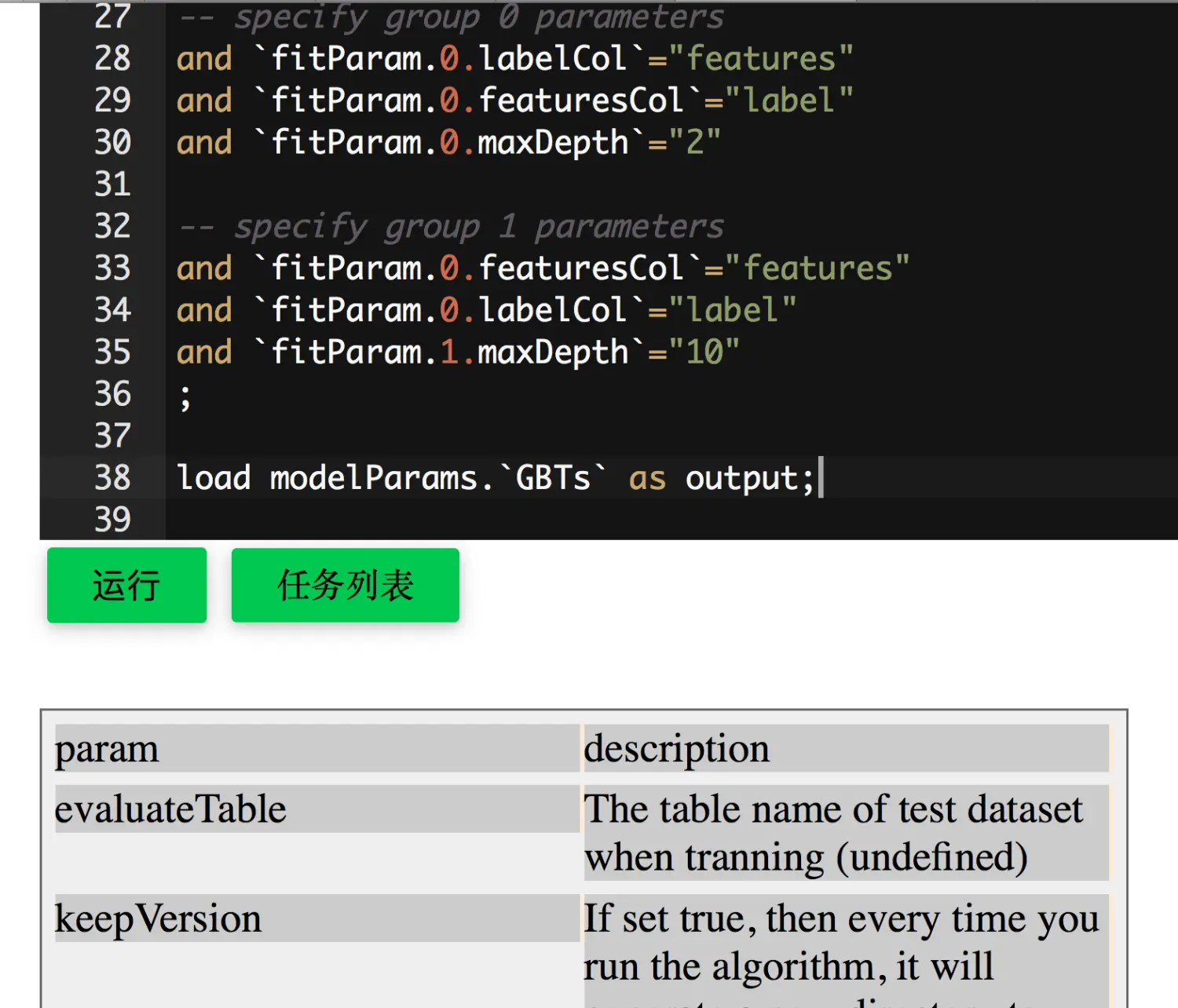
image.png
突然想明白了一件事, 语法应该是自解释的。什么意思呢,就是用户需要有一个学习语法的语法,而这个语法应该极度简单,他只要花上一分钟,甚至依靠直觉就能知道怎么用,透过这个口,以点窥面,让用户具备自主学习其他语法的能力。
系统如果能从这个层面考虑,那么易用性就会好很多。通常而言,文档少了没安全感,文档多了,寻找到对应的信息又是难事,然后只能各种Google。
但是如果语法自解释了,会是个什么样子的呢?
比如在MLSQL里,对于模型,用户只要记住一个关键字model
一个简单的load语法,然后完了就可以了。
第一次是这样:
load model.`` as output;
会呈现如下三个信息:

image.png
接着用户用户使用
load model.`list` as output;
得到可用模型的列表:
name                        type
---------------------------
PythonAlg                process
RandomForest        algorithm
.....
然后我想试试RandomForest:
 load model.`params` where alg="RandomForest"  as output;
-- or
 load modelParams.`RandomForest ` as output;
结果如下:
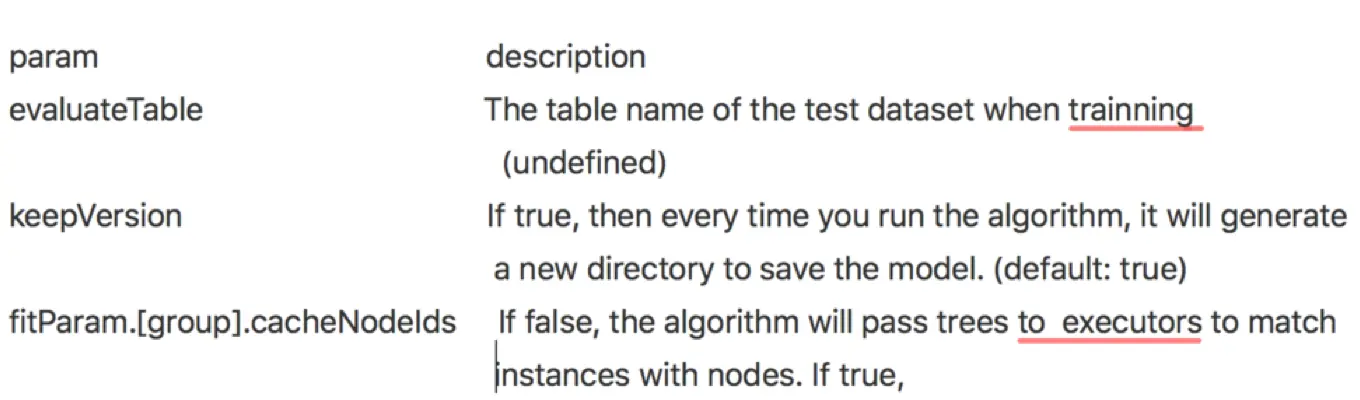
image.png
接着能给我例子么?
 load model.`example`  where alg="RandomForest" as output;
-- or
 load modelExample.`RandomForest ` as output;
则显示如下内容
-- create test data
set jsonStr='''
{"features":[5.1,3.5,1.4,0.2],"label":0.0},
{"features":[5.1,3.5,1.4,0.2],"label":1.0}
{"features":[5.1,3.5,1.4,0.2],"label":0.0}
{"features":[4.4,2.9,1.4,0.2],"label":0.0}
{"features":[5.1,3.5,1.4,0.2],"label":1.0}
{"features":[5.1,3.5,1.4,0.2],"label":0.0}
{"features":[5.1,3.5,1.4,0.2],"label":0.0}
{"features":[4.7,3.2,1.3,0.2],"label":1.0}
{"features":[5.1,3.5,1.4,0.2],"label":0.0}
{"features":[5.1,3.5,1.4,0.2],"label":0.0}
''';
load jsonStr.`jsonStr` as data;
select vec_dense(features) as features ,label as label from data
as data1;

-- use RandomForest
train data1 as RandomForest.`/tmp/model` where

-- once set true,every time you run this script, MLSQL will generate new directory for you model
keepVersion="true"

-- specicy the test dataset which will be used to feed evaluator to generate some metrics e.g. F1, Accurate
and evaluateTable="data1"

-- specify group 0 parameters
and `fitParam.0.labelCol`="features"
and `fitParam.0.featuresCol`="label"
and `fitParam.0.maxDepth`="2"

-- specify group 1 parameters
and `fitParam.0.featuresCol`="features"
and `fitParam.0.labelCol`="label"
and `fitParam.1.maxDepth`="10"
;
自此,用户其实已经自助看完了一篇文档。这么做的好处是:
- 写代码的同时也是写文档
- 所有参数/模型都有自省机制。比如Spark MLlib params就做的非常好,可以很容易的罗列出可用参数。那么其实模型也是可以做到的。比如这个模型是用来做数据处理的还是做算法的,我们需要在类里面有对应的信息,无论是通过Annotation或者是方法。
- 用户在使用load语法查看功能的时候,就已经熟悉了MLSQL的使用模式了。





 扫一扫
扫一扫


 280
280

 被折叠的 条评论
为什么被折叠?
被折叠的 条评论
为什么被折叠?
 到【灌水乐园】发言





