


1,通常所说的HAL 层的理解误区
以前一直认为工作中一直提到的HAL 层是Android 系统的hal 层,直到今天遇到一个问题去追代码后才发现,原来的理解错了。正确的理解应该是:我们一般提到的hal 层是说的安卓五层结构中的HAL( 物理抽象层).架构图如下
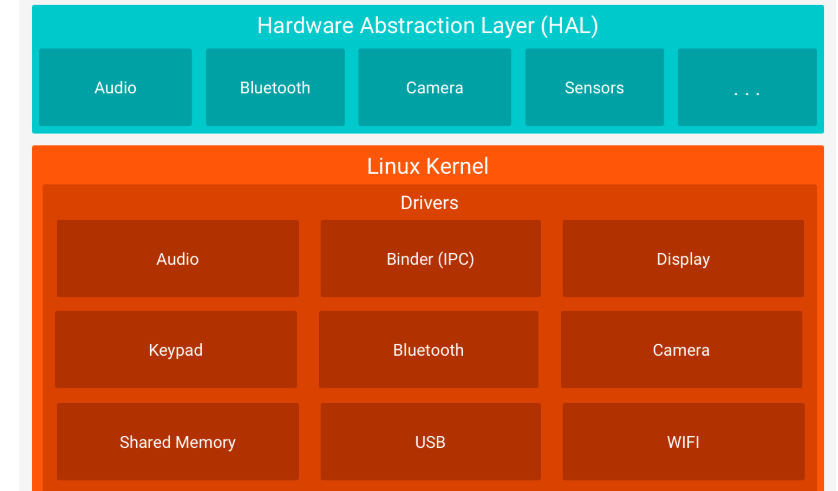
代码路径:
hardware/chip_name/module/
针对于MTK SensorHub架构HAL 层是指的SCP(Sensor Controller Processor)协处理器单独的物理抽象层。
架构图如下:
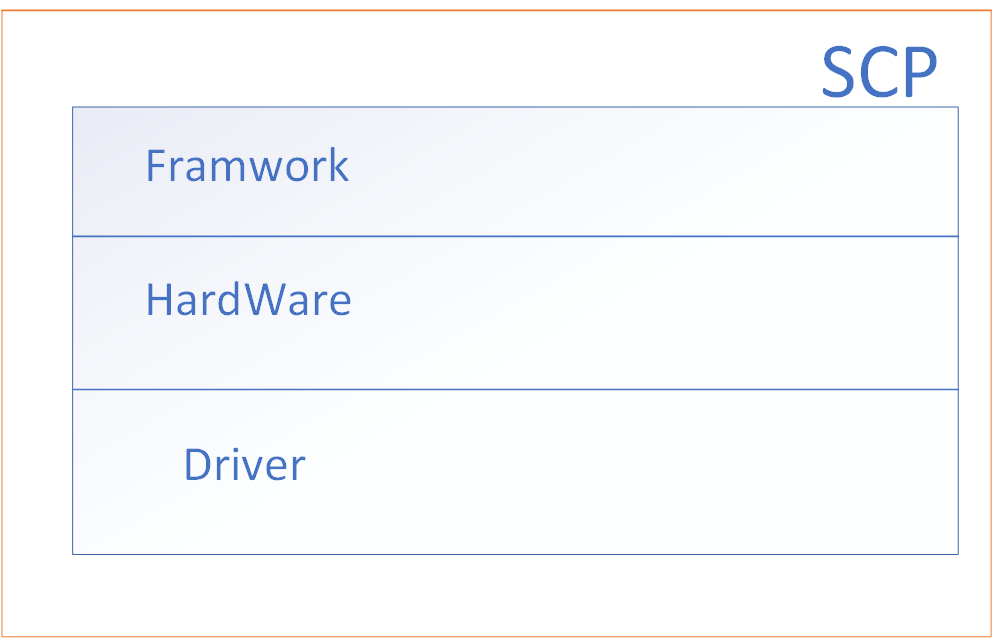
代码路径:
vendor/mediatek/proprietary/hardware/sensor
2, APP 如何和SCP 测物理sensor 一一对应的
APP 获取到物理sensor 的信息是通过读取HAL 层的vendor/mediatek/proprietary/hardwaare/sensor/sensors-1.0/SensorList.cpp 中定义的器件信息获得的。
#ifdef CUSTOM_KERNEL_ACCELEROMETER
    memset(&sensor, 0, sizeof(struct sensor_t));
    sensor.name = ACCELEROMETER;
    sensor.vendor = ACCELEROMETER_VENDER;
    sensor.version = ACCELEROMETER_VERSION;
    sensor.handle = ID_ACCELEROMETER + ID_OFFSET;
    sensor.type = SENSOR_TYPE_ACCELEROMETER;
    sensor.maxRange = ACCELEROMETER_RANGE;
    sensor.resolution = ACCELEROMETER_RESOLUTION;
    sensor.power = ACCELEROMETER_POWER;
    sensor.minDelay = ACCELEROMETER_MINDELAY;
    sensor.fifoReservedEventCount = ACCELEROMETER_FIFO_RESERVE_COUNT;
    sensor.fifoMaxEventCount = ACCELEROMETER_FIFO_MAX_COUNT;
    sensor.stringType = SENSOR_STRING_TYPE_ACCELEROMETER;
    sensor.maxDelay = ACCELEROMETER_MAXDELAY;
    sensor.flags = ACCELEROMETER_FLAGS;
    mSensorList.push_back(sensor);
#endif

#ifdef CUSTOM_KERNEL_MAGNETOMETER
    memset(&sensor, 0, sizeof(struct sensor_t));
    sensor.name = MAGNETOMETER;
    sensor.vendor = MAGNETOMETER_VENDER;
    sensor.version = MAGNETOMETER_VERSION;
    sensor.handle = ID_MAGNETIC + ID_OFFSET;
    sensor.type = SENSOR_TYPE_MAGNETIC_FIELD;
    sensor.maxRange = MAGNETOMETER_RANGE;
    sensor.resolution = MAGNETOMETER_RESOLUTION;
    sensor.power = MAGNETOMETER_POWER;
    sensor.minDelay = MAGNETOMETER_MINDELAY;
    sensor.fifoReservedEventCount = MAGNETOMETER_FIFO_RESERVE_COUNT;
    sensor.fifoMaxEventCount = MAGNETOMETER_FIFO_MAX_COUNT;
    sensor.stringType = SENSOR_STRING_TYPE_MAGNETIC_FIELD;
    sensor.maxDelay = MAGNETOMETER_MAXDELAY;
    sensor.flags = MAGNETOMETER_FLAGS;
    mSensorList.push_back(sensor);
#endif
系统启动后,启动sensorservice,然后通过系统调用宏 HAL_MODULE_INFO_SYM作为系统访问HAL层接口的入口,系统启动sensorservice 会调用sensors_get_sensors_list函数获取sensorList .cpp定义物理sensor 和 虚拟sensor配置,sensors_module_methods中调用了init_sensors 然后创建了sensors_poll_context_t 实例dev 和 SensorManager的实例 mSensorManager 方法,这些方法的定义是在SensorManager.cpp。也就是说APP 打开/关闭/一个sensor后会调用SensorManager.cpp的函数,然后会打开物理sensor.
vendor/mediatek/proprietary/hardware/sensor/sensors.cpp
static int poll__close(struct hw_device_t *dev) {
    sensors_poll_context_t *ctx = (sensors_poll_context_t *)dev;
    if (ctx)
        delete ctx;
    mSensorManager->removeSensorConnection(mNativeConnection); //调用mSensorManager 方法
    delete mSensorManager;
    delete mVendorInterface;
    delete mMtkInterface;
    delete mSensorCalibration;
    delete mSensorList;
    delete mDirectChannelManager;
    return 0;
}

static int poll__activate(struct sensors_poll_device_t * /*dev*/,
        int handle, int enabled) {
    return mSensorManager->activate(mNativeConnection, handle - ID_OFFSET, enabled);
}

static int poll__setDelay(struct sensors_poll_device_t * /*dev*/,
        int handle, int64_t ns) {
    return mSensorManager->batch(mNativeConnection, handle - ID_OFFSET, ns, 0);
}

static int poll__poll(struct sensors_poll_device_t * /*dev*/,
        sensors_event_t* data, int count) {
    return mSensorManager->pollEvent(data, count);
}

static int poll__batch(struct sensors_poll_device_1 * /*dev*/,
        int handle, int /*flags*/, int64_t samplingPeriodNs, int64_t maxBatchReportLatencyNs) {
    return mSensorManager->batch(mNativeConnection,
        handle - ID_OFFSET, samplingPeriodNs, maxBatchReportLatencyNs);
}

static int poll__flush(struct sensors_poll_device_1 * /*dev*/,
        int handle) {
    return mSensorManager->flush(mNativeConnection, handle - ID_OFFSET);
}

static int init_sensors(hw_module_t const* module, hw_device_t** device)
{
    sensors_poll_context_t *dev;
    size_t count = 0;
    const struct sensor_t *list = NULL;

    /* must initialize sensorlist first for hwgyrosupport */
    mSensorList = SensorList::getInstance();
    count = mSensorList->getSensorList(&list);

    dev = sensors_poll_context_t::getInstance();  //创建一个dev 实例
    memset(&dev->device, 0, sizeof(sensors_poll_device_1)); //初始化这个实例

    dev->device.common.tag      = HARDWARE_DEVICE_TAG;
    dev->device.common.version  = SENSORS_DEVICE_API_VERSION_1_4;
    dev->device.common.module   = const_cast<hw_module_t*>(module);
    dev->device.common.close    = poll__close;   ////调用mSensorManager 中的方法
    dev->device.activate        = poll__activate;
    dev->device.setDelay        = poll__setDelay;
    dev->device.poll            = poll__poll;
    dev->device.batch           = poll__batch;
    dev->device.flush           = poll__flush;
    dev->device.inject_sensor_data = poll__injectSensorData;
#ifdef SUPPORT_DIRECT_CHANNEL
    dev->device.register_direct_channel = poll__registerDirectChannel;
    dev->device.config_direct_report = poll__configDirectReport;
#endif

    *device = &dev->device.common;

    mSensorManager = SensorManager::getInstance(); //创建一个mSensorManager 的实例
    mSensorManager->addSensorsList(list, count);
    mNativeConnection = mSensorManager->createSensorConnection(numFds);
    mSensorManager->setNativeConnection(mNativeConnection);
    mSensorManager->setSensorContext(dev);
    mVendorInterface = VendorInterface::getInstance();
    mMtkInterface = MtkInterface::getInstance();
    mSensorCalibration = SensorCalibration::getInstance();
    mDirectChannelManager = DirectChannelManager::getInstance();
    return 0;
}

static int open_sensors(const struct hw_module_t* module, const char* name,
        struct hw_device_t** device)
{
   ALOGD("%s: name=%s!\n", __func__, name);
   return init_sensors(module, device);
}

static int sensors__get_sensors_list(struct sensors_module_t* /*module*/,
        struct sensor_t const** list) {
    size_t count = mSensorList->getSensorList(list);
    ALOGD("%s count=%zu!\n", __func__, count);
    return count;
}

static int set_operation_mode(unsigned int mode) {
    ALOGV("%s: mode=%u!", __func__, mode);
    return -EINVAL;
}

static struct hw_module_methods_t sensors_module_methods = {
    .open = open_sensors
};

struct sensors_module_t HAL_MODULE_INFO_SYM = {
    .common = {
        .tag = HARDWARE_MODULE_TAG,
        .version_major = 1,
        .version_minor = 0,
        .id = SENSORS_HARDWARE_MODULE_ID,
        .name = "MTK SENSORS Module",
        .author = "Mediatek",
        .methods = &sensors_module_methods,
    },
    .get_sensors_list = sensors__get_sensors_list,
    .set_operation_mode = set_operation_mode,
};






 扫一扫
扫一扫


 2743
2743

 被折叠的 条评论
为什么被折叠?
被折叠的 条评论
为什么被折叠?
 到【灌水乐园】发言





