





 本文介绍了C++ STL中的array容器,包括其用法、含义和成员函数,如begin、end、rbegin、rend、size、operator[]等。array是固定大小的顺序容器,不支持动态扩容,提供了高效、便捷的访问和操作元素的方法。
array
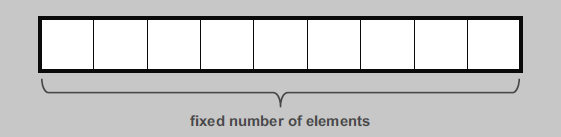
array是固定大小的顺序容器,它保存了一个以严格地线性顺序排列的特定数量的元素。
用法和含义
| 方法 | 含义 |
|---|---|
| begin | 返回指向数组容器中第一个元素的迭代器 |
| end | 返回指向数组容器中最后一个元素之后的理论元素的迭代器 |
| rbegin | 返回指向数组容器中最后一个元素的反向迭代器 |
| rend | 返回一个反向迭代器,指向数组中第一个元素之前的理论元素 |
| cbegin | 返回指向数组容器中第一个元素的常量迭代器(const_iterator) |
| cend | 返回指向数组容器中最后一个元素之后的理论元素的常量迭代器 |
| crbegin | 返回指向数组容器中最后一个元素的常量反向迭代器(const_reverse_iterator) |
| crend | 返回指向数组中第一个元素之前的理论元素的常量反向迭代器 |
| size | 返回数组容器中元素的数量 |
| max_size | 返回数组容器可容纳的最大元素数 |
| empty | 返回一个布尔值,指示数组容器是否为空 |
| operator[] | 返回容器中第n(参数)个位置的元素的引用 |
| at | 返回容器中第n(参数)个位置的元素的引用 |
| front | 返回对容器中第一个元素的引用 |
| back | 返回对容器中最后一个元素的引用 |
| data | 返回指向容器中第一个元素的指针 |
| fill | 用val(参数)填充数组所有元素 |
| swap | 通过x(参数)的内容交换数组的内容 |
| get(array) | 形如std::get<0>(myarray);传入一个数组容器,返回指定位置元素的引用 |
| relational operators(array) | 形如arrayA>arrayB;依次比较数组中每个元素的大小关系 |
在内部,一个数组除了它所包含的元素(甚至不是它的大小,它是一个模板参数,在编译时固定的)以外不保存任何数据。存储大小与用语言括号语法([])声明的普通数组一样高效。这个类知识增加了一层成员函数和全局函数,所以数组可以作为标准容器使用。
与其他标准容器不同,数组具有固定的大小,并且不通过分配器管理其元素的分配:它们是封装固定大小数组元素的聚合类型,因此,它们不能动态的扩大或缩小。
零大小的数组是有效的,但是它们不应该被解除引用(成员的前面、后面和数据)。
与标准库中的其他容器不同,交换两个数组容器是一种线性操作,它涉及单独交换范围内的所有元素,这通常是相当低效的操作。另一方面,这允许迭代器在两个容器中的元素保持其原始容器关联。
数组容器的另一个独特特征是它们可以被当作元组对象来处理:array头部重载get函数来访问数组元素,就像它是一个元组,以及专门的tuple_size和tuple_element类型。
template < class T, size_t N > class array;
array::begin
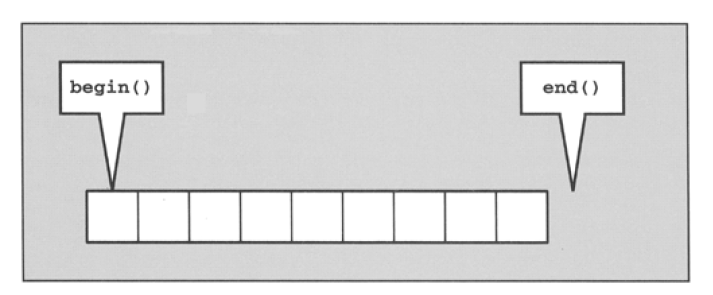
返回指向数组容器中第一个元素的迭代器。
      iterator begin() noexcept;
const_iterator begin() const noexcept;
示例:
#include <iostream>
#include <array>

int main()
{
    std::array<int, 5> myarray = {2, 16, 77,34, 50};
    std::cout << "myarray contains:";
    for(auto it = myarray.begin(); it != myarray.end(); ++i)
        std::cout << ' ' << *it;
    std::cout << '\n';

    return 0;
}
输出:
myarray contains: 2 16 77 34 50
array::end
返回指向数组容器中最后一个元素之后的理论元素的迭代器。
      iterator end() noexcept;
const_iterator end() const noexcept;
示例:
#include <iostream>
#include <array>

int main ()
{
    std::array<int,5> myarray = { 5, 19, 77, 34, 99 };

    std::cout << "myarray contains:";
    for ( auto it = myarray.begin(); it != myarray.end(); ++it )
        std::cout << ' ' << *it;

    std::cout << '\n';

    return 0;
}
输出:
myarray contains: 5 19 77 34 99
array::rbegin
返回指向数组容器中最后一个元素的反向迭代器。
      reverse_iterator rbegin()noexcept;
const_reverse_iterator rbegin()const noexcept;
示例:
#include <iostream>
#include <array>

int main ()
{
    std::array<int,4> myarray = {4, 26, 80, 14} ;
    for(auto rit = myarray.rbegin(); rit < myarray.rend(); ++rit)
        std::cout << ' ' << *rit;

    std::cout << '\n';

    return 0;
}
输出:
myarray contains: 14 80 26 4
array::rend
返回一个反向迭代器,指向数组中第一个元素之前的理论元素。
      reverse_iterator rend() noexcept;
const_reverse_iterator rend() const noexcept;
示例:
#include <iostream>
#include <array>

int main ()
{
    std::array<int,4> myarray = {4, 26, 80, 14};
    std::cout << "myarray contains";
    for(auto rit = myarray.rbegin(); rit < myarray.rend(); ++rit)
        std::cout << ' ' << *rit;

    std::cout << '\n';

    return 0;
}
输出:
myarray contains: 14 80 26 4
array::cbegin
返回指向数组容器中第一个元素的常量迭代器(const_iterator);这个迭代器可以增加和减少,但是不能用来修改它指向的内容。
const_iterator cbegin() const noexcept;
示例:
#include <iostream>
#include <array>

int main ()
{
    std::array<int,5> myarray = {2, 16, 77, 34, 50};

    std::cout << "myarray contains:";

    for ( auto it = myarray.cbegin(); it != myarray.cend(); ++it )
        std::cout << ' ' << *it;   // cannot modify *it

    std::cout << '\n';

    return 0;
}
输出:
myarray contains: 2 16 77 34 50
arrary::cend
返回指向数组容器中最后一个元素之后的理论元素的常量迭代器。
const_iterator cend() const noexcept;
示例:
#include <iostream>
#include <array>

int main ()
{
    std::array<int,5> myarray = { 15, 720, 801, 1002, 3502 };

    std::cout << "myarray contains:";
    for ( auto it = myarray.cbegin(); it != myarray.cend(); ++it )
        std::cout << ' ' << *it;   // cannot modify *it

    std::cout << '\n';

    return 0;
}
输出:
myarray contains: 2 16 77 34 50
array::crbegin
返回指向数组容器中最后一个元素的常量反向迭代器(const_reverse_iterator)。
const_reverse_iterator crbegin() const noexcept;
示例:
#include <iostream>
#include <array>

int main ()
{
    std::array<int,6> myarray = {10, 20, 30, 40, 50, 60} ;

    std::cout << "myarray backwards:";
    for ( auto rit=myarray.crbegin() ; rit < myarray.crend(); ++rit )
        std::cout << ' ' << *rit;   // cannot modify *rit

    std::cout << '\n';

    return 0;
}
输出:
myarray backwards: 60 50 40 30 20 10
array::crend
返回指向数组中第一个元素之前的理论元素的常量反向迭代器(const_reverse_iterator),它被认为是其反向结束。
const_reverse_iterator crend() const noexcept;
示例:
#include <iostream>
#include <array>

int main ()
{
    std::array<int,6> myarray = {10, 20, 30, 40, 50, 60} ;

    std::cout << "myarray backwards:";
    for ( auto rit=myarray.crbegin() ; rit < myarray.crend(); ++rit )
        std::cout << ' ' << *rit;   // cannot modify *rit

    std::cout << '\n';

    return 0;
}
输出:
myarray backwards: 60 50 40 30 20 10
array::size
返回数组容器中元素的数量。
constexpr size_type size() noexcept;
示例:
#include <iostream>
#include <array>

int main ()
{
    std::array<int,5> myints;
    std::cout << "size of myints:" << myints.size() << std::endl;
    std::cout << "sizeof(myints):" << sizeof(myints) << std::endl;

    return 0;
}
输出:
size of myints: 5
sizeof(myints): 20
array::max_size
返回数组容器可容纳的最大元素数。数组对象的max_size与其size一样,始终等于用于实例化数组模板类的第二个模板参数。
constexpr size_type max_size() noexcept;
示例:
#include <iostream>
#include <array>

int main ()
{
    std::array<int,10> myints;
    std::cout << "size of myints: " << myints.size() << '\n';
    std::cout << "max_size of myints: " << myints.max_size() << '\n';

    return 0;
}
输出:
size of myints: 10
max_size of myints: 10
array::empty
返回一个布尔值,指示数组容器是否为空,即它的size()是否为0.
constexpr bool empty() noexcept;
示例:
#include <iostream>
#include <array>

int main ()
{
  std::array<int,0> first;
  std::array<int,5> second;
  std::cout << "first " << (first.empty() ? "is empty" : "is not empty") << '\n';
  std::cout << "second " << (second.empty() ? "is empty" : "is not empty") << '\n';
  return 0;
}
输出:
first is empty
second is not empt
array::operator[]
返回数组中第n个位置的元素的引用。与array::at相似,但是array::at会检查数组边界并抛出一个out_of_range异常来判断n是否超出范围,而array::operator[]不会检查边界。
      reference operator[] (size_type n);
const_reference operator[] (size_type n) const;
示例:
#include <iostream>
#include <array>

int main ()
{
    std::array<int,10> myarray;
    unsigned int i;

    // assign some values:
    for(i=0; i<10; i++)
        myarray[i] = i;

    // print content
    std::cout << "myarray contains:";
    for(i=0; i<10; i++)
        std::cout << ' ' << myarray[i];
    std::cout << '\n';

    return 0;
}
输出:
myarray contains: 0 1 2 3 4 5 6 7 8 9
array::at
返回数组容器中第n个位置元素的引用。与array::operator[]相似,但array::at会检查数组边界并通过抛出一个out_of_range异常来判断n是否超出范围,而array::operator[]不检查边界。
      reference at ( size_type n );
const_reference at ( size_type n ) const;
示例:
#include <iostream>
#include <array>

int main()
{
	std::array<int, 10> myarray;
	unsigned int i;

	// assign some values:
	for (i = 0; i<10; i++)
		myarray[i] = i;

	// print content
	std::cout << "myarray contains:";
	for (i = 0; i<10; i++)
		std::cout << ' ' << myarray.at(i);
	std::cout << '\n';

	return 0;
}
输出:
myarray contains: 0 1 2 3 4 5 6 7 8 9
array::front
返回对数组容器中第一个元素的引用。array::begin()返回的是迭代器,array::front()返回的是直接引用。在空容器上调用此函数会导致未定义的行为。
      reference front();
const_reference front() const;
array::back
返回数组容器中最后一个元素的引用。array::end返回的是迭代器,array::back返回的是直接引用。在空容器上调用此函数会导致未定义的行为。
      reference back();
const_reference back() const;
示例:
#include <iostream>
#include <array>

int main ()
{
  std::array<int,3> myarray = {2, 16, 77};

  std::cout << "front is: " << myarray.front() << std::endl;   // 2
  std::cout << "back is: " << myarray.back() << std::endl;     // 77

  myarray.front() = 100;

  std::cout << "myarray now contains:";
  for ( int& x : myarray ) std::cout << ' ' << x;

  std::cout << '\n';

  return 0;
}
输出:
front is: 2
back is: 77
myarray now contains: 100 16 77
array::data
返回指向数组对象中第一个元素的指针。由于数组中的元素存储在连续的存储位置,所以检索到的指针可以偏移以访问数组中的任何元素。
      value_type* data() noexcept;
const value_type* data() const noexcept;
示例:
#include <iostream>
#include <cstring>
#include <array>

int main ()
{
  const char* cstr = "Test string";
  std::array<char,12> charray;

  std::memcpy (charray.data(),cstr,12);

  std::cout << charray.data() << '\n';

  return 0;
}
输出:
Test string
array::fill
用val填充数组所有元素,将val设置为数组对象中所有元素的值。
void fill(const value_type& val);
示例:
#include <iostream>
#include <array>

int main () {
  std::array<int,6> myarray;

  myarray.fill(5);

  std::cout << "myarray contains:";
  for ( int& x : myarray) { std::cout << ' ' << x; }

  std::cout << '\n';

  return 0;
}
输出:
myarray contains: 5 5 5 5 5 5
array::swap
通过x的内容交换数组的内容,这是另外一个相同类型的数组对象(包括相同的大小)。
与其他容器的交换成员函数不同,此成员函数通过在哥哥元素之间执行与其大小相同的单独交换操作,以线性时间运行。
void swap (array& x) noexcept(noexcept(swap(declval<value_type&>(),declval<value_type&>())));
示例:
#include <iostream>
#include <array>

int main ()
{
  std::array<int,5> first = {10, 20, 30, 40, 50};
  std::array<int,5> second = {11, 22, 33, 44, 55};

  first.swap (second);

  std::cout << "first:";
  for (int& x : first) std::cout << ' ' << x;
  std::cout << '\n';

  std::cout << "second:";
  for (int& x : second) std::cout << ' ' << x;
  std::cout << '\n';

  return 0;
}
输出:
first: 11 22 33 44 55
second: 10 20 30 40 50
get(array)
形如:std::get<0>(myarray);传入一个数组容器,返回指定位置元素的引用。
template <size_t I,class T,size_t N> T&get(array <T,N>&arr)noexcept;
template <size_t I,class T,size_t N> T && get(array <T,N> && arr)noexcept;
template <size_t I,class T,size_t N> const T&get(const array <T,N>&arr)noexcept;
示例:
#include <iostream>
#include <array>
#include <tuple>

int main ()
{
  std::array<int,3> myarray = {10, 20, 30};
  std::tuple<int,int,int> mytuple (10, 20, 30);

  std::tuple_element<0,decltype(myarray)>::type myelement;  // int myelement

  myelement = std::get<2>(myarray);
  std::get<2>(myarray) = std::get<0>(myarray);
  std::get<0>(myarray) = myelement;

  std::cout << "first element in myarray: " << std::get<0>(myarray) << "\n";
  std::cout << "first element in mytuple: " << std::get<0>(mytuple) << "\n";

  return 0;
}
输出:
first element in myarray: 30
first element in mytuple: 10
relational operators(array)
形如:arrayA != arrayB、arrayA > arrayB;依次比较数组每个元素的大小关系。
(1)
template <class T,size_T N>
  bool operator ==(const array <T,N>&lhs,const array <T,N>&rhs);
(2)
template <class T,size_T N>
  bool operator!=(const array <T,N>&lhs,const array <T,N>&rhs);
(3)
template <class T,size_T N>
  bool operator <(const array <T,N>&lhs,const array <T,N>&rhs);
(4)
template <class T,size_T N>
  bool operator <=(const array <T,N>&lhs,const array <T,N>&rhs);
(5)
template <class T,size_T N>
  bool operator>(const array <T,N>&lhs,const array <T,N>&rhs);
(6)
template <class T,size_T N>
  bool operator> =(const array <T,N>&lhs,const array <T,N>&rhs);
示例:
#include <iostream>
#include <array>

int main ()
{
  std::array<int,5> a = {10, 20, 30, 40, 50};
  std::array<int,5> b = {10, 20, 30, 40, 50};
  std::array<int,5> c = {50, 40, 30, 20, 10};

  if (a==b) std::cout << "a and b are equal\n";
  if (b!=c) std::cout << "b and c are not equal\n";
  if (b<c) std::cout << "b is less than c\n";
  if (c>b) std::cout << "c is greater than b\n";
  if (a<=b) std::cout << "a is less than or equal to b\n";
  if (a>=b) std::cout << "a is greater than or equal to b\n";

  return 0;
}
输出:
a and b are equal
b and c are not equal
b is less than c
c is greater than b
a is less than or equal to b
a is greater than or equal to b





 扫一扫
扫一扫


 470
470

 被折叠的 条评论
为什么被折叠?
被折叠的 条评论
为什么被折叠?
 到【灌水乐园】发言





