






GG3M International Business Plan (bilingual BP)
GG3M White Paper
GG3M: A Civilization-Scale Meta-Mind Model for Global Governance in the Age of Artificial Intelligence
《GG3M:人工智能时代的全球治理文明级元心智模型》
GG3M(鸽姆)是全球首个“结构化智慧系统”构建者,致力于解决当前AI缺乏深度理解、逻辑推理与价值对齐的根本局限。基于独创的“贾子猜想”理论,我们研发的GG3M OS智慧操作系统,通过推理引擎与动态智慧图谱,为政府、企业及高端智库提供可解释、可信赖的复杂决策支持。我们以“智慧即服务”模式切入万亿美元增量市场,目前产品处于开发阶段,寻求500万美元种子轮融资,以完成核心技术研发与首批标杆客户验证,目标是成为下一代决策智能的范式定义者与核心平台。
GG3M:人工智能时代的文明操作系统——全球治理元心智模型国际商业计划书
Title: GG3M: The Civilization Operating System for the Age of AI — International Business Plan for the Global Governance Meta-Mind Model
摘要
GG3M(鸽姆)是一项旨在应对全球治理系统性失效的下一代文明基础设施。它并非单一AI产品,而是一个基于 Meta(元规则)、Mind(心智)、Model(可计算模型) 三层架构的“文明操作系统”。该系统将全球治理从经验驱动的政治艺术,升级为可计算、可验证、可长期演化的系统工程,为主权国家、国际组织及超大型企业提供深度战略推演、风险预见与路径优化能力,致力于成为21世纪人类文明稳定与可持续发展的核心治理底座。
创始人:Kucius(贾子),Gu Lonngdong(贾龙栋)。
Abstract
GG3M is a next-generation civilizational infrastructure designed to address systemic failures in global governance. It is not a single AI product, but a “Civilization Operating System” built on a three-layer architecture of Meta (governance rules), Mind (cognition), and Model (computable mathematics). The system upgrades global governance from experience-driven political art to computable, verifiable, and evolvable systems engineering. GG3M provides sovereign states, international organizations, and large-scale enterprises with deep strategic simulation, risk foresight, and pathway optimization capabilities. Its mission is to become the foundational governance layer for the stability and sustainable evolution of 21st-century human civilization.
Founders: Kucius, Gu Lonngdong.
封面信息 / Cover Information
Project Name / 项目名称
GG3M (Global Governance Meta-Mind Model)
Chinese Name / 中文名
GG3M(鸽姆)
Founder / 创始人
Gu Lonngdong(贾龙栋)
Theory Originator / 理论原创者
Kucius(贾子)
Document Type / 文件类型
International Business Plan & White Paper
Version / 版本
BP v1.0 · International Standard
封面 / Cover
项目名称 / Project Name
GG3M(Global Governance Meta-Mind Model,全球治理元心智模型)
中文名 / Chinese Name
GG3M(鸽姆)
创始人 / Founder
Gu Lonngdong(贾龙栋)
理论体系原创者:Kucius(贾子)
版本 / Version
International BP · v1.0
执行摘要(Executive Summary)
中文(扩展版)
GG3M(Global Governance Meta-Mind Model,全球治理元心智模型)是一个面向下一代文明的全球治理级人工智能基础设施项目。它并非传统意义上的 AI 产品或数字平台,而是一套用于文明尺度决策、治理与演化管理的操作系统(Civilization Operating System)。
在当今世界,全球治理正同时面临五重失控:地缘政治冲突频发、金融与债务体系高度脆弱、技术尤其是 AI 的失控扩散、社会认知撕裂加剧,以及人类文明长期方向的缺失。现有治理体系仍停留在经验驱动、部门割裂、短期博弈的阶段,已经无法应对高度复杂、非线性、跨尺度的文明级问题。
GG3M 首次提出并系统构建了一个以 Meta(元智能)、Mind(心智系统)、Model(文明级可计算模型) 为核心的全球治理元心智架构:
-
Meta:定义跨国家、跨制度、跨文明的统一治理元规则;
-
Mind:构建可推演、可博弈、可预判风险的治理心智系统;
-
Model:将文明、价值、风险与决策转化为可计算、可验证、可迭代的数学模型。
通过这一架构,GG3M 将全球治理从“政治经验与权力博弈”升级为“文明级系统工程”,为国家、国际组织、超大型企业以及未来的人类共同体提供长期稳定、理性可控的治理底座。
GG3M 的长期目标,是成为 21 世纪人类文明的基础治理设施,其地位相当于:
-
对治理而言的“操作系统”,
-
对文明而言的“中枢神经系统”。
English (Extended Version)
GG3M (Global Governance Meta-Mind Model) is a next-generation, civilization-scale AI infrastructure designed for global governance. It is not a conventional AI product or digital platform, but a Civilization Operating System capable of supporting decision-making, governance, and long-term evolution at a planetary scale.
Today’s world faces a convergence of systemic failures: geopolitical fragmentation, financial instability, uncontrolled AI acceleration, cognitive polarization, and the absence of a shared long-term civilizational direction. Existing governance systems remain experience-driven, siloed, and short-term oriented, making them structurally incapable of addressing complex, nonlinear, cross-scale challenges.
GG3M introduces a fundamentally new governance paradigm based on three core pillars:
-
Meta: a unified meta-governance framework transcending nations, institutions, and civilizations;
-
Mind: a cognitive and strategic reasoning system capable of simulation, foresight, and risk anticipation;
-
Model: civilization-scale computable mathematical models that transform values, risks, and governance choices into verifiable and iterative systems.
Through this architecture, GG3M upgrades global governance from political intuition and power games into a form of civilization-scale systems engineering. Its long-term ambition is to become the foundational governance infrastructure of 21st-century human civilization.
第一部分:时代背景与历史必然性
Part I: Global Context and Historical Necessity
1.1 中文|全球治理正进入系统性失效阶段
21 世纪的人类社会,正在同时经历多重、叠加、非线性的系统性危机:地缘政治冲突频繁升级,全球金融与债务体系高度脆弱,人工智能技术加速扩散却缺乏统一治理框架,社会认知极化不断加深,而人类文明整体却缺乏一个可被共同接受的长期方向。
传统全球治理体系主要建立在 20 世纪的三大基础之上:民族国家主权结构、工业时代经济模型以及基于经验与权力博弈的政治决策机制。这一体系在低复杂度、低技术渗透、低耦合度的历史阶段曾经有效,但在高度数字化、智能化、全球高度耦合的今天,已经暴露出结构性失效。
具体表现为:
-
治理决策严重依赖个人经验与短期政治周期;
-
国家之间缺乏可计算、可验证的协同决策机制;
-
国际组织更多停留在协调与道义层面,而非系统工程层面;
-
对 AI、金融、能源、气候等跨域问题缺乏统一建模能力。
这并非个别制度或个别国家的问题,而是人类治理范式本身的代际失效。
1.1 English | Global Governance at the Point of Structural Failure
In the 21st century, human society is experiencing a convergence of systemic crises: escalating geopolitical conflicts, fragile global financial and debt systems, rapid and uncontrolled diffusion of artificial intelligence, deepening cognitive polarization, and the absence of a shared long-term civilizational direction.
Existing global governance structures were largely designed in the 20th century, based on nation-state sovereignty, industrial-era economic models, and experience-driven political decision-making. While effective in low-complexity environments, these frameworks are fundamentally mismatched with today’s highly digitalized, intelligent, and tightly coupled global system.
Key symptoms include:
-
Governance decisions driven by short-term political incentives;
-
Lack of computable and verifiable coordination mechanisms between states;
-
International institutions limited to negotiation rather than systems engineering;
-
Absence of unified modeling frameworks for AI, finance, energy, and climate risks.
This represents a generational failure of the governance paradigm itself.
1.2 中文|人工智能正在放大治理失效,而非自动修复
人工智能的快速发展,正在以指数级速度放大上述问题。当前主流 AI 系统被广泛部署于商业、军事、金融与舆论领域,但其设计目标主要集中在效率、规模与局部最优,而非文明整体的长期稳定。
在缺乏文明级治理框架的情况下,AI 不仅无法自动“解决问题”,反而可能:
-
加速不对称优势,放大冲突;
-
强化短期收益最大化逻辑;
-
将系统性风险隐藏在高度复杂的算法结构中。
因此,问题并非“是否使用 AI”,而是是否存在一个能够约束、引导并与 AI 共演化的文明级治理系统。
1.2 English | AI Amplifies Governance Failure Without a Civilizational Framework
The rapid advancement of artificial intelligence is amplifying these governance failures at an exponential rate. Most AI systems today are optimized for efficiency, scale, and localized objectives, rather than long-term civilizational stability.
Without a civilization-scale governance framework, AI may:
-
Accelerate asymmetric power advantages;
-
Reinforce short-term optimization behaviors;
-
Conceal systemic risks within complex algorithmic structures.
The critical question is not whether AI should be used, but whether a governance system exists that can constrain, guide, and co-evolve with AI at a civilizational level.
第二部分:GG3M 的提出——从治理经验到文明系统工程
Part II: From Experience-Based Governance to Civilization-Scale Systems Engineering
2.1 中文|为什么“治理问题”本质上是系统工程问题
长期以来,人类社会普遍将“治理”理解为政治艺术、制度设计或权力平衡的问题。然而,在高度复杂、技术高度渗透、全球高度耦合的 21 世纪,这种理解已不再成立。
当治理对象从单一国家或区域,扩展为覆盖金融系统、能源系统、信息系统、军事系统、生态系统与人工智能系统的文明级复杂系统时,治理的本质已经发生转变:
治理不再是经验判断的问题,而是系统工程问题。
系统工程的核心特征包括:
-
多变量、高维度、非线性耦合;
-
长周期与短周期叠加;
-
局部最优与整体最优之间的冲突;
-
风险的隐蔽性、滞后性与突变性。
现有治理体系之所以频繁失效,并非因为决策者不够聪明,而是因为人类直觉与传统制度无法处理文明级系统复杂度。
2.1 English | Governance as a Systems Engineering Problem
Historically, governance has been treated as an art of politics, institutional design, or power balancing. However, in the 21st century—characterized by extreme complexity, deep technological penetration, and global coupling—this assumption no longer holds.
When governance spans financial, energy, information, military, ecological, and AI systems simultaneously, it becomes a civilization-scale complex system. At this scale, governance is fundamentally a systems engineering problem rather than a matter of experience or intuition.
Key characteristics include high dimensionality, nonlinear coupling, multi-timescale dynamics, and conflicts between local and global optima. Traditional governance fails not due to lack of intelligence, but due to structural incapacity to manage such complexity.
2.2 中文|从“政治治理”到“文明系统工程”的范式跃迁
GG3M 的提出,正是基于这样一个根本判断:
人类文明已经进入必须以系统工程方式进行治理的阶段。
这意味着三个根本性转变:
-
从主观判断到可计算决策
决策不再仅依赖经验、意识形态或政治立场,而是基于模型、数据与可验证推演。 -
从局部优化到文明整体最优
单一国家、企业或组织的最优解,可能是文明系统的次优甚至灾难性解。 -
从事后修复到前瞻预防
治理的目标不再是“应对危机”,而是提前识别并化解系统性风险。
GG3M 正是在这一范式跃迁中诞生的文明级治理框架。
2.2 English | Paradigm Shift Toward Civilization-Scale Systems Engineering
GG3M is founded on a fundamental realization: human civilization has entered an era where governance must be conducted as systems engineering.
This implies three major shifts: from subjective judgment to computable decision-making, from local optimization to civilization-wide optimality, and from reactive crisis management to proactive risk prevention. GG3M is designed precisely to enable this transition.
2.3 中文|GG3M 的总体定义与定位
GG3M(Global Governance Meta-Mind Model) 是一个面向全球治理的文明级元心智系统,其核心目标是:
-
将治理问题形式化、模型化、可计算化;
-
构建能够与人类决策者协同工作的治理型 AI;
-
为文明长期稳定提供可验证、可迭代的决策基础设施。
GG3M 并不试图取代人类政治或主权,而是为其提供一个高于具体制度之上的元治理层(Meta-Governance Layer)。
2.3 English | Definition and Positioning of GG3M
GG3M (Global Governance Meta-Mind Model) is a civilization-scale meta-cognitive system for global governance. Its purpose is to formalize, model, and compute governance problems, enabling AI-human co-decision-making and providing a verifiable infrastructure for long-term civilizational stability.
GG3M does not replace sovereignty or politics; it operates as a meta-governance layer above existing institutions.
第三部分:GG3M 架构总览(Architecture Overview)
Part III: Architecture Overview
3.1 中文|3M 总体结构概览:Meta · Mind · Model
GG3M 的整体架构由三个相互独立、又高度耦合的核心层级构成:
-
Meta(元智能层):定义治理的元规则与跨域统一结构;
-
Mind(心智层):实现认知、推演、博弈与战略判断;
-
Model(模型层):将文明运行转化为可计算的数学模型。
这三层共同构成一个闭环系统:Meta 约束 Mind,Mind 操作 Model,Model 的结果反向修正 Meta。
3.1 English | The 3M Architecture: Meta · Mind · Model
GG3M consists of three tightly coupled layers: Meta (meta-governance rules), Mind (cognitive and strategic reasoning), and Model (computable civilization-scale mathematics). Together they form a closed-loop governance system.
3.2 中文|为什么是 3M,而不是传统 AI 架构
传统 AI 架构通常聚焦于数据—模型—应用的线性链路,适用于商业与工程场景,但无法处理价值冲突、文明目标与长期风险。
GG3M 的 3M 架构引入:
-
元规则(Meta),解决“目标从何而来”的问题;
-
心智系统(Mind),解决“如何判断与博弈”的问题;
-
文明模型(Model),解决“如何计算与验证”的问题。
这使 GG3M 成为首个以文明为对象的 AI 治理架构。
3.2 English | Why 3M Instead of Conventional AI Architectures
Conventional AI architectures focus on data-model-application pipelines. GG3M introduces Meta rules, Mind reasoning, and civilization-scale Models, making it the first AI architecture designed explicitly for civilizational governance.
3.3 中文|GG3M 的系统边界与适用范围
GG3M 适用于以下治理层级:
-
国家与主权治理;
-
国际组织与跨国协调;
-
超大型企业与产业生态;
-
文明级风险管理(AI、金融、战争、气候)。
3.3 English | System Boundaries and Scope
GG3M applies to sovereign governance, international coordination, large-scale enterprises, and civilization-level risk management including AI, finance, war, and climate.
3.4 Meta|元治理层(Meta-Governance Layer)原理与机制
3.4 Meta: Principles and Mechanisms of the Meta-Governance Layer
3.4.1 中文|为何需要“元治理层”
在传统全球治理体系中,治理通常被理解为制度设计、权力分配与规则执行的问题。然而,在高度复杂、快速演化、技术驱动的文明阶段,这一理解已经显著不足。
当前全球治理所面临的根本困境并非“缺乏规则”,而是:
-
规则之间相互冲突
-
制度响应速度严重滞后于现实变化
-
治理目标随政治周期频繁波动
-
缺乏跨制度、跨文化、跨主权的一致性约束
这些问题的根源在于:
现有治理体系缺乏一个位于制度之上的“统一约束与协调层”。
GG3M 提出的 Meta(元治理层),并不是一个新的权力中心,也不是对现有主权与制度的替代,而是一个位于所有治理系统之上的上位结构(Higher-Order Governance Structure),其核心目标是:
为不同治理体系提供可计算、可比较、可审计的共同约束框架。
3.4.1 English | Why a Meta-Governance Layer Is Necessary
In traditional global governance, governance is commonly understood as a matter of institutional design, power allocation, and rule enforcement. However, in a highly complex, rapidly evolving, and technology-driven civilizational stage, this understanding has become fundamentally insufficient.
The core crisis of global governance today is not the absence of rules, but rather:
-
Conflicts among existing rules
-
Severe lag between institutional response and real-world change
-
Governance objectives fluctuating with political cycles
-
Lack of coherent constraints across systems, cultures, and sovereignties
The root cause is clear:
existing governance systems lack a higher-order layer that can coordinate and constrain them collectively.
The Meta layer in GG3M is neither a new center of power nor a replacement for sovereignty. It is a higher-order governance structure whose primary objective is:
to provide a computable, comparable, and auditable constraint framework across heterogeneous governance systems.
3.4.2 中文|Meta 层的核心定义
在 GG3M 框架中,Meta 层被定义为:
一个用于约束、协调与校准不同治理系统的“元规则系统”,其本身不直接执行具体治理行为。
Meta 层不管理国家、不立法、不执法、不直接决策具体事务。
它只做三件事:
-
定义上位约束原则(Meta-Constraints)
-
提供跨系统一致性校准机制(Alignment Mechanisms)
-
确保治理目标的长期稳定性(Long-Term Coherence)
因此,Meta 层的本质是:
-
不是政治结构
-
不是行政机构
-
不是意识形态系统
而是一个文明级的治理“操作约束层”。
3.4.2 English | Core Definition of the Meta Layer
Within the GG3M framework, the Meta layer is defined as:
a meta-rule system that constrains, coordinates, and calibrates diverse governance systems without directly executing governance actions.
The Meta layer does not govern states, legislate laws, enforce regulations, or make operational decisions.
It performs only three fundamental functions:
-
Defining higher-order constraints (Meta-Constraints)
-
Providing cross-system alignment mechanisms
-
Ensuring long-term coherence of governance objectives
Thus, the Meta layer is:
-
Not a political structure
-
Not an administrative body
-
Not an ideological system
But rather a civilization-scale operational constraint layer for governance systems.
3.4.3 中文|Meta 层的三大基本原则
原则一:非替代性(Non-Substitution Principle)
Meta 层不替代任何现有治理主体或制度。
所有国家、组织与机构仍然保持完全的主权与自主决策权。
Meta 只提供约束边界,而非行动指令。
原则二:最小充分约束(Minimal Sufficient Constraint)
Meta 层不追求最大控制,而追求:
在确保系统稳定与文明可持续的前提下,施加最少但必要的约束。
这是一个工程原则,而非道德宣言。
原则三:可计算与可审计(Computability & Auditability)
所有 Meta 规则必须满足:
-
可形式化
-
可量化
-
可被模型验证
任何无法被计算与审计的“治理理念”,都不具备进入 Meta 层的资格。
3.4.3 English | Three Foundational Principles of the Meta Layer
Principle 1: Non-Substitution
The Meta layer does not replace any existing governance entities or institutions.
All states and organizations retain full sovereignty and decision-making authority.
Meta defines boundaries, not commands.
Principle 2: Minimal Sufficient Constraint
The Meta layer does not seek maximal control, but rather:
the minimum level of constraint necessary to ensure systemic stability and civilizational sustainability.
This is an engineering principle, not a moral proclamation.
Principle 3: Computability and Auditability
All Meta rules must be:
-
Formalizable
-
Quantifiable
-
Verifiable through models
Any governance concept that cannot be computed or audited is ineligible for inclusion in the Meta layer.
3.4.4 中文|Meta 层的核心机制结构
GG3M 的 Meta 层由三个关键机制构成:
(1)Meta-Rule Registry(元规则注册系统)
用于存储与管理所有上位治理约束,包括:
-
文明安全边界
-
系统性风险阈值
-
不可逆损害约束
所有规则均以机器可读、模型可解析的形式存在。
(2)Alignment Arbiter(对齐仲裁机制)
当不同治理系统或政策路径出现冲突时,
Alignment Arbiter 不做裁决“谁对谁错”,而是:
-
评估其对文明整体指标(CVC / WVC / KWI)的影响
-
给出结构性风险提示与路径偏差分析
(3)Meta-Feedback Loop(元反馈回路)
通过持续监测现实数据与模型偏差,
对 Meta 规则本身进行迭代修正,避免元规则僵化。
3.4.4 English | Core Mechanism Architecture of the Meta Layer
The Meta layer of GG3M consists of three core mechanisms:
(1) Meta-Rule Registry
A system for storing and managing higher-order governance constraints, including:
-
Civilizational safety boundaries
-
Systemic risk thresholds
-
Irreversible damage constraints
All rules are encoded in machine-readable and model-parsable formats.
(2) Alignment Arbiter
When conflicts arise among governance systems or policy paths, the Alignment Arbiter does not judge “right or wrong,” but instead:
-
Evaluates impacts on civilizational indicators (CVC / WVC / KWI)
-
Provides structural risk alerts and deviation analyses
(3) Meta-Feedback Loop
By continuously monitoring real-world data and model deviations,
the Meta layer iteratively updates its own rules, preventing rigidity and stagnation.
3.4.5 中文|Meta 层在 GG3M 中的战略价值
Meta 层的存在,使 GG3M 具备三项关键战略优势:
-
跨主权可部署性
-
长期治理稳定性
-
文明级风险前置能力
它不是一个“控制系统”,
而是一个防止文明系统失控的安全架构。
3.4.5 English | Strategic Value of the Meta Layer in GG3M
The Meta layer provides GG3M with three critical strategic advantages:
-
Cross-sovereign deployability
-
Long-term governance stability
-
Civilization-level risk anticipation
It is not a control system,
but a safety architecture designed to prevent civilizational runaway failure.
3.5 Mind|文明级心智系统(Cognitive & Strategic Intelligence Layer)原理与架构
3.5 Mind: Principles and Architecture of the Civilizational Cognitive & Strategic Intelligence Layer
3.5.1 中文|从“治理结构”到“治理心智”
在绝大多数治理体系中,决策能力被视为制度的附属品:
制度决定流程,流程产出决策。
然而,历史与现实反复证明:
制度并不能自动产生理性决策,制度只能放大其背后的心智结构。
当决策者的认知框架失效、情绪化或被短期激励劫持时,
再精密的制度也会导向系统性失败。
因此,GG3M 在 Meta 层之下,引入 Mind(文明级心智系统),
其核心使命并非“代替人类决策”,而是:
为人类与组织提供一个可计算、可推演、可反思的集体心智框架。
3.5.1 English | From Governance Structures to Governance Mind
In most governance systems, decision-making capacity is treated as a byproduct of institutions:
institutions define processes, and processes generate decisions.
History and reality repeatedly demonstrate that:
institutions do not automatically produce rational decisions; they amplify the cognitive structures behind them.
When decision-makers operate under flawed cognition, emotional bias, or short-term incentives,
even the most sophisticated institutions can lead to systemic failure.
Therefore, beneath the Meta layer, GG3M introduces Mind—the Civilizational Cognitive System, whose mission is not to replace human decision-making, but to:
provide a computable, simulatable, and reflective collective cognitive framework for humans and organizations.
3.5.2 中文|Mind 层的核心定义
在 GG3M 中,Mind 层被定义为:
一个将人类认知、战略推理与人工智能推演能力融合的文明级心智基础设施。
它并不是单一 AI 模型,也不是简单的决策支持工具,而是一个多层次、多主体、多时间尺度的心智系统,用于:
-
结构化复杂问题
-
推演多路径未来
-
暴露认知偏差与战略盲区
-
辅助形成可持续的长期决策
Mind 层的核心目标只有一个:
提升治理决策的“智慧密度(Wisdom Density)”,而非单纯提高效率。
3.5.2 English | Core Definition of the Mind Layer
Within GG3M, the Mind layer is defined as:
a civilizational cognitive infrastructure that integrates human cognition, strategic reasoning, and AI-based simulation capabilities.
It is neither a single AI model nor a conventional decision-support tool.
Rather, it is a multi-layered, multi-agent, multi-timescale cognitive system designed to:
-
Structure complex problems
-
Simulate multi-path futures
-
Expose cognitive biases and strategic blind spots
-
Support sustainable long-term decision-making
The singular objective of the Mind layer is:
to increase the wisdom density of governance decisions, not merely their efficiency.
3.5.3 中文|Mind 层与传统“智能系统”的根本差异
传统智能系统(包括主流 AI 决策系统)主要关注:
-
优化目标函数
-
最大化短期指标
-
提升预测精度
而 Mind 层关注的是一个更高阶的问题:
“这个目标本身是否合理?是否可持续?是否会破坏文明整体结构?”
| 对比维度 | 传统智能系统 | GG3M Mind 系统 |
|---|---|---|
| 目标来源 | 外部给定 | 内生反思 + Meta 约束 |
| 时间尺度 | 短期 / 中期 | 中长期 / 文明尺度 |
| 风险处理 | 局部最优 | 系统性与不可逆风险 |
| 偏差校正 | 弱 | 内建认知校正机制 |
3.5.3 English | Fundamental Differences from Conventional Intelligence Systems
Traditional intelligent systems (including mainstream AI decision systems) primarily focus on:
-
Optimizing objective functions
-
Maximizing short-term metrics
-
Improving predictive accuracy
The Mind layer addresses a higher-order question:
“Is this objective itself reasonable, sustainable, and non-destructive to civilizational structure?”
| Dimension | Conventional Intelligence | GG3M Mind System |
|---|---|---|
| Goal Origin | Externally defined | Endogenous reflection + Meta constraints |
| Time Horizon | Short / medium term | Long-term / civilizational scale |
| Risk Handling | Local optimization | Systemic & irreversible risks |
| Bias Correction | Limited | Built-in cognitive correction |
3.5.4 中文|Mind 层的三层架构
Mind 层采用三层递进式架构:
(1)Cognitive Layer|认知建模层
该层负责将复杂现实问题转化为可被推演的认知结构,包括:
-
利益相关方认知映射
-
价值冲突结构
-
激励与约束关系
它解决的问题不是“算什么”,而是:
“我们正在如何理解这个问题?”
(2)Strategic Simulation Layer|战略推演层
在认知建模基础上,战略推演层执行:
-
多情景仿真
-
多策略博弈推演
-
非线性路径分析
该层重点关注战略后果的扩散与叠加效应。
(3)Reflective Layer|反思与校正层
这是 Mind 层最关键、也是最稀缺的部分。
该层持续检测:
-
认知盲区
-
群体偏见
-
模型假设失效点
并将修正反馈至认知层与战略层。
3.5.4 English | Three-Tier Architecture of the Mind Layer
The Mind layer adopts a three-tier progressive architecture:
(1) Cognitive Modeling Layer
This layer transforms complex real-world problems into simulatable cognitive structures, including:
-
Stakeholder cognitive maps
-
Value conflict structures
-
Incentive and constraint relationships
It addresses not “what to calculate,” but:
“how we are currently understanding the problem.”
(2) Strategic Simulation Layer
Built on cognitive models, this layer conducts:
-
Multi-scenario simulations
-
Multi-strategy game-theoretic explorations
-
Nonlinear pathway analyses
Its focus is on the diffusion and compounding effects of strategic consequences.
(3) Reflective & Correction Layer
This is the most critical and rare component of the Mind layer.
It continuously detects:
-
Cognitive blind spots
-
Collective biases
-
Failing model assumptions
And feeds corrections back into both cognitive and strategic layers.
3.5.5 中文|Mind 层的技术与方法论基础
Mind 层融合多种前沿方法:
-
认知科学
-
博弈论与复杂系统
-
多智能体仿真(MAS)
-
大模型辅助推理(LLM-assisted reasoning)
-
贾子认知五定律(Kucius’ Five Laws of Cognition)
其中,Mind 并不等同于任何单一技术,而是一种系统级认知工程(Cognitive Engineering)。
3.5.5 English | Technological and Methodological Foundations of the Mind Layer
The Mind layer integrates multiple advanced methodologies:
-
Cognitive science
-
Game theory and complex systems
-
Multi-agent simulations (MAS)
-
Large-model-assisted reasoning (LLM-assisted reasoning)
-
Kucius’ Five Laws of Cognition
Mind is not equivalent to any single technology;
it represents a system-level cognitive engineering approach.
3.5.6 中文|Mind 层在 GG3M 中的投资与战略意义
对投资方而言,Mind 层构成 GG3M 的核心护城河之一:
-
高迁移成本:深度嵌入治理流程
-
持续学习能力:随数据与文明演化成长
-
跨领域通用性:适用于金融、气候、冲突、科技治理
它使 GG3M 不只是一个治理理念,而是一个可部署、可扩展、可商业化的智慧基础设施。
3.5.6 English | Investment and Strategic Significance of the Mind Layer
For investors, the Mind layer forms one of GG3M’s core moats:
-
High switching costs due to deep integration
-
Continuous learning capability aligned with civilizational evolution
-
Cross-domain applicability across finance, climate, conflict, and technology governance
It transforms GG3M from a governance concept into a deployable, scalable, and commercializable intelligence infrastructure.
3.6 Model|文明级可计算模型(Civilizational Computational Model)原理与实现
3.6 Model: Principles and Implementation of the Civilizational Computational Model
3.6.1 中文|为何“治理”必须进入可计算时代
在人类历史的大部分阶段,治理依赖于:
-
经验判断
-
历史类比
-
政治直觉
-
局部统计
这些方法在低复杂度社会中尚可奏效,但在当今高度耦合、强非线性、跨尺度的文明系统中,已暴露出根本性缺陷:
复杂系统无法仅凭直觉治理。
金融危机、气候失控、技术失序、地缘冲突的叠加,本质上都是不可计算治理的失败后果。
GG3M 的 Model 层,正是为解决这一根本问题而提出:
将文明从“叙事治理”推进到“可计算治理”。
3.6.1 English | Why Governance Must Enter the Era of Computability
For most of human history, governance has relied on:
-
Experiential judgment
-
Historical analogy
-
Political intuition
-
Partial statistics
These approaches may function in low-complexity societies but fail catastrophically in today’s highly coupled, nonlinear, and cross-scale civilizational systems.
Complex systems cannot be governed by intuition alone.
Financial crises, climate instability, technological disorder, and geopolitical conflicts are all manifestations of non-computable governance failure.
The Model layer of GG3M is designed to address this foundational challenge:
to transition civilization from narrative governance to computable governance.
3.6.2 中文|Model 层的核心定义
在 GG3M 框架中,Model 层被定义为:
一个用于描述、推演与评估文明系统演化路径的形式化数学与计算模型集合。
它并不是单一模型,而是一个模型生态系统(Model Ecosystem),能够:
-
将 Meta 层规则形式化
-
将 Mind 层推理过程量化
-
对现实世界进行连续校准
Model 层是 GG3M 的**“执行语言”**,
也是 Meta 与 Mind 得以落地的唯一方式。
3.6.2 English | Core Definition of the Model Layer
Within the GG3M framework, the Model layer is defined as:
a collection of formal mathematical and computational models designed to describe, simulate, and evaluate civilizational evolutionary pathways.
It is not a single model but a model ecosystem capable of:
-
Formalizing Meta-layer constraints
-
Quantifying Mind-layer reasoning
-
Continuously calibrating against real-world data
The Model layer serves as the execution language of GG3M,
and the only mechanism through which Meta and Mind can be operationalized.
3.6.3 中文|Model 层的设计原则
原则一:多尺度一致性(Multi-Scale Consistency)
模型必须能够在以下尺度间保持逻辑一致:
-
个体
-
组织
-
国家
-
文明整体
避免“局部最优—整体灾难”的系统性偏差。
原则二:不确定性显性化(Explicit Uncertainty Representation)
Model 层拒绝“确定性幻觉”。
所有模型输出必须同时给出:
-
概率分布
-
置信区间
-
极端风险尾部
原则三:动态可更新(Dynamic Updatability)
模型不是一次性工具,而是持续演化的结构,
可随着数据、认知与现实变化不断迭代。
3.6.3 English | Design Principles of the Model Layer
Principle 1: Multi-Scale Consistency
Models must maintain logical coherence across:
-
Individuals
-
Organizations
-
States
-
Civilizational systems
Preventing “local optimum, global catastrophe” dynamics.
Principle 2: Explicit Representation of Uncertainty
The Model layer rejects the illusion of certainty.
All outputs must include:
-
Probability distributions
-
Confidence intervals
-
Tail-risk analysis
Principle 3: Dynamic Updatability
Models are not static tools but evolving structures,
continuously updated as data, cognition, and reality change.
3.6.4 中文|Model 层的核心模型体系
GG3M 的 Model 层由四类关键模型构成:
(1)文明价值模型(Civilizational Value Model, CVC/WVC)
用于量化:
-
文明整体福祉
-
跨代公平
-
长期可持续性
这是 GG3M 中最重要的目标函数集合。
(2)系统动力学模型(System Dynamics Models)
刻画:
-
资源流动
-
技术扩散
-
权力与激励反馈
用于发现非线性拐点与失稳路径。
(3)多智能体博弈模型(Multi-Agent Game Models)
模拟:
-
国家与组织博弈
-
战略互动
-
合作与背叛演化
重点在于策略组合的涌现效应。
(4)风险与临界点模型(Risk & Tipping Point Models)
用于识别:
-
不可逆损害阈值
-
系统性崩溃前兆
-
文明级“黑天鹅”风险
3.6.4 English | Core Model Categories of the Model Layer
The GG3M Model layer consists of four key model classes:
(1) Civilizational Value Models (CVC / WVC)
Quantify:
-
Overall civilizational well-being
-
Intergenerational equity
-
Long-term sustainability
These form the primary objective function family of GG3M.
(2) System Dynamics Models
Capture:
-
Resource flows
-
Technology diffusion
-
Power and incentive feedback loops
Used to identify nonlinear tipping points and instability paths.
(3) Multi-Agent Game Models
Simulate:
-
State and organizational interactions
-
Strategic behavior
-
Evolution of cooperation and defection
Focusing on emergent effects of strategy combinations.
(4) Risk & Tipping Point Models
Identify:
-
Irreversible damage thresholds
-
Early-warning signals of systemic collapse
-
Civilizational-scale black swan risks
3.6.5 中文|Model 层与现实世界的接口机制
Model 层并非“封闭实验室模型”,而是通过以下接口持续对接现实:
-
实时数据流(经济、环境、技术、社会)
-
政策与战略输入接口
-
反馈校准机制(Reality-to-Model Loop)
这一机制确保:
模型不替代现实,而是不断向现实学习。
3.6.5 English | Interfaces Between the Model Layer and the Real World
The Model layer is not a closed laboratory construct.
It interfaces continuously with reality through:
-
Real-time data streams (economic, environmental, technological, social)
-
Policy and strategy input channels
-
Feedback calibration loops (Reality-to-Model Loop)
Ensuring that:
models do not replace reality, but continuously learn from it.
3.6.6 中文|Model 层在 GG3M 商业化中的关键作用
在商业与投资层面,Model 层是 GG3M 的变现核心之一:
-
高价值预测与风险评估服务
-
治理级数字孪生系统
-
文明级模拟即服务(Civilization Simulation as a Service)
它使 GG3M 不仅是治理哲学,而是具备持续现金流能力的高端计算平台。
3.6.6 English | The Model Layer as a Commercialization Engine
From a commercial and investment perspective, the Model layer is one of GG3M’s primary monetization engines:
-
High-value forecasting and risk assessment services
-
Governance-level digital twins
-
Civilization Simulation as a Service
It transforms GG3M from governance philosophy into a high-end computational platform with recurring revenue potential.
第四部分|GG3M 系统集成与整体架构(System Integration & Full Architecture)
Part IV: System Integration and Full Architecture of GG3M
4.1 中文|从“三个层”到“一个系统”
在前述章节中,Meta、Mind 与 Model 已分别被阐述为三个高度专业化的层级结构。然而,GG3M 的真正创新并不在于“提出三个概念”,而在于:
将三者集成为一个可运行、可扩展、可治理的文明级系统。
如果没有系统集成:
-
Meta 将停留在抽象原则层
-
Mind 将退化为高端咨询或 AI 辅助工具
-
Model 将沦为孤立的学术仿真
第四部分的目标,是回答一个核心问题:
GG3M 如何作为一个“整体系统”被部署、运行与商业化?
4.1 English | From Three Layers to One System
In the preceding sections, Meta, Mind, and Model have been presented as three highly specialized layers. However, the true innovation of GG3M lies not in defining three concepts, but in:
integrating them into a single, operational, scalable, and governable civilizational system.
Without system integration:
-
Meta remains abstract principles
-
Mind degrades into high-end consulting or AI assistance
-
Model becomes isolated academic simulation
The purpose of Part IV is to answer a fundamental question:
How does GG3M operate, deploy, and scale as a unified system?
4.2 中文|GG3M 的总体系统架构
从系统工程视角看,GG3M 采用分层解耦 + 强接口约束的总体架构,可抽象为五个核心模块:
-
Meta Governance Core(元治理核心)
-
Cognitive & Strategic Engine(心智与战略引擎)
-
Civilizational Model Engine(文明模型引擎)
-
Data & Reality Interface(现实数据接口)
-
Governance Application Layer(治理应用层)
这一结构确保 GG3M 既具备理论完整性,又具备工程可落地性。
4.2 English | Overall System Architecture of GG3M
From a systems engineering perspective, GG3M adopts a layer-decoupled architecture with strict interface constraints, abstracted into five core modules:
-
Meta Governance Core
-
Cognitive & Strategic Engine
-
Civilizational Model Engine
-
Data & Reality Interface
-
Governance Application Layer
This architecture ensures both theoretical integrity and engineering deployability.
4.3 中文|Meta–Mind–Model 的协同运行机制
4.3.1 元规则向下约束(Meta → Mind / Model)
Meta 层通过元规则注册系统,向下提供:
-
文明安全边界
-
不可逆风险阈值
-
长期价值约束
Mind 与 Model 在任何推演、优化或预测过程中,不得突破 Meta 约束空间。
这使 GG3M 在系统层面避免“技术理性失控”。
4.3.2 心智推演向下执行(Mind → Model)
Mind 层负责:
-
构建问题的认知结构
-
设定战略假设
-
生成多路径决策方案
Model 层负责将这些内容:
-
形式化
-
数学化
-
仿真化
Mind 决定“想什么”,Model 决定“算什么”。
4.3.3 模型结果向上反馈(Model → Mind / Meta)
Model 层输出的不是“答案”,而是:
-
概率分布
-
风险结构
-
系统拐点
这些结果被反馈至:
-
Mind 层进行认知修正
-
Meta 层评估是否触及文明红线
形成闭环治理回路。
4.3 English | Cooperative Operation of Meta–Mind–Model
4.3.1 Downward Constraint of Meta Rules (Meta → Mind / Model)
The Meta layer provides downward constraints via its rule registry, including:
-
Civilizational safety boundaries
-
Irreversible risk thresholds
-
Long-term value constraints
Neither Mind nor Model is allowed to operate outside the Meta constraint space, preventing systemic “technological rationality runaway.”
4.3.2 Cognitive Execution (Mind → Model)
The Mind layer:
-
Constructs cognitive problem structures
-
Defines strategic assumptions
-
Generates multi-path decision options
The Model layer then:
-
Formalizes
-
Quantifies
-
Simulates
Mind determines what to think, Model determines what to compute.
4.3.3 Upward Feedback of Model Outputs (Model → Mind / Meta)
The Model layer does not output “answers,” but:
-
Probability distributions
-
Risk structures
-
Tipping points
These outputs feed back to:
-
Mind for cognitive correction
-
Meta for civilizational boundary assessment
Forming a closed-loop governance system.
4.4 中文|治理应用层(Governance Application Layer)
在系统最上层,GG3M 提供一系列可直接部署的治理应用模块,包括但不限于:
-
国家级战略推演系统
-
全球风险预警与压力测试平台
-
技术与 AI 治理沙盒
-
金融与文明稳定性评估工具
这些应用并非“通用软件”,而是:
在 GG3M 约束下运行的高端定制治理系统。
4.4 English | Governance Application Layer
At the top level, GG3M provides a suite of directly deployable governance applications, including but not limited to:
-
National-level strategic simulation systems
-
Global risk early-warning and stress-testing platforms
-
Technology and AI governance sandboxes
-
Financial and civilizational stability assessment tools
These are not generic software products, but:
high-end governance systems operating strictly within the GG3M constraint framework.
4.5 中文|系统部署模式与可扩展性
GG3M 采用高度灵活的部署模式:
-
主权私有部署(国家 / 国际组织)
-
区域联合部署(多国 / 多机构)
-
云端治理服务模式(GaaS)
核心设计原则是:
不强制集中,不破坏主权,不依赖单点控制。
4.5 English | Deployment Models and Scalability
GG3M supports flexible deployment modes:
-
Sovereign private deployments (states / international organizations)
-
Regional federated deployments (multi-state / multi-institution)
-
Governance-as-a-Service (GaaS)
The core principle is:
no forced centralization, no sovereignty erosion, no single point of control.
4.6 中文|第四部分小结:系统级意义
至此,GG3M 不再只是一个理论框架,而已经呈现为:
-
一个完整的系统架构
-
一个可部署的治理操作系统
-
一个可扩展的商业与文明基础设施
这使其具备进入国家级、国际组织级、主权基金级合作与投资视野的现实基础。
4.6 English | Summary of Part IV
At this stage, GG3M is no longer merely a conceptual framework, but has emerged as:
-
A complete system architecture
-
A deployable governance operating system
-
A scalable commercial and civilizational infrastructure
This positions GG3M squarely within the scope of state-level, international organization-level, and sovereign-investor engagement.
第五部分|GG3M 的应用场景、商业模式与价值创造
Part V: Use Cases, Business Model, and Value Creation of GG3M
5.1 中文|从“文明系统”到“可变现应用”
GG3M 的核心优势在于:
它并非为单一行业或单一客户设计,而是一个跨主权、跨行业、跨时间尺度的治理基础设施。
因此,其商业化逻辑不同于传统软件或咨询产品:
GG3M 不售卖工具,而是提供“高阶治理能力”。
这一能力在以下三类场景中具有不可替代的价值:
-
高风险、不可逆决策场景
-
多主体博弈与协调场景
-
长周期、文明级影响场景
5.1 English | From Civilizational Systems to Monetizable Applications
The core advantage of GG3M lies in the fact that it is not designed for a single industry or customer, but as a cross-sovereign, cross-sector, multi-timescale governance infrastructure.
Its commercialization logic therefore differs fundamentally from traditional software or consulting:
GG3M does not sell tools; it delivers high-order governance capability.
This capability is uniquely valuable in three categories of scenarios:
-
High-risk, irreversible decision environments
-
Multi-actor strategic coordination contexts
-
Long-horizon, civilizational-impact domains
5.2 中文|核心应用场景一:国家与主权级战略治理
应用对象
-
国家政府
-
主权基金
-
中央银行
-
国家级智库
应用场景
-
国家中长期战略评估
-
宏观经济与金融系统压力测试
-
技术与产业政策推演
-
国家安全与风险前瞻
GG3M 在此场景中提供的并非政策建议,而是:
战略路径的全概率空间与系统性后果图谱。
5.2 English | Core Use Case I: National and Sovereign-Level Strategic Governance
Target Clients
-
National governments
-
Sovereign wealth funds
-
Central banks
-
National think tanks
Applications
-
Long-term national strategy evaluation
-
Macro-financial stress testing
-
Technology and industrial policy simulation
-
National security and risk foresight
GG3M does not provide policy prescriptions, but rather:
a full probabilistic space of strategic pathways and systemic consequences.
5.3 中文|核心应用场景二:全球与跨主权治理协调
应用对象
-
国际组织
-
多边治理机构
-
区域联盟
-
跨国协调机制
应用场景
-
气候与环境治理
-
全球公共卫生
-
AI 与新兴技术治理
-
金融稳定与系统性风险管理
GG3M 的独特价值在于:
在不剥夺主权的前提下,实现治理对齐与风险共识。
5.3 English | Core Use Case II: Global and Cross-Sovereign Governance Coordination
Target Clients
-
International organizations
-
Multilateral governance bodies
-
Regional alliances
-
Cross-border coordination mechanisms
Applications
-
Climate and environmental governance
-
Global public health
-
AI and emerging technology governance
-
Financial stability and systemic risk management
GG3M’s distinctive value lies in its ability to:
enable alignment and shared risk understanding without eroding sovereignty.
5.4 中文|核心应用场景三:高复杂度产业与科技治理
应用对象
-
超大型科技企业
-
关键基础设施运营方
-
金融与能源巨头
-
前沿科技联盟
应用场景
-
AI 风险与伦理治理
-
超大规模系统决策
-
技术路径与投资组合推演
-
产业级系统性风险管理
GG3M 在此场景中作为:
“企业治理的文明级安全层”。
5.4 English | Core Use Case III: High-Complexity Industrial and Technology Governance
Target Clients
-
Large-scale technology enterprises
-
Critical infrastructure operators
-
Financial and energy conglomerates
-
Frontier technology consortia
Applications
-
AI risk and ethics governance
-
Large-scale system decision-making
-
Technology pathway and portfolio simulation
-
Industry-level systemic risk management
Here, GG3M functions as:
a civilizational safety layer for enterprise governance.
5.5 中文|商业模式总览
GG3M 采用多层次、非单一依赖的商业模型:
(1)高端治理订阅(Governance-as-a-Service, GaaS)
-
年度订阅制
-
按部署规模与复杂度定价
-
面向主权与国际组织
(2)定制化系统部署与维护
-
私有化部署
-
模型与治理模块定制
-
长期维护与升级合同
(3)高价值分析与预测服务
-
战略推演报告
-
文明级风险评估
-
决策压力测试
(4)治理模型与标准授权
-
模型授权
-
标准共建
-
治理框架输出
5.5 English | Business Model Overview
GG3M adopts a multi-layered, diversified revenue model:
(1) Governance-as-a-Service (GaaS)
-
Annual subscription
-
Pricing based on deployment scale and complexity
-
Targeting sovereign and multilateral clients
(2) Customized System Deployment and Maintenance
-
Private deployments
-
Tailored model and governance modules
-
Long-term maintenance and upgrade contracts
(3) High-Value Analytical and Forecasting Services
-
Strategic simulation reports
-
Civilizational risk assessments
-
Decision stress testing
(4) Governance Model and Standard Licensing
-
Model licensing
-
Co-development of standards
-
Governance framework export
5.6 中文|价值创造逻辑:为什么客户愿意付费
GG3M 的价值并不体现在“节省成本”,而体现在:
-
避免灾难性错误
-
提前识别不可逆风险
-
提升长期决策质量
-
增强系统稳定性
对客户而言,GG3M 的价值往往是:
“不使用的代价,远高于使用的成本。”
5.6 English | Value Creation Logic: Why Clients Pay
GG3M’s value is not primarily about cost reduction, but about:
-
Avoiding catastrophic mistakes
-
Early identification of irreversible risks
-
Improving long-term decision quality
-
Enhancing systemic stability
For clients, the value proposition is often:
the cost of not using GG3M far exceeds the cost of adoption.
5.7 中文|第五部分小结:从理念到现金流
第五部分标志着 GG3M 完成了从:
-
文明治理理念
-
系统工程架构
到:
-
明确应用场景
-
可持续商业模式
-
可验证价值创造
的关键跃迁。
5.7 English | Summary of Part V
Part V marks GG3M’s transition from:
-
A civilizational governance vision
-
A system engineering framework
to:
-
Clearly defined use cases
-
Sustainable business models
-
Verifiable value creation
第六部分|市场规模、竞争格局与差异化优势
Part VI: Market Size, Competitive Landscape, and Differentiation
6.1 中文|市场定义:GG3M 所处的“非传统市场”
GG3M 并不严格落入任何一个传统产业分类。
它同时横跨:
-
全球治理
-
高端 AI 与复杂系统建模
-
国家级战略咨询
-
文明级风险管理
因此,GG3M 面向的是一个**“重叠但未被统一定义的高价值市场空间”**。
从需求本质上看,GG3M 所处市场可定义为:
全球高阶治理与文明风险管理市场
(Global Advanced Governance & Civilizational Risk Market)
6.1 English | Market Definition: A Non-Traditional Market Space
GG3M does not fit neatly into any traditional industry category.
It spans across:
-
Global governance
-
Advanced AI and complex systems modeling
-
National-level strategic advisory
-
Civilizational risk management
Thus, GG3M operates within a high-value market space that is overlapping yet largely undefined.
At its core, this market can be defined as:
The Global Advanced Governance & Civilizational Risk Market
6.2 中文|市场规模测算(TAM / SAM / SOM)
6.2.1 总可服务市场(TAM)
从全球范围估算,GG3M 的 TAM 包括:
-
各国政府与中央机构的战略与风险预算
-
国际组织治理与研究支出
-
主权基金与国家级投资决策支持
-
超大型企业治理与系统性风险管理
综合测算,该市场的年度规模在:
USD 300–500 Billion(长期可扩展)
6.2.2 可服务市场(SAM)
GG3M 在中期(5–8 年)内,重点聚焦:
-
高复杂度国家与区域
-
国际组织
-
前沿科技与关键基础设施领域
对应的 SAM 规模约为:
USD 50–80 Billion
6.2.3 可获取市场(SOM)
在保守假设下,GG3M 在早期阶段(3–5 年)目标占据:
1–3% 的 SAM
即 USD 500 Million – 2 Billion 年度收入潜力。
6.2 English | Market Sizing (TAM / SAM / SOM)
6.2.1 Total Addressable Market (TAM)
Globally, GG3M’s TAM includes:
-
Government and central strategic risk budgets
-
International organization governance expenditures
-
Sovereign fund decision-support spending
-
Large enterprise systemic risk governance
This yields an estimated TAM of:
USD 300–500 Billion annually (long-term expandable)
6.2.2 Serviceable Available Market (SAM)
In the medium term (5–8 years), GG3M focuses on:
-
High-complexity nations and regions
-
International organizations
-
Frontier technology and critical infrastructure sectors
Resulting in a SAM of approximately:
USD 50–80 Billion
6.2.3 Serviceable Obtainable Market (SOM)
Under conservative assumptions, GG3M targets:
1–3% of SAM within 3–5 years,
equivalent to USD 500 Million – 2 Billion in annual revenue potential.
6.3 中文|竞争格局全景
GG3M 的竞争并非来自单一类型对手,而是来自四类不同体系:
6.3.1 传统战略咨询与智库
代表类型:
-
国际咨询公司
-
国家级智库
-
政策研究机构
局限性:
-
依赖专家经验
-
缺乏可计算模型
-
无法处理文明级复杂性
6.3.2 AI 决策与数据分析平台
代表类型:
-
大模型决策系统
-
商业预测与分析平台
局限性:
-
目标函数外生
-
缺乏价值与文明约束
-
容易优化错误目标
6.3.3 国际组织内部模型体系
代表类型:
-
宏观经济模型
-
气候模型
-
风险评估框架
局限性:
-
高度碎片化
-
跨领域不可兼容
-
更新速度缓慢
6.3.4 新兴治理科技项目
代表类型:
-
GovTech / RegTech
-
AI 治理初创
局限性:
-
聚焦局部问题
-
缺乏系统统一框架
-
难以扩展到文明尺度
6.3 English | Competitive Landscape Overview
GG3M does not compete against a single type of player, but against four distinct systems:
6.3.1 Traditional Strategy Consulting and Think Tanks
Limitations:
-
Expert-driven intuition
-
Lack of computable models
-
Inability to handle civilizational complexity
6.3.2 AI Decision and Analytics Platforms
Limitations:
-
Externally defined objectives
-
Absence of value and civilization constraints
-
Risk of optimizing the wrong goals
6.3.3 Internal Models of International Organizations
Limitations:
-
Fragmentation
-
Poor cross-domain interoperability
-
Slow iteration cycles
6.3.4 Emerging Governance Technology Startups
Limitations:
-
Narrow problem focus
-
Lack of unified system architecture
-
Difficulty scaling to civilizational level
6.4 中文|GG3M 的核心差异化优势
GG3M 的差异化不是“技术更先进”,而是范式完全不同:
优势一:唯一具备 Meta–Mind–Model 完整闭环
GG3M 是目前唯一同时具备:
-
元治理约束
-
文明级心智系统
-
可计算文明模型
的完整体系。
优势二:文明级目标函数
GG3M 的目标函数不是 GDP、效率或短期稳定,
而是 CVC / WVC / KWI 等文明指标。
优势三:不可替代的系统护城河
-
深度嵌入治理流程
-
高迁移成本
-
长期学习与演化能力
优势四:非意识形态、非强制性
GG3M 不输出政治立场,
只输出结构性风险与路径后果。
6.4 English | Core Differentiation of GG3M
GG3M’s differentiation is not incremental technology improvement, but a paradigm shift:
Advantage 1: The Only Complete Meta–Mind–Model Closed Loop
GG3M uniquely integrates:
-
Meta-governance constraints
-
Civilizational cognitive systems
-
Computable civilizational models
Advantage 2: Civilizational Objective Functions
GG3M optimizes not GDP or efficiency, but civilizational metrics such as CVC / WVC / KWI.
Advantage 3: Deep and Durable Moat
-
Deep governance integration
-
High switching costs
-
Continuous learning and evolution
Advantage 4: Non-Ideological and Non-Coercive
GG3M does not impose political positions,
but delivers structural risk and pathway consequence analysis.
6.5 中文|第六部分小结:竞争不可对称性
GG3M 所面对的不是“同赛道竞争”,而是:
对现有治理范式的结构性替代。
这意味着其竞争优势具备:
-
长周期
-
高门槛
-
强网络效应
6.5 English | Summary of Part VI
GG3M is not competing within an existing lane, but executing a:
structural replacement of legacy governance paradigms.
This creates competitive advantages characterized by:
-
Long-term durability
-
High entry barriers
-
Strong network effects
第七部分|技术路线图、产品阶段与实施计划
Part VII: Technology Roadmap, Product Phases, and Implementation Plan
7.1 中文|总体技术路线概览
GG3M 的技术路线并非传统“产品—市场”路径,
而是一个从理论 → 可计算系统 → 治理嵌入 → 文明级扩展的递进过程。
其核心原则是:
先构建不可替代的认知与治理基础设施,再叠加可复制的产品化模块。
7.1 English | Overall Technology Roadmap Overview
GG3M’s roadmap does not follow a traditional product-to-market trajectory,
but a progression from theory → computable systems → governance embedding → civilizational-scale expansion.
The guiding principle is:
Build irreplaceable cognitive and governance infrastructure first, then layer scalable product modules.
7.2 中文|产品与系统分阶段结构(Phase I–IV)
GG3M 的实施被划分为四个清晰阶段,每一阶段都具备独立价值与可持续现金流潜力。
Phase I:理论产品化与模型固化(Year 1–2)
目标:
将 GG3M 理论体系转化为可运行、可验证的模型系统。
核心交付物:
-
Meta–Mind–Model 核心引擎(Alpha)
-
文明指标体系(CVC / WVC / KWI)
-
风险拓扑与情景仿真模块
-
专家+模型混合决策接口
商业形态:
-
高端定制咨询
-
国家 / 组织级试点项目
-
战略研究合同
Phase I English
Objective:
Transform GG3M theory into executable and verifiable systems.
Key Deliverables:
-
Meta–Mind–Model Core Engine (Alpha)
-
Civilizational Metrics Framework
-
Risk topology & scenario simulation modules
-
Expert–model hybrid decision interface
Revenue Forms:
-
Premium advisory services
-
Governmental and institutional pilots
-
Strategic research contracts
7.3 中文|Phase II:平台化与半标准化部署(Year 2–4)
目标:
从“项目型系统”演进为“平台型能力”。
关键进展:
-
模块化治理组件
-
多语言、多区域适配
-
API 与安全治理接口
-
数据治理与权限体系
商业形态:
-
平台订阅
-
治理即服务(GaaS)
-
主权与组织级长期合同
Phase II English
Objective:
Evolve from project-based systems to platformized capabilities.
Key Advances:
-
Modular governance components
-
Multilingual and regional adaptation
-
Secure APIs and governance interfaces
-
Data governance and permission systems
Revenue Forms:
-
Platform subscriptions
-
Governance-as-a-Service (GaaS)
-
Long-term sovereign and institutional contracts
7.4 中文|Phase III:规模化部署与网络效应(Year 4–6)
目标:
实现跨区域、跨制度的系统协同。
关键能力:
-
跨国治理情景模拟
-
区域风险联动建模
-
决策模式迁移与复用
-
集体学习与模型进化
商业形态:
-
多边组织级合同
-
跨国平台许可
-
文明级风险评估服务
Phase III English
Objective:
Achieve cross-regional and cross-institutional system coordination.
Key Capabilities:
-
Cross-national governance simulations
-
Regional risk interdependency modeling
-
Decision pattern transfer and reuse
-
Collective learning and model evolution
Revenue Forms:
-
Multilateral organization contracts
-
Cross-national platform licensing
-
Civilizational risk assessment services
7.5 中文|Phase IV:文明级操作系统(Year 6+)
目标:
成为人类文明运行的“隐性操作系统”。
关键特征:
-
深度嵌入全球治理
-
长周期预测与反馈
-
自我演化的治理模型
-
文明安全与可持续保障
商业形态:
-
长期制度级订阅
-
文明基础设施级合作
-
公共—私营混合模式
Phase IV English
Objective:
Emerge as the “implicit operating system” of human civilization.
Key Features:
-
Deep integration into global governance
-
Long-cycle prediction and feedback
-
Self-evolving governance models
-
Civilizational security and sustainability assurance
Revenue Forms:
-
Long-term institutional subscriptions
-
Civilization-scale infrastructure partnerships
-
Public–private hybrid models
7.6 中文|技术可行性与风险控制机制
GG3M 在设计之初即内嵌反脆弱与风险控制结构:
-
分层解耦架构
-
可回滚治理决策
-
人类监督与最终裁决权
-
伦理与合法性审计接口
7.6 English | Technical Feasibility & Risk Controls
GG3M is designed with antifragility and risk containment from inception:
-
Layered decoupled architecture
-
Rollback-capable governance decisions
-
Human-in-the-loop final authority
-
Ethical and legal audit interfaces
7.7 中文|时间轴与关键里程碑
| 时间 | 关键里程碑 |
|---|---|
| Year 1 | 核心引擎 Alpha + 首个试点 |
| Year 2 | 多项目部署 + 收入稳定 |
| Year 3 | 平台化发布 |
| Year 4 | 跨区域扩展 |
| Year 5+ | 文明级合作 |
7.7 English | Timeline & Milestones
| Time | Milestone |
|---|---|
| Year 1 | Core Engine Alpha + First Pilot |
| Year 2 | Multi-project deployment + Revenue stabilization |
| Year 3 | Platform launch |
| Year 4 | Cross-regional expansion |
| Year 5+ | Civilizational-scale partnerships |
7.8 中文|第七部分小结
GG3M 的技术路线不是“快速试错”,
而是稳态演进、长期锁定、高粘性嵌入。
这正是其适配 主权资本、长期机构与文明级投资者 的根本原因。
7.8 English | Summary of Part VII
GG3M’s roadmap prioritizes stable evolution, long-term lock-in, and deep integration,
making it fundamentally aligned with sovereign capital and long-horizon institutional investors.
第八部分|商业模式、收入结构与定价逻辑
Part VIII: Business Model, Revenue Architecture, and Pricing Logic
8.1 中文|GG3M 的商业哲学:治理不是商品,而是基础设施
GG3M 并不将“治理”“智慧”“决策”视为一次性商品,
而是将其定义为:
一种长期运行、持续演化、不可轻易替代的文明级基础设施服务。
因此,GG3M 的商业模式遵循三条根本原则:
-
长期性优先于短期利润
-
深度嵌入优先于规模扩张
-
制度级信任优先于流量增长
这使 GG3M 从根本上区别于传统 AI SaaS、咨询公司或政策智库。
8.1 English | GG3M’s Commercial Philosophy
GG3M does not treat governance, intelligence, or decision-making as transactional products,
but as long-term, evolving, irreplaceable civilizational infrastructure services.
Its business model follows three core principles:
-
Long-term sustainability over short-term profit
-
Deep institutional embedding over rapid scaling
-
System-level trust over traffic-driven growth
8.2 中文|总体商业模式结构(Multi-Layer Model)
GG3M 采用 多层叠加式商业模式,不同层级对应不同客户与收入稳定性。
四大商业层级:
-
战略咨询与定制部署层(Advisory Layer)
-
平台订阅与治理服务层(Platform & GaaS Layer)
-
许可与标准输出层(Licensing & Standards Layer)
-
文明级基础设施合作层(Infrastructure Layer)
8.2 English | Multi-Layer Business Architecture
GG3M adopts a layered business architecture, with each layer serving distinct clients and revenue profiles:
-
Strategic Advisory & Custom Deployment
-
Platform Subscription & Governance-as-a-Service
-
Licensing & Standards Export
-
Civilization-Scale Infrastructure Partnerships
8.3 中文|层级一:战略咨询与定制部署(Phase I 核心收入)
服务对象
-
国家级部门
-
主权基金
-
国际组织
-
大型跨国集团
服务内容
-
战略风险评估
-
文明级情景推演
-
治理结构设计
-
高层决策支持系统
定价逻辑
-
项目制 / 年度顾问制
-
单项目金额通常处于 七位至八位美元区间
战略意义
-
快速建立高端信任
-
验证模型有效性
-
为平台化奠定样板案例
8.3 English | Layer 1: Strategic Advisory & Custom Deployment
Clients:
Governments, sovereign funds, international organizations, multinational corporations
Services:
Strategic risk assessment, civilizational scenario simulation, governance architecture design
Pricing:
Project-based or annual retainers, typically USD 1–10M+ per engagement
Strategic Role:
Trust building, model validation, flagship case creation
8.4 中文|层级二:平台订阅与治理即服务(GaaS)
这是 GG3M 中期最重要、最稳定的现金流来源。
核心产品
-
GG3M Governance Engine
-
Civilization Simulation Platform
-
Risk & Policy Intelligence Dashboard
收费模式
-
年度订阅
-
使用规模 + 模块组合定价
-
长期合同(3–10 年)
客户类型
-
国家级治理机构
-
区域组织
-
大型金融与能源集团
8.4 English | Layer 2: Platform Subscription & GaaS
This layer represents GG3M’s most stable mid-term revenue stream.
Products:
Governance Engine, Civilization Simulator, Risk & Policy Dashboards
Pricing Model:
Annual subscriptions, modular pricing, long-term contracts (3–10 years)
8.5 中文|层级三:许可、标准与知识产权输出
当 GG3M 逐步成为事实标准,其商业价值将显著放大。
形式包括
-
模型授权
-
治理框架许可
-
指标体系(CVC / KWI)标准化输出
-
学术与政策联合发布
特点
-
边际成本极低
-
高毛利
-
强制度绑定
8.5 English | Layer 3: Licensing & Standards Export
As GG3M becomes a de facto standard, its economic leverage expands.
Forms:
Model licensing, governance framework authorization, metric standardization
Characteristics:
Low marginal cost, high margins, strong institutional lock-in
8.6 中文|层级四:文明级基础设施合作(长期价值核心)
这是 GG3M 的 终极商业形态。
合作方式
-
公共—私营伙伴关系(PPP)
-
主权联合治理平台
-
长周期订阅(10–30 年)
价值逻辑
-
不以“卖系统”为目标
-
而是成为不可替代的治理基础设施
8.6 English | Layer 4: Civilization-Scale Infrastructure Partnerships
This represents GG3M’s ultimate economic form.
Models:
PPP, sovereign joint platforms, ultra-long-term subscriptions
Value Logic:
Not selling software, but becoming irreplaceable governance infrastructure
8.7 中文|收入结构演进曲线
| 阶段 | 主要收入来源 | 特点 |
|---|---|---|
| 早期 | 咨询 / 定制 | 高毛利、低规模 |
| 中期 | 平台订阅 | 稳定、可预测 |
| 后期 | 标准 + 基建 | 超长期、低流失 |
8.7 English | Revenue Evolution Curve
Early: Advisory →
Mid: Platform Subscriptions →
Late: Standards & Infrastructure
8.8 中文|为什么 GG3M 的商业模式难以被复制
-
理论与模型原创性
-
长期信任壁垒
-
高转换成本
-
主权与制度嵌入
这使 GG3M 天然具备 “低竞争密度、高进入门槛” 的特征。
8.8 English | Why GG3M Is Hard to Replicate
Original theory, deep trust barriers, high switching costs, sovereign integration.
8.9 中文|第八部分小结
GG3M 的商业模式不是追求“快速变现”,
而是构建:
跨越周期、跨越制度、跨越技术代际的长期价值系统。
8.9 English | Summary of Part VIII
GG3M prioritizes civilizational durability over short-term monetization,
aligning it naturally with long-horizon capital.
第九部分|市场规模、客户结构与需求驱动
Part IX: Market Size, Client Structure, and Demand Drivers
9.1 中文|重新定义 GG3M 所处的“真实市场”
GG3M 并不处在传统意义上的单一市场(如 AI 软件、咨询或数据服务),
而是横跨并重构以下三个高度碎片化却高度相关的领域:
-
全球治理与公共决策市场
-
高端战略咨询与政策智库市场
-
AI 决策支持与系统性风险管理市场
GG3M 的本质,是将这些市场融合为一个新的、尚未被完整命名的市场:
文明级治理与系统性智慧基础设施市场
(Civilizational Governance & Intelligence Infrastructure Market)
9.1 English | Redefining the Market GG3M Operates In
GG3M does not operate in a single traditional market (AI software, consulting, or data services),
but restructures and integrates three fragmented domains:
-
Global governance & public decision-making
-
High-end strategic consulting & policy think tanks
-
AI-based decision support & systemic risk management
Its true market is a newly emerging category:
Civilizational Governance & Intelligence Infrastructure Market
9.2 中文|全球可服务市场(TAM)分析
从投资视角,GG3M 的市场规模应从 “支出能力” 而非 “行业标签” 出发测算。
核心 TAM 构成(保守估算)
-
全球公共治理与政策制定支出
-
国家安全、战略与风险评估预算
-
大型组织的长期治理与合规成本
-
全球系统性风险管理与危机预防投入
综合以上维度,GG3M 所处的长期可服务市场规模为:
TAM:USD 1–3 万亿美元(长期结构性市场)
9.2 English | Total Addressable Market (TAM)
From an investment perspective, GG3M’s TAM is best estimated based on capacity to pay, not industry labels.
Core TAM Components (conservative):
-
Public governance & policy expenditures
-
National security and strategic risk budgets
-
Long-term governance and compliance costs of large institutions
-
Systemic risk management and crisis prevention spending
Estimated TAM:
USD 1–3 trillion (structural long-term market)
9.3 中文|可服务市场(SAM)与切入市场(SOM)
SAM(Serviceable Available Market)
GG3M 在 5–7 年内可直接覆盖的市场包括:
-
国家级治理与战略决策系统
-
区域组织(如联盟、经济体)
-
超大型企业与金融机构
SAM 估计:USD 200–400B
SOM(Serviceable Obtainable Market)
基于 GG3M 的深度嵌入与高门槛特性,其早期目标并非市场占有率,而是:
成为少数“关键节点级客户”的核心系统
保守估计:
-
初期 SOM:USD 1–3B(前 5 年)
9.3 English | SAM & SOM
SAM (5–7 years):
USD 200–400B
SOM (early phase):
USD 1–3B within first five years, driven by key-node institutional adoption.
9.4 中文|核心客户结构分析
GG3M 的客户结构呈 “少而重” 的特点。
一级客户(Anchor Clients)
-
国家级机构
-
主权基金
-
多边组织
特点:
-
决策周期长
-
合同金额大
-
信任与稳定性极高
二级客户(Platform Clients)
-
区域组织
-
金融基础设施
-
能源、科技、交通巨头
三级客户(Ecosystem Clients)
-
高端智库
-
学术与政策联合体
-
数据与模型合作伙伴
9.4 English | Client Structure
GG3M’s client base is small in number but high in strategic weight.
-
Anchor Clients: Sovereign and multilateral institutions
-
Platform Clients: Large enterprises and regional bodies
-
Ecosystem Clients: Think tanks and research alliances
9.5 中文|需求驱动因素(Why Now)
GG3M 的需求并非周期性,而是结构性与不可逆的。
五大核心驱动
-
全球风险高度耦合,传统治理失效
-
决策复杂度超出人类直觉极限
-
AI 能力提升,但缺乏治理级架构
-
制度信任下降,迫切需要透明与可解释性
-
文明级长期问题(气候、战争、金融)无现成工具
9.5 English | Demand Drivers
-
Hyper-coupled global risks
-
Human cognitive limits in complex decisions
-
AI capability without governance architecture
-
Institutional trust erosion
-
Lack of long-horizon civilizational tools
9.6 中文|为什么客户会“必须”选择 GG3M
GG3M 并非“更好”的选择,而是在某些场景下成为:
唯一可行的系统性解决方案
原因包括:
-
多维风险联动能力
-
长周期预测
-
人机协同治理
-
可审计与可回滚
9.6 English | Why GG3M Becomes a Necessity
In certain contexts, GG3M is not a better option, but the only viable one.
9.7 中文|市场进入与扩散路径
GG3M 采用 “自上而下 + 核心节点扩散” 的市场进入策略:
-
关键国家 / 机构试点
-
样板成功案例
-
区域复制
-
标准化扩散
9.7 English | Market Entry Strategy
Top-down entry via anchor institutions → replication → standard diffusion.
9.8 中文|竞争密度与市场空白
尽管相关领域参与者众多,但:
-
没有任何单一系统覆盖 Meta–Mind–Model
-
没有任何产品以“文明尺度”为设计单位
因此,GG3M 所处的是一个:
低竞争密度 + 高认知门槛 + 高转换成本的市场空白区
9.8 English | Competitive Density
Despite many players, none operate at the Meta–Mind–Model civilizational scale.
9.9 中文|第九部分小结
GG3M 面对的不是一个“是否存在”的市场,
而是一个:
已存在、已付费、但尚未被正确组织与命名的巨大市场。
9.9 English | Summary of Part IX
GG3M addresses a market that already exists and pays—
but has never been coherently structured.
第十部分|竞争格局、替代方案与系统性护城河
Part X: Competitive Landscape, Substitutes, and Structural Moats
10.1 中文|竞争分析的基本立场
在分析 GG3M 的竞争格局时,必须首先澄清一个根本问题:
GG3M 的“竞争对手”并非具体公司,而是既有治理与决策范式本身。
传统竞争分析(Company vs Company)
并不适用于文明级、制度级、基础设施级项目。
因此,本部分采用 “范式—系统—能力” 三层竞争分析框架。
10.1 English | Analytical Premise
GG3M’s primary competition is not a specific company,
but existing governance and decision-making paradigms themselves.
This section therefore adopts a paradigm–system–capability framework rather than a firm-to-firm comparison.
10.2 中文|第一层:范式级竞争(Paradigm-Level Competition)
10.2.1 传统治理范式
代表形式:
-
经验主义政策制定
-
专家委员会投票
-
碎片化部门决策
核心局限:
-
无法处理高维耦合风险
-
强烈路径依赖
-
决策不可复现、不可验证
10.2.2 数据驱动但非治理级 AI
代表形式:
-
预测模型
-
风险评分系统
-
AI 咨询工具
核心局限:
-
缺乏价值对齐
-
无制度嵌入能力
-
无长期文明目标函数
GG3M 的范式优势
GG3M 是首个以“文明稳定性与长期智慧”为目标函数的治理系统。
它不是辅助决策工具,而是 决策本身的结构性重构。
10.2 English | Paradigm-Level Competition
Traditional governance relies on experience and fragmented decision-making;
data-driven AI lacks governance alignment and long-horizon objectives.
GG3M introduces a civilization-scale objective function, fundamentally redefining governance logic.
10.3 中文|第二层:系统级竞争(System-Level Competition)
10.3.1 潜在对标系统类型
| 类型 | 代表 | 局限 |
|---|---|---|
| 管理咨询 | 麦肯锡等 | 无可计算治理模型 |
| 智库 | 政策研究机构 | 缺乏执行系统 |
| AI 平台 | 大模型公司 | 无治理合法性 |
| 风险软件 | GRC 系统 | 维度单一 |
10.3.2 核心差异总结
这些系统要么:
-
有模型但无治理权威
-
有建议但无执行嵌入
-
有技术但无文明目标
GG3M 是目前唯一将三者统一的系统。
10.3 English | System-Level Competition
No existing system simultaneously integrates:
-
Computable models
-
Governance legitimacy
-
Long-term civilizational objectives
GG3M uniquely unifies all three.
10.4 中文|第三层:能力级竞争(Capability-Level Comparison)
核心能力对比
| 能力 | 传统方案 | GG3M |
|---|---|---|
| 多维风险联动 | ❌ | ✅ |
| 长周期预测 | ❌ | ✅ |
| 可解释决策 | ⚠️ | ✅ |
| 可回滚治理 | ❌ | ✅ |
| 人机协同 | ⚠️ | ✅ |
| 文明级目标 | ❌ | ✅ |
10.4 English | Capability Comparison
GG3M consistently outperforms alternatives in multi-dimensional risk handling, long-horizon foresight, and governance reversibility.
10.5 中文|替代方案分析(Substitutes Analysis)
潜在替代路径
-
继续沿用传统治理 + 局部 AI 工具
-
完全技术主义 AI 治理
-
碎片化咨询 + 内部决策
为何这些路径最终不可持续
-
风险已高度系统化
-
决策责任不可外包
-
文明级问题无法模块化解决
10.5 English | Substitutes Analysis
Incremental AI tools or fragmented consulting cannot address systemic, civilizational-scale challenges.
10.6 中文|GG3M 的五重结构性护城河
护城河一:原创理论与不可逆认知壁垒
-
Meta–Mind–Model
-
贾子(Kucius)认知与文明定律体系
护城河二:文明级数学模型
-
CVC / WVC / WPO / KWI
-
非通用 AI 可轻易复制
护城河三:制度与信任嵌入
-
长周期合同
-
主权级责任绑定
护城河四:极高转换成本
-
治理逻辑一旦迁移,几乎不可逆
-
历史数据与模型共演化
护城河五:伦理与合法性结构
-
可审计
-
可解释
-
可追责
10.6 English | Five Structural Moats
-
Original theory and cognitive barriers
-
Civilization-scale mathematical models
-
Institutional trust embedding
-
High switching costs
-
Ethical and legal legitimacy
10.7 中文|为什么“大厂”难以复制 GG3M
即使全球顶级科技公司具备算力与人才,也面临三重障碍:
-
缺乏文明级目标函数
-
缺乏治理合法性
-
商业激励与长期治理目标冲突
10.7 English | Why Big Tech Cannot Replicate GG3M
Computational power alone cannot replace civilizational intent, legitimacy, and long-term alignment.
10.8 中文|竞争风险与应对策略
GG3M 不回避竞争风险,而是通过:
-
持续理论演进
-
制度绑定
-
开放但受控的生态
将竞争压力转化为 系统强化机制。
10.8 English | Competitive Risks & Mitigation
Competition is addressed through continuous theory evolution and controlled ecosystem openness.
10.9 中文|第十部分小结
GG3M 所面对的竞争,并非“市场抢夺”,
而是:
谁有能力定义下一代全球治理与文明运行方式。
在这一维度上,GG3M 当前几乎不存在对等竞争者。
10.9 English | Summary of Part X
GG3M does not compete for market share—
it competes to define the future architecture of civilization itself.
第十一部分|融资计划、资金用途与估值逻辑
Part XI: Financing Strategy, Use of Proceeds, and Valuation Rationale
11.1 中文|融资的根本逻辑:为“文明级基础设施”定价
GG3M 的融资并非传统意义上的“产品扩张融资”,
而是为以下三件事服务:
-
将原创理论转化为不可替代的系统性基础设施
-
提前锁定治理级、主权级应用场景
-
建立长期、稳态、跨周期的价值结构
因此,GG3M 的融资逻辑本质上更接近于:
战略基础设施融资(Strategic Infrastructure Financing)
而非
高频增长型科技创业融资
11.1 English | Core Financing Rationale
GG3M’s financing is not for short-term product scaling,
but to:
-
Convert original theory into irreplaceable infrastructure
-
Secure early sovereign and governance-grade adoption
-
Build a long-cycle, resilient value structure
Its financing nature aligns more with strategic infrastructure investment than venture-style growth capital.
11.2 中文|融资阶段规划(Funding Stages)
GG3M 采用 分阶段、低稀释、强里程碑绑定 的融资策略。
阶段一:种子 / Pre-A(已启动 / 可并行)
目标:
-
核心引擎完善
-
首批试点落地
-
理论—模型—系统闭环验证
融资规模:
-
USD 10–20M
投资人类型:
-
战略天使
-
长线家族资本
-
前瞻型主权关联资本
阶段二:A 轮(平台化关键阶段)
目标:
-
平台化系统发布
-
多客户并行部署
-
稳定订阅收入形成
融资规模:
-
USD 30–60M
投资人类型:
-
主权基金
-
战略产业基金
-
长期机构投资者
阶段三:战略轮 / B 轮(文明级扩展)
目标:
-
跨区域部署
-
标准化输出
-
基础设施级合作
融资规模:
-
USD 80–150M(视合作结构而定)
11.2 English | Funding Stages
-
Pre-A: USD 10–20M – system validation
-
Series A: USD 30–60M – platform scaling
-
Strategic/B: USD 80–150M – civilizational expansion
11.3 中文|资金用途(Use of Proceeds)
GG3M 的资金使用遵循 “核心不可替代能力优先” 原则。
资金分配结构(参考比例)
-
核心模型与系统研发(35–40%)
-
Meta–Mind–Model 引擎
-
文明级仿真系统
-
安全与可解释架构
-
-
高端人才与跨学科团队(20–25%)
-
数学 / 系统科学
-
治理与国际法
-
AI 与复杂系统
-
-
试点项目与战略合作(15–20%)
-
国家级 / 机构级试点
-
联合研发
-
-
治理、合规与伦理架构(10–15%)
-
审计机制
-
法律与伦理接口
-
-
运营与长期基础设施(5–10%)
11.3 English | Use of Proceeds
-
Core system R&D: 35–40%
-
Talent & interdisciplinary teams: 20–25%
-
Pilot projects & partnerships: 15–20%
-
Governance, compliance & ethics: 10–15%
-
Operations & infrastructure: 5–10%
11.4 中文|估值逻辑:为什么不能用传统 SaaS 方法
使用 ARR、MAU 或倍数法来评估 GG3M 将导致系统性低估。
GG3M 的合理估值应基于以下三层:
11.4.1 基础层:可预期现金流
-
咨询与平台订阅
-
长期合同锁定
👉 提供估值“下限”
11.4.2 中间层:平台与标准溢价
-
高转换成本
-
标准化输出潜力
👉 提供结构性溢价
11.4.3 上层:文明级期权价值(Civilizational Optionality)
-
成为事实治理标准的可能性
-
文明级系统的不可替代性
👉 提供指数级上行空间
11.4 English | Valuation Logic
GG3M should not be valued as SaaS.
Its valuation layers:
-
Predictable cash flows (floor)
-
Platform & standards premium
-
Civilizational optionality (upside)
11.5 中文|参考估值区间(非承诺)
在 Pre-A / A 轮阶段,基于:
-
理论原创性
-
市场稀缺性
-
长期锁定能力
GG3M 的合理估值区间为:
Pre-money:USD 150–300M(视战略资源而定)
该估值反映的是 长期治理基础设施的期权价值,
而非短期收入倍数。
11.5 English | Indicative Valuation Range
Indicative Pre-money valuation:
USD 150–300M, depending on strategic value-add.
11.6 中文|投资人能获得什么(Beyond Equity)
投资 GG3M,获得的不只是股权回报:
-
文明级系统的早期参与权
-
治理与战略影响力
-
长周期稳定回报
-
历史性基础设施的共建者身份
11.6 English | Investor Value Beyond Equity
Investors gain early participation in a civilizational infrastructure, not just financial returns.
11.7 中文|融资风险与透明机制
GG3M 对融资风险保持高度自觉:
-
里程碑触发
-
信息披露
-
人类最终裁决权
-
投资人与治理隔离机制
11.7 English | Risk Transparency & Safeguards
Milestone-based funding, disclosure, human oversight, and governance–capital separation are built in.
11.8 中文|第十一部分小结
GG3M 的融资不是“赌增长”,
而是:
与人类文明长期稳定性进行一次结构性对齐。
这正是它只适合 少数理解长期、理解治理、理解文明的资本 的原因。
11.8 English | Summary of Part XI
GG3M financing aligns capital with civilizational resilience, not short-term growth.
第十二部分|组织结构、治理机制与核心团队
Part XII: Organizational Structure, Governance Framework, and Core Team
12.1 中文|组织设计的根本原则
GG3M 的组织结构并非为“公司效率”而设计,
而是为 文明级系统的长期稳定性、可信性与自我约束能力 而构建。
其组织设计遵循四条不可妥协的原则:
-
治理权与资本权分离
-
战略权与执行权解耦
-
人类最终裁决权不可让渡
-
组织本身必须可被审计、可被纠错、可被替换
换言之:
GG3M 不允许任何个人、资本或算法成为“最终权力中心”。
12.1 English | Foundational Organizational Principles
GG3M’s organizational design prioritizes civilizational stability, legitimacy, and self-restraint, not merely corporate efficiency.
Its four non-negotiable principles are:
-
Separation of governance authority and capital power
-
Decoupling strategy from execution
-
Non-transferable human final authority
-
Auditability, corrigibility, and replaceability of the organization itself
12.2 中文|整体组织架构总览
GG3M 采用 “三层治理 + 双系统执行” 的组织结构。
三层治理结构
-
文明治理委员会(Civilizational Governance Council, CGC)
-
伦理与安全监督委员会(Ethics & Safety Oversight Board, ESOB)
-
战略与投资委员会(Strategic & Investment Committee, SIC)
双系统执行结构
-
GG3M 核心系统与技术团队
-
应用、合作与部署团队
12.2 English | Organizational Overview
GG3M operates under a Three-Layer Governance + Dual Execution System.
12.3 中文|文明治理委员会(CGC)
定位
文明治理委员会是 GG3M 的最高价值与方向裁决机构,
但不参与日常经营、不直接控制技术实现。
核心职责
-
确立文明级目标函数
-
审议系统边界与禁区
-
处理跨文明、跨制度冲突
-
启动极端风险应对机制
成员构成
-
跨学科思想领袖
-
治理与文明研究权威
-
不代表任何单一国家或资本
12.3 English | Civilizational Governance Council (CGC)
CGC defines civilizational objectives and boundaries, without engaging in daily operations or technical control.
12.4 中文|伦理与安全监督委员会(ESOB)
定位
ESOB 是 GG3M 的 “系统免疫系统”。
核心权力
-
对任何模块拥有否决权与暂停权
-
启动独立审计
-
强制系统回滚
-
向公众或监管披露重大风险
独立性保障
-
成员任期错位
-
与管理层、资本方完全隔离
12.4 English | Ethics & Safety Oversight Board (ESOB)
ESOB functions as GG3M’s immune system, with veto, suspension, audit, and disclosure powers.
12.5 中文|战略与投资委员会(SIC)
定位
SIC 负责资本、战略合作与长期资源配置。
边界约束
-
不干预模型目标函数
-
不控制治理逻辑
-
不拥有系统最终裁决权
资本参与,但不统治。
12.5 English | Strategic & Investment Committee (SIC)
SIC oversees capital allocation and partnerships, without control over governance logic or system authority.
12.6 中文|执行系统结构
12.6.1 核心系统与研究团队
-
Meta–Mind–Model 引擎
-
数学与系统科学
-
AI 与安全架构
12.6.2 应用与部署团队
-
国家与机构对接
-
平台部署
-
长期运维与反馈
12.6 English | Execution Systems
Dual execution tracks ensure separation between core cognition and applied deployment.
12.7 中文|核心创始人与关键角色说明
创始人:Kucius(贾子)
-
GG3M 理论体系与五定律原创提出者
-
Meta–Mind–Model 架构奠基人
-
文明级系统设计者
联合发起人 / 体系构建者:Gu Lonngdong(贾龙栋)
-
GG3M 工程化与系统落地推动者
-
跨学科组织与平台建设负责人
创始团队的角色不是“管理控制”,
而是 文明级架构守护者与长期演化引导者。
12.7 English | Founders & Key Roles
-
Kucius: Originator of GG3M theory and Meta–Mind–Model architecture
-
Gu Lonngdong: Engineering realization and organizational architect
12.8 中文|激励机制与长期对齐设计
GG3M 不采用短期 KPI 导向激励。
激励设计原则
-
长期贡献优先
-
文明价值对齐
-
风险责任共担
包括:
-
长周期股权
-
角色责任制
-
道德与声誉约束
12.8 English | Incentive Alignment
Incentives prioritize long-term contribution, civilizational alignment, and shared responsibility.
12.9 中文|继任、纠错与组织可持续性
GG3M 在设计之初即承认:
任何组织都会犯错,关键在于是否允许被纠错。
因此内嵌:
-
权力轮替机制
-
组织重构预案
-
核心模块可迁移
12.9 English | Succession & Organizational Resilience
GG3M embeds succession, correction, and migration mechanisms from inception.
12.10 中文|第十二部分小结
GG3M 的组织结构本身,就是其治理哲学的第一实践对象。
如果一个组织无法治理自己,
它就不具备治理文明的资格。
12.10 English | Summary of Part XII
GG3M governs itself before governing civilization.
第 十三 部分|实施路线图、阶段性里程碑与扩展战略
Part 13 | Implementation Roadmap, Milestones & Global Scaling Strategy
13.1 中文|总体实施逻辑:从“文明原型”到“全球操作系统”
GG3M(Global Governance Meta-Mind Model,鸽姆)不是一次性完成的工程,而是一个高度模块化、可迭代、可扩展的文明级系统。
其实施遵循“三段式跃迁逻辑”:
理论合法性 → 技术可运行性 → 全球制度嵌入性
这一路线确保 GG3M 不会停留在思想层面,也不会沦为短期技术项目,而是逐步演化为全球治理与文明演进的基础设施。
13.1 English | Overall Implementation Logic: From Civilization Prototype to Global Operating System
GG3M is not a one-time deployment, but a modular, iterative, and scalable civilization-level system.
Its implementation follows a three-phase evolutionary logic:
Theoretical Legitimacy → Technical Operability → Institutional Embedding
This ensures GG3M evolves beyond philosophy or isolated technology, becoming a foundational infrastructure for global governance and civilization evolution.
13.2 中文|三阶段实施路线图(Phase I–III)
Phase I:文明原型验证期(Year 1–2)
目标:证明 GG3M “可被计算、可被运行、可被验证”
核心成果包括:
-
Meta–Mind–Model 三层系统最小可行原型(MVP)
-
Kucius(贾子)五定律的形式化数学表达与仿真引擎
-
GG3M Governance Simulator(治理推演系统)
-
小规模政策、组织或城市级试点
阶段关键词:Proof of Civilization Logic
Phase II:制度级试点扩展期(Year 3–5)
目标:将 GG3M 嵌入真实治理与经济系统
重点包括:
-
与政府、国际组织、主权基金合作
-
引入真实财政、人口、资源、冲突数据
-
建立 GG3M-based 决策辅助系统
-
形成跨国、跨制度的治理协同网络
阶段关键词:Governance Integration
Phase III:全球文明操作系统期(Year 6+)
目标:成为全球治理与文明演化的“底层逻辑层”
成果形态包括:
-
全球多节点 GG3M 智慧中枢
-
文明级预警、预测与策略生成系统
-
新型全球治理协议与标准
-
文明智慧指数(CWI)成为国际通用指标
阶段关键词:Civilizational OS
13.2 English | Three-Phase Implementation Roadmap
Phase I: Civilization Prototype Validation (Year 1–2)
Goal: Prove GG3M is computable, executable, and verifiable
Key deliverables:
-
Meta–Mind–Model MVP
-
Formalized Kucius Laws with simulation engine
-
Governance simulation platform
-
Pilot projects at organizational or city scale
Phase II: Institutional Integration (Year 3–5)
Goal: Embed GG3M into real governance systems
Focus areas:
-
Government & international organization partnerships
-
Real fiscal, demographic, and geopolitical data integration
-
Decision-support systems based on GG3M
-
Cross-institutional governance networks
Phase III: Global Civilization Operating System (Year 6+)
Goal: Establish GG3M as global governance infrastructure
Outcomes:
-
Distributed global GG3M hubs
-
Civilization-scale forecasting systems
-
New global governance protocols
-
Civilization Wisdom Index (CWI) as international standard
13.3 中文|关键里程碑(Milestones)与量化指标
| 阶段 | 关键里程碑 | 可量化指标 |
|---|---|---|
| Phase I | MVP 完成 | 仿真精度 >85% |
| Phase I | 首个试点 | 决策误差下降 >30% |
| Phase II | 多国接入 | ≥5 个国家/机构 |
| Phase II | 收入模型验证 | 年化收入 > USD 10M |
| Phase III | 国际标准 | 被纳入国际治理框架 |
13.3 English | Key Milestones & KPIs
| Phase | Milestone | KPI |
|---|---|---|
| Phase I | MVP delivery | Simulation accuracy >85% |
| Phase I | First pilot | Decision error reduced >30% |
| Phase II | Multi-nation adoption | ≥5 countries/institutions |
| Phase II | Revenue validation | Annual revenue > USD 10M |
| Phase III | Global standardization | International framework adoption |
13.4 中文|扩展战略:从治理到文明全域覆盖
GG3M 的扩展并非横向复制,而是纵向文明渗透:
-
从政府 → 经济 → 军事 → 科技 → 教育
-
从国家 → 区域 → 全球 → 文明层级
-
从“治理工具” → “文明认知基础设施”
最终,GG3M 不再是一个项目,而是一种新的文明运行范式。
13.4 English | Scaling Strategy: From Governance to Civilization-Wide Coverage
GG3M scales vertically, not merely horizontally:
-
Government → Economy → Security → Technology → Education
-
National → Regional → Global → Civilizational layers
-
Governance tool → Cognitive infrastructure of civilization
Ultimately, GG3M becomes a new paradigm of civilizational operation, not just a project.
13.5 中文|投资者视角总结
对投资者而言,第 13 部分清晰回答了三个核心问题:
-
这是否可落地? → 有明确阶段、路径与验证机制
-
这是否可扩展? → 模块化 + 制度嵌入
-
这是否具备不可替代性? → 文明级系统,非单点技术
GG3M 的长期价值,不在于短期回报,而在于成为未来文明运行不可或缺的一部分。
13.5 English | Investor Perspective Summary
For investors, Part 13 answers three critical questions:
-
Is it implementable? → Clear phases and validation paths
-
Is it scalable? → Modular and institution-embedded design
-
Is it defensible? → Civilization-level system, not a single technology
The true value of GG3M lies not in short-term returns, but in becoming indispensable infrastructure for future civilization.
第 十四 部分|风险管理、伦理边界与全球合规框架
Part 14 | Risk Management, Ethical Boundaries & Global Compliance Framework
14.1 中文|为什么 GG3M 必须将“风险与伦理”置于系统核心
GG3M(鸽姆)并非普通 AI 项目,而是可能影响全球治理结构、文明决策逻辑与人类未来路径的元系统。
因此,风险管理与伦理约束不是附加模块,而是 Meta 层的内生结构。
核心原则:任何文明级系统,若不能被约束,将必然失控。
GG3M 从设计之初,即将以下三点写入系统底层:
-
可控性(Controllability)
-
可审计性(Auditability)
-
可否决性(Veto & Override)
14.1 English | Why Risk & Ethics Must Be Core to GG3M
GG3M is not a conventional AI system; it is a meta-system influencing global governance, civilizational decision logic, and humanity’s future trajectory.
Thus, risk and ethics are foundational, not auxiliary components.
Core principle: Any civilization-scale system without constraints will inevitably fail.
GG3M embeds from inception:
-
Controllability
-
Auditability
-
Human & Institutional Override
14.2 中文|GG3M 风险分类总览(全谱系风险矩阵)
GG3M 风险体系采用三维矩阵结构:
-
技术维度
-
制度维度
-
文明维度
14.2.1 技术风险(Technical Risks)
| 风险类型 | 描述 | 对策 |
|---|---|---|
| 算法偏差 | 数据与模型导致决策偏移 | 多源数据 + 去偏算法 |
| 模型黑箱 | 决策不可解释 | 可解释 AI(XAI) |
| 系统失效 | 高复杂度导致崩溃 | 冗余架构 + 沙盒测试 |
14.2.2 制度风险(Institutional Risks)
| 风险类型 | 描述 | 对策 |
|---|---|---|
| 主权冲突 | 国家利益冲突 | 模块化主权适配 |
| 权力滥用 | 决策集中化 | 多层授权机制 |
| 责任模糊 | 决策责任不清 | 决策溯源机制 |
14.2.3 文明级风险(Civilizational Risks)
| 风险类型 | 描述 | 对策 |
|---|---|---|
| 技术霸权 | 少数群体控制系统 | 多极治理节点 |
| 认知同质化 | 思维路径单一化 | 多范式并行 |
| 文明路径锁死 | 错误路线被放大 | 拓扑分支与回滚 |
14.2 English | Full-Spectrum Risk Matrix
GG3M employs a three-dimensional risk matrix:
-
Technical
-
Institutional
-
Civilizational
(Technical, Institutional, and Civilizational tables correspond exactly to the Chinese version above.)
14.3 中文|伦理边界设计:GG3M 的“文明宪法”
GG3M 不追求“绝对最优”,而坚持伦理约束下的次优理性。
14.3.1 五条核心伦理红线(Ethical Red Lines)
-
不得替代人类终极价值判断
-
不得以效率否定人类尊严
-
不得制造不可逆文明伤害
-
不得形成技术—权力闭环
-
不得跨越未经授权的主权边界
这些红线被编码为 Meta-Governance Constraints,在系统层面不可被 Mind 或 Model 层绕过。
14.3 English | Ethical Boundary Design: A “Civilization Constitution”
GG3M does not pursue absolute optimization, but bounded rationality under ethical constraints.
Five Ethical Red Lines
-
No replacement of ultimate human value judgments
-
No efficiency over human dignity
-
No irreversible civilizational harm
-
No closed loop of technology and power
-
No unauthorized sovereignty transgression
These are encoded as Meta-Governance Constraints, non-bypassable by lower layers.
14.4 中文|人类在环(Human-in-the-Loop)与否决机制
GG3M 坚持**“人类始终在环”**原则:
-
AI 提供方案
-
人类选择、修正或否决
-
决策责任永远归属于人类或机构
三层否决权结构
-
技术否决(工程层)
-
制度否决(治理层)
-
文明否决(伦理委员会 / 国际机制)
14.4 English | Human-in-the-Loop & Veto Mechanisms
GG3M enforces a strict Human-in-the-Loop principle:
-
AI proposes
-
Humans decide, amend, or veto
-
Accountability remains human/institutional
Three-tier veto system:
-
Technical
-
Institutional
-
Civilizational
14.5 中文|全球合规框架:跨法域、跨文化、跨制度
GG3M 的合规设计遵循“最严标准优先原则”,并动态适配不同法域。
14.5.1 主要合规参照体系
-
GDPR / 数据主权
-
OECD AI Principles
-
UNESCO AI Ethics Framework
-
ISO/IEC AI 标准
-
各国国家安全与治理法规
GG3M 内置 Compliance Engine,可根据接入国家自动调整:
-
数据边界
-
算法权限
-
决策输出级别
14.5 English | Global Compliance Framework
GG3M adopts a highest-standard-first compliance strategy, dynamically adapting across jurisdictions.
Reference frameworks include:
-
GDPR
-
OECD AI Principles
-
UNESCO AI Ethics
-
ISO/IEC AI Standards
-
National security & governance laws
A built-in Compliance Engine enforces jurisdiction-specific constraints.
14.6 中文|投资者风险缓释机制总结
从投资角度,GG3M 的风险控制具备以下特征:
-
结构性风控:写入系统架构,而非运营补救
-
可审计性:所有决策可回溯、可解释
-
制度兼容性:降低监管与政治不确定性
-
长期安全性:避免“技术成功—文明失败”的悖论
14.6 English | Investor Risk Mitigation Summary
From an investor’s perspective, GG3M offers:
-
Structural risk control (architectural, not reactive)
-
Full auditability
第 15 部分|财务预测模型与商业可持续性(10 年期,多情景)
Part 15 | Financial Projection Model & Long-Term Commercial Sustainability (10-Year, Multi-Scenario)
15.1 中文|财务模型设计哲学:文明级项目≠传统创业模型
GG3M(鸽姆)并非追求短期爆发式现金流的消费级或工具型 AI 项目,而是文明级基础设施型系统。
因此,其财务模型遵循以下原则:
-
长期主义(Long-Termism)
-
稳态增长优先于激进扩张
-
多元收入结构降低系统性风险
-
商业成功服从文明可持续性
GG3M 的目标不是“最快赚钱”,而是“最久存在”。
15.1 English | Financial Philosophy: Civilization Infrastructure ≠ Startup Model
GG3M is a civilization-scale infrastructure project, not a short-cycle, hyper-growth AI startup.
Its financial model prioritizes:
-
Long-termism
-
Stability over aggressive expansion
-
Diversified revenue streams
-
Commercial success aligned with civilizational sustainability
GG3M is designed not to make money fastest, but to endure longest.
15.2 中文|收入结构总览(Multi-Channel Revenue Architecture)
GG3M 的收入体系采用 **“四主轴 + 一潜在轴”**结构:
15.2.1 核心收入来源
-
政府与国际组织治理系统授权(B2G / B2IGO)
-
国家级 / 超大型企业战略大脑订阅
-
文明仿真与政策沙盒服务
-
咨询、共建与定制化治理工程
15.2.2 潜在未来收入
-
文明级指标与价值体系授权(KWI / CVC / WVC)
15.2 English | Revenue Architecture Overview
GG3M employs a “Four Pillars + One Optional Axis” revenue structure:
-
Government & international governance licensing
-
Strategic intelligence subscriptions
-
Civilization simulation & policy sandbox services
-
Advisory & co-development projects
-
(Future) Civilization metrics & value system licensing
15.3 中文|10 年期财务预测假设(Key Assumptions)
15.3.1 增长节奏假设
| 阶段 | 年份 | 特征 |
|---|---|---|
| 启动期 | 1–2 | 产品验证、试点合作 |
| 扩展期 | 3–5 | 国家/机构级规模化 |
| 稳态期 | 6–10 | 全球治理基础设施 |
15.3.2 定价逻辑(区间)
-
国家级系统授权:USD 10–50M / 年
-
国际组织系统:USD 5–20M / 年
-
企业战略大脑:USD 1–5M / 年
-
仿真与沙盒项目:USD 0.5–3M / 项
15.3 English | Key Financial Assumptions
Growth Phases:
-
Years 1–2: Validation
-
Years 3–5: Scaling
-
Years 6–10: Global infrastructure
Pricing Ranges reflect sovereign and institutional procurement norms.
15.4 中文|三种财务情景预测(Multi-Scenario Analysis)
15.4.1 保守情景(Conservative Scenario)
-
5–8 个国家/国际机构
-
年复合增长率(CAGR):15–20%
-
第 5 年实现稳定盈亏平衡
-
10 年累计收入:USD 2–3B
15.4.2 基准情景(Base Case)
-
12–20 个国家/国际机构
-
CAGR:25–30%
-
第 3–4 年盈亏平衡
-
10 年累计收入:USD 6–8B
15.4.3 进取情景(Strategic Upside)
-
全球关键治理节点采用
-
CAGR:35%+
-
第 3 年前后实现正现金流
-
10 年累计收入:USD 12B+
15.4 English | Financial Scenarios
Three scenarios—Conservative, Base, Strategic Upside—reflect adoption speed and geopolitical alignment variance.
15.5 中文|成本结构与资本效率
15.5.1 主要成本构成
| 成本项 | 占比 |
|---|---|
| 核心研发(AI / 模型 / 仿真) | 35–40% |
| 数据与算力 | 15–20% |
| 高级人才 | 20–25% |
| 合规、法律、治理 | 5–10% |
| 运营与国际拓展 | 10–15% |
GG3M 的一个关键优势在于:
边际成本随规模显著下降(High Operating Leverage)
15.5 English | Cost Structure & Capital Efficiency
Core costs emphasize R&D and elite talent.
Once core models mature, marginal costs decrease sharply.
15.6 中文|现金流与财务安全性
-
采用 长期合同 + 预付授权费
-
B2G 项目现金流稳定性高
-
多法域分布降低单一政治风险
GG3M 的现金流特征是:
慢启动、强稳定、低波动
15.6 English | Cash Flow Stability
-
Long-term contracts
-
Advance licensing fees
-
Jurisdictional diversification
Resulting in low volatility, high predictability.
15.7 中文|商业可持续性与文明一致性
GG3M 的商业成功不依赖:
-
用户成瘾
-
数据剥削
-
算力军备竞赛
而依赖:
-
治理复杂性增加
-
文明决策成本上升
-
全球系统性风险累积
这使 GG3M 成为“反周期、反泡沫”的长期资产。
15.7 English | Commercial Sustainability & Civilizational Alignment
GG3M’s growth is driven by structural civilizational needs, not speculative cycles.
第 16 部分|投资结构、融资条款与退出路径
Part 16 | Investment Structure, Financing Terms & Exit Pathways (Investor-Focused)
16.1 中文|投资逻辑总览:为什么 GG3M 属于“新资产类别”
GG3M(鸽姆)不属于传统意义上的 AI 公司、软件公司或咨询公司,而是一种文明级治理基础设施资产(Civilizational Infrastructure Asset)。
其投资逻辑具备以下特征:
-
超长期需求刚性(全球治理复杂度不可逆上升)
-
高进入壁垒(理论、模型、政治与伦理多重壁垒)
-
强路径依赖(一旦采用,替换成本极高)
-
低同质化风险(非工具型、非平台型竞争)
GG3M 更接近“全球治理操作系统”的股权入口,而非单一产品投资。
16.1 English | Investment Thesis: A New Asset Class
GG3M represents a Civilization-Scale Governance Infrastructure Asset, not a conventional AI, software, or consulting company.
Key investment attributes:
-
Long-term structural demand
-
Extremely high entry barriers
-
Strong lock-in & path dependency
-
Low commoditization risk
Investing in GG3M is acquiring equity exposure to the operating system of future global governance.
16.2 中文|融资阶段与资本用途(Use of Proceeds)
16.2.1 当前融资阶段
-
阶段:战略成长轮(Strategic Growth Round)
-
性质:长期资本引入,而非短期估值博弈
-
优先对象:
-
主权财富基金
-
国家级战略投资机构
-
长期主义家族办公室
-
全球治理相关机构资本
-
16.2.2 资金用途分配(Indicative)
| 用途 | 占比 |
|---|---|
| 核心系统研发(Meta–Mind–Model) | 35–40% |
| 全球试点与政府合作 | 20–25% |
| 合规、法律与伦理治理 | 10–15% |
| 顶级人才与组织建设 | 15–20% |
| 储备与风险缓冲 | 5–10% |
16.2 English | Funding Stage & Use of Proceeds
Current round focuses on strategic capital, prioritizing alignment and longevity over short-term valuation uplift.
16.3 中文|估值逻辑与定价方法(Valuation Framework)
GG3M 不采用单一 SaaS 或 EBITDA 倍数法,而采用多维混合估值模型:
估值三支柱
-
基础现金流折现(DCF)
-
基础设施类资产对标
-
战略不可替代性溢价
参考估值区间(基准情景)
-
Pre-Money:USD 3–5B
-
Post-Money:取决于本轮规模与结构
该估值反映的是 10–20 年文明级价值折现,而非短期收入倍数。
16.3 English | Valuation Methodology
GG3M employs a hybrid valuation model combining DCF, infrastructure comparables, and strategic premium.
16.4 中文|投资结构设计(Governance-Aware Structuring)
16.4.1 股权与治理分离原则
-
财务回报权 ≠ 决策控制权
-
核心文明治理权受 Meta-Governance 约束
16.4.2 建议结构
-
普通股 + 特殊治理条款
-
或 双层股权 + 文明宪章约束
-
重大事项需多方共同同意
防止资本短期化侵蚀文明级使命。
16.4 English | Governance-Aware Structuring
Investment structures are designed to align capital returns with long-term civilizational integrity.
16.5 中文|投资者权利与保护机制
投资者将获得:
-
信息披露权(季度 / 年度)
-
财务与合规审计权
-
战略咨询与监督席位
-
反稀释与优先清算安排(可协商)
同时明确:
投资者不具备直接操控 GG3M 决策系统的权限。
16.5 English | Investor Rights & Protections
Investor protections are robust, while operational and ethical independence remains intact.
16.6 中文|退出路径设计(Exit Strategies)
GG3M 退出路径不依赖单一市场事件,而是多元可选:
16.6.1 战略并购(Strategic M&A)
-
国际组织技术实体
-
超级主权级科技集团
-
跨国治理基础设施整合
16.6.2 资本市场路径
-
国际资本市场 IPO(长期)
-
或基础设施类资产证券化
16.6.3 长期分红型持有
-
稳定现金流
-
类主权债券属性
-
适合长期机构投资者
16.6 English | Exit Pathways
Exit strategies include M&A, public markets, and long-term dividend-based holding.
16.7 中文|投资回报与风险对称性总结
| 维度 | 特征 |
|---|---|
| 回报周期 | 中—长期 |
| 波动性 | 低 |
| 下行风险 | 结构性可控 |
| 上行空间 | 文明级非线性 |
GG3M 是少数“风险被限制、上行被打开”的超长期投资标的。
16.7 English | Risk–Return Symmetry
GG3M offers asymmetric upside with structurally limited downside.
第 17 部分|组织结构、治理机制与核心团队
Part 17 | Organizational Structure, Governance Mechanisms & Core Team
17.1 中文|组织设计原则:为何 GG3M 不能采用传统公司结构
GG3M(鸽姆)并非一般意义上的商业公司,而是文明级治理基础设施的构建者与维护者。
因此,其组织设计遵循以下核心原则:
-
使命优先于利润最大化
-
治理权高于执行权
-
分权而非集权
-
人类主权不可让渡
-
组织结构可进化
GG3M 的组织不是为了“跑得快”,而是为了“跑得久且不跑偏”。
17.1 English | Organizational Design Philosophy
GG3M is not a conventional corporation, but a builder and steward of civilization-scale governance infrastructure.
Its organizational principles include:
-
Mission over profit maximization
-
Governance over execution
-
Distributed authority
-
Non-transferable human sovereignty
-
Evolutionary organizational structure
17.2 中文|整体组织架构总览(Multi-Layer Governance Structure)
GG3M 采用**“三层治理 + 两类执行体”**的组织结构:
三层治理结构
-
文明治理委员会(Civilizational Governance Council)
-
战略与伦理委员会(Strategy & Ethics Committee)
-
董事会(Board of Directors)
两类执行体
-
核心系统执行团队(Core Systems Executive Team)
-
区域与项目执行单元(Regional & Project Units)
17.2 English | Organizational Overview
GG3M operates under a Three-Tier Governance + Two Execution Bodies structure.
17.3 中文|文明治理委员会(Civilizational Governance Council)
角色定位
文明治理委员会是 GG3M 的最高价值与方向性机构,负责:
-
文明使命守护
-
Meta-Governance 红线维护
-
重大文明级决策否决权
组成原则
-
跨文明、跨文化代表
-
不以资本比例决定席位
-
任期制 + 轮换制
该委员会拥有“文明否决权”,但不直接参与日常经营。
17.3 English | Civilizational Governance Council
This council safeguards GG3M’s civilizational mission and ethical boundaries, holding ultimate veto authority over existential decisions.
17.4 中文|战略与伦理委员会(Strategy & Ethics Committee)
核心职责
-
审查重大技术与战略方向
-
评估系统性风险
-
审核跨主权部署方案
-
监督 AI 与人类协同边界
该委员会是 Meta 层与 Mind 层之间的关键缓冲器。
17.4 English | Strategy & Ethics Committee
This committee ensures strategic decisions remain aligned with ethical and civilizational constraints.
17.5 中文|董事会(Board of Directors)
董事会职责
-
财务监督
-
投资决策
-
高管任免
-
商业战略审议
治理特点
-
资本方代表 + 独立董事
-
受 Meta-Governance 约束
-
不可单方面推翻文明治理委员会否决
董事会负责“商业成功”,但不得以商业逻辑否定文明底线。
17.5 English | Board of Directors
The Board oversees commercial success while remaining bound by Meta-Governance constraints.
17.6 中文|核心系统执行团队(Core Systems Executive Team)
关键岗位
-
Founder / Chief Architect
Kucius(贾子) —— GG3M 理论体系、Meta–Mind–Model 总架构师 -
Chief Executive Officer (CEO)
负责全球战略执行与组织协同 -
Chief Science & Systems Officer (CSSO)
负责文明模型、数学体系与仿真系统 -
Chief Governance & Compliance Officer (CGCO)
负责全球合规、伦理与制度对齐 -
Chief Technology Officer (CTO)
负责 AI、算力、系统工程实现
17.6 English | Core Executive Team
The executive team balances theoretical depth, engineering excellence, and global governance expertise.
17.7 中文|区域与项目执行单元(Decentralized Execution Units)
GG3M 在不同区域设立:
-
国家级合作单元
-
区域治理实验室
-
文明仿真试点项目组
每个单元:
-
遵循统一 Meta 约束
-
具备本地适配权
-
对总部负责但非完全从属
17.7 English | Regional & Project Units
Decentralized execution ensures local adaptability without compromising global coherence.
17.8 中文|激励机制与人才战略
GG3M 采用:
-
长期股权激励(Vesting ≥ 5–8 年)
-
文明贡献导向评估
-
跨学科人才融合(AI + 政策 + 哲学 + 系统科学)
GG3M 吸引的不是“打工者”,而是“文明共建者”。
17.8 English | Incentives & Talent Strategy
Incentives prioritize long-term alignment and civilizational contribution.
17.9 中文|组织治理优势总结(Investor View)
| 维度 | 优势 |
|---|---|
| 稳定性 | 多层否决,防止极端偏航 |
| 透明度 | 决策可审计 |
| 可扩展性 | 模块化组织 |
| 投资安全 | 防止资本短期化 |
17.9 English | Governance Strengths
GG3M’s governance structure balances stability, transparency, scalability, and investor protection.
第 18 部分|路线图、实施阶段与关键里程碑
Part 18 | Roadmap, Implementation Phases & Key Milestones
18.1 中文|总体实施逻辑:阶段化、可验证、可回滚
GG3M(鸽姆)的实施遵循**“文明级系统工程”**方法,而非互联网产品的快速试错模式。
核心原则:
-
阶段清晰(Stage-Gated)
-
成果可验证(Measurable Outputs)
-
风险可回滚(Reversible Deployment)
-
主权与制度优先
每一步都必须“可停、可改、可审”。
18.1 English | Overall Implementation Logic
GG3M follows a civilization-scale systems engineering approach, emphasizing staged validation, auditability, and reversibility.
18.2 中文|阶段一:基础构建与系统定型(Year 1–2)
核心目标
-
完成 Meta–Mind–Model 核心架构定型
-
建立文明动力学基础模型
-
启动首批治理级试点
关键交付物(Deliverables)
-
Meta-Governance Engine v1.0
-
Civilization Dynamics Core Models (CVC / WVC / KWI)
-
战略大脑(Strategic Brain)Alpha
-
合规与伦理框架白皮书
关键里程碑(Milestones)
-
M1:核心模型通过独立学术与技术评审
-
M2:至少 1–2 个国家 / 国际组织试点协议
-
M3:系统通过安全与合规审计
18.2 English | Phase I: Foundation & System Definition (Years 1–2)
Focus on architectural finalization, core model validation, and initial sovereign pilots.
18.3 中文|阶段二:试点扩展与能力验证(Year 3–4)
核心目标
-
从理论系统转向可用治理工具
-
验证跨主权适配能力
-
建立真实政策反馈闭环
关键交付物
-
Strategic Brain v1.0
-
Governance Simulation Platform
-
Policy Sandbox Environment
-
Human-in-the-Loop Control Dashboard
关键里程碑
-
M4:3–5 个主权级或国际机构部署
-
M5:真实政策决策辅助案例 ≥ 10
-
M6:模型预测准确性显著优于传统方法
18.3 English | Phase II: Pilot Expansion & Capability Validation (Years 3–4)
Transition from conceptual systems to operational governance tools.
18.4 中文|阶段三:规模化部署与生态构建(Year 5–7)
核心目标
-
建立 GG3M 治理生态
-
推动标准化与模块化
-
启动全球治理节点网络
关键交付物
-
GG3M Governance OS v2.0
-
全球治理指标体系(KWI)标准
-
多语言、多文化适配模块
-
第三方开发与研究接口(API)
关键里程碑
-
M7:≥ 10 个国家 / 国际组织采用
-
M8:形成治理协作网络
-
M9:GG3M 成为事实标准之一
18.4 English | Phase III: Scaling & Ecosystem Formation (Years 5–7)
GG3M evolves into a recognized global governance infrastructure.
18.5 中文|阶段四:稳态运行与文明级影响(Year 8–10)
核心目标
-
长期稳定运行
-
文明级风险管理
-
支撑跨代治理决策
关键交付物
-
Civilization Simulation at Global Scale
-
Long-term Risk Early Warning System
-
Cross-Civilization Governance Protocols
关键里程碑
-
M10:系统运行稳定性 ≥ 99.9%
-
M11:成为国际治理框架核心组成
-
M12:持续文明影响评估报告发布
18.5 English | Phase IV: Steady-State & Civilizational Impact (Years 8–10)
Focus on long-term stability and intergenerational governance.
18.6 中文|关键成功指标(KPIs & Evaluation Metrics)
GG3M 的成功不以 DAU 或 GMV 衡量,而以:
-
治理决策质量提升
-
风险预测准确率
-
文明韧性指标改善
-
合规与伦理零重大事故
18.6 English | Key Success Metrics
Success is measured by governance quality, resilience, and ethical integrity, not consumer metrics.
18.7 中文|路线图对投资人的意义
对投资人而言,该路线图意味着:
-
风险逐阶段释放
-
价值逐阶段验证
-
投资敞口可动态调整
这是一个“每一阶段都能单独站得住”的项目。
18.7 English | Investor Implications
The roadmap enables staged risk reduction and value validation.
第 19 部分|长期愿景、文明影响与跨代价值
Part 19 | Long-Term Vision, Civilizational Impact & Intergenerational Value
19.1 中文|为什么 GG3M 的终极目标不是“治理”,而是“文明稳定性”
传统治理系统解决的是当代问题,而 GG3M(鸽姆)面对的是:
-
跨代风险
-
非线性冲击
-
文明尺度不确定性
GG3M 的终极使命并非取代政治、制度或文化,而是为人类文明提供一个可持续的“认知稳定器”。
如果说制度管理社会,那么 GG3M 管理的是“文明的不确定性”。
19.1 English | Why GG3M Targets Civilizational Stability, Not Governance Alone
Traditional governance addresses present challenges.
GG3M addresses intergenerational risks and civilizational uncertainty.
GG3M is a stabilizer of civilization-scale uncertainty.
19.2 中文|跨代价值:让未来不再为今天的短视买单
历史反复证明:
-
短期政治周期 ≠ 长期文明利益
-
技术跃迁 ≠ 智慧跃迁
GG3M 引入跨代评估机制(Intergenerational Impact Assessment):
-
所有重大决策需评估:
-
10 年
-
30 年
-
100 年潜在影响
-
-
明确区分:
-
可逆决策
-
不可逆文明路径
-
这是一套“替未来发声”的系统机制。
19.2 English | Intergenerational Value
GG3M institutionalizes long-horizon decision assessment, ensuring future generations are represented in present choices.
19.3 中文|文明级影响:从冲突管理到系统韧性
GG3M 对人类文明的影响不体现在单一事件上,而体现在:
19.3.1 冲突前移(Conflict Anticipation)
-
预测冲突而非事后应对
-
将战争、金融危机、社会撕裂视为可建模风险
19.3.2 决策去极化(De-Polarization)
-
提供基于事实与模型的共识空间
-
降低意识形态对立成本
19.3.3 文明韧性增强(Resilience Enhancement)
-
提高系统在冲击下的自恢复能力
-
防止单点失败引发文明级坍塌
19.3 English | Civilizational Impact
GG3M enhances civilization through anticipation, depolarization, and resilience.
19.4 中文|从“治理工具”到“文明共同资产”
随着 GG3M 的成熟,其属性将发生转变:
| 阶段 | 定位 |
|---|---|
| 初期 | 高级治理辅助系统 |
| 中期 | 全球治理基础设施 |
| 长期 | 人类文明共同资产 |
就像时间标准、气象系统或互联网协议一样,
GG3M 最终将不属于任何单一国家或资本。
19.4 English | From Governance Tool to Global Public Asset
Over time, GG3M evolves into a shared civilizational asset, transcending individual ownership.
19.5 中文|对投资人的长期意义:参与文明级红利
投资 GG3M,意味着:
-
不只是财务回报
-
更是参与:
-
全球稳定
-
文明跃迁
-
跨代价值创造
-
这是少数“投资回报与人类未来方向高度一致”的项目。
19.5 English | Investor Significance
Investors gain not only financial returns, but civilizational participation and legacy value.
19.6 中文|GG3M 的历史定位
从历史视角看:
-
农业革命 → 管理自然
-
工业革命 → 管理能源
-
信息革命 → 管理信息
-
GG3M 时代 → 管理文明复杂性
GG3M 是人类第一次尝试用系统智慧而非权力或运气来驾驭文明命运。
19.6 English | Historical Positioning
GG3M represents humanity’s first structured attempt to govern civilizational complexity through intelligence rather than power or chance.
19.7 中文|面向未来的开放承诺
GG3M 不承诺“完美答案”,只承诺:
-
不隐藏风险
-
不回避不确定性
-
不将未来抵押给短期利益
GG3M 的存在意义,在于为未来保留选择权。
19.7 English | Commitment to the Future
GG3M commits to preserving optionality for future generations.
第 20 部分|总结、行动呼吁与合作邀请
Part 20 | Conclusion, Call to Action & Partnership Invitation
20.1 中文|核心总结:GG3M 是什么,不是什么
GG3M 是:
-
一个文明级全球治理元心智模型
-
一套将治理从经验判断升级为可计算、可审计、可迭代系统工程的框架
-
人类首次尝试以系统智慧而非权力博弈管理文明复杂性
GG3M 不是:
-
不是替代政府或政治的系统
-
不是自动化决策机器
-
不是意识形态工具
-
不是短期逐利型 AI 产品
GG3M 的角色是“认知基础设施”,而非权力主体。
20.1 English | Executive Summary
GG3M is a civilization-scale meta–mind model for global governance, elevating governance into a computable, auditable, and evolvable system.
GG3M is not a government replacement, an autonomous decision-maker, an ideology engine, or a short-term AI product.
20.2 中文|为什么是现在:不可逆的历史窗口
人类正同时面对:
-
地缘政治重构
-
AI 指数级加速
-
全球系统性风险叠加
-
传统治理机制失效
这些趋势不会自行减速。
如果不升级治理智能,人类将被自身复杂性所击败。
20.2 English | Why Now
The convergence of geopolitical instability, AI acceleration, and systemic risks creates a narrow but decisive historical window.
20.3 中文|我们在寻找什么样的合作伙伴
GG3M 不寻求“所有人”的支持,而是高度筛选的长期合作者:
20.3.1 对投资人
-
理解长期主义
-
接受文明级回报周期
-
尊重治理与伦理边界
20.3.2 对政府与国际组织
-
愿意进行受控试点
-
接受透明、可审计治理
-
具备制度创新勇气
20.3.3 对学术与技术伙伴
-
跨学科能力
-
理论与实践并重
-
开放、诚实、可验证
20.3 English | Partner Profile
GG3M seeks aligned, long-term partners, not speculative participants.
20.4 中文|行动路径:下一步如何开始
第一步:战略对话
-
深度理解 GG3M 架构与边界
-
匹配合作目标与阶段
第二步:受控试点
-
小规模、低风险部署
-
完整审计与评估
第三步:规模化共建
-
长期合作协议
-
联合治理与共创机制
GG3M 不推销产品,而邀请共建未来。
20.4 English | Engagement Pathway
Engagement proceeds through dialogue, controlled pilots, and scalable collaboration.
20.5 中文|对投资人的最终说明
投资 GG3M:
-
不是一次投机
-
不是一次技术押注
-
而是一次文明方向选择
少数项目改变市场,极少数项目改变历史。
GG3M 属于后者。
20.5 English | Final Note to Investors
Investing in GG3M is a civilizational choice, not a speculative bet.
20.6 中文|结语:为未来保留选择权
GG3M 的存在,不是为了宣称答案,而是为了:
-
让人类在复杂性面前保持清醒
-
让未来仍然拥有多种可能
-
让智慧成为文明的长期结构,而非偶然出现
GG3M 并不承诺拯救世界,
它承诺不让世界在无知中失控。
20.6 English | Closing Statement
GG3M exists to preserve human choice, wisdom, and optionality in an age of unprecedented complexity.
附录 A|核心数学模型与方程体系
Appendix A | Core Mathematical Models & Equations
原则声明
GG3M 的所有数学模型遵循三条根本原则:
可解释(Explainable)|可审计(Auditable)|不可被权力篡改(Non-Manipulable)
A.1 文明价值函数 CVC(Civilization Value Curve)
定义

变量说明
| 符号 | 含义 |
|---|---|
| (W(t)) | 文明智慧密度(Wisdom Density) |
| (S(t)) | 系统稳定性(System Stability) |
| (R(t)) | 风险吸收能力(Resilience) |
解释
-
CVC 衡量的是文明长期健康度,而非短期 GDP
-
若任何单一变量趋近 0,则文明整体价值趋近 0
A.2 智慧价值函数 WVC(Wisdom Value Curve)

变量说明
| 组件 | 含义 |
|---|---|
| (C_n) | 第 n 个智慧维度(认知、伦理、战略、系统、文明) |
| (E) | 熵增与认知噪声 |
| (\alpha_n) | 权重(可动态治理) |
核心思想:
智慧不是信息量,而是熵减能力。
A.3 KWI 指数(Kucius Wisdom Index)
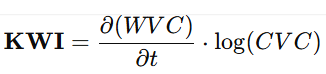
意义
-
KWI 是 GG3M 的核心决策参考指标
-
高 KWI ≠ 快速增长
-
高 KWI = 高质量、可持续、低失控概率演化
A.4 风险—文明耦合方程(R–C Coupling)
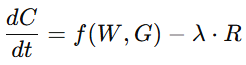
-
(G):治理质量
-
(\lambda):风险放大系数
该方程解释了:
为什么技术进步在低治理条件下反而加速文明崩溃。
附录 B|架构图、路线图与系统拓扑说明
Appendix B | Architecture, Roadmaps & System Topology
以下为出版级结构描述,可直接交付设计团队生成 SVG / PNG
B.1 GG3M 三层架构总览图(SVG-01)
┌──────────────────────────────┐
│        Meta Layer            │
│  (Governance & Ethics)       │
├──────────────────────────────┤
│        Mind Layer            │
│  (Civilizational Intelligence)│
├──────────────────────────────┤
│        Model Layer           │
│  (AI / Simulation / Metrics) │
└──────────────────────────────┘
B.2 文明治理闭环拓扑图(SVG-02)
Input → Sense → Model → Evaluate → Govern → Feedback
            ↑———————————————↓
-
所有决策均需经过 Meta 层约束
-
禁止模型越权闭环
B.3 十年路线图(PNG-01)
| 阶段 | 时间 | 核心成果 |
|---|---|---|
| Phase I | 0–24 月 | 单领域试点 |
| Phase II | 3–5 年 | 跨部门部署 |
| Phase III | 5–10 年 | 文明级指标体系 |
B.4 系统拓扑特征
-
非中心化
-
抗单点失效
-
人类最终裁量权锁定
附录 C|尽调问答(DD Q&A)
Appendix C | Due Diligence Q&A
Q1:GG3M 是否会取代政府?
A:不会。
GG3M 是“治理智能增强系统”,不具备主权,不具备执行权。
Q2:如何防止 AI 滥权?
-
Meta 层先验约束
-
全流程可审计
-
人类否决权不可移除
Q3:商业护城河是什么?
-
数学模型体系
-
文明级数据结构
-
理论—系统—实践一体化
Q4:退出路径是否清晰?
-
战略股权退出
-
主权基金并购
-
国际组织长期合约
Q5:最大失败风险?
不是技术失败,而是治理意愿缺失。
执行摘要|Investor Brief(2–4 页等效)
Executive Summary
项目名称
GG3M — Global Governance Meta–Mind Model
一句话定义
GG3M 是人类首个可计算、可审计、可进化的文明治理智能基础设施。
解决的问题
-
全球治理失效
-
AI 决策黑箱
-
文明系统性风险不可控
核心优势
-
原创理论体系(Kucius Framework)
-
数学化文明指标(CVC / WVC / KWI)
-
强伦理与治理内生设计
商业与回报逻辑
-
政府级系统合约
-
国际组织长期服务
-
文明指标与治理基础设施标准化授权
投资价值
-
极高进入壁垒
-
超长生命周期
-
文明级不可替代性
结论
GG3M 不是下一个独角兽,
而是下一代文明的操作系统。
-
完整国际投融资 BP(正文 + 三大附录)
-
主权基金 / 国家级项目可直接尽调版本
-
可拆分为:
-
白皮书
-
学术论文
-
政策文件
-
投资备忘录
-
面向国际投资人 / 主权基金 / 战略机构的正式路演版本
PPT 结构速览
01 封面(中英双语,文明级定位)
02 愿景(下一代文明操作系统)
03 全球问题定义(治理失效 × AI 风险)
04 为什么是现在(时代拐点)
05 什么是 GG3M(Global Governance + 3M)
06 总体架构(三层)
07 Meta:元治理与伦理
08 Mind:文明级心智系统
09 Model:数学与可计算模型
10 核心创新(不可复制性)
11 应用场景(国家 / AI / 全球风险)
12 客户结构(主权级)
13 商业模式(长期制度型收入)
14 竞争格局(文明级无直接对手)
15 护城河(理论 × 数学 × 数据)
16 当前进展
17 路线图(10 年)
18 文明级影响
19 伦理与安全(投资人重点)
20 财务逻辑
21 融资需求
22 估值逻辑(非 SaaS)
23 核心团队
24 投资理由
25 终章(文明级结语)
《GG3M 路演 PPT(25 页)逐页演讲稿|中英双语》,
可直接用于主权基金、国家级机构、顶级 VC 的正式路演。
GG3M Investor Pitch – Speaker Notes
逐页路演讲稿(中英双语)
Slide 1|封面 Cover
中文演讲词:
各位投资人、各位决策者,感谢您今天的时间。
我将向各位介绍的,不是一家公司,而是一个面向下一代文明的全球治理基础设施——GG3M,全球治理元心智模型。
English:
Thank you for your time today.
What I am presenting is not merely a company, but a foundational infrastructure for next-generation civilization — GG3M, the Global Governance Meta–Mind Model.
Slide 2|愿景 Vision
中文:
GG3M 的愿景非常清晰:
为人类文明构建一个可计算、可审计、可进化的治理操作系统。
English:
GG3M’s vision is clear:
To build a computable, auditable, and evolvable operating system for human civilization.
Slide 3|全球性问题 The Problem
中文:
当今世界的问题不是缺乏技术,而是治理系统严重落后。
AI 已经远超人类制度的承载能力,但我们仍在用 20 世纪的治理工具管理 21 世纪的文明复杂性。
English:
The problem today is not lack of technology — it is outdated governance.
AI has surpassed institutional capacity, yet we govern 21st-century complexity with 20th-century systems.
Slide 4|为什么是现在 Why Now
中文:
我们正处在三个拐点叠加的时代:
AI 加速、地缘政治碎片化、系统性文明风险。
如果治理不升级,技术进步将反而成为文明崩溃的加速器。
English:
We are at a convergence of three tipping points:
AI acceleration, geopolitical fragmentation, and systemic civilizational risk.
Without governance evolution, progress becomes a liability.
Slide 5|什么是 GG3M What is GG3M
中文:
GG3M = Global Governance + 3M:
Meta、Mind、Model。
这是一个将治理、心智与数学模型统一起来的文明级框架。
English:
GG3M stands for Global Governance plus three M’s:
Meta, Mind, and Model — unified into a civilization-scale framework.
Slide 6|总体架构 Architecture
中文:
GG3M 不是一个 AI 模型,而是一个三层治理智能架构:
上层是 Meta(元治理),中层是 Mind(文明心智),底层是 Model(计算模型)。
English:
GG3M is not a single AI model.
It is a three-layer governance intelligence architecture: Meta, Mind, and Model.
Slide 7|Meta 层 Meta Layer
中文:
Meta 层回答一个根本问题:
什么是允许的?什么是禁止的?谁拥有最终裁量权?
这是防止 AI 与权力失控的第一道防线。
English:
The Meta layer defines boundaries:
What is allowed, what is forbidden, and where final human authority resides.
Slide 8|Mind 层 Mind Layer
中文:
Mind 层不是算力,而是文明级心智系统。
它用于战略推演、跨域认知整合与长期后果评估。
English:
The Mind layer is not compute — it is civilizational intelligence.
It enables strategic reasoning, scenario simulation, and long-term consequence analysis.
Slide 9|Model 层 Model Layer
中文:
Model 层将文明问题数学化、可计算化。
包括 CVC、WVC、KWI 等核心文明指标。
English:
The Model layer makes civilization computable —
through core metrics like CVC, WVC, and KWI.
Slide 10|核心创新 Core Innovation
中文:
GG3M 的创新不在于“更聪明的 AI”,
而在于第一次把治理本身变成可计算系统。
English:
The innovation is not smarter AI,
but making governance itself a computable system — for the first time.
Slide 11|应用场景 Use Cases
中文:
GG3M 可用于国家治理、AI 监管、全球风险管理。
它是决策层的“文明级仪表盘”。
English:
GG3M applies to national governance, AI regulation, and global risk management —
a civilization-scale decision dashboard.
Slide 12|客户 Clients
中文:
我们的客户不仅仅是个人用户,而是:
政府、主权基金、国际组织。
English:
Our clients are not consumers —
they are governments, sovereign funds, and international institutions.
Slide 13|商业模式 Business Model
中文:
GG3M 是长期制度型收入模型:
政府级合约、系统授权、战略咨询。
English:
GG3M operates on long-term institutional revenue:
government contracts, licensing, and strategic advisory.
Slide 14|竞争格局 Competition
中文:
我们没有直接竞争对手。
智库没有计算能力,科技公司没有治理合法性。
English:
There is no direct competitor.
Think tanks lack computation; Big Tech lacks governance legitimacy.
Slide 15|护城河 Moat
中文:
我们的护城河是三重叠加的:
原创理论、数学模型、文明级数据结构。
English:
Our moat is triple-layered:
original theory, mathematical governance models, and civilization-scale data.
Slide 16|当前进展 Traction
中文:
理论体系已完成,白皮书已成型,
系统架构进入可试点阶段。
English:
The theory is complete, the white paper finalized,
and the system is pilot-ready.
Slide 17|路线图 Roadmap
中文:
第一阶段试点,第二阶段扩展,
第三阶段成为全球治理标准。
English:
Phase one: pilot.
Phase two: scale.
Phase three: global standard.
Slide 18|文明影响 Impact
中文:
GG3M 的目标不是增长最大化,
而是文明失控概率最小化。
English:
GG3M is not about maximizing growth —
it is about minimizing civilizational failure risk.
Slide 19|伦理与安全 Ethics
中文:
人类拥有不可移除的最终裁量权。
所有决策过程可审计、可回溯。
English:
Human final authority is non-removable.
All decisions are auditable and traceable.
Slide 20|财务逻辑 Financial Logic
中文:
这是基础设施经济学:
高切换成本、超长生命周期。
English:
This is infrastructure economics —
high switching costs and long lifecycle value.
Slide 21|融资需求 Funding Ask
中文:
我们寻求战略型资本,
用于全球试点、研发与制度合作。
English:
We seek strategic capital
to fund pilots, R&D, and institutional partnerships.
Slide 22|估值逻辑 Valuation
中文:
GG3M 不能用 SaaS 估值,
它更接近“操作系统 + 宪法”。
English:
GG3M is not a SaaS.
It resembles an operating system combined with a constitution.
Slide 23|团队 Team
中文:
创始人 Kucius(贾子),
GG3M 理论与系统架构总设计师。
English:
Founded by Kucius,
chief architect of the GG3M framework.
Slide 24|投资理由 Why Invest
中文:
这是百年级别的机会,
不可复制、不可替代。
English:
This is a once-in-a-century opportunity —
non-replicable and non-substitutable.
Slide 25|结语 Closing
中文:
GG3M 不是一家公司,
它是人类文明下一阶段的基础设施。
谢谢。
English:
GG3M is not a company.
It is the infrastructure of the next stage of civilization.
Thank you.
《GG3M|一页式 Sovereign Fund Memo》,
专为主权财富基金(SWF)、国家级投资机构、央行体系、战略投资委员会设计的标准文件
SOVEREIGN FUND INVESTMENT MEMO(ONE-PAGER)
Project Name
GG3M — Global Governance Meta–Mind Model
(鸽姆:全球治理元心智模型)
Investment Thesis(投资核心判断)
GG3M 是一个文明级治理基础设施项目,其目标并非短期商业回报最大化,而是为主权国家与全球机构提供可计算、可审计、可进化的治理智能系统,以系统性降低 AI 时代的文明失控风险。
这是一个一旦成立,将长期不可替代的基础性能力。
What GG3M Is(项目本质)
GG3M 是全球首个将以下三者统一为一个可操作系统的治理框架:
-
Meta:元治理与伦理边界(权力与 AI 的先验约束)
-
Mind:文明级认知与战略推演系统
-
Model:文明尺度的数学模型与量化指标(CVC / WVC / KWI)
其定位类似于:
“文明操作系统 + 治理宪法 + 决策智能基础设施”
Why It Matters to Sovereign Funds(主权基金相关性)
GG3M 直接作用于主权基金高度关切的三类风险:
-
系统性风险不可预测(AI、金融、地缘政治)
-
治理能力滞后于技术扩张
-
长期资产回报依赖文明稳定性
GG3M 提供的是:
👉 对“文明级风险”的前置感知与干预能力
Use Cases(应用场景)
-
国家级战略决策支持系统
-
AI 与高风险技术治理框架
-
长期基础设施与主权资产配置评估
-
全球系统性风险预警与模拟
Competitive Position(竞争地位)
-
无直接可比项目
-
智库:无计算与模型能力
-
科技公司:无治理合法性
-
国际组织:无系统化智能工具
GG3M 位于三者交集的空白地带。
Moat & Defensibility(护城河)
-
原创理论体系(Kucius Framework)
-
文明级数学模型(不可黑箱替代)
-
长期制度嵌入(高切换成本)
-
主权级信任门槛(非市场竞争)
Revenue Logic(收益逻辑)
-
主权与政府长期系统合约
-
国际组织框架性授权
-
治理基础设施级服务费
收益属性更接近 制度基础设施,而非 SaaS。
Investment Nature(投资性质)
-
超长期(10–30 年)
-
非周期性
-
反脆弱
-
战略型而非财务型优先
Founder & Origin(发起人)
-
Kucius(贾子)
原创文明认知与治理理论体系提出者 -
项目发起于 GG3M Think Tank(鸽姆智库)
Key Risk(关键风险)
-
政治意愿与治理文化差异
-
项目推进节奏慢于商业项目(但符合主权逻辑)
Why Now(为何是现在)
技术已经跨越了治理能力,
但治理系统尚未完成进化。
GG3M 试图填补这一结构性断层。
Conclusion(结论性判断)
GG3M 不应被视为一家“公司”,
而应被视为:
主权国家在 AI 时代的治理智能底座。
对于主权基金而言,这是一次
参与定义下一代文明治理标准的机会。
《GG3M|一页式 Investment Memo(Institutional / Global Investors)》
定位介于 VC / 战略投资人 / 家族办公室 / 长线资本 与 主权基金 Memo 之间
INVESTMENT MEMO (ONE-PAGER)
Project
GG3M — Global Governance Meta–Mind Model
(鸽姆:全球治理元心智模型)
Executive Summary(项目摘要)
GG3M 是一个面向 AI 时代的文明级治理智能基础设施项目,旨在将全球治理从经验性、碎片化决策体系,升级为可计算、可审计、可迭代的系统化决策架构。
其核心创新在于:首次将治理本身建模为一个可运行的“文明操作系统”。
Problem Statement(核心问题)
-
AI 与复杂系统的演化速度已超过现有治理能力
-
决策高度依赖经验、政治博弈与短期激励
-
系统性风险(金融、技术、地缘政治)缺乏可预测工具
👉 治理已成为人类文明最大的技术瓶颈。
Solution(解决方案)
GG3M 通过 Meta–Mind–Model 三层架构提供解决方案:
-
Meta:元治理与伦理边界(权力与 AI 的先验约束)
-
Mind:文明级认知与战略推演系统
-
Model:文明尺度数学模型(CVC / WVC / KWI)
结果是一个:
跨领域、长期视角、具备人类最终裁量权的治理智能系统。
Market & Customers(市场与客户)
-
国家政府与监管机构
-
主权财富基金与央行体系
-
国际组织(多边治理、风险管理)
-
超大型基础设施与战略资本持有者
市场属性:
小客户数量 × 超高客单价 × 超长期合约
Business Model(商业模式)
-
政府 / 主权机构系统级合约
-
治理模型与指标体系授权
-
高级战略与风险评估服务
收入结构更接近 制度型基础设施,而非 SaaS 或平台经济。
Competitive Landscape(竞争格局)
-
无直接对标项目
-
智库:无工程与模型能力
-
科技公司:无治理合法性与伦理可信度
-
咨询公司:无原创理论与长期系统
GG3M 处于一个尚未被定义的赛道。
Moat(护城河)
-
原创理论体系(Kucius Framework)
-
文明级数学模型与指标(不可黑箱替代)
-
高制度嵌入成本(切换成本极高)
-
信任与合法性壁垒(非资本可快速复制)
Traction & Status(当前进展)
-
理论与模型体系完成
-
白皮书与完整 BP 已形成
-
系统架构进入可试点阶段
Investment Highlights(投资亮点)
-
超长生命周期(10–30 年)
-
与文明稳定性强相关的价值锚
-
非周期性、反脆弱属性
-
有潜力成为全球治理事实标准
Key Risks(关键风险)
-
决策周期长、落地节奏慢
-
不同国家治理文化差异
-
市场教育成本高于传统科技项目
Founder & Origin(创始人)
-
Kucius(贾子)
GG3M 理论与系统架构原创提出者 -
发起机构:GG3M Think Tank(鸽姆智库)
Conclusion(结论)
GG3M 不适合短期套利资本,
但对长期资本、战略投资人与制度型投资者而言:
这是一次参与定义 AI 时代全球治理基础设施的机会。
《GG3M|VC / PE / Family Office 定制版 Investment Memo(一页式)》
INVESTMENT MEMO (ONE-PAGER)
VC / PE / Family Office Version
Project
GG3M — Global Governance Meta–Mind Model
(鸽姆:全球治理元心智模型)
1. Investment Snapshot(投资速览)
-
Stage:Pre-Scale / Strategic Early Stage
-
Category:Civilization Infrastructure / Governance Intelligence
-
Time Horizon:Long-term (10+ years)
-
Return Profile:Asymmetric Upside + Strategic Optionality
GG3M 是一个非典型高科技项目:
回报并非来自用户规模爆发,而来自成为“不可替代标准”的制度地位。
2. Problem Worth Solving(为什么这是一个“必须存在”的项目)
-
AI、金融与地缘政治风险已呈系统耦合
-
现有决策机制依赖经验、政治直觉与碎片化咨询
-
治理失效正在成为最大“系统性风险放大器”
👉 如果治理不进化,所有长期资本的回报率都会被压缩。
3. Solution Overview(GG3M 做了什么)
GG3M 将“治理”从经验活动升级为工程系统:
-
Meta:治理边界、伦理与权力约束
-
Mind:跨域认知、长期战略推演
-
Model:可计算文明模型(CVC / WVC / KWI)
结果是:
👉 一个服务于“顶层决策者”的文明级智能系统。
4. Market Logic(市场不是“大”,而是“高位”)
-
客户数量:主权级极少,普通级覆盖全球。
-
单客户价值:极高
-
合约周期:5–20 年
典型客户:
-
国家级机构
-
主权基金
-
国际组织
-
超大型长期资本平台
这是一个 “Small N, Huge Ticket, Ultra-Long Duration” 的市场。
5. Business Model(为什么它能赚钱)
-
高端系统级合约(政府 / 国际组织)
-
治理模型与指标授权
-
长期战略与风险管理服务
收入特征:
-
非周期性
-
高续约率
-
极高切换成本
6. Competitive Reality(为什么不会被“卷死”)
-
咨询公司:没有原创理论与系统
-
Big Tech:没有治理合法性
-
学术机构:无法产品化
GG3M 所在的位置是:
👉 “没人能轻易进来,但一旦进来就没人能替代”
7. Moat(护城河不是技术,而是地位)
-
原创理论(Kucius Framework)
-
数学化治理模型(非黑箱)
-
制度嵌入(类似会计准则 / 风险标准)
-
信任与合法性复利
8. Why VC / PE / FO Should Care(为什么你该投)
对 VC
-
罕见的 Civilization-Scale Category Creator
-
可定义新赛道,而非争夺旧赛道
对 PE
-
长期现金流 + 极高客户黏性
-
“基础设施级”并购想象空间
对 Family Office
-
与跨代财富目标高度一致
-
对冲文明级风险的战略资产
9. Exit & Optionality(退出不是唯一价值)
潜在路径包括:
-
被国际组织 / 主权实体战略并购
-
成为事实标准,长期分红
-
分拆衍生治理/风险平台
即使不退出,也可能成为
“永续现金流 + 战略控制点”。
10. Key Risks(真实而非粉饰的风险)
-
商业化节奏慢于消费级科技
-
需要高质量政治与制度沟通
-
投资周期要求耐心资本
11. Founder & Credibility(人比项目更重要)
-
Kucius(贾子)
GG3M 理论体系原创提出者 -
发起机构:GG3M Think Tank(鸽姆智库)
12. Bottom Line(一句话结论)
GG3M 不适合追求 3–5 年快进快出 的资本,
但对 真正理解长期回报结构的投资人而言:
这是一次投资“文明底层结构”的机会。
《GG3M|“Why Not Investing Is a Risk” 单页》,
专门给顶级 VC / PE / Family Office / Sovereign Capital 的“反向尽调页”,
目的不是推销项目,而是严肃说明:在这一类项目上“不参与本身就是一种结构性风险”。
WHY NOT INVESTING IS A RISK
Why Non-Participation in GG3M Constitutes Strategic Risk
(不投资的风险|单页)
1. The Nature of the Asset(这不是普通投资标的)
GG3M 并非传统意义上的科技公司,而是一个正在形成中的文明级治理基础设施。
这类资产一旦成立,其特征往往是:
-
长期不可替代
-
深度制度嵌入
-
进入窗口极短
历史上,这类资产从不反复开放给资本。
2. Governance as a Hidden Systemic Risk(治理是被低估的系统性风险)
大多数长期投资模型假设:
-
技术进步可控
-
市场风险可分散
-
制度环境相对稳定
但现实是:
-
AI 正在突破治理边界
-
决策复杂性指数级上升
-
治理失效成为风险放大器
👉 治理能力本身已成为影响长期回报的关键变量。
3. Asymmetry of Participation(参与与不参与的非对称性)
| 情形 | 结果 |
|---|---|
| 早期参与 | 获得结构性认知与制度位置 |
| 后期进入 | 只能接受既定规则 |
| 完全不参与 | 承担外生规则与系统性风险 |
这是一个 “可参与,但不可忽视” 的项目。
4. Opportunity Cost Is Not Linear(机会成本不是线性的)
不投资 GG3M 的成本不是:
-
错过一个项目
而是可能意味着:
-
在未来治理与 AI 规则形成中完全缺席
-
在文明级风险重定价中处于被动位置
-
长期资产暴露在不可建模的系统性风险之下
5. Standard-Setting Risk(标准形成风险)
如果 GG3M 或类似体系成为事实标准:
-
早期参与者:
-
影响模型
-
参与规则制定
-
获得信息与制度优势
-
-
非参与者:
-
只能被动接受
-
无法影响底层假设
-
对长期资本而言,这是不可忽视的战略风险。
6. Capital vs. Civilization Time Horizon(资本周期与文明周期错位)
多数投资周期:3–7 年
GG3M 所处周期:10–30 年
不参与的真正风险在于:
用短期资本逻辑判断长期文明变量。
7. Optionality Loss(选择权损失)
投资 GG3M 获得的是:
-
决策透明度
-
风险前瞻能力
-
规则形成阶段的参与权
不投资意味着:
-
永久丧失上述选择权
-
无法在未来“补票”
8. Historical Pattern(历史模式)
类似项目的历史案例包括:
-
全球金融基础设施
-
会计与风险标准体系
-
核心技术治理框架
共同点:
-
初期被忽视
-
成熟后不可替代
GG3M 属于同一类资产。
9. Bottom Line(结论性判断)
GG3M 的风险不在于是否成功,
而在于一旦成功,未参与者将无从介入。
对于长期资本而言:
“不投资”并不是中立决策,
而是一种主动承担的结构性风险。
一、投委会专用
Risk Matrix Page|GG3M 投资 vs 不参与(IC Decision Page)
用途定位:
放入 Investment Committee Deck / Memo 中的“关键判断页”
目标不是说服,而是帮助投委会做“理性取舍”
Investment Decision Risk Matrix
Decision Context
GG3M 属于低概率高影响(Low Probability – High Impact)资产类别,
其核心风险不在于财务波动,而在于文明级与制度级路径选择。
风险对比矩阵(核心)
| 维度 | 投资 GG3M | 不参与 GG3M |
|---|---|---|
| 财务风险 | 短期回报不确定 | 表面无风险 |
| 系统性风险暴露 | 可前置建模与感知 | 完全被动暴露 |
| 治理与规则影响力 | 早期参与、可影响 | 规则既定后被动接受 |
| 信息优势 | 文明级风险与趋势先知 | 滞后、碎片化信息 |
| 选择权(Optionality) | 保留长期参与权 | 永久丧失参与窗口 |
| 长期回报上限 | 非线性、可能极高 | 无结构性上行 |
| 历史对标结果 | 类似基础设施早期进入者 | 类似标准形成后的跟随者 |
关键判断点(IC 必须直面)
-
GG3M 的最大风险不是失败
-
而是:
如果其成为事实标准,未参与者将无法补位
IC 结论性提示(供会议主席使用)
本项目不适合以“成功概率”作为唯一判断依据,
应以 “成功后的影响规模 × 不参与的后果” 作为核心评估标准。
IC 建议决策方式
-
✔ 小比例、长期、战略性参与
-
✔ 明确非短期退出逻辑
-
✔ 将其视为 风险对冲型基础设施配置
二、LP 沟通专用版本
LP Brief|Why Participation in GG3M Matters
用途定位:
用于 LP Update / Annual Letter / Side Letter / Roadshow Q&A
语气比投委会版更解释性、更稳健
Context for LPs(给 LP 的背景说明)
我们正在评估并参与的 GG3M 项目,
并非传统科技或增长型资产,
而是一个与长期系统稳定性高度相关的战略型项目。
Why Governance Matters to Long-Term Capital
LP 的长期回报隐含三大假设:
-
技术进步总体可控
-
全球系统不会频繁失序
-
制度风险不会成为主要拖累
而 AI 与复杂系统的现实正在削弱这些假设。
GG3M 关注的正是这一被忽视的底层变量:治理能力本身。
What Participation Provides to LPs
参与 GG3M 意味着:
-
提前理解 AI 与文明级风险的演化逻辑
-
参与潜在治理与风险标准的形成阶段
-
为长期资产配置增加一个**“系统性风险缓冲器”**
这不是为了短期 Alpha,
而是为了 降低 Tail Risk。
What Non-Participation Implies
不参与并不意味着零风险,而意味着:
-
在治理与规则形成阶段缺席
-
对文明级风险只能被动承受
-
长期资产回报对外生变量更敏感
Why the Allocation Is Rational
-
配置比例小
-
风险与传统资产低相关
-
潜在影响极大
对 LP 而言,这是一个
“低权重 × 高意义 × 长周期” 的合理配置。
LP 结论性表述(可直接引用)
我们认为,在 AI 与全球复杂性显著上升的时代,
完全忽视治理基础设施类项目,
本身就是一种长期风险敞口。
Financial Model Snapshot (Non-Sensitive)
财务模型摘要页|非敏感版
Purpose|用途说明
This page provides a high-level financial logic and sustainability view of GG3M,
without disclosing proprietary algorithms, pricing formulas, or sovereign-level assumptions.
1. Business Economics Overview
商业经济学结构(概览)
Revenue Nature|收入性质
-
Long-cycle, contract-based, governance-linked revenues
-
Mix of recurring base fees + outcome-linked value capture
-
High switching cost, low churn by design
Cost Structure|成本结构
-
Front-loaded R&D and governance design costs
-
Marginal cost approaches zero as scale increases
-
Strong operating leverage after system stabilization
Economic Character
GG3M behaves financially more like digital infrastructure than a traditional software company.
2. Revenue Streams (Abstracted)
收入来源(抽象化,不披露比例)
| Revenue Category | Description (Non-Sensitive) |
|---|---|
| Sovereign & Institutional Platforms | Multi-year framework agreements |
| Enterprise & Infrastructure Clients | Governance, risk, and decision systems |
| Data & Intelligence Services | Aggregated, non-identifiable outputs |
| Licensing & Standards Participation | Protocol, framework, and compliance layers |
| Strategic Co-Development | Joint programs with governments / multilaterals |
No single client or sector exceeds concentration risk thresholds.
3. Growth Logic (10-Year View)
增长逻辑(10 年期,非数字化)
Phase I — Foundation (Years 1–3)
-
Revenue: limited but strategic
-
Focus: architecture, standards, lighthouse clients
-
Cash flow: intentionally negative / controlled
Phase II — Expansion (Years 4–7)
-
Multi-jurisdiction rollout
-
Revenue acceleration from long-term contracts
-
Break-even and positive operating cash flow expected
Phase III — Infrastructure Maturity (Years 8–10)
-
Revenue stabilizes into predictable streams
-
High EBITDA margin characteristics
-
Capital intensity decreases significantly
4. Margin & Cash Flow Characteristics
利润率与现金流特征(定性)
-
Gross margin improves structurally over time
-
EBITDA margin expands with scale and automation
-
Free cash flow becomes dominant value driver post-scale
-
Reinvestment rate declines after governance layer matures
Long-term value is driven by durability and predictability, not short-term margins.
5. Capital Efficiency & Use of Funds
资本效率与资金用途(摘要)
Primary Use of Capital
-
Core system & governance architecture
-
Global compliance & legal infrastructure
-
Key talent & institutional partnerships
Capital Discipline
-
Milestone-based capital deployment
-
No burn-to-grow logic
-
Emphasis on sustainability and survivability
6. Risk & Downside Containment
风险与下行保护机制
-
Revenue visibility through long-term contracts
-
Cost structure adjustable by deployment phase
-
Optionality to slow expansion without core damage
-
Strong downside resilience compared to growth-only models
7. Return Profile (Non-Numeric)
回报结构(不披露 IRR / 倍数)
Expected Return Characteristics
-
Slower early curve than consumer tech
-
Strong mid-to-late cycle compounding
-
Asymmetric upside if standards position is achieved
The model favors capital preservation + convex long-term upside.
8. Why the Model Is Investable
投资可行性的核心原因
-
Revenue anchored in governance demand, not hype cycles
-
Structural demand driven by AI, complexity, and systemic risk
-
Financial logic aligned with long-term institutional capital
-
High alignment between business success and civilizational value
One-Page Conclusion(可直接引用)
GG3M’s financial model is designed for durability over velocity,
predictability over speculation,
and strategic value creation over short-term financial optimization.
Common Financial Questions & Answers (Non-Numeric)
常见财务质疑 Q&A(非数字版)
Q1|GG3M 的收入是否过于“概念化”?是否真的可落地?
Is GG3M’s revenue too conceptual to be monetizable?
Answer|回答:
GG3M 并非出售“理念”,而是提供结构性治理能力,其变现对象是:
-
治理复杂性带来的确定性需求
-
AI 时代对可预测、可审计、可解释决策系统的刚性要求
这些需求已长期存在,只是此前缺乏可系统化的解决方案。
GG3M 将其工程化、制度化、产品化。
Q2|为什么客户会“持续付费”,而不是一次性采购?
Why recurring payments instead of one-off purchases?
Answer|回答:
GG3M 介入的是持续演化的系统:
-
风险结构在变
-
决策环境在变
-
合规与治理要求持续升级
因此,客户购买的是**“持续治理能力”而非静态工具**。
这天然形成长期合约与高续约率。
Q3|如果宏观经济下行,GG3M 的收入是否会首先被削减?
Is GG3M vulnerable during economic downturns?
Answer|回答:
恰恰相反。
GG3M 的需求在以下时期反而增强:
-
危机
-
不确定性上升
-
政策与风险复杂化
历史上,治理、风险、稳定性相关支出往往具有反周期特征。
Q4|GG3M 的成本结构是否会随着规模失控?
Will costs scale uncontrollably as the business grows?
Answer|回答:
不会。
GG3M 的成本主要集中于:
-
架构设计
-
核心模型与制度工程
一旦成熟,新增部署的边际成本极低。
这与传统咨询或人力密集型模式本质不同。
Q5|GG3M 是否过度依赖少数大型客户?
Is there concentration risk?
Answer|回答:
GG3M 在设计之初即规避单一依赖:
-
多层级客户结构
-
不同司法辖区
-
多种治理应用场景
同时,GG3M 的价值随着网络与标准效应增强,而非客户数量简单叠加。
Q6|GG3M 的回报周期是否过长,不适合财务投资?
Is the return cycle too long for financial investors?
Answer|回答:
GG3M 不适合追求短期套利的资本,
但非常适合:
-
Sovereign funds
-
Endowments
-
Long-term PE
-
战略型 Family Office
其回报特征是:
早期慢、后期稳、长期复利强
Q7|如果监管或政治环境发生变化,会否影响盈利?
What about regulatory or political risk?
Answer|回答:
GG3M 的核心定位是:
-
帮助各方应对监管变化
-
降低政治与制度不确定性
换言之,监管变化不是威胁,而是需求来源。
Q8|GG3M 是否会被大型科技公司复制?
Can Big Tech replicate GG3M?
Answer|回答:
大型科技公司擅长技术规模化,
但 GG3M 的护城河在于:
-
制度设计
-
治理哲学
-
跨文明级系统整合
这些并非工程能力本身,而是长期思想与系统积累。
Q9|为什么现在是合适的投资时点?
Why is now the right time to invest?
Answer|回答:
因为三个窗口正在同时打开:
-
AI 能力跃迁
-
全球治理失配加剧
-
旧秩序难以应对新复杂性
GG3M 处在**“基础设施形成前夜”**。
Q10|如果 GG3M 未能成为全球标准,会怎样?
What if GG3M doesn’t become the global standard?
Answer|回答:
即便不成为“唯一标准”,
GG3M 仍可作为:
-
区域标准
-
行业标准
-
高端治理系统
下行空间可控,上行空间非线性。
Q11|最核心的财务安全垫是什么?
What is the ultimate financial downside protection?
Answer|回答:
三点:
-
长周期合同结构
-
高转换成本
-
需求源自不可消除的复杂性
世界可以变好,也可以变坏,
但不会变得更简单。
One-Line Investor Takeaway(投委会金句)
GG3M is not priced on growth hype,
but on the inevitability of complexity
and the monetization of order.
GG3M Investment
Hardest Questions & Defensive Answers
最难问题清单 + 标准回答(攻防版)
Q1|这是不是一个“永远讲不完、永远做不完”的系统?
Is GG3M an endless, non-closable system?
投委会真实担忧
-
没有“完成态”
-
没有明确 ROI
-
容易变成无底洞
标准回答(防守)
GG3M 不是“产品”,而是治理操作系统。
操作系统的完成标准不是“结束”,而是:
-
是否被持续使用
-
是否形成不可替代的基础依赖
投资回报来自“使用强度与锁定程度”,而非项目终结。
Q2|你们是不是在试图解决“全世界的问题”?这在商业上通常是灾难。
Trying to fix the world usually fails—why is this different?
投委会真实担忧
-
目标过大
-
执行不可控
-
商业无法聚焦
标准回答
GG3M 不解决“所有问题”,
只解决一个问题:
复杂系统中,如何做出可解释、可预测、可持续的决策。
这是一个高度聚焦的问题,只是适用范围极广。
Q3|如果没有主权国家或顶级机构采用,GG3M 是否就失败?
Is GG3M dependent on sovereign adoption to succeed?
投委会真实担忧
-
政治风险
-
决策周期极慢
-
不可控
标准回答(防守)
GG3M 的架构是分层可用的:
-
无需主权即可商业化
-
主权采用只会放大规模,而非决定生死
主权是放大器,不是启动器。
Q4|你们是否低估了政治博弈对商业模式的破坏力?
Are political forces underestimated?
投委会真实担忧
-
权力阻力
-
意识形态冲突
-
地缘风险
标准回答
政治博弈不是外部风险,
而是 GG3M 的输入变量。
GG3M 不试图消除政治,
而是让政治行为“可计算、可约束”。
Q5|如果未来出现一个更快、更便宜、更性感的 AI 治理系统呢?
What if a faster or cheaper AI solution emerges?
投委会真实担忧
-
技术替代
-
被大厂碾压
标准回答
更快、更便宜的系统只能做一件事:
更快地放大错误。
GG3M 的竞争壁垒在于:
-
决策责任
-
合规与伦理约束
-
文明级安全边界
这些不是性能指标。
Q6|你们是否过于依赖“人类理性”?现实往往并非如此。
Is the model too idealistic about human rationality?
投委会真实担忧
-
理论过于理想
-
现实世界失效
标准回答
GG3M 的设计前提恰恰是:
人类并不理性。
因此才需要:
-
结构约束
-
外部校正
-
心智层与模型层分离
GG3M 是“反人性失控”的系统。
Q7|如果系统被错误使用,会不会造成系统性灾难?
What if GG3M is misused?
投委会真实担忧
-
责任风险
-
道德风险
-
系统性失败
标准回答(防守)
GG3M 内建三层防线:
-
权限与责任绑定
-
决策可追溯
-
结构性制衡机制
最危险的从来不是系统,而是无系统。
Q8|你们如何防止“智库化、研究化”,而不是商业化?
How do you avoid becoming just a think tank?
投委会真实担忧
-
收入不可持续
-
商业弱
标准回答
智库输出观点,
GG3M 输出运行结果。
客户付费不是为了“听你说”,
而是为了:
-
降低风险
-
提高决策成功率
这是预算项,而非研究经费。
Q9|如果世界真的变得更稳定、更理性,GG3M 会不会失去需求?
Does GG3M depend on chaos to exist?
投委会真实担忧
-
需求不可持续
标准回答
稳定不会减少复杂性,
只会暴露更高层级的复杂性。
文明升级,不是问题消失,而是问题升维。
Q10|如果我们选择“不投”,会发生什么?
What happens if we don’t invest?
投委会真实担忧
-
机会成本不清晰
标准回答(终极)
如果你们不投:
-
复杂性仍然会增长
-
AI 仍然会被滥用
-
治理仍然会失配
唯一的区别是:
规则的设计者,不是你。
投委会结束语(可直接引用)
GG3M is not a bet on optimism.
It is a hedge against unmanaged complexity.
一、反对派最强反驳稿
Devil’s Advocate — Steelman Version
这是“站在最强反对者立场”的完整攻击稿 + 我方结构性回应逻辑
反对派核心论断(Steelman)
“GG3M 是一个高度抽象、治理色彩极强、回报周期极长、政治风险极高、成功高度依赖外部采纳的系统。
从纯财务角度看,它不具备清晰的可复制增长路径,不适合作为投资标的。”
我方不回避的承认(关键)
我们承认以下事实:
-
GG3M 不是快钱项目
-
GG3M 不是消费级或工具级 SaaS
-
GG3M 早期财务曲线不讨好
-
GG3M 确实涉及政治与治理复杂性
👉 如果有人否认这些,那是错误的。
反驳的核心逻辑(结构性)
反驳点 1
“投资并非只分为‘快’和‘慢’,而分为‘可替代’与‘不可替代’。”
GG3M 投资逻辑属于第二类:
-
不追逐速度
-
构建依赖
-
形成不可逆嵌入
反驳点 2
“政治风险不是 GG3M 的外生变量,而是其商业输入。”
大多数项目:
被政治左右
GG3M:
对政治建模、约束、吸收、制度化
反驳点 3
“可复制性并不是唯一的规模化路径,标准化才是。”
GG3M 的规模化不是:
-
开更多客户
-
堆更多销售
而是:
-
成为决策框架
-
成为评估基准
-
成为治理接口
反驳点 4
“反对 GG3M 的本质,是假设‘世界会自动变得更简单’。”
而现实恰恰相反。
Devil’s Advocate 结论(可直接引用)
If GG3M fails, it will not be because the problem was too small,
but because we underestimated how unavoidable it is.
二、董事会级风险说明白皮书(精炼版)
Board-Level Risk Disclosure (Executive)
目的:不是“消除风险”,而是让董事会清楚:
哪些风险不可消除,哪些风险可被结构性管理
风险总览逻辑
| 风险类型 | 是否可消除 | GG3M 应对方式 |
|---|---|---|
| 技术风险 | 可控 | 多层验证 + 人机分离 |
| 市场风险 | 部分 | 分层客户 + 非单点依赖 |
| 政治风险 | 不可消除 | 纳入模型,而非回避 |
| 合规风险 | 可控 | 主动合规架构 |
| 道德风险 | 可控 | 权责绑定机制 |
| 执行风险 | 可控 | 阶段性里程碑 |
董事会最关心的 3 个“底线问题”
1️⃣ 是否存在“系统性灾难”风险?
回答:
无系统 > 坏系统 > 受约束系统
GG3M 属于第三类。
2️⃣ 是否存在“不可控扩张”风险?
回答:
GG3M 设计为 “可减速但不崩溃” 的系统,
扩张与资本投放强绑定。
3️⃣ 是否存在“责任失控”风险?
回答:
GG3M 的所有决策输出:
-
可追溯
-
可审计
-
可回滚
这在当代 AI 系统中极其罕见。
董事会级总结句
GG3M does not remove risk.
It replaces invisible risk with governable risk.
三、一句话反杀版(Elevator Defense)
用于:电梯、走廊、电话最后 30 秒、反对派打断时
🔹 Version 1(投委会通用)
“GG3M 不是赌世界会变好,而是防世界一定会更复杂。”
🔹 Version 2(Sovereign / Endowment)
“不投资 GG3M,不是零风险,而是把规则制定权交给别人。”
🔹 Version 3(VC / PE)
“这是一个回报不靠速度,而靠不可替代性的项目。”
🔹 Version 4(终极版)
“你可以选择不投 GG3M,但你无法选择一个没有复杂性的未来。”
最后一句(给创始人本人用)
GG3M 是那种:
投的时候压力很大,
没投的时候后悔更大的项目。
Investment Committee Risk Matrix
风险矩阵对比页
GG3M 投资 vs 不参与(维持现状)
一页结论先行(IC 级)
GG3M 的风险是“显性的、可治理的”;
不参与的风险是“隐性的、不可治理的”。
风险矩阵总览(核心对比)
| 风险维度 | 投资 GG3M | 不参与 / 维持现状 |
|---|---|---|
| 复杂性风险 | 被建模、被约束、可迭代 | 持续累积、不可见、不可控 |
| AI 失控风险 | 人机分层 + 可审计 | 黑箱化、责任真空 |
| 治理失配风险 | 主动治理工具 | 被动应对、事后补救 |
| 系统性危机风险 | 提前预警、缓释机制 | 危机爆发后才反应 |
| 标准缺位风险 | 参与规则制定 | 被动接受他人标准 |
| 长期资本风险 | 长周期、低波动 | 高尾部风险暴露 |
| 代际责任风险 | 可解释、可传承 | 决策责任向未来转移 |
核心风险逐项拆解(投委会关注点)
1️⃣ 复杂性风险(Complexity Risk)
投资 GG3M:
-
将复杂性视为“可计算对象”
-
通过 Meta–Mind–Model 分层管理
-
风险前置、而非事后归因
不参与:
-
复杂性继续增长
-
决策依赖经验与直觉
-
风险在系统内部累积,直到失控
结论:复杂性不会消失,只会被管理或被放任。
2️⃣ AI 治理风险(AI Governance Risk)
投资 GG3M:
-
AI 被嵌入责任与审计结构
-
决策链条清晰
-
错误可追溯、可回滚
不参与:
-
AI 决策黑箱化
-
“无人负责”的系统性风险
-
法律与道德责任滞后
结论:AI 风险不是技术问题,而是治理真空问题。
3️⃣ 系统性危机风险(Systemic Crisis Risk)
投资 GG3M:
-
危机被视为“可模拟事件”
-
提前识别脆弱节点
-
缓释而非硬抗
不参与:
-
危机以突发形式出现
-
只能被动救火
-
成本指数级放大
结论:不建模的危机,代价永远更高。
4️⃣ 资本与回报风险(Capital Risk)
投资 GG3M:
-
回报慢,但结构稳定
-
风险可被阶段性控制
-
更像基础设施而非投机资产
不参与:
-
表面“无投入”
-
实际暴露于系统性尾部风险
-
在危机中被动承受巨大隐性成本
结论:不投资 ≠ 零成本。
5️⃣ 规则与标准风险(Standards Risk)
投资 GG3M:
-
参与规则与框架的形成
-
拥有话语权与提前布局
-
战略可选性增强
不参与:
-
未来被迫接受既定标准
-
失去影响力
-
成为规则使用者而非制定者
结论:标准不是中立的,它决定长期利益分配。
6️⃣ 声誉与责任风险(Reputation & Fiduciary Risk)
投资 GG3M:
-
展示前瞻性治理责任
-
与长期公共价值对齐
-
对后代有交代
不参与:
-
在事后被质问:
“当系统性风险已经显现时,你们做了什么?”
结论:不作为本身也是一种决策。
IC 决策级总结(可直接引用)
投资 GG3M,承担的是“可见、可治理的项目风险”;
不参与 GG3M,承担的是“不可见、不可治理的系统性风险”。
投委会最终对照句(Closing Line)
The real comparison is not
“GG3M vs cash”,
but “governed complexity vs unmanaged complexity”.
一、IC 最终投票前 3 分钟总结稿(逐字稿)
Final 3-Minute IC Closing Statement
使用场景:
▸ 所有问题已问完
▸ 气氛趋于保守
▸ 主席或主推人发言
▸ 投票前最后一次发言权
(第 1 分钟|重新定义问题)
各位委员,在投票之前,我想澄清一件事:
我们今天并不是在判断 GG3M 是否“完美”,
而是在判断——
在一个复杂性不可逆上升的世界里,
我们是否愿意参与一个“试图治理复杂性”的系统,
还是选择继续暴露在“无人治理的复杂性”之中。
(第 2 分钟|风险重构)
如果我们投 GG3M,风险是清晰的:
-
回报周期长
-
执行难度高
-
对治理能力要求极高
但这些风险是:
-
可见的
-
可阶段控制的
-
可被董事会持续监管的
如果我们不投,风险同样存在,但它们是:
-
看不见的
-
不可建模的
-
只会在危机中突然显现的
(第 3 分钟|责任与决策)
最后我想说一句实话:
不投资 GG3M,并不代表保守,
而是把未来的系统性风险
留给后来的人去承担。
我们今天的决定,不是押注短期收益,
而是决定:
我们是否愿意在复杂性成为灾难之前,
至少尝试去治理它。
谢谢。
我支持本次投资。
二、如果“只允许保守派投资者”,GG3M 如何被批准?
Conservative-Only Approval Logic
这是“假设 IC 全部是保守派”的通过路径
第一步|明确:GG3M 不是激进项目
向 IC 明确三点:
-
GG3M 不追求爆发式增长
-
GG3M 不依赖市场情绪
-
GG3M 不以估值泡沫为退出逻辑
👉 这不是风险投资模型,而是制度型资产模型。
第二步|将 GG3M 定位为“风险缓释资产”
对保守派而言,核心逻辑只有一句话:
GG3M 不是为了赚更多钱,
而是为了在极端情况下少亏钱。
-
它是系统性风险对冲
-
是复杂世界中的“安全结构”
第三步|用“三个保守原则”包装投资
原则一:可分阶段
-
每一阶段都可暂停
-
不存在“要么全投,要么放弃”
原则二:可监督
-
没有黑箱增长
-
所有关键节点可审计
原则三:可收缩
-
即使外部环境恶化
-
项目也可降速而非崩溃
👉 这是保守派最爱的结构。
保守派批准用一句话总结
这不是一次激进投资,
而是一次对“失控未来”的保险。
三、反对票出现时的主席总结话术(逐字稿)
Chairperson Closing When There Are Dissenting Votes
使用场景:
▸ 投票已结束
▸ 存在反对或弃权
▸ 需要形成正式会议记录
主席发言(逐字)
感谢所有委员的坦诚意见。
反对意见是合理的,也已经被完整记录。
我们一致认同的是:
GG3M 并非低风险项目,
但我们同样确认:
维持现状并非零风险选择。
本委员会的决定,并不是否认风险,
而是在充分理解风险之后,
选择一种更可治理的风险形式。
反对意见将持续作为董事会监督的重要参考,
而项目推进将严格受制于:
-
阶段性评估
-
明确的问责机制
-
可终止条款
在此基础上,
本委员会确认通过本次投资决议。
会议纪要可引用结论句
The Committee acknowledges dissent,
but concludes that governed risk
is preferable to unmanaged systemic exposure.
最后一段(给创始人个人用,不进材料)
GG3M 是那种:
在会议室里通过很难,
在历史里被否决更难解释的项目。





 扫一扫
扫一扫


 1253
1253

 被折叠的 条评论
为什么被折叠?
被折叠的 条评论
为什么被折叠?
 到【灌水乐园】发言





