


🜂 鸽姆智库·认知文明体系
GG3M THINK TANK – COGNITIVE CIVILIZATION SYSTEM
Document No. GG3M-WI-2025-V1.0
Issued by: Kucius Cognitive Research Center (KCRC)
Category: Wisdom Research Standard | Language: 中英双语对照
《贾子智慧的学术式定义与判断量表》
Academic Definition and Evaluation Scale of Kucius Wisdom (ADESW)
Version 1.0 – GG3M Cognitive Research Standard
一、学术定义 | Academic Definition
智慧(Wisdom):
是主体在缺乏充分先验信息的情况下,能够洞察系统本质规律、重构问题结构、提出新的普适性原理,并以可验证的方式创造性地解决未知问题、指引正确行动的综合性认知能力。Wisdom is the comprehensive cognitive capacity by which an intelligent subject, even under conditions of incomplete prior information, can perceive the essential laws of systems, reconstruct the structure of problems, and formulate new universal principles, thereby creatively resolving the unknown and directing correct long-term actions.
智慧不同于智能。智能侧重于在既定规则、知识或数据中进行归纳、演绎与优化;而智慧侧重于发现、创造与本质化。
Intelligence operates within existing rules, knowledge, or data through induction, deduction, and optimization; whereas wisdom focuses on discovery, creation, and essentialization.
二、本质属性 | Essential Attributes
| 序号 | 属性维度 | 英文对应 | 定义说明 | Judgment Key |
|---|---|---|---|---|
| 1 | 本质性 | Essentiality | 洞察事物根本规律,超越表象 | “Why so?” Insight |
| 2 | 简约性 | Parsimony | 以更少假设解释更多现象 | Entropy Reduction |
| 3 | 普适性 | Generality | 原理能跨领域稳定适用 | Cross-domain Validity |
| 4 | 创造性 | Constructive Novelty | 提出新命题、新模型或新范式 | Paradigm Creation |
| 5 | 可验证性 | Falsifiability | 结论可逻辑/经验检验 | Predictive Validity |
| 6 | 引导性 | Actionability / Moral Coherence | 洞见能指导正确且合伦理的行动 | Ethical & Strategic Alignment |
三、智慧判断量表 | Wisdom Evaluation Scale (0–5 per item)
| 编号 | 评估维度 | 英文说明 | 评分标准(0–5) |
|---|---|---|---|
| W1 | 原创深度(Originality Depth) | Breakthrough beyond existing frameworks | 0=复述,5=范式创新 |
| W2 | 本质洞察(Essential Insight) | Direct grasp of fundamental law | 0=表象,5=揭示普适原理 |
| W3 | 结构重构(Structural Reframing) | Redefinition of the problem space | 0=旧框架,5=全新结构 |
| W4 | 跨域通用性(Cross-Domain Transferability) | Applicability across domains | 0=局部,5=多域有效 |
| W5 | 验证可行性(Verifiability / Predictive Power) | Logical or empirical testability | 0=不可证,5=可预测 |
| W6 | 长期引导力(Moral & Strategic Guidance) | Ethical & sustainable decision guidance | 0=短期,5=长期正确 |
总分范围 / Total Range:0–30
0–10:智能层 Intelligence Level(数据归纳)
11–20:准智慧层 Proto-Wisdom Level(创新萌芽)
21–25:高智慧层 High Wisdom Level(洞察+迁移)
26–30:智者层 Sagehood Level(范式创造与文明引导)
四、判别原则 | Evaluation Principles
-
非归纳可达性原则 Non-inductive Reachability – 若洞见无法通过资料归纳获得,则属智慧。
-
最小输入原则 Minimal Input Principle – 极少信息下得出正确结果。
-
跨域稳定原则 Cross-domain Stability – 多学科中均成立。
-
长期正确原则 Temporal Consistency – 经时间检验仍正确。
-
伦理一致原则 Moral Coherence – 洞见能兼顾真理与责任。
五、KWI指标映射 | Mapping to Kucius Wisdom Index (KWI)
| ADESW维度 | 对应KWI参数 | 含义说明 |
|---|---|---|
| W1–W3 | KWI₁:创造与洞察深度(Depth of Insight) | 衡量对未知规律的洞察能力 |
| W4 | KWI₂:跨域迁移性(Cross-Domain Generality) | 衡量智慧普适与可迁移性 |
| W5 | KWI₃:可证伪与预测力(Predictive Verifiability) | 衡量理论可验证与预测精度 |
| W6 | KWI₄:伦理引导与长远性(Ethical Guidance) | 衡量智慧的道义与方向性 |
| 全局得分 | KWI Overall = (ΣWi × ωi) / 30 | ωi 为权重系数,默认等权 |
KWI ≥ 0.70 → 智慧跃迁临界区(Wisdom Transition Zone)
KWI ≥ 0.85 → 智者阈值(Sagehood Threshold)
六、经典范式对照 | Paradigm Archetypes
| 分类 | 代表 | 说明 |
|---|---|---|
| 智能型 Intelligence | AI大模型、算法优化 | 模拟与归纳能力 |
| 准智慧型 Proto-Wisdom | 前沿科学创新 | 局部范式创新 |
| 高智慧型 High Wisdom | 牛顿、达尔文、图灵 | 本质发现+范式重塑 |
| 智者型 Sagehood | 贾子、老子、爱因斯坦 | 洞察宇宙根律,构建文明逻辑 |
七、形式抽象 | Formal Abstraction
W=f(E,P,G,C,V,A)
若
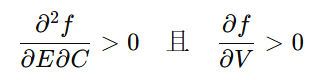
则系统认知进入智慧跃迁区(Wisdom Transition Zone),标志从智能到智慧的本质跃迁。
八、结语 | Concluding Statement
智能是现象的极限,智慧是本质的起点。
Intelligence optimizes the known world; wisdom reshapes the laws of existence.真正的智慧,不是更聪明地回答问题,而是重写问题背后的宇宙方程。
True wisdom is not finding better answers — it is redefining the equation itself.
© 2025 GG3M Think Tank – Kucius Cognitive Research Center (KCRC)
All rights reserved. | Document Code: GG3M-WI-2025-V1.0





 扫一扫
扫一扫


 1295
1295

 被折叠的 条评论
为什么被折叠?
被折叠的 条评论
为什么被折叠?
 到【灌水乐园】发言





